
Neuter Your Cat: What To Expect And Recovery Guide
Complete guide to cat neutering: procedure details, recovery, benefits, and post-operative care.
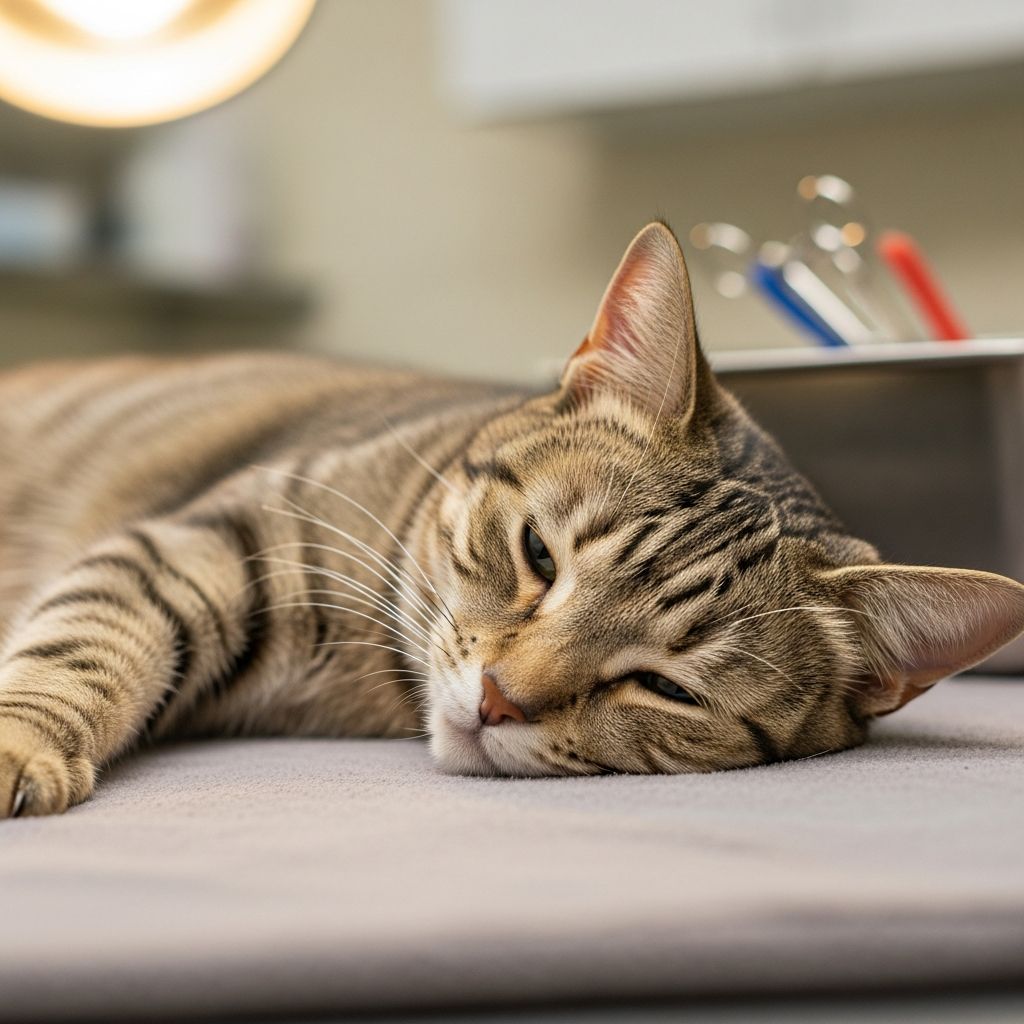
What to Expect When You Neuter Your Cat
Neutering is one of the most common surgical procedures performed on male cats today. If you’re considering having your male cat neutered or have recently scheduled the procedure, you likely have questions about what to expect before, during, and after surgery. Understanding the neutering process, from pre-operative preparation through recovery, helps you feel confident about your decision and ensures you can provide proper care for your feline companion during the healing period.
Understanding Neutering: What It Is and Why It Matters
Neutering is a surgical procedure in which a veterinarian removes a male cat’s testicles, making him unable to father kittens. This procedure is also referred to as castration or “fixing” your pet. Unlike spaying, which is a more complex abdominal surgery performed on female cats, neutering is typically a quicker and less invasive procedure.
The procedure offers numerous benefits beyond preventing unwanted reproduction. Neutered male cats are less likely to mark their territory by spraying urine throughout your home, exhibit reduced aggression, and are less inclined to roam in search of females in heat. Additionally, neutering eliminates the risk of testicular cancer and reduces the likelihood of certain other health conditions.
Pre-Operative Preparation: Getting Your Cat Ready
Proper preparation before surgery is essential for ensuring the procedure goes smoothly and your cat recovers well. Your veterinarian will provide specific pre-operative instructions tailored to your cat’s individual health status.
Fasting Requirements
The most critical pre-operative instruction is fasting. Your veterinarian will typically ask you to withhold food for 8 to 12 hours before surgery. This is necessary because cats undergoing general anesthesia should have an empty stomach to reduce the risk of vomiting or aspiration during the procedure. You should also restrict water intake for several hours before surgery, following your veterinarian’s specific guidelines.
Pre-Surgical Bloodwork
Depending on your cat’s age and overall health, your veterinarian may recommend pre-surgical bloodwork. This helps identify any underlying health conditions that might affect the surgery or anesthesia. Older cats, cats with existing health issues, or those taking medications should definitely have bloodwork performed to ensure they are suitable candidates for anesthesia.
Medication Review
Inform your veterinarian about any medications or supplements your cat is currently taking. Some medications may need to be adjusted or discontinued before surgery. Your veterinarian will guide you on which medications are safe to give before the procedure and which should be withheld.
Creating a Recovery Space
Before bringing your cat home, prepare a quiet, comfortable recovery area. Choose a location away from other pets and children where your cat can rest undisturbed. Set up a litter box, food and water bowls, and a comfortable bed in this space. Your cat will be groggy and disoriented after anesthesia, so a calm environment is important for proper healing.
The Day of Surgery: What Happens
On the day of surgery, arrive at your veterinary clinic at the scheduled time with your properly fasted cat in a secure carrier. The veterinary team will complete a final health check before proceeding with anesthesia.
Anesthesia Administration
Your cat will receive general anesthesia before the procedure begins. Modern anesthetics are very safe, and your veterinarian will monitor your cat closely throughout the surgery. The anesthesia allows the surgeon to work without your cat experiencing pain or stress.
The Surgical Procedure
The neutering procedure itself is relatively quick, typically lasting 10 to 20 minutes depending on your cat’s anatomy and the surgeon’s approach. The veterinarian makes a small incision, locates the testicles, and removes them along with the associated blood vessels and tissues. In some cases, absorbable stitches are used, while in others, the incision may be closed with surgical glue or non-absorbable stitches that require removal after 10 to 14 days.
Post-Operative Monitoring
After surgery, your cat will be moved to a recovery area where the veterinary team monitors him as the anesthesia wears off. Your cat’s vital signs, including heart rate, blood pressure, and oxygen levels, will be continuously checked. Most cats recover from anesthesia within one to two hours.
Recovery: The First Few Days
The immediate post-operative period is crucial for ensuring proper healing. Your veterinarian will provide detailed post-operative instructions when you pick up your cat.
Bringing Your Cat Home
When you pick up your neutered cat, he will still be somewhat disoriented and unsteady. Handle him gently and keep him warm during the car ride home. Once home, place him in his prepared recovery area and monitor him closely. It’s normal for cats to be groggy, confused, or nauseous for several hours after surgery.
Activity Restriction
One of the most important aspects of recovery is restricting your cat’s activity. Your cat should rest for at least 24 to 48 hours after surgery. Avoid playing with him, encouraging jumping, or allowing vigorous activity. Excessive activity can disrupt the incision, cause bleeding, or lead to other complications. Keep your cat indoors during the recovery period.
Pain Management
Your veterinarian will likely prescribe pain medication to keep your cat comfortable during recovery. Give medications exactly as directed, and don’t hesitate to contact your veterinarian if your cat appears to be in significant pain or if pain medications don’t seem to be working effectively.
Food and Water
After returning home, wait several hours before offering water and food. Start with small amounts of water and a light meal. Some cats may feel nauseous after anesthesia, so introduce food gradually. If your cat vomits, wait a few more hours before trying again.
Incision Care
Keep the surgical incision clean and dry. Check it daily for signs of infection, such as redness, swelling, discharge, or foul odor. Prevent your cat from licking the incision by using an Elizabethan collar (cone) if necessary. If your cat had non-absorbable stitches, you’ll need to return to the veterinary clinic for suture removal 10 to 14 days after surgery.
The Recovery Timeline: What to Expect Week by Week
First Week
During the first week, your cat should show gradual improvement. The grogginess should disappear within 24 hours. Your cat may be reluctant to move around much, which is normal. Monitor the incision closely for any signs of complications. Pain should decrease as the days progress. If your cat seems to be in significant pain or shows no signs of improvement, contact your veterinarian.
Two Weeks Post-Surgery
By the second week, your cat should be much more like his normal self. However, you should continue restricting vigorous activity. If your cat had non-absorbable stitches, this is typically the time for suture removal. The incision should be healing well and showing no signs of infection. Your cat can gradually return to more normal activity levels, though jumping and climbing should still be limited.
Three to Four Weeks
Most cats have fully recovered by three to four weeks after neutering. The incision should be completely healed, and your cat can resume all normal activities. However, continue to monitor the incision area for several more weeks to ensure proper healing is maintained.
Recognizing Complications: When to Call Your Veterinarian
While neutering is generally a safe procedure, complications can occur. Contact your veterinarian immediately if you notice any of the following:
– Excessive bleeding or blood-soaked bandaging- Severe swelling at the incision site- Discharge from the incision, particularly if it’s foul-smelling or contains pus- Redness or heat around the surgical site- Your cat licking or chewing at the incision excessively- Lethargy or loss of appetite lasting more than 24 hours- Vomiting or diarrhea that persists beyond a few hours after surgery- Signs of pain that don’t improve with pain medication- Difficulty urinating or defecating- Fever or signs of illness
Long-Term Health Benefits of Neutering
Beyond the immediate benefits of preventing unwanted reproduction, neutering offers significant long-term health advantages. Neutered male cats have greater life expectancy compared to intact males, with studies showing that neutered cats live approximately 62% longer than their intact counterparts. This increased lifespan may be attributed to reduced risks of certain health conditions and behavioral issues that intact males face.
Neutering eliminates the risk of testicular cancer entirely. While testicular cancer is relatively uncommon in cats, it’s a serious condition when it occurs. By removing the testicles, you completely eliminate this cancer risk.
Additionally, neutered male cats exhibit less aggressive behavior and are less likely to engage in fights with other animals, reducing injuries and infections that could impact long-term health.
Behavioral Changes After Neutering
Beyond physical healing, you’ll likely notice behavioral changes in your neutered cat. Male cats neutered before reaching 5.5 months of age show significantly decreased sexual behavior and territorial marking through urination. If your cat is older at the time of neutering, these behavioral improvements may take a few weeks to manifest, as residual testosterone leaves the system.
Neutered male cats are substantially less likely to roam, reducing the risk of accidents, injuries, and exposure to diseases. Aggressive behaviors often improve or disappear entirely after neutering.
Optimal Age for Neutering
The optimal age to neuter a male cat is before it reaches 5 months of age, with 4 to 5 months being ideal for owned cats. Neutering at this age provides maximum benefits, including behavioral control and disease prevention. The myth that early neutering results in a smaller penis and predisposes cats to urinary tract obstruction has been scientifically disproven. Research demonstrated no difference in urethral diameter between cats neutered at 7 weeks, 7 months, or left intact.
Nutrition After Neutering
Neutered cats often experience changes in metabolism and may be more prone to weight gain. After recovery is complete, consider adjusting your cat’s diet to account for reduced caloric needs. Discuss appropriate portion sizes and potentially transitioning to a weight management cat food formula with your veterinarian. Maintaining a healthy weight is important for your cat’s overall health and can prevent obesity-related conditions.
Frequently Asked Questions About Cat Neutering
Q: At what age should I neuter my cat?
A: The optimal age is between 4 to 5 months old. Neutering before your cat reaches sexual maturity provides maximum behavioral and health benefits. Some shelters neuter cats as early as 8 weeks of age, which is also safe and effective.
Q: How long does the neutering procedure take?
A: The actual surgical procedure typically lasts 10 to 20 minutes. However, you should plan for several hours at the veterinary clinic to allow for pre-operative preparation and post-operative recovery before discharge.
Q: Will my cat’s personality change after neutering?
A: Your cat’s core personality won’t change, but you’ll likely notice behavioral improvements such as reduced aggression, less spraying, and decreased roaming behavior. Many owners find their neutered cats are calmer and more affectionate.
Q: How much does cat neutering cost?
A: Neutering costs vary by location and veterinary clinic but typically range from $200 to $500. Some animal shelters and low-cost spay/neuter clinics may offer the procedure for less. Contact your veterinarian for specific pricing.
Q: Is neutering safe for older cats?
A: Yes, neutering is generally safe for older cats. Pre-operative bloodwork is especially important for senior cats to identify any underlying health conditions that might affect anesthesia. Your veterinarian can assess your cat’s individual health status.
Q: Can I bathe my cat after neutering?
A: You should avoid bathing your cat for at least 10 to 14 days after surgery to prevent water from reaching the incision. Keep the surgical site clean and dry. After the incision has fully healed, normal bathing can resume.
Q: Will neutering prevent my cat from getting disease?
A: Neutering prevents testicular cancer and eliminates reproductive organ diseases. It also reduces the likelihood of certain infections and injuries associated with intact male behavior, contributing to better overall health and longer lifespan.
Q: What if my cat won’t eat after surgery?
A: Some nausea after anesthesia is normal. Offer small amounts of food 6 to 8 hours after returning home. If your cat continues refusing food after 24 hours or shows other signs of illness, contact your veterinarian immediately.
Conclusion: Making the Right Choice for Your Cat
Neutering your male cat is one of the most important health decisions you can make. The procedure is safe, routine, and offers substantial benefits for your cat’s health, behavior, and longevity. By understanding what to expect before, during, and after surgery, you can help ensure a smooth recovery and enjoy the many advantages of having a neutered cat.
Remember that proper pre-operative preparation, post-operative care, and attention to your cat’s recovery are crucial for successful healing. Don’t hesitate to contact your veterinarian with any questions or concerns during the recovery process. With proper care, your neutered cat will enjoy improved health, better behavior, and a longer, healthier life.
References
- Neutering in dogs and cats: current scientific evidence and importance of adequate nutritional management — Cambridge University Press, Nutrition Research Reviews. 2019. https://www.cambridge.org/core/journals/nutrition-research-reviews/article/neutering-in-dogs-and-cats-current-scientific-evidence-and-importance-of-adequate-nutritional-management/EE9069F2CF1060CB2D5D65460BA8E8E1
- Spaying or Neutering Your Pet — Vetstreet. 2011-07-11. https://www.vetstreet.com/care/spaying-or-neutering-your-pet
- Is There an Optimal Age for Cat Spay or Neuter? — Today’s Veterinary Practice. 2023. https://todaysveterinarypractice.com/preventive-medicine/optimal-age-spay-neuter-cat/
Similar Articles








Read full bio of Sneha Tete


