

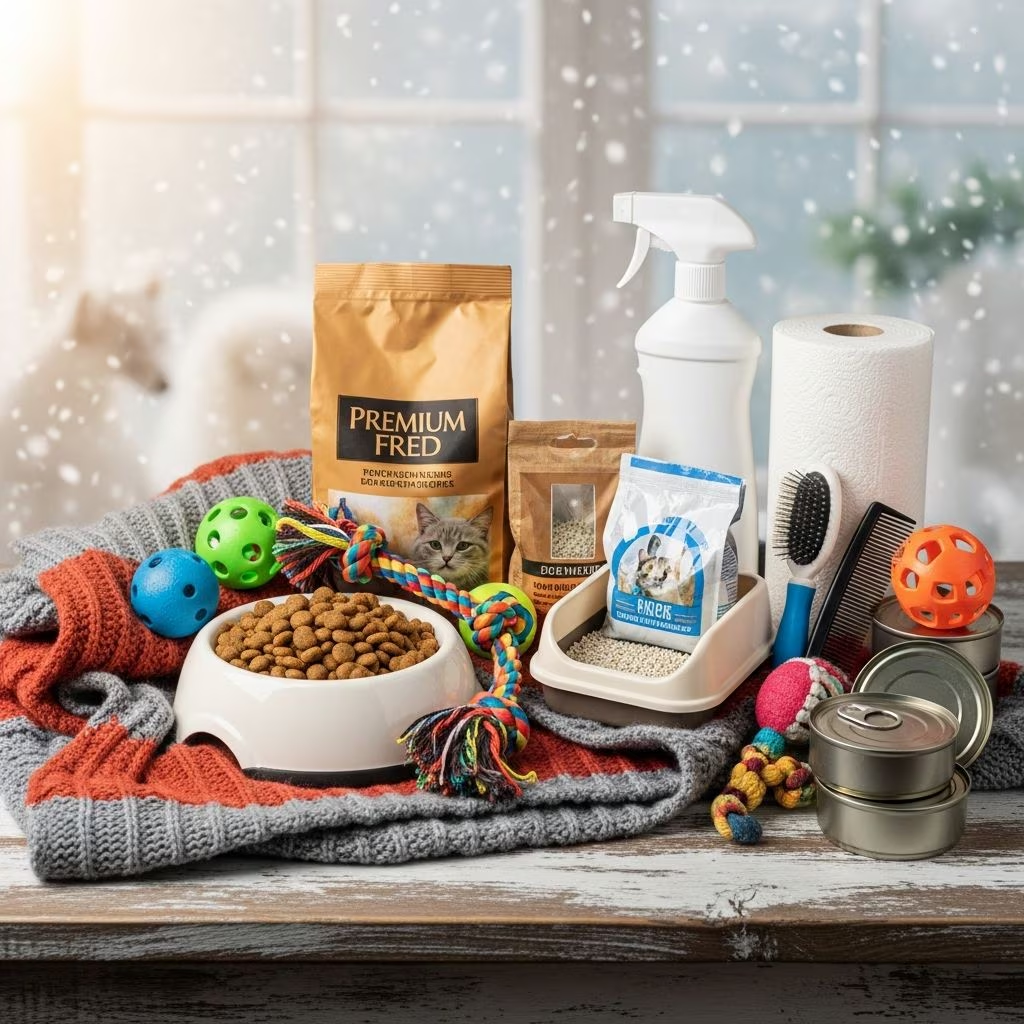
What to Donate to Help Pet Shelters This Winter
Winter months bring unique challenges for animal shelters and rescue organizations across the country. As temperatures drop and daylight hours diminish, shelters face increased demands for resources to keep animals warm, healthy, and comfortable. Whether you’re looking to make a meaningful contribution to your local shelter or simply want to understand how you can help vulnerable animals during the colder season, knowing what to donate is the first step toward making a real difference.
Pet shelters rely heavily on donations from compassionate community members like you. Unlike larger organizations with substantial budgets, many shelters operate on limited funds and depend on the generosity of donors to provide essential care. Winter donations are particularly critical because shelters must invest in additional supplies to maintain animal welfare during harsh weather conditions. From extra blankets and heated bedding to specialized winter gear and premium nutrition, the needs of shelter animals increase substantially during the winter months.
Understanding Winter Challenges for Shelter Animals
Shelters face distinct challenges during winter that don’t exist during other seasons. Cold temperatures can exacerbate health issues in animals, particularly senior pets, those with medical conditions, and animals with short coats or minimal body fat. Shelter staff must work harder to maintain appropriate temperatures in animal housing areas, which increases utility costs and requires additional resources.
Beyond temperature control, winter brings seasonal illnesses that spread more rapidly in shelter environments. Respiratory infections, gastrointestinal issues, and other cold-weather-related ailments require additional medical supplies and veterinary care. Shelters also face increased intake during winter months as people struggle to provide care for outdoor animals or abandon pets when economic pressures mount during the holiday season.
Essential Winter Supplies to Donate
Food and Nutrition
High-quality pet food remains one of the most critical donations any shelter can receive. Winter is when shelters need extra food supplies to maintain proper nutrition for all animals in their care. Consider donating:
- Premium dry dog food (large and small breed formulas)
- Premium dry cat food (various formulas for different age groups)
- Wet or canned food (easier for senior animals or those with dental issues)
- Specialized diets for animals with medical conditions or allergies
- High-calorie treats to help animals maintain body weight in cold weather
- Kitten and puppy formulas for young animals
When selecting food to donate, check with your local shelter first to learn their preferred brands and any specific dietary requirements for animals currently in their care. Some shelters have animals with allergies or sensitivities, and providing the right nutrition can significantly impact their health outcomes.
Bedding and Warmth
Winter bedding is essential for keeping shelter animals comfortable and warm. During cold months, shelters use significantly more bedding materials than they do in summer. Valuable bedding donations include:
- Blankets and comforters (new or gently used, washable)
- Fleece pads and cushions
- Heated beds or heating pads designed for pets
- Straw or hay for outdoor animal areas
- Towels for cleaning and comfort
- Dog and cat beds
Heated bedding is particularly valuable during winter months. Many shelters lack sufficient heated sleeping areas, and donated heating pads or heated pet beds can provide comfort to animals that would otherwise sleep on cold floors. Make sure any heating items you donate are pet-safe and designed specifically for animal use.
Medical and Health Supplies
Winter increases the prevalence of illness in shelter environments. Shelters need a steady supply of medical items to treat and prevent health issues:
- First aid supplies (bandages, antiseptic, gauze)
- Medications for common winter illnesses
- Vitamins and supplements to boost immunity
- Parasite prevention treatments
- Dental care products
- Cleaning and disinfection supplies
Medical donations are particularly valuable because they free up shelter budgets to focus on other critical needs. Veterinary care is one of the largest expenses for most shelters, so donations of medical supplies directly support the health and wellbeing of animals in care.
Enrichment and Toys
Long winter days can be challenging for shelter animals that spend extended time indoors. Enrichment items keep animals mentally stimulated and help reduce stress and behavioral issues:
- Durable chew toys and puzzle toys
- Interactive games and treat-dispensing toys
- Cat toys and climbing structures
- Balls and fetch toys
- Rope toys and tug toys
- Kong toys and long-lasting chews
Enrichment isn’t just about entertainment—it’s crucial for animal welfare. Animals that lack mental stimulation can develop behavioral problems that make adoption more difficult. Your donation of toys directly contributes to creating happier, healthier shelter animals.
Seasonal Winter Items to Consider
Winter Clothing and Protection
Many shelter animals, particularly small breeds and short-haired dogs, struggle in cold weather. Winter gear can make a significant difference:
- Dog coats and sweaters (various sizes)
- Dog boots and paw protection
- Reflective vests for visibility
- Ear warmers designed for pets
Facility Supplies
Shelters need supplies to maintain their facilities during winter:
- De-icer and salt alternatives for outdoor areas
- Heavy-duty cleaning supplies
- Paper products (paper towels, toilet paper, paper bedding)
- Laundry detergent for washing bedding and blankets
- Hand sanitizer and hygiene products for staff
How to Ensure Your Donations Make an Impact
Contact Your Local Shelter First
Before purchasing donations, reach out to your local shelter to ask about their specific needs. Different shelters serve different animal populations and have different requirements. A small cat rescue won’t have the same needs as a large multi-animal shelter. By asking first, you ensure your donation addresses actual needs rather than items that might go unused.
Check Item Condition and Safety
Shelters appreciate donations of gently used items, but they must be clean, safe, and free from damage. Inspect any used items before donating them. Items should be:
- Clean and free from stains or odors
- Free from holes, tears, or loose threads
- Non-toxic and pet-safe
- In working condition if they have mechanical components
Consider Monetary Donations
If you’re uncertain what specific items to donate, monetary gifts give shelters flexibility to purchase exactly what they need most. Many shelters can stretch your dollar further through established supplier relationships. Organizations like Chewy also offer convenient platforms where donors can directly purchase items from a shelter’s wish list, and the products are shipped directly to the facility.
Making Donations Easy: Wish List Platforms
Modern donation platforms have made supporting shelters simpler than ever. Several organizations now allow shelters to create wish lists of needed items, which donors can browse and purchase online. These platforms offer several advantages:
- Shelters receive items they actually need and have specifically requested
- Donors avoid the burden of delivering items in person
- Items are shipped directly to the shelter’s facility
- Shelters can prioritize items based on current needs
- The platform often provides free shipping to shelters
If your favorite local shelter doesn’t yet have a wish list established, encourage them to create one. Many shelters don’t realize these platforms exist or how easy they are to use.
Donation Schedule and Timing
Peak Winter Need Periods
Donations are appreciated year-round, but certain times during winter see higher demand:
- November and December: Holiday season increases stress on shelter budgets as adoption rates sometimes drop and animal intake increases
- January and February: Cold peaks in most regions; shelters face maximum heating costs and weather-related illness spikes
- Late February and March: Shelters prepare for spring when breeding season increases animal intakes
Beyond Material Donations
Volunteering Your Time
While material donations are valuable, shelters also desperately need volunteer support. Winter volunteers can:
- Help with animal care and feeding
- Assist with cleaning and maintenance
- Walk dogs and provide outdoor exercise
- Socialize animals and help them become adoption-ready
- Help with administrative tasks and data entry
Foster Animals
Fostering temporarily removes animals from crowded shelter conditions and provides them with comfortable home environments during winter. This frees shelter resources for other animals and gives foster animals essential socialization that makes them more adoptable.
Special Considerations for Different Animal Types
Dogs
Dog shelters particularly benefit from donations of:
- Heavy-duty, washable dog beds
- Winter coats for small or short-haired breeds
- High-protein food for active animals
- Durable chew toys that withstand heavy use
- Dog boots to protect paws from ice and salt
Cats
Cat shelters need:
- Litter and litter box supplies
- Heated cat beds or heating pads
- Interactive toys and climbing structures
- Quality cat food including specialty formulas
- Litter deodorizers and cleaning products
Small Animals and Exotics
Shelters caring for rabbits, guinea pigs, birds, and other animals need:
- Species-appropriate bedding
- Timothy hay and specialized food
- Heat lamps and temperature control equipment
- Enrichment items specific to each species
Frequently Asked Questions
Q: What’s the best time to donate to shelters?
A: While donations are needed year-round, winter months (November through March) present the greatest challenges for shelters. However, even small donations at any time help shelters maintain quality care for animals.
Q: Can I donate used items to shelters?
A: Yes, many shelters accept gently used items. However, items must be clean, in good condition, and free from damage or odors. Always contact your shelter first to ask about their policies on used items.
Q: How do I know what my local shelter needs?
A: Contact your shelter directly by phone or visit their website. Many shelters maintain current lists of needed items. Some have created wish lists on platforms like Chewy or Amazon, which makes browsing and purchasing specific items easy.
Q: Are monetary donations better than physical items?
A: Both are valuable. Monetary donations give shelters flexibility to purchase exactly what they need most, while physical donations directly provide items shelters have specified. Consider asking your shelter which form of donation would be most helpful at the moment.
Q: Can I donate expired pet food or medications?
A: No, shelters cannot use expired food or medications. Check expiration dates before donating any consumable products. Expired items can pose health risks to animals.
Q: What should I do if my shelter doesn’t have a wish list?
A: Encourage them to create one on platforms like Chewy. These wish lists make donating easier for supporters and help shelters receive specific items they need. You can even offer to help them set it up.
Q: How can I donate if I have limited funds?
A: Small donations matter. You can donate single items rather than large quantities, contribute inexpensive items like toys or treats, or volunteer your time instead. Every contribution helps shelter animals.
Q: Do shelters need donations during holidays?
A: Yes, absolutely. The holiday season is critical for shelters because many face increased intake and reduced adoption rates. Winter holidays are an excellent time to donate and help shelter animals.
References
- Donate Supplies to Your Local Shelter With Chewy’s Wish List — Chewy, Inc. 2025. https://www.chewy.com/education/dog/general/donate-with-chewy-wish-list
- Chewy Gives Back — Chewy, Inc. 2025. https://www.chewy.com/g/give-back
- Chewy Relaunches Campaign to Spread Holiday Cheer, Support Shelters — Pet Food Industry. 2024. https://www.petfoodindustry.com/pet-food-marketing-and-branding/news/15709367/chewy-relaunches-campaign-to-spread-holiday-cheer-support-shelters
- Shelter Pets Deserve Christmas Gifts, Too — Kinship. 2025. https://www.kinship.com/pet-lifestyle/gifts-animal-shelters-need



