

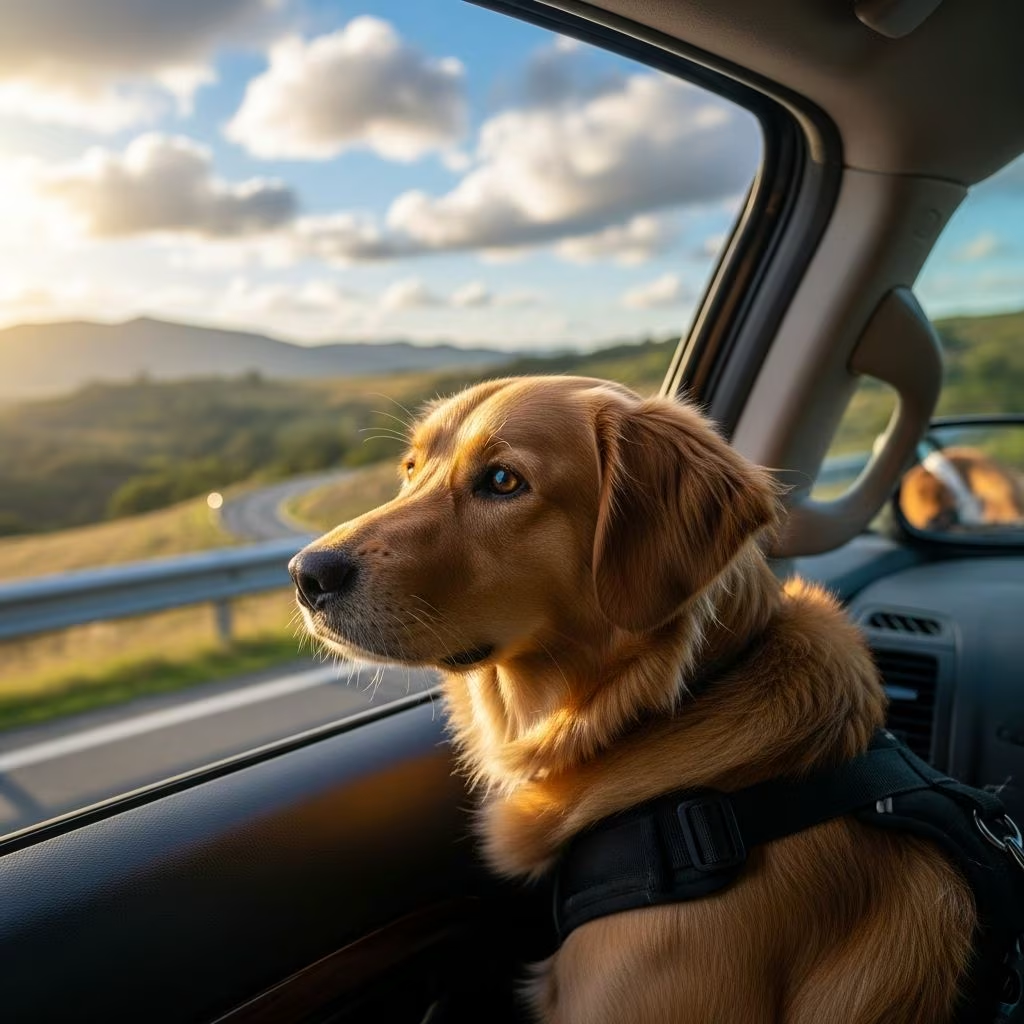
What to Do With Your Dog When Going on Holiday
Planning a holiday should be an exciting time, but for dog owners, it often comes with the challenge of deciding what to do with their beloved pets. Whether you’re heading abroad for a week-long adventure or taking a short break to visit family, ensuring your dog receives proper care while you’re away is essential for their well-being and your peace of mind. The good news is that there are several options available to suit different needs, budgets, and your dog’s temperament. This comprehensive guide will help you navigate the various choices and prepare your dog for their own holiday experience.
Understanding Your Dog Care Options
When it comes to leaving your dog while you’re on holiday, you have several viable options to consider. Each option has its own advantages and disadvantages, and the best choice will depend on your dog’s personality, your budget, and your specific circumstances.
Kennels and Boarding Facilities
Traditional kennels remain one of the most popular options for dog owners heading on holiday. These facilities provide a dedicated space where your dog can stay overnight, with staff attending to their basic needs including feeding, exercise, and bathroom breaks. Modern kennels have evolved significantly, with many now offering spacious accommodations, play areas, and socialisation opportunities with other dogs. This option is particularly suitable for dogs that are already accustomed to spending time away from home and can handle being in an unfamiliar environment.
Dog Daycare Centres
Dog daycare has become increasingly popular as an alternative to traditional kennels. These facilities typically operate during business hours and provide supervised play, exercise, and social interaction with other dogs. Some daycare centres also offer overnight boarding options, making them a comprehensive solution for holiday care. The interactive nature of daycare can be beneficial for social dogs that thrive on mental and physical stimulation. Staff members actively engage with the dogs throughout the day, which can reduce anxiety and keep your dog entertained.
Professional Pet Sitters
Hiring a professional pet sitter allows your dog to remain in the comfort of your home while you’re away. Sitters typically visit multiple times daily to provide feeding, exercise, and companionship. This option is ideal for dogs with separation anxiety, senior dogs, or those with specific medical needs. The familiar environment of home can significantly reduce stress for anxious dogs, and your dog maintains their regular routine with minimal disruption.
Friends and Family
Many dog owners opt to leave their pets with trusted friends or family members. This option can be cost-effective and provides your dog with familiar faces and potentially more personalised attention. However, it’s important to ensure that the person caring for your dog understands your dog’s specific needs, routines, and any behavioural quirks. Clear communication and written instructions are essential for this arrangement to work smoothly.
Selecting the Right Care Provider
Choosing the right care option is one of the most important decisions you’ll make when planning your holiday. Taking time to find a suitable facility or sitter can make all the difference in ensuring your dog has a positive experience while you’re away.
Getting Recommendations
Start by seeking recommendations from trusted sources. Your veterinarian, dog trainer, friends, and family members who own dogs can provide valuable insights based on their own experiences. Personal recommendations carry significant weight as they come from people who understand both your dog and the quality of care provided. Don’t hesitate to ask multiple people for their suggestions, as this will give you a well-rounded view of the available options in your area.
Visiting Potential Facilities
Before making a final decision, visit any kennels or daycare centres you’re considering. Make these visits without your dog initially, so the facility doesn’t create negative associations before your dog even stays there. Visit at different times of day to get a true sense of how the facility operates. Observe the cleanliness of the premises, the condition of the enclosures, and how staff interact with the dogs already in their care. A reputable facility will be transparent and happy to show you around.
Assessing Staff Expertise
Pay attention to how knowledgeable and caring the staff appear. Ask questions about their experience with different dog breeds and temperaments, their approach to handling anxious or aggressive dogs, and what qualifications or training they have. Staff members should be able to discuss your dog’s specific needs and demonstrate that they understand proper dog behaviour and care protocols. Good facilities will ask you detailed questions about your dog’s health, behaviour, diet, and exercise requirements.
Checking Communication Practices
Ask how the facility will keep you updated while you’re away. Many modern facilities provide regular photo updates via email or messaging apps like WhatsApp. Some provide detailed behaviour report cards at the end of the stay, documenting highlights, lowlights, and observations about your dog’s adjustment. Knowing that you can check in regularly and receive updates about your dog’s activities and well-being can significantly reduce your anxiety while on holiday.
Preparing Your Dog for Their Holiday Care
Proper preparation is crucial for ensuring your dog has a positive experience while in the care of others. Taking time to gradually acclimate your dog to the new environment and routine can prevent stress and behavioural issues.
Gradual Introduction to the Facility
If you’ve chosen a kennel or daycare facility, arrange short visits to introduce your dog to the environment and staff members in a positive way. Start with brief visits and gradually increase the duration. These initial visits should be calm, positive experiences with plenty of praise and rewards. Use positive, reward-based training during introductions, never forcing your dog into the situation. If your dog shows signs of anxiety, take a step back and progress more slowly.
Trial Stays
Before your actual holiday, arrange a trial day, overnight, or short week at the facility. This test run allows you to monitor how your dog adjusts and gives you the opportunity to make any necessary adjustments before your main trip. When collecting your dog after a trial stay, carefully observe their behaviour. Signs of stress such as hyperactivity, restlessness, or gastrointestinal issues might indicate that this facility isn’t the right fit, or that your dog needs more gradual preparation.
Socialisation and Training
Ensure your dog is well-socialised before attending kennels or daycare. They’ll be encountering multiple unfamiliar dogs and people, which can be overwhelming without proper socialisation. Expose your dog to various social situations, large groups of dogs playing, and different people in controlled settings. Work on obedience training, ensuring your dog responds reliably to basic commands such as sit, stay, come, and down. Make sure the facility staff are aware of the specific commands your dog knows, as this aids communication and helps your dog feel more secure.
Addressing Anxiety and Behavioural Issues
If your dog has anxiety or behavioural concerns, address these before the holiday period. Practise leaving your dog alone for short periods, using positive reinforcement to reward calm behaviour. Introduce your dog to crates if they’ll be used at the facility, making the crate a positive, comfortable space with treats and praise. Familiarise your dog with being touched around sensitive areas such as the neck and harness area, so staff can safely handle them without causing anxiety or resistance.
Toilet Training and Car Comfort
Ensure your dog is reliably toilet trained before their stay. This reduces stress for both your dog and the facility staff. Additionally, accustom your dog to car or van rides, as transport to the facility is often necessary. Take short drives together, gradually building up to longer journeys, always using positive reinforcement and creating a calm travel experience.
What to Pack for Your Dog’s Holiday
Preparing the right items for your dog’s stay can significantly enhance their comfort and help them settle more quickly into their temporary home. Just as you pack thoughtfully for your own holiday, your dog deserves the same consideration.
Essential Items Checklist
- Medications with clear, written instructions for administration
- Food (bring the same brand and type your dog normally eats to avoid digestive upset)
- Properly fitting collar and secure ID tag
- Vaccination records if required by the facility
- Something that smells of home, such as a blanket or piece of your worn clothing
- Comfort toys your dog is attached to
- Any special dietary supplements or treats
- Details of your dog’s routine, including feeding times and exercise preferences
Comfort Items
Items that smell of home can be incredibly soothing for anxious dogs. A blanket you’ve slept on or a toy that carries familiar scents can help your dog feel more secure in their temporary environment. Familiar toys also provide comfort and entertainment, helping your dog feel less homesick. Ensure all items are clean and safe, with no choking hazards or items that could cause digestive issues if chewed.
Documentation and Instructions
Provide comprehensive written instructions covering your dog’s feeding schedule, portion sizes, any dietary restrictions or allergies, exercise routine, behavioural quirks, and any commands they respond to. Include your contact information, your veterinarian’s details, and an emergency contact person. The more information you provide, the better equipped the facility will be to care for your dog in a way that maintains their regular routine.
Managing Your Dog’s Behaviour During the Holiday
Understanding how your dog responds to being away from home and monitoring their behaviour during their stay is important for ensuring their well-being.
Signs of Stress
Be aware of common stress indicators in dogs, including excessive licking, yawning, sweaty paws, panting when it’s not hot, decreased appetite, or changes in bathroom habits. Upon collection after their stay, observe whether your dog seems overly hyperactive, restless, or shows any gastrointestinal issues. These signs might indicate that your dog is not comfortable with the current arrangement and may need a different care option or more preparation time.
Regular Check-ins
Take advantage of the facility’s update system to monitor your dog’s daily activities and behaviour. Request regular picture or video updates, and review the behaviour report cards provided at the end of the stay. These updates help you track your dog’s adjustment and provide valuable insights into how they’re coping. If you notice concerning patterns, discuss these with the facility staff to identify potential solutions.
Frequently Asked Questions
Q: How can I find a trustworthy kennel or daycare facility?
A: Ask for recommendations from your vet, dog trainer, friends, and family. Visit potential facilities without your dog, observe the cleanliness and staff interactions, ask about their experience and qualifications, and check their social media pages and reviews. A good facility will be transparent and willing to answer all your questions.
Q: How long should I prepare my dog before their first stay?
A: Begin preparation several weeks before your holiday. Start with short visits to the facility, arrange trial stays, and work on socialisation and training. The timeline depends on your dog’s temperament; anxious dogs may need more time than confident, well-socialised dogs.
Q: What should I do if my dog shows signs of separation anxiety?
A: Practise leaving your dog alone for gradually increasing periods, use positive reinforcement for calm behaviour, and consider consulting a dog trainer or behaviourist. Ensure comfort items are packed, and choose a care option that provides regular attention and engagement, such as daycare or a pet sitter.
Q: Is it better to use kennels or hire a pet sitter?
A: Both options have merits. Kennels provide socialisation and professional care, making them suitable for social dogs. Pet sitters keep your dog in the familiar home environment, which is better for anxious dogs or those with medical needs. Choose based on your dog’s temperament, your budget, and your specific circumstances.
Q: How much should I expect to pay for holiday dog care?
A: Costs vary widely depending on location, facility quality, and services provided. Kennels and daycare typically range from affordable to moderately priced, while professional pet sitters may charge per visit. Always get quotes from multiple providers and remember that the cheapest option isn’t always the best for your dog’s welfare.
Q: Can I leave my dog with a friend or family member?
A: Yes, if the person is reliable, understands your dog’s needs, and is willing to follow your care instructions closely. Provide detailed written guidance about feeding, exercise, medications, and emergency procedures. This option works well if the person has experience with dogs and your dog is comfortable with them.
Q: What documents should I provide to the care provider?
A: Provide vaccination records, medication instructions, feeding guidelines, emergency contact information, your vet’s details, and a list of your dog’s commands and behavioural quirks. Include any information about allergies, dietary restrictions, or health conditions that the provider needs to know.
References
- How to Prepare Your Dog for Daycare When You Go on Holiday — Kinship. 2024. https://www.kinship.com/uk/dog-behaviour/how-to-prepare-your-dog-for-daycare-kennels
- 5 Ways to Keep Your Dog Happy (and Safe) During the Holidays — Kinship. 2024. https://www.kinship.com/dog-lifestyle/keeping-dog-safe-during-the-holidays
- Kinship Survey Reveals What People Are Doing With Their Pets — Kinship. 2024. https://www.kinship.com/news/holiday-hosting-pets-survey



