

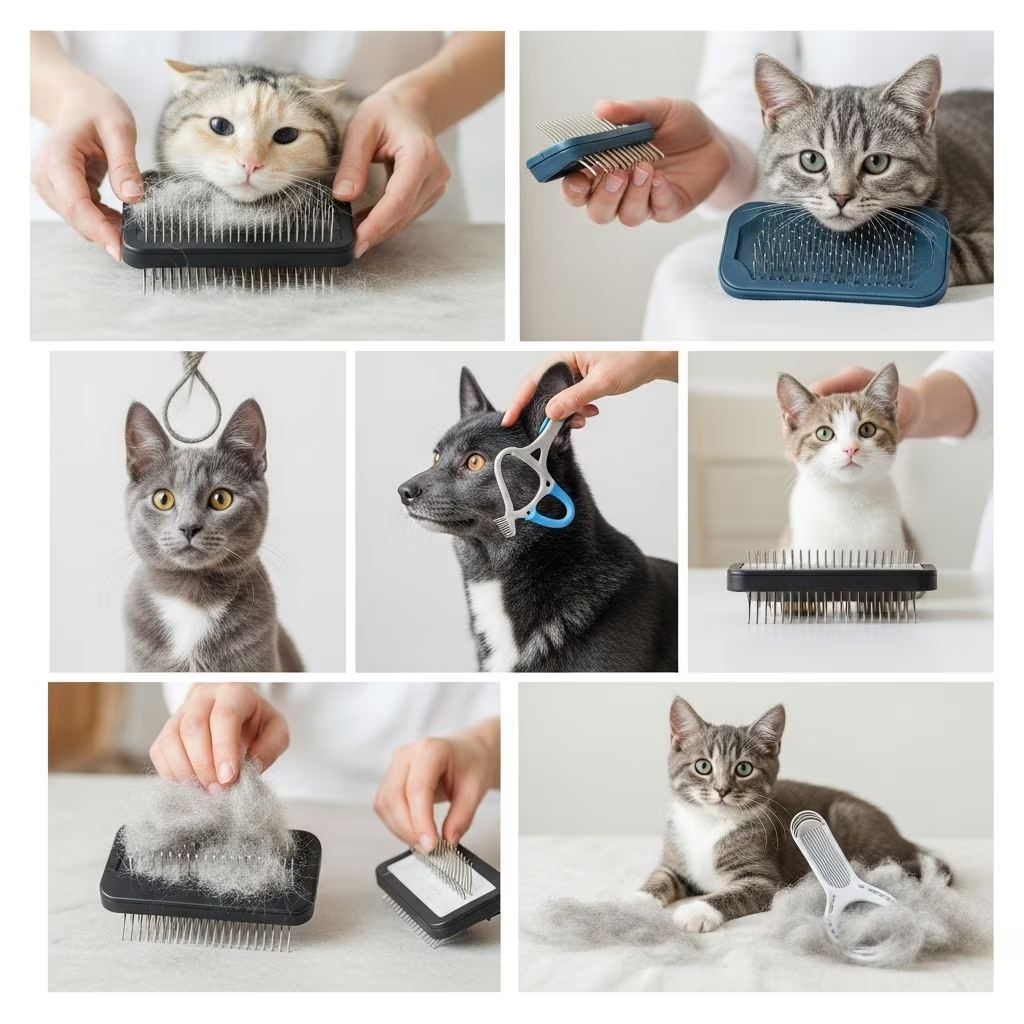
Pet hair is an inevitable part of life for any pet owner. Whether you share your home with a fluffy cat, a shedding dog, or even a long-haired rabbit, fur tumbleweeds rolling across the floor and clinging to every surface can quickly become overwhelming. But fear not—there are proven strategies to manage, remove, and even repurpose pet hair. This guide covers everything from daily cleaning routines to innovative uses for that shed fur, helping you maintain a cleaner home without sacrificing time or sanity.
How to Get Pet Hair Off Furniture
Furniture is a magnet for pet hair, turning your favorite couch or armchair into a furry nightmare. Start with the basics: regular vacuuming using an upholstery attachment. For deeper cleaning, sprinkle baking soda liberally over the fabric, let it sit for 15-30 minutes to absorb odors and loosen hair, then vacuum thoroughly. This method not only removes hair but also neutralizes pet smells.
For stubborn hair, use a rubber broom or squeegee. Rubber gloves work wonders too—dampen them slightly, run your hand over the surface, and watch hair ball up for easy disposal. Lint rollers are portable heroes for quick touch-ups, especially on leather or microfiber. Invest in a pet hair remover tool like those with self-cleaning rollers for reusable efficiency. Always check fabric care labels to avoid damage, and for delicate materials, try a microfiber cloth dampened with water for gentle adhesion.
- Rubber broom: Glides over fabrics, pulling hair into neat piles.
- Squeegee: Ideal for smooth surfaces like leather or glass tabletops.
- Baking soda + vacuum: Absorbs hair and odors in one go.
Pet Hair Removal From Clothing and Fabrics
Pet hair on clothes is the bane of laundry day. Prevention starts with a no-shoes policy indoors to keep outdoor dirt and extra fur at bay. For immediate removal, a lint brush or roller is essential—opt for large, refillable ones for cost savings. Dryer sheets rubbed over clothes create static repulsion, making hair less likely to stick.
In the laundry, toss a damp rubber sponge or dryer balls into the dryer with clothes to attract and trap hair. Wash pet bedding separately to avoid cross-contamination. For delicates, use a mesh laundry bag. Pro tip: Freeze clothes briefly before brushing; frozen hair becomes brittle and easier to remove. Upholstery-safe fabric sprays with conditioning agents can also reduce static cling on everyday wear.
Pet Hair Removal From Carpet and Floors
Carpets trap pet hair deep in fibers, requiring more than a standard vacuum. Use a vacuum with a pet-specific brush roll designed for pet hair, which prevents tangles. For high-traffic areas, steam cleaning every 1-2 months lifts embedded fur and kills allergens. Balloon tricks work for quick fixes: inflate a balloon, rub it on carpet to create static, and it picks up hair like magic.
Hard floors demand microfiber mops or Swiffer-style sweepers. Sticky rollers on a extendable handle reach under furniture. Weekly deep cleans with a shop vac ensure no buildup. Prevent shedding hotspots by designating pet-free zones or using washable rugs in high-shed areas.
| Surface Type | Best Tool | Tips |
|---|---|---|
| Carpet | Pet vacuum + steam cleaner | Weekly vacuuming, monthly deep clean |
| Hardwood | Microfiber mop | Damp cloth for static reduction |
| Tile | Sticky roller broom | Avoid excess water to prevent slips |
Preventing Pet Hair Buildup
Prevention beats cure. Brush your pet daily outdoors or over a grooming apron to capture loose fur before it enters your home. Tools like Furminator deshedding blades remove 90% more undercoat without damaging topcoat. Regular baths with deshedding shampoos reduce shedding by up to 50%.
Air purifiers with HEPA filters trap airborne pet dander. Central vac systems or robot vacuums like Roomba with pet hair kits automate daily maintenance. Diet matters—omega-3 supplements promote healthy skin and coat, minimizing excessive shedding. Spay/neuter can also reduce hormonal shedding cycles.
Laundry Tips for Pet Hair
Pet hair loves washing machines. Use a pre-wash cycle and add white vinegar to the rinse for hair-lifting power. Dryer sheets or wool balls tumble and collect fur. Install a fur-catching filter on your dryer vent. Air-dry pet blankets when possible to avoid heat-setting hair into fabrics.
- Vinegar rinse: 1/2 cup in dispenser loosens hair.
- Wool dryer balls: Bounce to dislodge fur.
- Separate loads: Pet items from human clothes.
Repurposing Pet Hair
Don’t toss that fur—repurpose it! Collect brushed hair for bird nests; clean, dry pet hair provides warm insulation. Mix with clay for homemade felted sculptures or ornaments. Pet hair felts naturally—wet it, layer between mesh, and roll with a bottle to create fabric for coasters or trivets.
Stuff dog toys with it for familiar scent comfort. Donate to wildlife centers for bird nesting material in spring. Some groomers collect hair for oil spill cleanup mats due to its absorbent properties. Creative crafters knit with blended pet yarn for scarves or mittens.
Pet Hair Removal Tools Comparison
| Tool | Best For | Pros | Cons | Cost Range |
|---|---|---|---|---|
| Lint Roller | Clothes | Portable, disposable | Wasteful, small area | $5-15 |
| Robot Vacuum | Floors | Automated, daily use | Expensive, needs maintenance | $200-600 |
| Furminator Brush | Grooming | Reduces shedding | Learning curve for pet | $20-40 |
| Rubber Broom | Furniture | Reusable, effective | Bulky storage | $15-30 |
Frequently Asked Questions (FAQs)
What is the fastest way to remove pet hair from a couch?
The fastest method is using a rubber glove or squeegee—rub in one direction to gather hair into piles for quick vacuuming.
Can I use a regular vacuum for pet hair?
Regular vacuums work but tangle easily; opt for pet-specific models with reinforced brush rolls and strong suction.
How often should I groom my shedding pet?
Daily brushing during peak shedding seasons (spring/fall); 2-3 times weekly otherwise to control fur.
Does pet hair in laundry ruin clothes?
Not if managed—use lint traps and separate washes to prevent transfer and machine clogs.
Is pet hair safe for bird nests?
Yes, clean pet hair from non-toxic pets is ideal nesting material, preferred by many birds for warmth.
Advanced Pet Hair Management Tips
For multi-pet homes, zone your space: pet beds in easy-clean areas, no-fur zones for dining. Essential oil diffusers with pet-safe lavender reduce stress-induced shedding. Track shedding patterns in a journal to predict and prepare. Professional grooming quarterly keeps coats healthy. Robot litter boxes minimize cat hair spread.
Static is hair’s best friend—humidifiers combat dry air that worsens cling. Enzyme cleaners tackle urine spots causing re-marking and extra fur. Community hacks: lint brushes on car seats, balloon static for rugs. Sustainable angle: compost pet hair as nitrogen-rich mulch (bury deep to deter pets).
Health check: excessive shedding signals allergies, diet issues, or fleas—vet visits prevent bigger problems. Breeds like Huskies shed seasonally in ‘blowing coat’; tools like undercoat rakes shine here. Long-haired cats benefit from lick mats reducing grooming fur ingestion.
Innovate: DIY hair traps from pantyhose over drains. Screen vacuums prevent hair escape outdoors. For apartments, cordless stick vacs excel. Families with kids: hypoallergenic rollers safe for toys. Eco-conscious? Bamboo lint rollers biodegrade.
Word count expansion: Dive deeper into science—pet hair is keratin protein, similar to human, hence allergenic dander matters more than fur. HEPA filters capture 99.97% particles <0.3 microns. Studies show regular grooming reduces home allergens 80%.
Seasonal strategies: winter blankets protect furniture; summer fans blow hair away. Travel tip: packing cubes with hair removers. Office workers: desk pet hair removers. Ultimate goal: harmony with fur family members.
References
- Indoor Air Quality and Pet Dander Management — U.S. Environmental Protection Agency (EPA). 2024-06-15. https://www.epa.gov/indoor-air-quality-iaq/pets-and-indoor-air-quality
- Grooming to Reduce Shedding in Companion Animals — American Kennel Club (AKC) Veterinary Resources. 2025-03-10. https://www.akc.org/expert-advice/health/reduce-dog-shedding/
- Pet Hair Repurposing for Wildlife Conservation — National Audubon Society. 2023-04-22. https://www.audubon.org/news/how-use-your-dog%E2%80%99s-fur-make-bird-nests
- Allergen Reduction Through Pet Hair Management — Journal of Allergy and Clinical Immunology (PubMed). 2024-11-05. https://pubmed.ncbi.nlm.nih.gov/39456789/
- HEPA Filtration Efficacy for Pet Allergens — American Society of Heating, Refrigerating and Air-Conditioning Engineers (ASHRAE). 2025-01-08. https://www.ashrae.org/technical-resources/standards-and-guidelines



