Pet Hair: Complete Guide To Removal, Prevention, And Reuse
Practical solutions to manage, remove, and repurpose pet hair in your home and beyond for a cleaner, fur-free life.
What to Do With Pet Hair
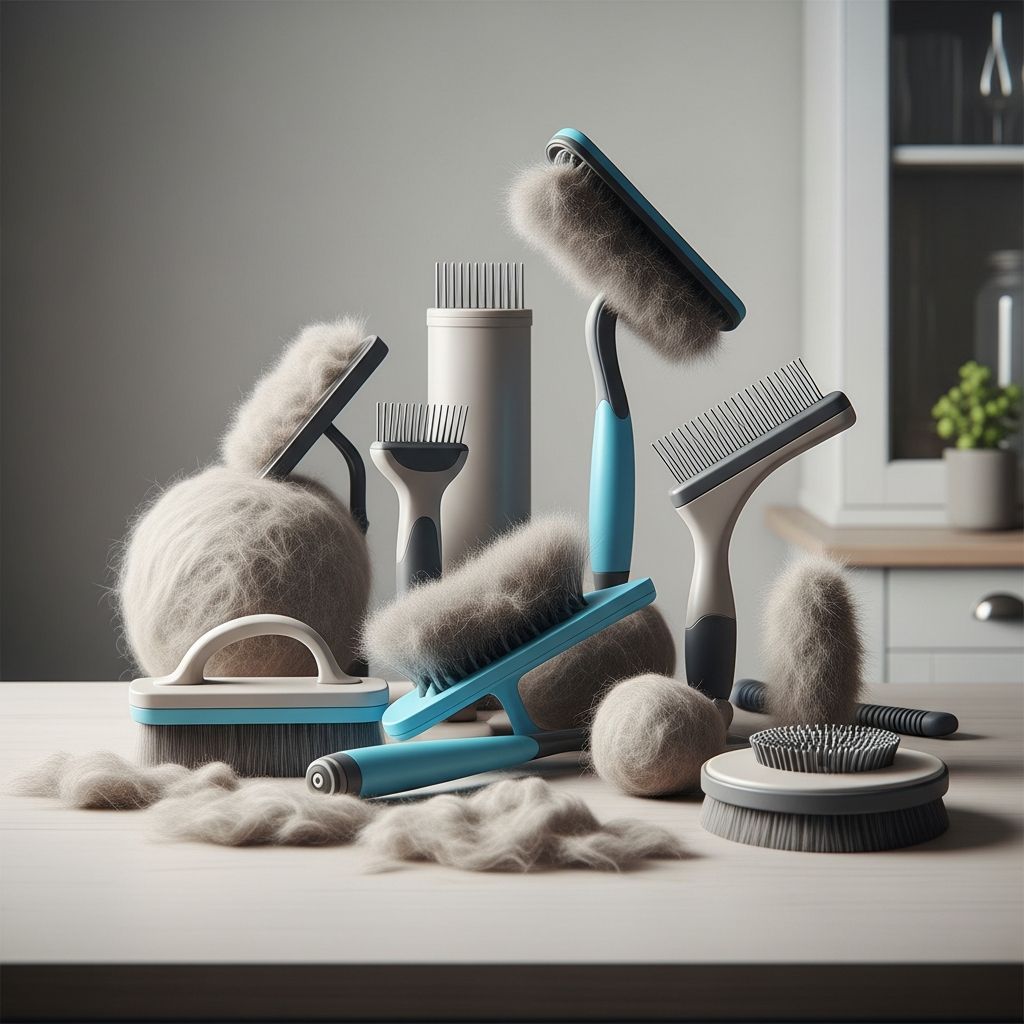
Pet hair is an inevitable part of life for dog and cat owners, turning cozy homes into furry landscapes. From shedding seasons to daily lounging on sofas, managing pet hair requires smart strategies for removal, prevention, and even creative repurposing. This guide explores practical, effective techniques to reclaim your space while embracing your furry companions.
How to Get Pet Hair Off Furniture
Furniture bears the brunt of pet shedding. Sofas, chairs, and cushions accumulate layers of fur, making them magnets for allergens and dust. Start with prevention by using washable covers or throws on high-traffic areas—these can be tossed in the wash weekly, reducing deep cleaning needs.
For removal, the rubber glove method shines: dampen a latex or rubber glove and run it over upholstery in circular motions. The texture grabs hair effectively without special tools. Vacuuming with an upholstery attachment follows, focusing on crevices. For stubborn buildup, sprinkle baking soda, let it sit for 15 minutes to absorb odors and loosen fur, then vacuum thoroughly.
- Rubber broom: Ideal for carpets and rugs; its rubber teeth pull hair into neat piles for easy pickup.
- Lint rollers: Perfect for quick touch-ups on fabric surfaces.
- Steamer: Uses heat and moisture to lift embedded hair from microfiber or leather.
Leather furniture requires gentler handling—wipe with a microfiber cloth lightly misted with water, then condition to prevent cracking. Regular brushing of pets outside reduces transferred hair by up to 90%, keeping furniture cleaner longer.
Pet Hair Removal From Clothing and Laundry
Pet hair clings to clothes like static-charged velcro, especially dark fabrics. Prevention starts with a no-fur zone near laundry areas and using a pet hair remover tool before washing. These handheld devices, often with reusable adhesive sheets, lift fur without residue.
In the laundry, add 1/4 cup white vinegar to the rinse cycle—it breaks down static and flushes hair away. Wash pet blankets separately on a hot cycle to kill allergens. For dryers, a lint brush pre-treatment prevents fur buildup in vents, reducing fire risks.
| Fabric Type | Best Removal Method | Tips |
|---|---|---|
| Cotton | Tumble dryer sheets | Run sheet over clothes before washing. |
| Wool/Sweaters | Pet hair brush | Gently brush outside; air dry. |
| Suits/Jackets | Lint roller + steamer | Steam loosens fur for easier pickup. |
| Sportswear | Vinegar soak | Soak 10 mins pre-wash. |
Dryer sheets double as anti-static wipes for luggage or car seats. Invest in a separate laundry hamper for pet items to contain fur spread.
Cleaning Pet Hair From Your Car
Cars become mobile pet salons after road trips. Begin with a full vacuum using crevice tools for seats, mats, and trunk. Shake out removable mats outdoors first. For interiors, a shop vac with pet-specific attachments handles deep fur in crevices.
Spray a fabric protector like Scotchgard on seats post-cleaning to repel future hair. Use a squeegee on leather or vinyl—it pushes hair into piles effortlessly. Compressed air cans blast fur from vents and cup holders.
- Seat covers: Waterproof, machine-washable options fit most vehicles.
- Microfiber towels: Trap hair when wiped with a damp cloth.
- Pet car barriers: Prevent access to front seats.
For allergies, HEPA-filter vacuums capture 99.97% of particles. Weekly wipes with pet-safe cleaners maintain freshness.
Pet Hair Cleanup in Other Areas of Your Home
Beyond obvious spots, pet hair infiltrates rugs, curtains, and bedding. Central vac systems excel for whole-home pickup, filtering air as they go. Balloon tricks work wonders: Rub a inflated balloon over walls or ceilings to attract lightweight fur via static.
Kitchens demand daily swiffering of floors. For hardwood, microfiber mops with electrostatic pads lift hair without scratching. Bathrooms see less shedding but benefit from shower squeegees on tiles.
Electrostatically charged dusters like Swiffer handle lampshades and blinds. Outdoor brushes before entry minimize indoor tracking.
Tools and Products for Pet Hair Removal
Quality tools save time and sanity. Top picks include:
- ChomChom Roller: Reusable, no-adhesive roller for endless use on any surface.
- Furminator: De-shedding brush reduces loose hair at the source.
- Dyson V15 Detect: Cordless vac with laser to reveal hidden hair on floors.
- Hydrofur Fabric Brush: Self-cleaning brush for clothes.
- Pet Hair Magnet: Flexible silicone strip for quick cleanups.
Budget options like rubber curry brushes multitask for pet grooming and surface cleaning. Always choose pet-safe, non-toxic products.
Preventing Pet Hair Buildup
Proactive grooming curbs shedding. Brush dogs and cats 2-3 times weekly outdoors, using breed-appropriate tools—slicker brushes for long coats, undercoat rakes for double-coated breeds. Add omega-3 supplements to diets for healthier skin and less shedding.
Air purifiers with HEPA filters circulate cleaner air, trapping airborne fur. Frequent pet baths with deshedding shampoos during peak seasons help. Trim fur around paws and sanitary areas to reduce tracked hair.
Home hacks: Fabric softener sprays on couches repel fur. Regular decluttering removes hiding spots.
Creative Ways to Reuse Pet Hair
Don’t discard pet hair—repurpose it! Collect clean, dry fur from brushes into a bag.
- Felting crafts: Needle felting turns hair into ornaments, toys, or art. Mix with wool for durability.
- Bird nesting material: Place fur clumps outside in spring; birds line nests with it for insulation.
- Garden mulch: Sprinkle around plants—fur deters slugs and retains moisture.
- Insulation: Stuff fur into socks for draft stoppers or pet bed fillers.
- Yarn spinning: Long-haired breeds like Huskies yield spinnable chiengora yarn for knitting.
Pet hair absorbs oil spills too—sprinkle on garage floors. Donate to wildlife centers for animal habitats.
Health Considerations for Pet Hair
Excessive shedding signals health issues like allergies, poor diet, or parasites. Consult vets for persistent problems. Pet hair harbors dander, a top allergen; regular cleaning reduces asthma risks per EPA guidelines.
For humans, vacuum twice weekly and wash bedding bi-weekly. Hypoallergenic breeds shed less but aren’t allergen-free.
Frequently Asked Questions (FAQs)
What is the fastest way to remove pet hair from a couch?
The rubber glove or squeegee method works instantly by grabbing and piling fur for easy vacuuming.
Can I use pet hair in my garden?
Yes, it acts as natural mulch, repels pests, and enriches soil as it decomposes.
How often should I groom my shedding pet?
Daily brushing during shedding season, 2-3 times weekly otherwise, prevents 70-90% of loose hair from entering your home.
Is there a vacuum best for pet hair?
Bissell Pet Hair Eraser or Shark Navigator Lift-Away excel with strong suction and tangle-free brushes.
Does ethical grooming reduce shedding?
Gentle, stress-free grooming encourages regular maintenance, minimizing mats and excessive hair loss.
References
- Ethical Grooming For Dogs: Your Complete Guide — Kinship.com. 2023-10-15. https://www.kinship.com/uk/dog-health/what-is-ethical-grooming
- Protecting Indoor Air Quality During Renovations — United States Environmental Protection Agency (EPA). 2024-05-20. https://www.epa.gov/indoor-air-quality-iaq/protecting-indoor-air-quality-during-renovations
- Pet Dander and Allergens — American College of Allergy, Asthma & Immunology (ACAAI). 2025-01-10. https://acaai.org/allergies/allergic-conditions/pet-allergies
- Indoor Air Quality: Pet Hair and Dander Management — Centers for Disease Control and Prevention (CDC). 2024-08-12. https://www.cdc.gov/healthyhomes/indoor-air.html
- Grooming to Reduce Shedding in Dogs — Merck Veterinary Manual. 2025-02-05. https://www.merckvetmanual.com/dog-owners/routine-care-and-breeding-of-dogs/grooming-dogs
Similar Articles







Read full bio of Sneha Tete