

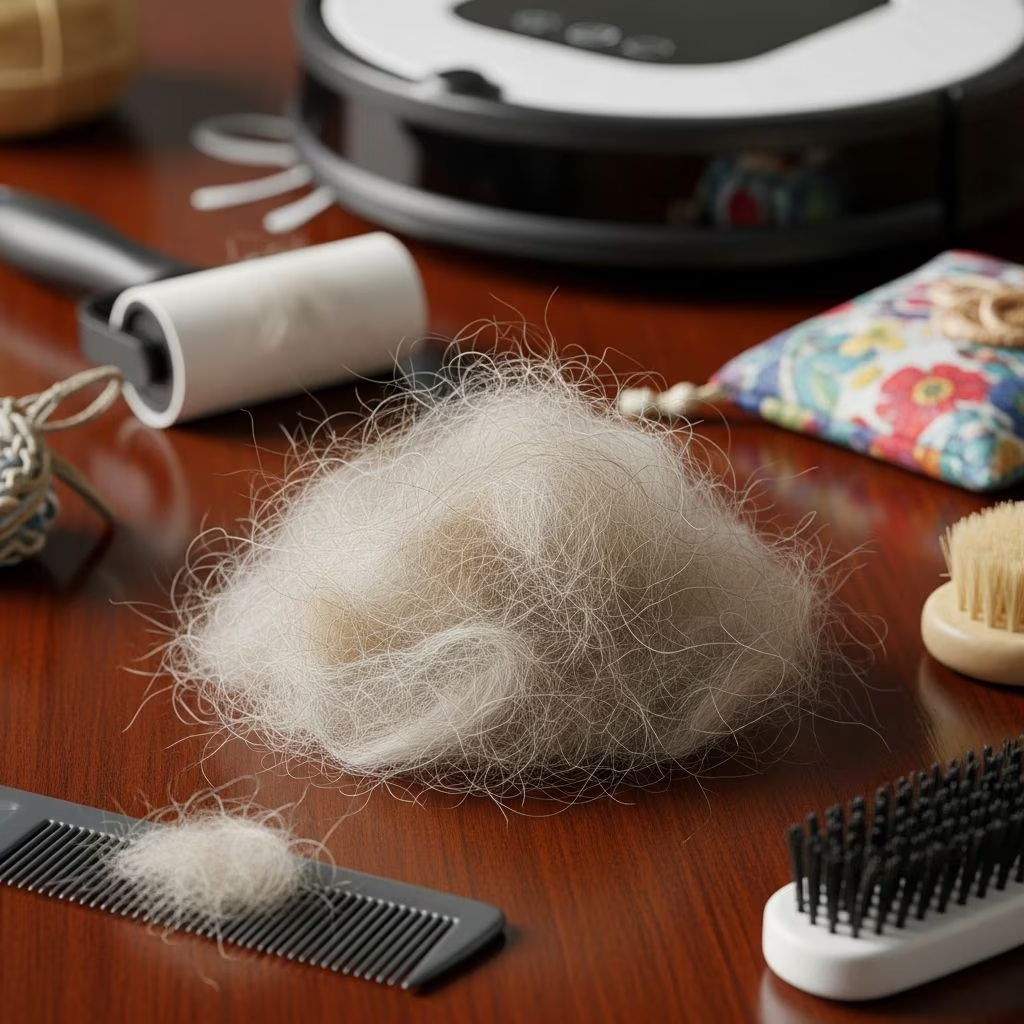
Pet hair is an inevitable part of life for dog and cat owners. Whether it’s a fluffy Siberian Husky or a long-haired Persian cat, shedding leaves fur on furniture, clothes, floors, and everywhere in between. Managing pet hair effectively requires the right tools, cleaning strategies, grooming routines, and even creative repurposing ideas. This comprehensive guide explores practical solutions to keep your home clean, reduce shedding, and turn pet hair into something useful.
How to Remove Pet Hair from Furniture and Fabrics
Pet hair clings to sofas, chairs, and bedding like static electricity on steroids. Start with the basics: use a lint roller for quick touch-ups on clothes and upholstery. For larger surfaces, rubber gloves work wonders—wet them slightly, then wipe across fabric to gather hair into clumps that you can easily dispose of.
Vacuuming is essential, but choose pet-specific attachments like upholstery tools with beater bars. Microfiber cloths dampened with water also lift hair effectively without chemicals. For stubborn hair on leather furniture, use a dryer sheet or a damp sponge to collect fur effortlessly.
- Lint rollers and tape: Ideal for clothes and small areas; disposable rolls are convenient for travel.
- Rubber broom or squeegee: Glides over carpets and hard floors, pulling hair into piles.
- Pet hair removers: Reusable tools like ChomChom Roller trap hair in a chamber for easy emptying.
Pro tip: Prevent buildup by covering furniture with washable throws or pet blankets, which you can shake out or launder weekly.
Best Tools and Products for Pet Hair Removal
Investing in quality tools saves time and frustration. Here are top recommendations based on effectiveness:
| Tool/Product | Best For | Why It Works |
|---|---|---|
| Furminator Deshedding Tool | Grooming and furniture | Removes 90% undercoat without cutting guard hairs. |
| Dyson V15 Detect Vacuum | Floors and upholstery | Laser detects hidden hair; powerful suction for deep clean. |
| Baseus Pet Hair Remover | Cars and fabrics | Self-cleaning roller with reusable adhesive. |
| OXO Good Grips Furless Brush | Carpets and rugs | Flexible rubber nubs attract hair like a magnet. |
Laundry plays a big role too. Wash pet bedding in hot water with vinegar to break down hair bonds. Dryer sheets or wool balls reduce static and hair cling during tumble drying.
Cleaning Pet Hair from Floors and Carpets
Floors accumulate the most hair, especially in high-traffic areas. Daily sweeping with a rubber broom gathers loose fur before it embeds. For carpets, steam cleaning penetrates deep to remove allergens and dander alongside hair.
Hardwood and tile floors benefit from microfiber mops sprayed with a pet-safe solution. Avoid excessive water to prevent warping. Robotic vacuums like Roomba with pet hair filters automate the process, running scheduled cleanings while you’re away.
- Regular vacuuming: Twice daily in shedding season.
- Enzymatic cleaners: Break down pet dander for allergy relief.
- HEPA filters: Trap microscopic particles in vacuums and air purifiers.
For multi-pet homes, designate “pet zones” with washable rugs to contain shedding.
Grooming Tips to Reduce Pet Shedding
Prevention is key. Regular grooming minimizes loose hair. Brush short-haired dogs daily with a slicker brush; long-haired breeds need undercoat rakes. Bathing every 4-6 weeks with oatmeal shampoos soothes skin and loosens dead fur.
Diet impacts shedding—omega-3 supplements from fish oil promote healthy coats. Ensure pets drink plenty of water for skin hydration. During peak shedding seasons (spring and fall), increase brushing to 3-5 times weekly.
Professional grooming every 6-8 weeks maintains coat health. Ethical grooming prioritizes pet comfort, using force-free methods to reduce stress, as emphasized by experts who advocate working at the dog’s pace with treats and positive reinforcement.
Health Reasons Behind Excessive Pet Shedding
Normal shedding cycles vary by breed—Huskies blow coat twice yearly, while Poodles shed minimally. Excessive shedding signals issues like allergies, poor nutrition, parasites, or thyroid problems. Consult a vet if shedding increases suddenly or includes bald patches.
Allergies to food or environment cause itchy skin and more fallout. Fleas and mites irritate, prompting over-grooming. Balanced diets with biotin and zinc support coat integrity.
Creative Ways to Upcycle and Repurpose Pet Hair
Don’t toss that fur—repurpose it! Collect brushed hair in a lint bag during grooming.
- Felted crafts: Wet-felt pet hair into ornaments, barrettes, or stuffed toys. Mix with wool for durability.
- Yarn spinning: Long-haired breeds like Collies produce spinnable fur for knitting scarves or hats.
- Garden mulch: Pet hair repels slugs and insulates plant roots as organic fertilizer.
- Bird nesters: Stuff hair into mesh bags for wild birds to line nests—soft and insulating.
- Stuffing: Pad dog toys or pincushions with clean, dry fur.
Communities like PetHairYarn on social media share patterns and tips. Always wash hair thoroughly for crafts touching skin.
Pet Hair in Laundry: Prevention and Cleaning Hacks
Pet hair turns laundry into a nightmare. Shake clothes outside before loading. Use mesh laundry bags for blankets. Add 1/2 cup white vinegar to the rinse cycle—it dissolves hair residue.
In the dryer, tennis balls or dryer balls bounce hair away from fabrics. Clean lint traps religiously. For heavy shedding, wash pet items separately.
Pet Hair Removal from Cars and Clothing
Cars trap hair in seats and crevices. Vacuum with crevice tools, then wipe with damp rubber gloves. Seat covers protect upholstery.
For clothing, carry a travel lint roller. Pre-treat with a fabric shaver for knits. Anti-static spray prevents re-adherence.
Maintaining a Low-Shed Home Environment
Air purifiers with HEPA filters capture airborne dander. Washable floors and leather furniture resist hair better than carpet. Regular whole-home deep cleans keep allergens low.
Train pets to designated areas. Invest in pet gates for off-limits zones during heavy sheds.
Frequently Asked Questions (FAQs)
What causes excessive pet shedding?
Seasonal changes, diet deficiencies, allergies, stress, or medical issues like hypothyroidism. Vet check recommended for sudden increases.
Is there a truly hairless pet?
No pet is completely hairless; low-shed breeds like Poodles or Sphynx cats produce less visible fur.
How often should I groom my pet to control shedding?
Daily brushing for heavy shedders; weekly for others. Adjust based on breed and season.
Can I make money from my pet’s hair?
Rarely, but artisanal yarn from specific breeds sells in niche markets. Most upcycling is for personal use.
Are there natural remedies to reduce shedding?
Omega fatty acids, coconut oil topicals, and herbal shampoos help, but consult a vet first.
Ethical Considerations in Pet Grooming
Modern pet parenting emphasizes welfare. Ethical grooming avoids restraints, focusing on positive reinforcement and reading body language to prevent stress. This approach, detailed by groomers like Jenni from Black Collie Grooming, builds trust over multiple sessions, prioritizing the pet’s emotional state.
References
- Ethical Grooming For Dogs: Your Complete Guide — Kinship. 2023-10-15. https://www.kinship.com/uk/dog-health/what-is-ethical-grooming
- People And Their Dogs Really Do Look Alike, New Research Finds — Kinship. 2024-05-20. https://www.kinship.com/news/people-and-dogs-look-alike-study
- “We Make Them Our Kin”: Australian Older Adults’ Playful Kinship with Pets on Social Media — SAGE Journals. 2024-07-01. https://journals.sagepub.com/doi/10.1177/20563051241306540



