

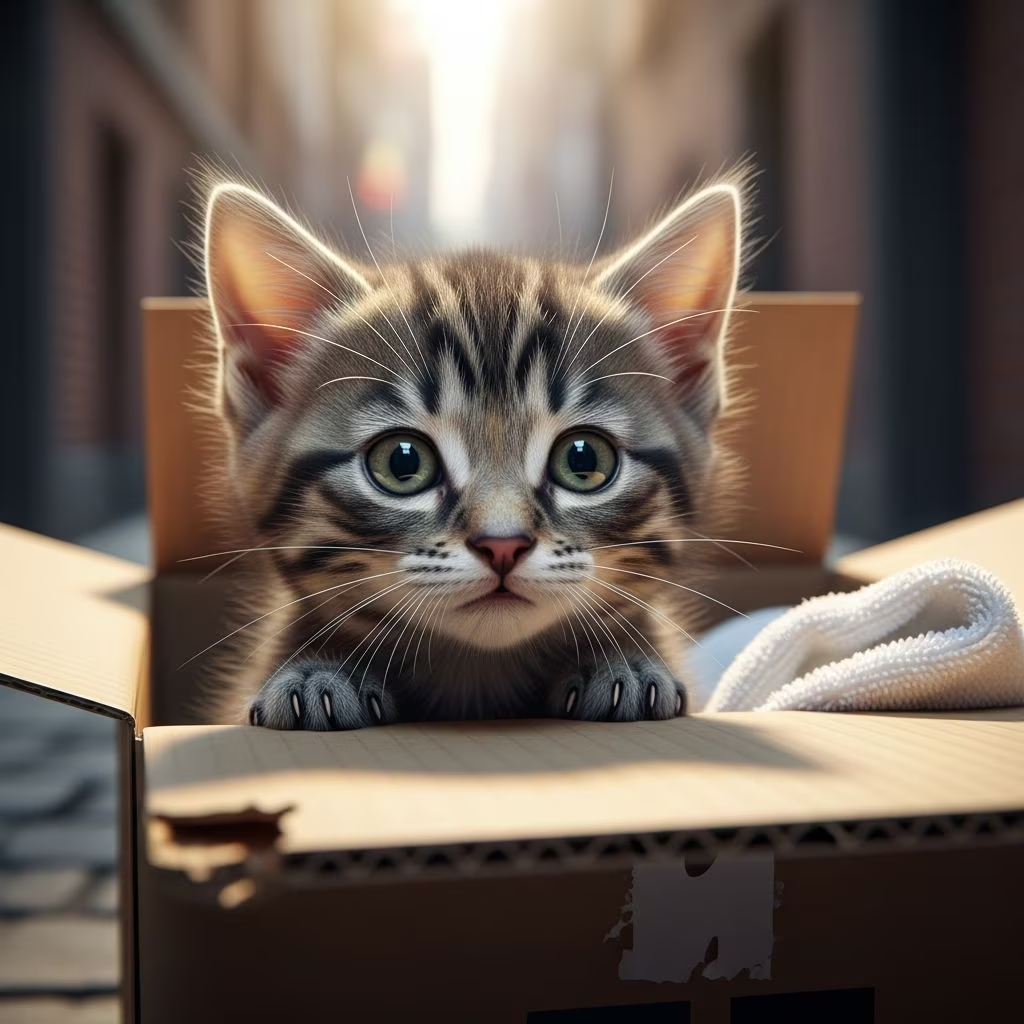
What to Do With a Stray Kitten: A Comprehensive Care Guide
Finding a stray kitten can be both heartwarming and challenging. Whether you’ve discovered a tiny feline abandoned on your doorstep or in an alley, knowing how to properly care for it is essential for its survival and well-being. Stray kittens face numerous challenges, from malnutrition to exposure and potential diseases. This comprehensive guide will walk you through the critical steps needed to provide immediate and ongoing care for a stray kitten you’ve found.
Assess the Situation: Is the Kitten Really Abandoned?
Before assuming a kitten needs rescue, it’s important to assess whether the kitten is truly abandoned or simply separated from its mother. Mother cats often leave their kittens temporarily to hunt for food. If you find kittens that appear healthy and alert, observe them from a distance for several hours. Keep an eye on the mother and kittens, but avoid approaching them or allowing dogs or other cats to come near, as this will cause unnecessary stress to the mother cat.
Only intervene if the kittens appear to be in immediate danger, are injured, or show signs of illness. If the mother cat doesn’t return after several hours and the kittens appear distressed or vulnerable, it’s time to take action.
Seek Immediate Veterinary Care
The best way to help abandoned kittens is to get them to a veterinarian quickly. There is no knowing how long they have been alone with no food or maternal care, or if they are carrying any diseases. The younger they are, the more important it is to take them to a vet for treatment, as the youngest kittens can become dehydrated rapidly and may have underlying health issues that require professional assessment.
A veterinarian can evaluate the kitten’s age, health status, nutritional needs, and any immediate medical concerns. They will also provide guidance on feeding schedules, appropriate formula, and any necessary vaccinations or treatments. If no veterinarian is available nearby, you can attempt to help the kitten by keeping it warm, dry, and fed until professional care becomes available.
Keep the Kitten Warm
Temperature regulation is absolutely critical for young kittens. A kitten’s ideal body temperature is 100 to 102 degrees Fahrenheit. Unlike older cats, young kittens cannot regulate their body temperature effectively on their own, making warmth one of the most crucial factors in their survival.
Proper warming methods include:
- Using a heating pad designed and approved for pets, such as a K&H or Snugglesafe pet bed warmer, wrapped in two or three layers of towels
- Warm water bottles placed in the kitten’s bedding
- Warm towels fresh from the dryer
- A small, fire-resistant space heater in the room (use with caution)
Never use a standard heating pad on high settings, as these have “hot spots” and can potentially burn the kitten’s delicate skin. Kittens should be kept in a warm, draft-free room, securely away from other pets. The heating pad will be necessary until the kitten reaches 3 to 4 weeks of age.
If a kitten feels cold and unresponsive, immediate warming is essential. Place the kitten on an approved heating pad safely wrapped in multiple layers of towels. Turn the kitten from side to side every five minutes, and gently massage it to stimulate blood flow. If the kitten does not respond within 20 to 30 minutes, contact a veterinarian or animal rescue immediately.
Feeding Your Stray Kitten
Proper nutrition is vital for a stray kitten’s recovery and growth. The feeding method depends on the kitten’s age and ability to eat on its own.
For Very Young Kittens (Under 4 Weeks)
Kittens under four weeks old require bottle feeding with kitten replacement milk formula (KMR). Never use cow’s milk, as it can cause digestive upset. Feed kittens small amounts frequently—typically every two to three hours, including overnight feeding sessions.
When bottle feeding:
- Feed one kitten until they stop nursing, then begin with the next kitten
- Continue rotating between kittens, usually one to three nursing turns will suffice
- A well-fed kitten’s belly should be round but not hard and distended
- Burp kittens gently after feeding, just like human babies, by laying them on their stomach and patting their back
- Start with smaller amounts to allow kittens to absorb nutrients without being overfed, which could cause vomiting
For Older Kittens (4+ Weeks)
Older kittens can be fed slightly larger amounts and may even be free-fed canned food and water. They are beginning to eat on their own and may require less frequent feeding. Provide a very low-sided litter box so they can access it easily while learning to use it.
Help the Kitten Eliminate Waste
Kittens under 4 weeks old aren’t able to pee or poop on their own. They rely on their mother’s stimulation to eliminate waste. You must help them do this by stimulating them before or after each feeding, or both.
Elimination technique:
- Use something soft and absorbent, such as tissues, toilet paper, or cotton balls moistened with warm water
- Gently rub each kitten’s genital area in a circular motion
- Continue until the kitten pees and/or poops
- Keep records of eliminations in case an issue arises
Once kittens reach 4 weeks and begin using the litter box on their own, you can transition away from manual stimulation. If they’re reluctant to use the litter box initially, try taking their paw and showing them how to scratch in the litter—they’ll catch on quickly.
Keep the Kitten Clean and Dry
Maintaining proper hygiene is essential for preventing infection and teaching the kitten grooming habits. After each feeding session, give the kitten a full-body once-over with a barely damp washcloth, using short strokes similar to how a mother cat would groom.
Cleaning guidelines:
- Gently clean the kitten’s face and body with baby wipes or a warm, damp soft cloth
- Don’t allow the kitten to get too wet or they will become cold
- For more thorough cleaning, wash the kitten with warm water under a sink faucet, focusing only on soiled areas
- A simple “butt bath” will usually suffice for minor soiling
- If flea treatment is necessary, use kitten-safe flea shampoo diluted in warm water
- Gently dry the kitten with a soft towel or hair dryer set on low, held at a safe distance
- Do not allow the kitten to become chilled after cleaning
Keep bedding clean by checking it several times a day for messes. Bedding should be changed at least once daily or more often if soiled. Do not use soap or pet shampoo directly on the kitten’s skin.
Monitor Weight and Hydration
Regular weight monitoring is crucial for tracking the kitten’s growth and health status. Weigh the kitten before and after each feeding to ensure they’re receiving adequate nutrition. Keep detailed records of weights and feeding amounts, which can help identify potential issues early.
Proper hydration is equally important. Ensure the kitten has access to fresh water, though very young kittens receive most of their hydration through formula or mother’s milk. As the kitten grows and begins eating solid food, water intake becomes increasingly important.
Medical Care and Vaccinations
Once the kitten is stable and showing signs of improvement, medical care becomes a priority. Kittens are ready for their first vaccinations at 4 weeks of age. These vaccines protect against serious feline diseases and are essential for the kitten’s long-term health.
Key medical milestones:
- 4 weeks: First vaccinations
- 6 weeks: Spay or neuter surgery becomes an option, and kittens are well-coordinated, running and climbing
- 8 weeks: Kittens should be spayed or neutered before adoption or permanent placement
If the mother cat is present and being cared for, spay her while monitoring the kittens. Although a nursing female cat will continue to feed her kittens after surgery, have kitten replacement milk on hand as a backup and be prepared to bottle-feed if necessary during recovery.
Socialization and Behavioral Development
Early socialization is crucial for helping stray kittens develop into well-adjusted, friendly cats. The socialization period is particularly important during the first few weeks of care.
Socialization strategies:
- Don’t try to handle a truly feral kitten that hisses and spits for the first few days
- Visit frequently, always moving slowly and talking softly to reassure the kitten
- Once the kitten calms down, begin gentle handling by wrapping it in a towel and sitting with it on your lap
- Gradually pet the kitten’s face, chin, and behind the ears while speaking softly
- Leave a television or radio on for a few hours daily at moderate volume so the kitten becomes accustomed to human voices
- Aim for several feeding and petting sessions of 15 to 20 minutes as often as possible
- Use a variety of toys to stimulate the kitten’s mind and develop motor skills
- Physical and emotional contact is extremely important for bonding and helping the kitten feel safe and secure
Kittens are usually fully weaned at around four to five weeks of age—an ideal time to intensify socialization efforts. Early cuddling and gentle petting help kittens bond well with humans, allowing them to grow up feeling comfortable in a home environment.
Housing and Environmental Setup
Create a safe, comfortable space for your stray kitten. For bottle-fed babies, keep them in a cat carrier when you’re not feeding or caring for them. The carrier should be large enough for the kittens to have an area to move away from the heating pad if they become too warm.
Cover the carrier with a towel or blanket and place it in a warm, draft-free room, securely away from other pets. As the kitten grows and becomes more mobile, you may transition to a larger space, but always maintain a safe, enclosed area where the kitten cannot escape or access hazards.
Long-Term Placement and Adoption
If the stray kitten was raised indoors before 8 weeks of age, it should not be returned outdoors. Indoor-raised kittens will not have developed the skills necessary to survive as community cats in an outdoor environment. Instead, focus on finding the kitten an appropriate adoptive home.
Once the kitten reaches 8 weeks of age and has been spayed or neutered, it is ready for adoption into a permanent home. Work with local animal shelters, rescue organizations, or adoption networks to connect the kitten with a loving family. Ensure adopters understand the kitten’s background and any special needs or behavioral considerations.
Essential Supplies Checklist
Before bringing a stray kitten home, gather these essential supplies:
- Pet-approved heating pad and towels
- Kitten replacement milk formula (KMR)
- Bottle feeding kit (bottles, nipples, brush for cleaning)
- Baby wipes or soft cloths
- Tissues or cotton balls for stimulation
- Small cat carrier
- Soft fleece blankets
- Low-sided litter box
- Kitten food (wet and dry)
- Water and food bowls
- Toys for stimulation and play
- Scale for weighing the kitten
- Cleaning supplies and disinfectant
Frequently Asked Questions (FAQs)
Q: How long should I wait before assuming a kitten is truly abandoned?
A: Observe kittens from a distance for several hours. If the mother cat doesn’t return and the kittens appear distressed, injured, or showing signs of illness, it’s time to intervene.
Q: Can I use regular cow’s milk to feed a young kitten?
A: No. Never use cow’s milk, as it can cause digestive upset in kittens. Always use kitten replacement milk formula (KMR) specifically designed for feline nutrition.
Q: How often should I feed a very young stray kitten?
A: Kittens under 4 weeks old require bottle feeding every two to three hours, including overnight feeding sessions, until they reach 4 weeks of age.
Q: What temperature should I maintain for the kitten?
A: A kitten’s ideal body temperature is 100 to 102 degrees Fahrenheit. Use pet-approved heating pads wrapped in layers of towels to maintain proper warmth until the kitten is 3 to 4 weeks old.
Q: Can I use a standard heating pad for the kitten?
A: No. Standard heating pads have “hot spots” that can burn delicate kitten skin. Use only pet-approved heating pads designed specifically for this purpose.
Q: How do I know if the kitten is eating enough?
A: A well-fed kitten’s belly should be round but not hard and distended. Keep records of weights before and after feeding, and consult with a veterinarian about appropriate portion sizes.
Q: At what age can stray kittens receive vaccinations?
A: Kittens are ready for their first vaccinations at 4 weeks of age. Discuss a vaccination schedule with your veterinarian.
Q: When should I have the kitten spayed or neutered?
A: Kittens can be spayed or neutered as early as 6 weeks old, though 8 weeks is a more common age. Consult your veterinarian about the best timing for your kitten.
Q: What should I do if the stray kitten appears feral or aggressive?
A: Don’t try to handle a truly feral kitten that hisses and spits. Visit frequently, move slowly, and talk softly. Once it calms down, begin gentle handling and socialization with patience and consistency.
Q: Can I return an indoor-raised stray kitten to the outdoors?
A: No. Kittens raised indoors before 8 weeks will not have developed the survival skills needed to live outdoors. Find them appropriate adoptive homes instead.
References
- How to Care for Street Kittens Temporarily — WoofDoctor on Wheels. 2024. https://www.woofdoctor.vet/stray-kitten-care/
- Bottle-Feeding Kittens: A Comprehensive Guide — Best Friends Animal Society. 2024. https://bestfriends.org/pet-care-resources/bottle-feeding-kittens-comprehensive-guide
- Kitten Care — Stray Cat Alliance. 2024. https://straycatalliance.org/resources/kitten-care/
- What to Do if You Find Kittens Outdoors — Alley Cat Allies. 2024. https://www.alleycat.org/community-cat-care/finding-kittens-outdoors/
- About Feral Kittens — Feral Cat Coalition of Oregon. 2024. https://www.feralcats.com/kittens
- Kitten Care Handbook — Feral Fixers. 2024. https://www.feralcats.org



