

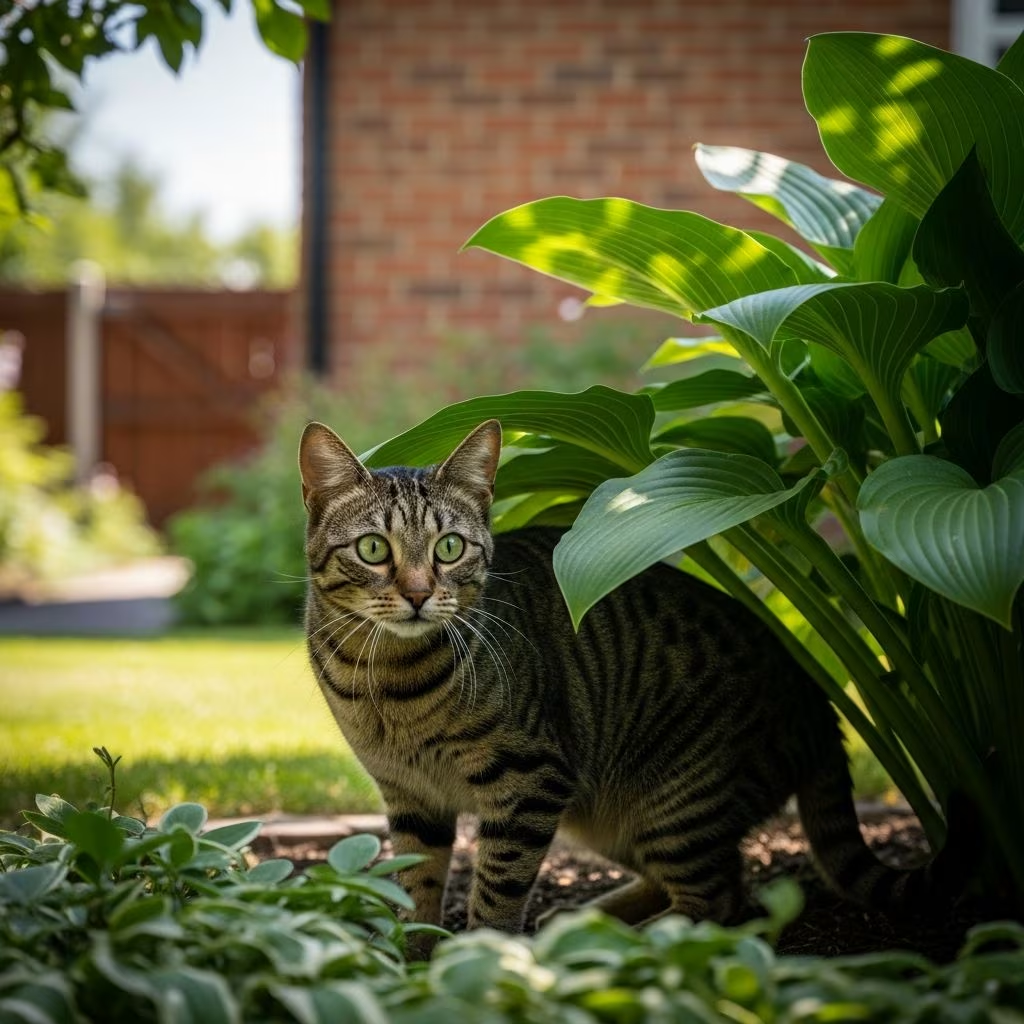
Encountering a stray cat that persistently hangs around your home can tug at your heartstrings. These felines may appear friendly or skittish, but they often need immediate care to thrive. This guide provides a comprehensive, step-by-step approach to responsibly handling the situation, prioritizing the cat’s health and your safety. Whether the cat is lost, feral, or abandoned, acting thoughtfully prevents worsening issues like uncontrolled breeding or untreated illnesses.
1. Assess the Cat’s Condition
The first step when spotting a stray cat loitering near your property is to carefully evaluate its physical and behavioral state. Approach slowly from a distance to avoid startling the animal. Look for obvious signs of distress, such as limping, open wounds, matted or disheveled fur, labored breathing, excessive sneezing, discharge from eyes or nose, or extreme thinness. These indicators suggest injury, infection, parasites, or malnutrition, all requiring urgent veterinary intervention.
Observe the cat’s body language closely. A friendly stray—likely a lost pet—may rub against objects, meow vocally, or approach humans willingly. In contrast, feral cats often exhibit fear through flattened ears, dilated pupils, hissing, or swishing tails, making close interaction riskier. If the cat seems healthy but wary, give it space while monitoring from afar. Document any concerning symptoms with photos or notes for later reference when contacting professionals.
Safety is paramount during assessment. Never corner the cat or make direct eye contact, which can be perceived as threatening. Use a calm voice and avoid sudden movements. If the cat allows, gently check for a collar, microchip, or tags, as many strays are owned pets temporarily separated from their families. Healthy cats can often be managed at home temporarily, but ill or injured ones demand immediate expert help.
2. Provide Food and Water
Once assessed, offering sustenance is a compassionate immediate action. Stray cats, unlike adept feral hunters, frequently struggle to find reliable nutrition, leading to weakened immunity and survival challenges. Place fresh water in a shallow, wide bowl to prevent spills and easy access—strays may be dehydrated from heat, cold, or illness.
For food, opt for commercially available wet or dry cat food suited for adults unless the cat appears kitten-like or malnourished. Avoid milk, as many cats are lactose intolerant, causing digestive upset. Start with small portions to gauge appetite and prevent waste that attracts pests. Position bowls in a secluded, sheltered spot away from high-traffic areas, ensuring the cat feels secure while eating. Consistency builds trust; feed at the same times daily, such as a 45-minute window in the evening, then remove leftovers to deter wildlife like raccoons or coyotes.
- Water tips: Change daily, elevate slightly off cold ground in winter.
- Food guidelines: High-protein, no human scraps; portion based on size (about 1/2 can wet food per meal initially).
- Location strategy: Near potential shelter, private from dogs or traffic.
Patience pays off—wary cats may watch from hiding before approaching. This routine not only sustains the cat but can habituate it for safer handling later.
3. Create a Safe Space
Shelter protects against weather extremes, predators, and discomfort. A simple DIY setup using a sturdy cardboard box, plastic storage bin, or foam cooler works wonders. Cut a small entry hole (6-8 inches diameter) on one side, elevate on bricks to deter flooding, and line the interior with straw, hay, or mylar blankets for insulation—these materials stay dry unlike fabric, which retains moisture and chills the cat.
Position the shelter in a quiet, wind-protected area like under a porch or against a fence, close to food stations but not directly adjacent to discourage pests. For enhanced durability, insulate walls with Styrofoam panels and add a flap door from heavy plastic. In extreme climates, heated pads designed for outdoor pets (low-voltage, weatherproof) provide warmth without fire risk.
| Shelter Type | Materials | Pros | Cons |
|---|---|---|---|
| Basic Box | Cardboard, straw | Cheap, quick setup | Not weatherproof long-term |
| Plastic Bin | Bin, insulation, flap | Durable, insulated | Requires tools |
| Commercial House | Pre-built outdoor shelter | Professional, multi-cat | Higher cost |
Monitor usage; a frequented shelter indicates the cat relies on your aid, signaling deeper commitment needs.
4. Check for Identification
Many “strays” are microchipped lost pets yearning for home. If the cat is approachable, scan for a collar with ID tags or use a universal microchip scanner (available at vets or shelters). No scanner? Note unique markings like color patterns, ear notches (common in TNR cats), or tattoos.
Post flyers in the neighborhood with photos, description, and your contact info. Share on local lost pet social media groups, apps like Nextdoor, or sites such as Petco Love Lost, which uses AI to match facial recognition of found pets. Friendly demeanor increases odds of ownership—up to 20-30% of strays reunite this way.
5. Contact Animal Control or the Shelter
If unable to commit long-term or the cat needs pro care, reach out to local animal control, humane societies, or no-kill shelters promptly. Provide details on condition, photos, and location. They assess, vaccinate, and rehome or rehabilitate.
For hard-to-catch cats, request trap assistance or borrow humane live traps baited with smelly food like tuna. Cover the trap with a towel post-capture to calm the cat during transport. Avoid euthanasia-prone facilities if possible; research TNR-friendly orgs first.
6. Use a Humane Trap
Humane traps are spring-loaded cages that close upon entry, designed for safe capture without injury. Bait the back with strong-scented wet food, set in the cat’s path to shelter/food, and check every 30 minutes. Once trapped, cover immediately and transport to a vet or shelter for scanning, treatment, and adoption placement.
- Trap tips: Practice with food sans mechanism first; release non-target wildlife unharmed.
- Post-capture: Offer soft blanket inside for comfort.
7. Consult Neighbors
Chat with nearby residents—they may recognize the cat, know its history, or have fed it previously. This reveals if it’s a longstanding stray, community feral, or recent arrival. Neighbors might share rescue contacts, contribute to care, or adopt, fostering community solutions.
8. Consider Long-Term Care
No owner found? Options include outdoor managed colony via Trap-Neuter-Return (TNR), where cats are sterilized, vaccinated, earmarked, and released. TNR stabilizes populations humanely, per ASPCA guidelines.1 For friendlies, indoor adoption offers safety—many transform into affectionate companions post-quarantine and vetting.
Long-term outdoor care demands daily feeding, seasonal shelters, flea control, and monitoring. Spay/neuter prevents litters; rabies shots protect all. Costs average $50-100 yearly per cat for basics.
Frequently Asked Questions (FAQs)
Q: How do I tell if a stray cat is feral or just lost?
A: Feral cats avoid humans, hiss, and hide; lost pets seek interaction, meow, and follow people. Ear tips indicate TNR ferals.
Q: Is it safe to feed stray cats?
A: Yes, in controlled spots to avoid pests. Use cat food only; consistent schedules prevent dependency issues.
Q: What if the cat scratches or bites me?
A: Seek medical advice for rabies risk. Use gloves/traps for handling; observe from distance if aggressive.
Q: Can I keep the stray as an indoor pet?
A: Absolutely, after vet check for parasites, vaccines, and FIV/FeLV tests. Gradual introduction prevents stress.
Q: What’s the best shelter for winter?
A: Insulated bins with straw and heat pads; elevate and wind-block for optimal warmth.
Addressing a persistent stray cat responsibly balances compassion with practicality. Start with assessment and basics, then escalate to pros for best outcomes. Your actions can save lives and curb overpopulation.
References
- Community Cat Programs Handbook — ASPCA. 2023-05-15. https://www.aspca.org/helping-people-pets/shelter-intake-and-surrender/community-cat-programs-handbook
- Trap-Neuter-Return: Best Management Practice — Alley Cat Allies. 2024-02-20. https://www.alleycat.org/our-work/trap-neuter-return/
- Feral Cat Management Guidelines — Feral Cat Coalition of Oregon. 2023-11-10. https://www.fcco.org/resources/feral-cat-management-guidelines
- Stray and Feral Comparison — Humane Society of the United States. 2024-01-08. https://www.humanesociety.org/resources/feral-and-stray-cats
- Veterinary Care for Community Cats — Association of Shelter Veterinarians. 2022-09-12. https://www.sheltervet.org/publications/community-cat-care



