

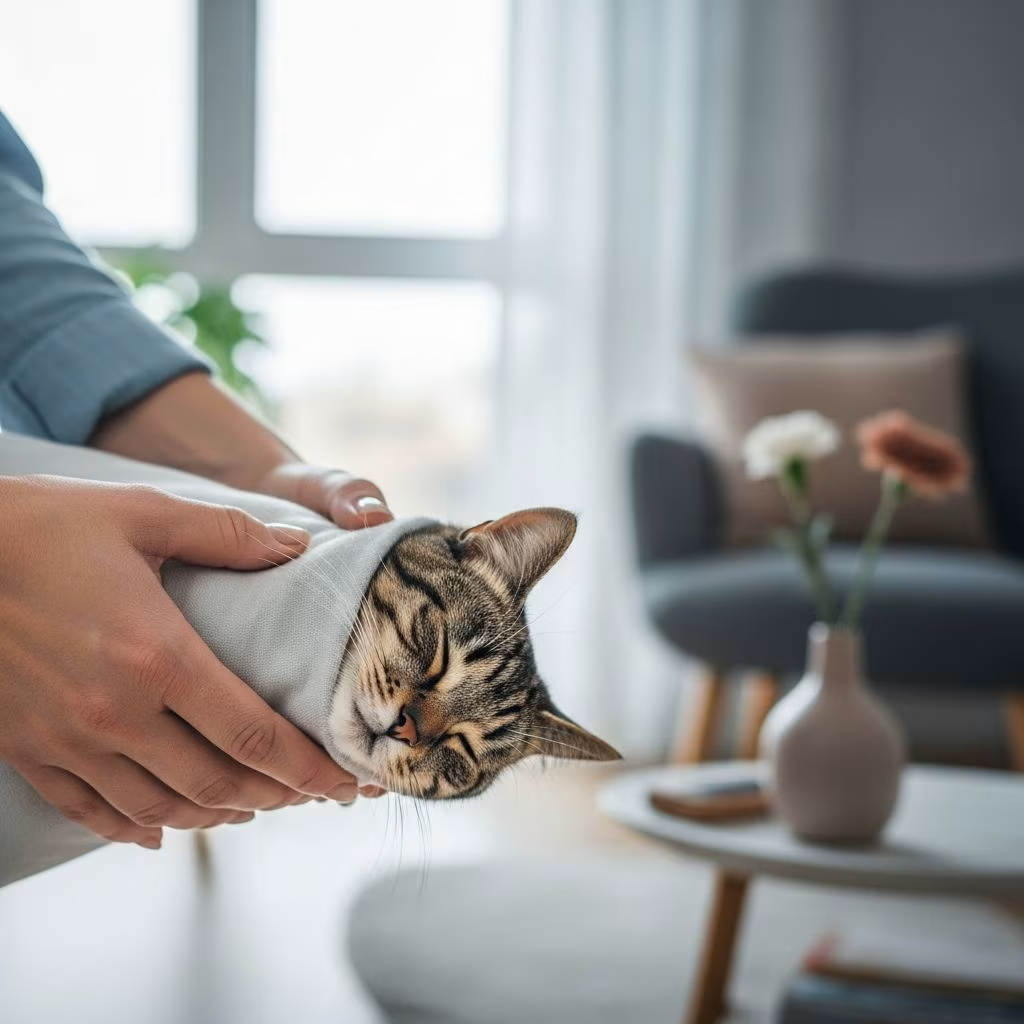
Discovering a deceased cat—whether your beloved pet, a neighbor’s feline, or a stray—can be emotionally overwhelming and logistically challenging. Cats may pass away at home, appear suddenly in your yard, or lie in the street after an accident. Knowing the right steps ensures safe, respectful handling while minimizing health risks and legal issues. This vet-reviewed guide outlines eight essential actions, prioritizing safety, identification, and proper disposal.
Why You Shouldn’t Ignore a Dead Cat
Finding a dead cat demands immediate action. Leaving the body exposed poses multiple risks: it can become a traffic hazard if on a road, attract predators like coyotes or foxes, draw vermin and insects, and spread zoonotic diseases transmissible to humans or other animals. Decomposing remains also release odors and fluids that contaminate the environment. Prompt intervention honors the animal and protects public health.
What to Do if You Found a Dead Cat
If you encounter a deceased cat in your yard, driveway, street, or elsewhere, follow these structured steps. These apply universally but adapt based on whether it’s a stray or owned pet.
1. Protection: Prioritize Your Safety
Always wear protective gloves—latex, nitrile, cloth, or even thick bags—to handle the body. Some feline diseases, like toxoplasmosis or rabies, are zoonotic and can transfer via contact with fluids or fur. If gloves aren’t available, improvise with towels or plastic. After handling, wash hands thoroughly with soap and hot water for at least 20 seconds, and disinfect any surfaces touched. This step prevents cross-contamination.
2. Check for Signs of Life
Cats can enter deep comas or severe shock mimicking death, especially after trauma. Observe for chest movement indicating breathing, feel for a heartbeat at the chest or inner thigh, and check eyes: living cats blink or have constricted pupils; deceased ones have fixed, open eyes with no response. Gently touch the cornea—if no blink reflex occurs, the cat has likely passed. Avoid assuming death without verification to prevent mishandling a survivable case.
Signs a Cat is Deceased:
- No chest rise/fall after 1 minute observation
- No heartbeat or pulse
- Fixed, open eyes with no blink
- Rigid or cooling body (rigor mortis sets in 2-6 hours post-death)
- No response to gentle stimulation
3. Check for Identification
Examine for collars, tags, or tattoos. Note phone numbers or names, and contact owners sensitively if possible. Most owned cats have microchips implanted under the skin near the shoulders—vets or shelters scan these free of charge. Identifying ownership allows closure for families and may reveal medical history.
4. Contact a Local Veterinarian
The most straightforward option: transport the body in a towel-wrapped bundle, cardboard box, or pet carrier to a nearby vet clinic. Vets store remains properly (refrigerated), scan for microchips, match against lost pet reports, and arrange cremation or burial. Many offer this service at low or no cost for strays. Call ahead to confirm availability.
5. Contact Animal Control or Local Authorities
In the US and many regions, animal control services handle deceased animals professionally. Report the location, description, and condition; they collect, dispose via incineration or landfill (per regulations), and investigate if foul play suspected. Check municipal websites for protocols—some require online reporting. This is ideal for roadkill or public spaces.
| Option | Best For | Pros | Cons |
|---|---|---|---|
| Veterinarian | Any cat, esp. potential pets | Microchip scan, owner notification, professional cremation | May involve transport fees |
| Animal Control | Strays, roadkill | Free pickup, legal compliance | No personal services like cremation |
| Shelters/Rescues | Local options | Guidance, scanners | Limited hours/capacity |
6. Contact Local Shelters or Rescues
Animal welfare organizations often assist with intakes, even deceased. They provide microchip scanning, owner reunification efforts, and disposal advice. Useful if vets or control are unavailable, especially in rural areas.
7. Contact a Pet Crematorium or Pet Mortuary
Specialized facilities offer pickup, private or communal cremation, and urn return. Less common than vets but ideal for dignified memorials. Search locally; some partner with vets.
8. Burial: Proceed with Extreme Caution
Home burial is risky and often illegal without permits due to disease transmission, groundwater contamination, and digging by scavengers. Check local laws—some allow pets in yards if 5+ feet deep, away from water sources. Vets advise against for strays. Professional burial at pet cemeteries is safer.
What Do I Do if I Found a Dead Stray Cat?
Strays deserve compassion despite no emotional bond. Follow the eight steps above precisely: protect yourself, verify death, ID check, then vet/animal control. Strays heighten zoonotic risks from fleas/ticks carrying plagues like bartonella. Avoid touching bare-handed. Humane disposal prevents ecosystem disruption.
What to Do if Your Pet Cat Dies at Home
When your cat passes peacefully or suddenly indoors, grief hits hardest. Stay calm, especially with children—explain gently. Wrap the body in a favorite blanket, place in a box, and refrigerate (not freeze) if delaying transport. Contact your vet immediately: they guide on aftercare, necropsy (if desired for cause of death), cremation (communal ~$50-100, private $150-300), or home burial. Many vets offer grief counseling resources. Memorialize with photos, paw prints, or donations to shelters.
Legal and Health Considerations
Laws vary: US states like California require reporting roadkill; backyard burial banned in urban zones. Rabies mandates reporting suspected cases to health departments. Necropsy clarifies euthanasia suspicions or sudden deaths. Always prioritize biosecurity.
Emotional Support and Memorial Ideas
Pet loss mirrors human grief. Join support groups via ASPCA or vet referrals. Create memorials: plant a tree, frame fur clippings, or commission art. Time heals, but honoring their life aids closure.
Frequently Asked Questions (FAQs)
Q: How do I know if the cat is really dead?
A: Check breathing, heartbeat, blink reflex, and body temperature. No signs after 1-2 minutes confirm death.
Q: Can I bury a stray cat in my yard?
A: Generally no—risks disease and legality. Use vets or authorities instead.
Q: What if there’s no collar or chip?
A: Proceed to vet/animal control for disposal; they handle unclaimed remains.
Q: How much does vet disposal cost?
A: Often free/low-cost for strays; pet cremation $50-300 depending on type.
Q: Is handling a dead cat dangerous?
A: Yes, wear gloves—zoonotics like toxoplasmosis possible. Wash thoroughly.
References
- What to Do With a Dead Cat? 8 Vet-Reviewed Steps to Take — Catster. 2023. https://www.catster.com/lifestyle/what-to-do-with-a-dead-cat/
- OMG! Is My Cat Dead?? Clutch’s Mastery of ‘Death Sleep’ — Catster (Dr. Karyn). 2023. https://www.catster.com/felines-weekly/omg-is-my-cat-dead-clutchs-mastery-of-death-sleep/
- AVMA Guidelines for the Euthanasia of Animals — American Veterinary Medical Association. 2020. https://www.avma.org/sites/default/files/2020-02/Guidelines-on-Euthanasia-2020.pdf
- Pet Loss Support Resources — ASPCA. 2025. https://www.aspca.org/pet-care/general-pet-care/pet-loss
- Handling of Dead Animals — CDC Zoonotic Diseases. 2024. https://www.cdc.gov/zoonotic-diseases/index.html



