

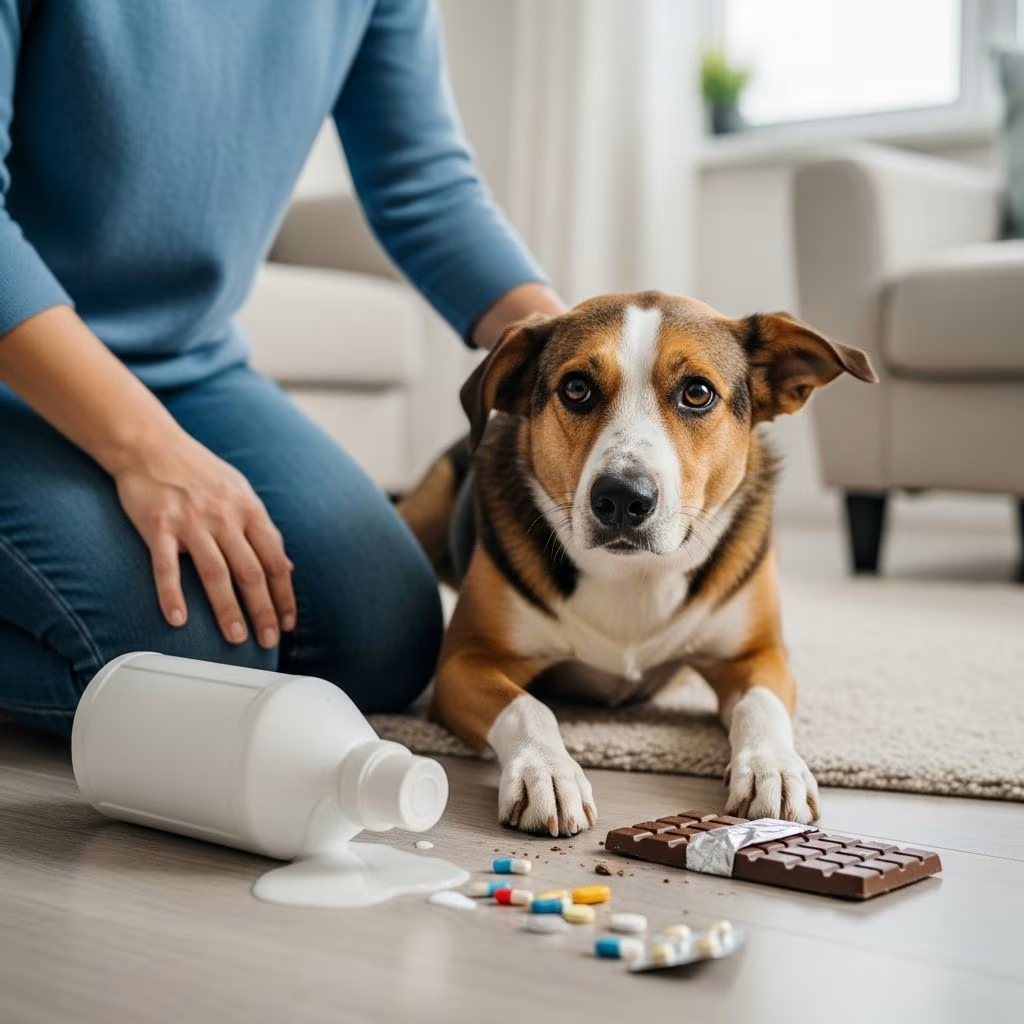
Dogs are curious explorers, often sniffing out trouble by ingesting harmful substances. Common toxins include chocolate, grapes, xylitol, rodenticides, and household chemicals. Recognizing poisoning signs and acting swiftly can be life-saving. Symptoms may appear within minutes or days, varying by toxin amount and type.
Common Signs of Poisoning in Dogs
Poisoning symptoms depend on the substance but often involve gastrointestinal distress, neurological issues, or organ damage. Early detection is crucial as some toxins, like rodenticides, delay symptoms for days.
- Vomiting: Frequent or projectile, sometimes with blood.
- Diarrhea: Loose stools, possibly bloody or discolored.
- Lethargy or weakness: Unusual tiredness or collapse.
- Pale or yellowish gums: Indicates blood issues or shock.
- Excessive thirst or urination: Common with rodenticides or grapes.
- Unsteady gait, tremors, or seizures: Neurological effects from metals or certain rodenticides.
- Bloody urine or stool: Kidney or anticoagulant poison damage.
- Drooling or agitation: Seen in chocolate or ibuprofen ingestion.
Severe signs like breathing difficulties, collapse, or blue gums require immediate emergency care. Monitor gums for color and moisture; normal gums are pink and slick.
Immediate Steps: What to Do Right Away
Stay calm. Time is critical—most toxins linger in the stomach for 2-4 hours. Follow these steps:
- Assess the situation: Identify what, when, and how much your dog ate. Save packaging or samples.
- Call professionals first: Contact your vet, emergency clinic, or pet poison hotline (e.g., ASPCA at 888-426-4435). Do not induce vomiting without guidance—it’s contraindicated for corrosives, oils, or sharp objects.
- If advised, induce vomiting: Use 3% hydrogen peroxide (1 tsp per 10 lbs body weight, max 3 tbsp). Administer orally; repeat once after 15-20 minutes if no vomit. Never use syrup of ipecac.
- Prevent absorption: Give activated charcoal if directed—it binds toxins in the gut.
- Transport safely: Head to the vet en route, avoiding traffic if possible.
| Symptom Severity | Action Timeline |
|---|---|
| Mild (e.g., single vomit) | Call vet within 1 hour |
| Moderate (diarrhea, lethargy) | Seek care immediately |
| Severe (seizures, collapse) | Emergency now |
Common Toxic Substances for Dogs
Household items pose the biggest risks. Here’s a breakdown:
Human Foods
- Chocolate (Theobromine): Causes agitation, tremors, heart issues. Dark chocolate is worst.
- Xylitol (gum, candy): Rapid blood sugar drop, liver failure. Symptoms: vomiting, seizures.
- Grapes/Raisins: Kidney failure, even small amounts.
- Onions/Garlic: Anemia from red blood cell damage.
- Avocado, Yeast Dough, Cherry Pits: GI upset, obstruction, or toxicity.
Household and Garden Toxins
- Rodenticides: Anticoagulants cause bleeding (days later); bromethalin or cholecalciferol lead to neurological damage or high calcium.
- Slug Pellets (Metaldehyde): Tremors, seizures.
- Essential Oils: Respiratory depression, organ damage if ingested or inhaled.
- Human Medications (Ibuprofen, etc.): Kidney failure, ulcers.
No antidote for many; treatment focuses on decontamination and support.
Veterinary Treatment for Dog Poisoning
Vets aim to stop absorption, neutralize toxins, and support organs.
- Decontamination: Induced vomiting, gastric lavage (stomach pumping), enemas.
- Activated Charcoal: Binds remaining toxins; may include cathartics like sorbitol.
- Fluid Therapy: Flushes kidneys, maintains hydration.
- Specific Treatments: Vitamin K for anticoagulants; IV lipids for fat-soluble toxins like bromethalin.
- Supportive Care: Anti-seizure meds, oxygen, monitoring for 1-7 days.
Hospitalization varies; xylitol cases may need glucose monitoring.
Prevention: Keeping Your Dog Safe
Proactive steps reduce risks:
- Store toxins high or locked: meds, chocolate, cleaners.
- Use pet-safe rodenticides or traps.
- Supervise in gardens; know toxic plants (lilies, etc.).
- Train “leave it” command.
- Prepare a pet poison kit: peroxide, charcoal, hotline numbers[10].
Rock salt (de-icing) raises sodium levels—rinse paws and monitor.
When to Worry: Red Flag Symptoms
Not all ingestions are emergencies, but these demand instant action:
- Repeated vomiting/diarrhea with blood.
- Seizures, tremors, coma.
- Difficulty breathing, pale/blue gums.
- Excessive drooling, disorientation.
Even mild symptoms warrant a call—better safe.
Frequently Asked Questions (FAQs)
Q: How long do poisoning symptoms take to appear?
A: Varies; minutes for xylitol, days for rodenticides.
Q: Can I make my dog vomit at home?
A: Only with vet approval using 3% hydrogen peroxide. Never for oils or caustics.
Q: What if my dog ate chocolate hours ago?
A: Still call poison control; charcoal or fluids may help.
Q: Are grapes toxic to all dogs?
A: Yes, even small amounts risk kidney failure.
Q: How much does pet poison control cost?
A: Fees apply (e.g., ASPCA ~$95 consult), but vital for guidance.
Pet Poison Hotlines
- ASPCA Animal Poison Control: 888-426-4435
- Pet Poison Helpline: 855-764-7661
- Local vet or emergency clinic
Act fast—your quick response can prevent tragedy.
References
- The Common Signs and Symptoms of Poisoning in Dogs — American Kennel Club. 2023. https://www.akc.org/expert-advice/health/poisoning-in-dogs/
- First-aid for poisonous substances — Cornell University College of Veterinary Medicine. 2024. https://www.vet.cornell.edu/departments-centers-and-institutes/riney-canine-health-center/canine-health-topics/first-aid-poisonous-substances
- What Things Are Poisonous to Dogs? — PetMD. 2024. https://www.petmd.com/dog/poisoning/poisons-dogs
- The First Signs of Poisoning in Dogs: An Urgent Guide — GSVS. 2023. https://gsvs.org/blog/signs-of-poisoning-in-dogs-urgent-guide/
- What Are The Symptoms Of Poisoning In Dogs — Vets Now. 2024. https://www.vets-now.com/pet-care-advice/dog-poisoning/
- General Treatment of Poisoning — Merck Veterinary Manual. 2024. https://www.merckvetmanual.com/special-pet-topics/poisoning/general-treatment-of-poisoning



