

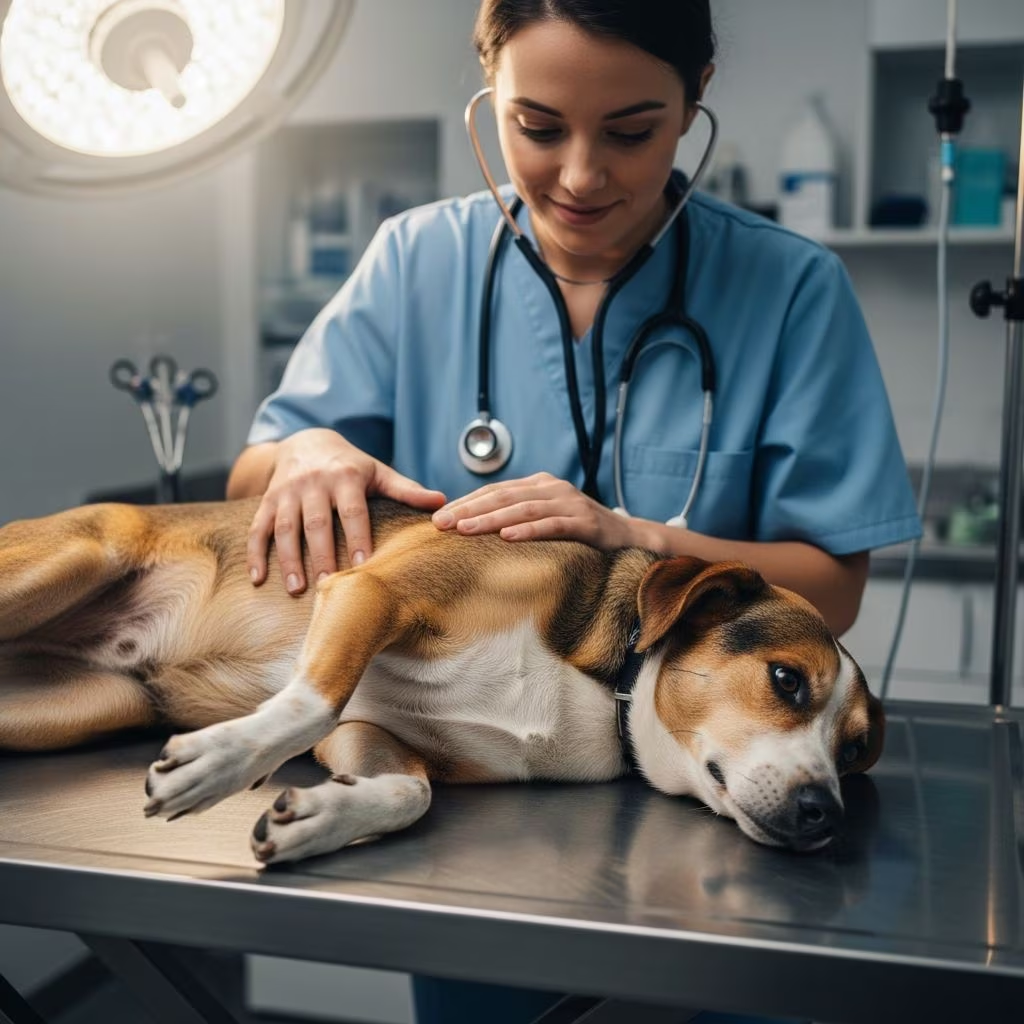
What To Do When Your Dog Is Sick: Expert Veterinary Guidance
When your beloved pet becomes ill, knowing how to respond appropriately can make all the difference in their recovery. Understanding the signs of sickness, distinguishing between emergencies and minor ailments, and providing proper care at home are essential skills for every dog owner. This guide will walk you through the steps to take when your dog isn’t feeling well, helping you make informed decisions about your pet’s health and when to seek professional veterinary care.
Recognizing Common Symptoms of Illness in Dogs
Dogs cannot tell us when they’re feeling unwell, so it’s crucial to recognize the physical and behavioral signs that indicate illness. Many common symptoms are shared across different conditions, which can make diagnosis challenging without professional evaluation. Being able to identify these signs early is the first step in getting your dog the help they need.
General Symptoms of Sickness
The following general symptoms often indicate that your dog is experiencing some form of illness or discomfort:
- Vomiting
- Diarrhea
- Loss of appetite or anorexia
- Lethargy (overall tiredness or malaise)
- Behavioral changes or withdrawal
- Excessive panting or difficulty breathing
System-Specific Symptoms
Beyond general signs, dogs may exhibit symptoms that point to problems in specific body systems. Understanding these can help you communicate more effectively with your veterinarian:
Musculoskeletal System: Limping, lameness in one or more legs, reluctance to move, or signs of pain when walking or climbing stairs may indicate joint problems, injuries, or arthritis.
Nervous System: Seizures, dragging hind limbs, loss of coordination, or confusion are serious signs that require immediate veterinary attention.
Gastrointestinal System: Bloated abdomen, frequent vomiting, bloody diarrhea, or not eating for more than a day warrant professional evaluation, as these can indicate serious digestive issues.
Eyes: Squinting, swelling, cloudiness, redness, or unusual discharge may suggest eye infections or injuries.
Cardiovascular System: Coughing, blue or pale gums, rapid heart rate, or difficulty breathing can indicate heart problems or respiratory distress.
Urinary System: Difficult or painful urination, blood in urine, or changes in urination patterns require veterinary assessment.
Ears: Malodor, excessive head shaking or scratching, head tilt, or circling may indicate ear infections or neurological issues.
Dental: Dropping food, swelling around the muzzle, or excessive drooling could suggest dental disease or oral infections.
Assessing Your Dog’s Condition
When you notice your dog is sick, the first step is to assess their condition carefully. This assessment will help you determine whether your dog needs immediate emergency care or if home management with follow-up veterinary attention is appropriate. Simply put, assess your dog’s condition, determine if you’re dealing with an emergency or not, and then act swiftly.
Questions to Ask Yourself
- When did the symptoms first appear?
- How severe are the symptoms currently?
- Is your dog in obvious pain or distress?
- Has your dog’s appetite or water intake changed dramatically?
- Are symptoms getting progressively worse?
- Has your dog had any recent changes in environment, diet, or exposure to other animals?
Distinguishing Between Emergency and Non-Emergency Situations
Understanding whether your dog requires immediate emergency care is critical. Some situations demand urgent veterinary attention, while others can be managed with home care and a delayed veterinary visit if symptoms persist. However, determining the difference isn’t always straightforward, as context matters greatly in evaluation.
Clear Emergency Warning Signs
The following symptoms almost always warrant immediate emergency veterinary care:
- Difficulty breathing or severe respiratory distress
- Pale or blue gums
- Acute collapse or loss of consciousness
- Profuse or prolonged vomiting or diarrhea (especially if bloody)
- Changes in mental status (non-responsive or minimally responsive)
- New or prolonged seizure activity
- Severe abdominal pain or bloating
- Inability to urinate or defecate
- Suspected poisoning or toxin ingestion
Ambiguous Situations Requiring Judgment
In some cases, determining urgency is difficult. For example, your dog’s panting could be caused by hot weather and normal exertion, or it could indicate pain or a serious cardiac condition. Similarly, mild vomiting might be a simple dietary upset or could signal a more serious underlying problem. When facing these ambiguous situations, it’s better to err on the side of caution and contact your veterinarian for guidance rather than wait and risk complications.
Managing Mild Symptoms at Home
If your dog is showing mild symptoms such as mild vomiting, diarrhea, or decreased appetite, and there are no emergency warning signs, you may be able to manage the situation at home initially. However, careful monitoring is essential.
The 24-Hour Observation Period
For mild cases, follow these steps:
- Offer a bland diet, such as boiled chicken and white rice
- Ensure access to fresh water
- Limit activity and allow your dog to rest
- Wait 24 hours to see if there’s any improvement
- Monitor symptoms closely during this period
When to Seek Veterinary Care
If your dog shows no improvement after 24 hours, or if symptoms worsen at any point, contact your veterinarian immediately. Additionally, seek professional care if:
- Symptoms persist for more than 24-48 hours
- Your dog refuses to eat for more than a day
- Vomiting or diarrhea becomes bloody or severe
- Your dog appears to be in pain
- New symptoms develop
- Your dog’s condition suddenly worsens
Understanding Common Contagious Diseases
Some dog illnesses are highly contagious and require special precautions to prevent spreading to other pets. Knowing whether your dog has a communicable disease is important for protecting other animals.
Kennel Cough (Bordetella-Infectious Tracheobronchitis)
Kennel cough is the most prevalent upper respiratory disease in dogs, caused by parainfluenza virus, Bordetella bronchiseptica, or mycoplasma. Dogs with kennel cough typically present with a distinctive dry hacking cough (often described as a honking sound or something caught in the throat), watery nasal discharge, and eye discharge. Most dogs act normally otherwise, continuing to eat, drink, and play. However, some may show lethargy, reduced appetite, respiratory distress, or fever. Unfortunately, there is no specific treatment—it must run its course over several weeks. Mild cases typically need no treatment, while more severe cases may require supportive care with fluids, supplemental feedings, or antibiotics if secondary infections like pneumonia develop.
Canine Influenza (Dog Flu)
Dog flu is caused by H3N8 or H3N2 influenza viruses and is highly contagious among dogs. Signs include fever, lethargy, lack of appetite, coughing, and runny nose. While generally mild and recoverable in a few weeks, the infection can sometimes become severe. Like kennel cough, there is no specific treatment—it must run its course. Most mild cases require no treatment, though supportive care may be necessary for severe cases, including care for potential secondary infections.
Contagion Control Measures
If your dog has been diagnosed with a communicable disease such as parvovirus, leptospirosis, kennel cough, or canine influenza, keep your pet away from other dogs for approximately four weeks, even though dogs typically recover sooner, as they can remain contagious for about a month.
Making Your Home Comfortable for a Sick Dog
Creating a comfortable recovery environment supports your dog’s healing process. If your veterinarian provides discharge instructions, follow them carefully, including any exercise limitations and medication schedules.
Home Care Essentials
Provide your dog with:
- A quiet, comfortable resting area away from household activity
- Easy access to fresh water
- Prescribed or recommended bland foods in small, frequent portions
- All medications on schedule as directed by your veterinarian
- Limited physical activity and exercise
- Warm, clean bedding that’s easy to wash if accidents occur
Sanitation and Disease Prevention
For dogs diagnosed with communicable diseases, take these precautions:
- Wash their dog beds, blankets, or your bedding if they sleep with you
- Disinfect any floors or carpets that may have been exposed to bathroom accidents
- Wash their food and water bowls in hot soapy water
- Use disinfectant spray or bleach solution on frequently touched surfaces
- Wash your hands thoroughly after handling your sick dog
- Keep your dog’s food and water dishes separate from other pets
The Importance of Vaccination and Prevention
Prevention is always better than treatment. Vaccines are highly effective at preventing some of the more common serious diseases in dogs. When dogs are vaccinated, it significantly reduces the risk of serious diseases being easily spread to other pets. When selecting facilities like boarding or grooming centers, choose those that require pets to be up to date on kennel cough and influenza vaccinations and that maintain records of infectious disease outbreaks.
Frequently Asked Questions
Q: How do I know if my dog’s condition is an emergency?
A: Emergency warning signs include difficulty breathing, pale or blue gums, acute collapse, profuse vomiting or diarrhea, changes in mental status, and seizures. If you’re unsure, contact your veterinarian immediately rather than wait.
Q: What should I feed a sick dog?
A: For mild digestive upset, offer a bland diet of boiled chicken and white rice. A bland diet provides nourishment and hydration while calming the digestive tract. Always follow your veterinarian’s specific dietary recommendations based on your dog’s condition.
Q: How long should I wait before taking my sick dog to the vet?
A: For mild symptoms, observe your dog for 24 hours. If there’s no improvement or symptoms worsen, seek veterinary care. Never wait if you suspect an emergency or if symptoms are severe.
Q: Is my sick dog contagious to other pets?
A: It depends on the illness. Ask your veterinarian if your dog’s condition is contagious. If it is, keep your dog separated from other pets for approximately four weeks to prevent transmission.
Q: Can I give my dog over-the-counter medications?
A: Never give your dog over-the-counter medications without veterinary approval. Many human medications are harmful to dogs, and incorrect dosing can be dangerous. Always consult your veterinarian before giving any medication.
Q: How can I prevent my dog from getting sick?
A: Maintain current vaccinations, provide a healthy diet, ensure regular exercise, keep your home clean, schedule regular veterinary check-ups, avoid exposure to sick animals, and maintain good hygiene practices.
References
- Can Dogs Get Colds? — Chewy. 2024. https://www.chewy.com/education/dog/health-and-wellness/can-dogs-get-colds
- Why Is My Dog Vomiting? What Should I Do? — Chewy. 2024. https://www.chewy.com/education/dog/health-and-wellness/dog-vomiting
- Food to Comfort a Dog With Upset Stomach Symptoms — Chewy. 2024. https://www.chewy.com/education/dog/food-and-nutrition/food-comfort-dog-upset-stomach-symptoms
- 11 Signs Your Puppy Is Sick and How To Care for Them — Chewy. 2024. https://www.chewy.com/education/dog/health-and-wellness/puppy-is-sick
- Signs of Dog Poisoning and What To Do (Step By Step) — Chewy. 2024. https://www.chewy.com/education/dog/health-and-wellness/signs-of-dog-poisoning
- Dog Car Sickness and Motion Sickness: How To Help — Chewy. 2024. https://www.chewy.com/education/dog/health-and-wellness/what-to-do-if-your-pup-experiences-dog-car-sickness
- Why Is My Puppy Vomiting? What Should I Do? — Chewy. 2024. https://www.chewy.com/education/dog/health-and-wellness/puppy-vomiting



