

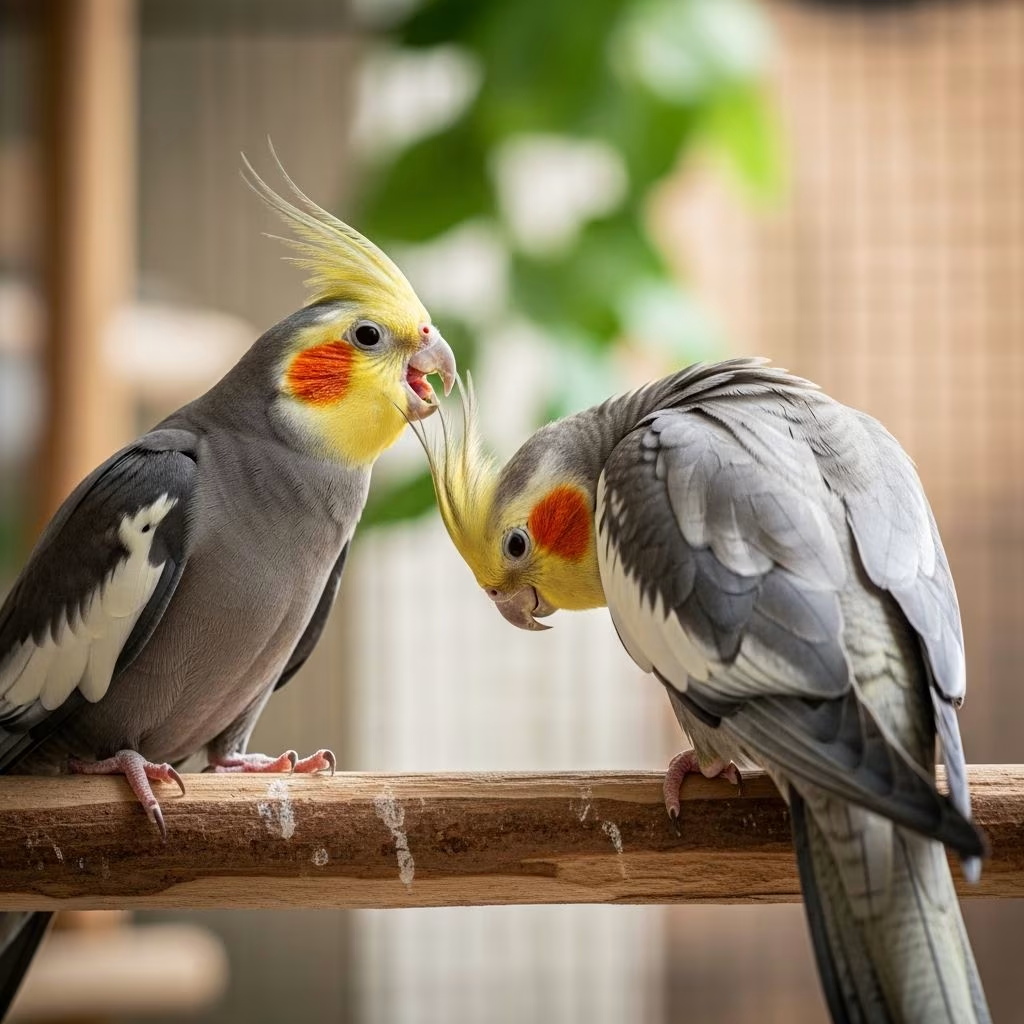
What To Do When Cockatiels Fight: A Comprehensive Guide
Cockatiels are renowned for their playful, affectionate, and social nature, making them delightful companions for bird enthusiasts. However, like all living creatures, these intelligent parrots can sometimes engage in conflicts with one another. Whether you house multiple cockatiels in an aviary or keep them in separate cages, understanding the dynamics of cockatiel aggression and knowing how to respond appropriately is essential for maintaining a peaceful household and ensuring the safety of your feathered friends.
Cockatiel fights can range from minor squabbles to serious confrontations that result in injury. The causes of these conflicts are multifaceted, often stemming from territorial instincts, breeding behaviors, hormonal changes, stress, and frustration. When cockatiels that were previously friendly suddenly begin fighting, it can be distressing for bird owners who cherish their peaceful aviary environment.
Understanding the Real Story Behind Cockatiel Aggression
Consider a common scenario: you have a large indoor aviary housing multiple cockatiels. Two male birds have been inseparable companions for years, but when one of them bonds with a female, everything changes. The formerly gentle bird becomes aggressive, engaging in territorial displays and violent confrontations. This situation illustrates how complex cockatiel social dynamics can be.
In such scenarios, the aggressive behavior often stems from feelings of betrayal, protectiveness, and hormonal changes triggered by the presence of a potential mate. The protective male may view his former companion’s romantic interest as a threat, leading to displacement aggression and frustrated outbursts. Understanding this psychology is crucial for determining the best course of action.
Why Cockatiels Fight: Common Causes
Cockatiel fighting rarely occurs without reason. Several underlying factors contribute to aggressive behavior:
Territorial Disputes
Cockatiels are inherently territorial creatures. They establish specific areas as their own within the aviary or cage, and they become aggressive when they perceive their space is being invaded. This territorial aggression intensifies when birds feel stressed, overcrowded, or when new birds are introduced to the environment without proper acclimation.
Breeding Instincts and Hormonal Changes
Even cockatiels that are not actively breeding may exhibit breeding-related behaviors. When birds reach sexual maturity or during breeding season, hormonal fluctuations trigger aggression. Males become protective and territorial, often displaying dominance over females and other males in the flock. Females may become defensive of nesting areas and eggs. These hormonal surges can transform even the most docile bird into an aggressive participant.
Boredom and Lack of Mental Stimulation
Cockatiels are highly intelligent birds with complex cognitive abilities. When they lack adequate mental stimulation, they become frustrated and bored, often acting out their frustration through aggression toward cage mates. Insufficient toys, interaction, and enrichment activities can lead to destructive behaviors, including fighting.
Stress and Environmental Factors
Loud noises, sudden environmental changes, unfamiliar people, irregular feeding schedules, and inadequate lighting can all cause significant stress in cockatiels. Stressed birds become defensive and are more likely to lash out at their companions, even if they previously got along well.
Underlying Health Issues
Sometimes aggressive behavior signals an underlying health problem. Pain, illness, infections, or nutritional deficiencies can cause sudden personality changes and increased aggression. If your cockatiels suddenly exhibit aggressive behavior without an obvious cause, consulting with an avian veterinarian is essential to rule out medical issues.
Recognizing Signs of Serious Conflict
Not all cockatiel squabbles require intervention. Birds may engage in minor pecking or posturing as a way to establish hierarchy. However, certain signs indicate a serious conflict requiring immediate action:
- Frequent and intense physical fights with apparent injury
- Blood, feather loss, or visible wounds on either bird
- One bird consistently attacking or chasing the other
- Behavioral changes such as isolation or refusing to eat
- One bird appearing fearful or unable to access food and water safely
When any of these signs are present, separation becomes necessary to prevent serious injury or death.
Strategic Separation Solutions
Once you’ve determined that your cockatiels need to be separated, several options exist depending on your living situation and the specific dynamics of the birds involved.
Option One: Removing One Bird from the Social Group
In scenarios where one bird has bonded with another and this new relationship is causing conflict, removing one bird from the aviary can restore peace. For example, if a female has caused tension between two male companions, moving the female to her own cage as a pet cockatiel allows the males to rebuild their friendship without the romantic distraction that triggered aggression.
Option Two: Separating the Aggressive Birds
The most straightforward solution is to house the aggressive birds separately. Providing each male with its own cage eliminates direct conflict and allows both birds to maintain their individual territories. This approach is highly effective but requires adequate space and resources to maintain multiple enclosures.
Option Three: Creating a Bonded Pair Enclosure
If the conflict arises from romantic interests, you can separate the bonded pair into their own dedicated cage, allowing them to develop their relationship away from external interference. This approach works well if the pair can get along without other birds present to trigger jealousy or territorial responses from other flock members.
Option Four: Individual Housing for All Conflicting Birds
When multiple birds are involved in conflicts, providing individual cages for each bird may be the safest solution. While more resource-intensive, this approach eliminates all possibilities of physical confrontation while allowing supervised, controlled interaction through visual and vocal contact.
The Protective Aggression Factor
Male cockatiels often display protective aggression toward their mates when they perceive danger. This behavior, while natural, can escalate to dangerous levels. A male protecting his mate may aggressively drive away other birds and even people, creating a hostile environment within the aviary. What appears to be irrational aggression is actually a form of mate protection and flock defense instinct.
Additionally, frustrated cockatiels can cause serious injuries even though they are normally peaceable birds. A bird that can see but cannot reach the object of its affection may attack cage mates or other flock members as an outlet for displaced aggression. This frustration-based aggression can result in injuries severe enough to require veterinary intervention.
Temporal Separation: A Seasonal Solution
An often-overlooked strategy is temporal separation based on breeding seasons. Cockatiels naturally congregate in flocks during non-breeding seasons and pair up during breeding season. If you separate fighting birds now, you may be able to reunite them in mid-summer and throughout the winter when breeding season has passed. This approach takes advantage of natural behavioral cycles and can restore relationships while allowing temporary relief from aggression.
Making Trios Work
While separating all fighting birds seems like the obvious solution, not all cockatiel groupings involve just pairs. Trios can coexist peacefully under the right circumstances, particularly if all three birds agree to the arrangement. Interestingly, trios can even successfully raise chicks together, with an “aunt” or “uncle” helping to incubate eggs and feed babies. However, this only works if the birds are compatible and external interference doesn’t trigger aggression from one or more members.
If you’re considering keeping three cockatiels together, careful observation and willingness to separate them at the first sign of serious conflict is essential. Not all birds are meant to cohabitate, regardless of how compatible they initially appear.
Prevention Strategies for Future Harmony
Beyond managing existing conflicts, several preventive measures can reduce the likelihood of cockatiel fights:
- Provide adequate space for each bird, with multiple perches, toys, and feeding stations to reduce competition
- Maintain consistent environmental conditions, including temperature, lighting, and feeding schedules
- Offer regular social interaction and mental enrichment activities suited to each bird’s personality
- Monitor hormonal behaviors during breeding season and separate birds if necessary
- Introduce new birds gradually and carefully, allowing time for acclimation before full integration
- Schedule regular veterinary check-ups to catch health issues early
When to Seek Professional Help
If your cockatiels continue to have serious fights despite separation attempts, or if you’re unsure about the underlying causes of aggression, consulting with an avian veterinarian or behavior specialist is wise. These professionals can rule out medical issues, provide behavior modification strategies, and offer personalized guidance based on your specific situation.
Frequently Asked Questions
Q: Is it normal for cockatiels to fight occasionally?
A: Minor squabbles and pecking orders are normal as birds establish hierarchy. However, frequent violent fights with apparent injury require intervention and separation.
Q: Can previously friendly cockatiels be reunited after separation?
A: Yes, in many cases birds can be reunited after breeding season passes or after sufficient time has elapsed. Gradual reintroduction and careful monitoring are essential.
Q: What should I do if my cockatiel is injured from fighting?
A: Separate the birds immediately and contact an avian veterinarian to assess and treat any wounds, infections, or underlying health issues.
Q: How much space do cockatiels need to cohabitate peacefully?
A: While specific requirements vary, larger aviary spaces with multiple perches, toys, and feeding stations reduce territorial conflicts and allow birds to maintain distance when needed.
Q: Can hormonal aggression be managed without separation?
A: In some cases, reducing breeding-related triggers such as nesting materials and limiting handling of breeding birds can help. However, separation is often the safest option during peak hormonal periods.
References
- What To Do When Cockatiels Fight — Chewy Editorial. 2024. https://www.chewy.com/education/bird/cockatiel/what-to-do-when-cockatiels-fight
- 5 Reasons Why Your Cockatiels Fight — Parrots Awesomeness. 2024. https://www.youtube.com/watch?v=bz-dLiCZ_Wg
- Cockatiel Aggressive Behaviour — Lafeber Pet Birds. https://lafeber.com/pet-birds/questions/cockatiel-aggressive-behaviour/



