

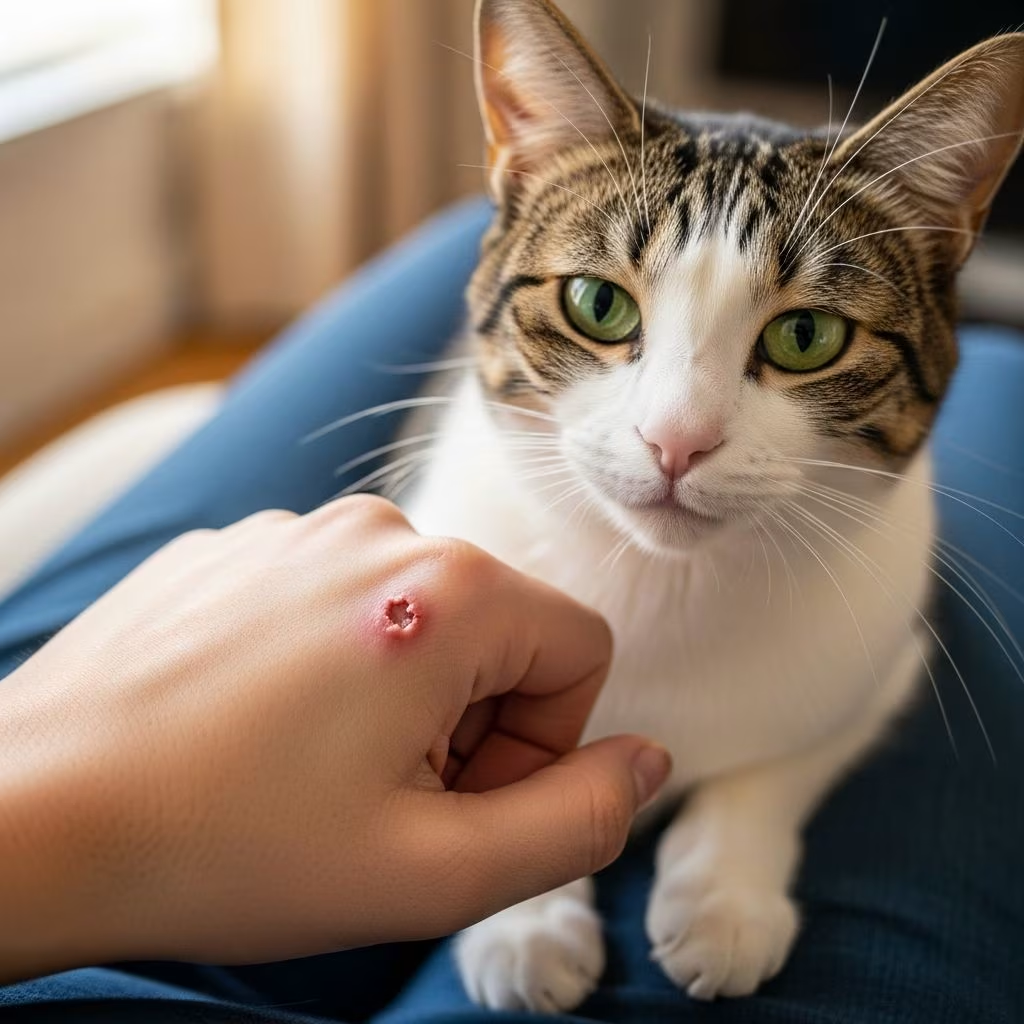
Cat bites are a common yet startling occurrence for many cat owners. Whether it’s a playful nip or a more serious chomp, knowing how to respond can prevent injury and help address the underlying behavior. This comprehensive guide covers immediate actions, reasons cats bite, prevention strategies, and when to seek professional help, drawing from veterinary and behaviorist insights.
Immediate Steps If Your Cat Bites You
When your cat bites you, stay calm to avoid escalating the situation. The first priority is assessing and treating the wound properly, as cat bites can lead to infections due to bacteria in their mouths.
- Clean the wound immediately: Rinse the bite under running water for at least 5 minutes to flush out bacteria. Apply mild soap, but avoid harsh antiseptics initially.
- Apply pressure: Use a clean cloth to stop any bleeding. Elevate the area if possible.
- Disinfect: Use an antiseptic like hydrogen peroxide or povidone-iodine after cleaning.
- Monitor for infection: Watch for redness, swelling, pus, or fever over the next 24-48 hours. Cat bites penetrate deeply, increasing infection risk.
- Seek medical attention: For deep punctures, bites on hands/joints, or if you’re immunocompromised, see a doctor promptly. Antibiotics may be needed.
Simultaneously, give your cat space. Withdraw attention abruptly—walk away without yelling or punishing, as this teaches that biting ends interaction.
Why Do Cats Bite?
Cats bite for various reasons, often communicating discomfort or instinct. Understanding the cause is key to prevention. Common triggers include:
- Playfulness: Kittens and young cats use mouths to explore and play, sometimes lacking bite inhibition if not socialized with siblings.
- Overstimulation: Petting too long or in sensitive areas (belly, paws) overwhelms cats, leading to a ‘love bite’ warning.
- Fear or anxiety: Defensive bites occur when cats feel threatened by strangers, loud noises, or restraint.
- Pain or illness: Cats in pain from arthritis, dental issues, or infections bite when touched. Rule out medical causes first.
- Predatory instinct: Sudden movements trigger hunting mode, mistaking hands for prey.
- Teething (kittens): Emerging teeth cause discomfort, prompting chewing on anything.
- Territorial/dominance: In multi-cat homes, bites establish hierarchy.
- Redirected aggression: Stress from external factors (e.g., seeing outdoor cats) redirects to owners.
- Petting intolerance: Some cats dislike prolonged touch, especially from strangers.
Observe body language: twitching tail, flattened ears, dilated pupils signal impending bites. Early recognition prevents escalation.
Types of Cat Bites
Not all bites are aggressive. Distinguishing types guides your response:
| Type | Description | Common Context |
|---|---|---|
| Play bites | Gentle nips during play; soft mouth, no break in skin. | Interactive sessions with hands/feet. |
| Warning bites | Quick, shallow bites to say ‘enough’; often during petting. | Overstimulation from stroking. |
| Fear/aggression bites | Hard, deep; accompanied by hissing/swatting. | Threatened by strangers or handling. |
| Pain bites | Sudden, defensive when touching sore areas. | Underlying health issues. |
Play bites are normal in kittens but should fade with training. Persistent hard bites warrant intervention.
How to Stop Cat Biting
Stopping bites involves redirection, training, and environmental changes. Punishment fails and worsens fear—focus on positive methods.
Redirect Play Aggression
- Use interactive toys like wand teasers, feather chasers mimicking prey. Play 15-20 minutes twice daily to tire them out.
- Avoid hand play; never use fingers as toys to prevent hand targeting.
- End sessions with ‘catch and kill’—offer treat/puzzle feeder to simulate eating.
Train with Positive Reinforcement
- Say ‘ouch’ calmly and withdraw attention for 30-60 seconds when bitten.
- Reward calm behavior with treats/praise. Clicker training marks good moments.
- Teach bite inhibition: For kittens, yelp and pause play.
Petting Guidelines
- Pet head/neck/chin only; stop at tail twitch. Short sessions keep them wanting more.
- Go 3 weeks without petting if severe, then reintroduce briefly.
Consistency across household members is crucial—mixed signals confuse cats.
Preventing Cat Bites Long-Term
Prevention builds a bite-free bond through proactive steps:
- Enrich environment: Provide scratching posts, climbing trees, puzzle feeders, window perches to curb boredom.
- Socialize early: Expose kittens to handling, people, sounds for confidence.
- Spay/neuter: Reduces hormone-driven aggression.
- Reduce stress: Offer hiding spots, pheromone diffusers, routine schedules.
- Daily routine: Scheduled play, meals mimic hunting cycle.
- Trim nails: Minimizes injury if bites occur.
Track triggers in a journal: time, context, body language to identify patterns.
When to See a Vet or Behaviorist
Not all bites resolve at home. Consult professionals if:
- Bites are unprovoked/severe, suddenly increase, or target specific people.
- Accompanied by other signs: hiding, litter issues, appetite loss.
- Cat seems painful/lethargic—medical issues like hyperthyroidism or abscesses cause aggression.
- Home methods fail after 2-4 weeks.
Vets rule out pain; behaviorists create tailored plans. Medication may help extreme cases.
Frequently Asked Questions (FAQs)
Why does my cat bite me gently then hard?
This is often overstimulation: gentle ‘love bites’ warn before a harder correction. Watch for tail flicks and stop petting.
Should I punish my cat for biting?
No—yelling/spray bottles increase fear/aggression. Ignore and redirect instead.
How do I play with my cat without bites?
Use toys on strings/wands only. Sessions twice daily, 15-20 mins, end with food reward.
My kitten bites constantly—what now?
Teething/play; provide chew toys, socialize with other kittens, yelp and pause play to teach inhibition.
Can medication stop cat biting?
Only if anxiety/medical-related; vet-prescribed after exam. Behavior mod first.
References
- Why do cats bite and how can it be prevented? — The Cat Behavior Clinic. 2023. https://www.thecatbehaviorclinic.com/why-do-cats-bite-and-how-can-it-be-prevented/
- Cat Aggression Toward People: Causes and Prevention — Best Friends Animal Society. 2024-10-15. https://bestfriends.org/pet-care-resources/cat-aggression-toward-people-causes-and-prevention
- Cat Play Biting Tips — Mountain Aire Vet Hospital. 2025-09-18. https://mountainairevet.com/2025/09/18/cat-play-biting/
- 9 Reasons Why Your Cat Bites You — GoodRx Pet Health. 2024. https://www.goodrx.com/pet-health/cat/why-does-mycat-bite-me
- Understanding and Managing Cat Biting Behaviors — Clarion Animal Hospital. 2024. https://clarionanimalhospital.com/blog/cat-biting/
- Why does my cat bite me? — Cats Protection. 2023. https://www.cats.org.uk/cats-blog/why-does-my-cat-bite-me
- Aggression in Cats — ASPCA. 2025. https://www.aspca.org/pet-care/cat-care/common-cat-behavior-issues/aggression-cats



