
What To Do If Your Dog Gets Skunked: Step-By-Step Guide
Quick steps to safely remove skunk odor from your dog and prevent future encounters.
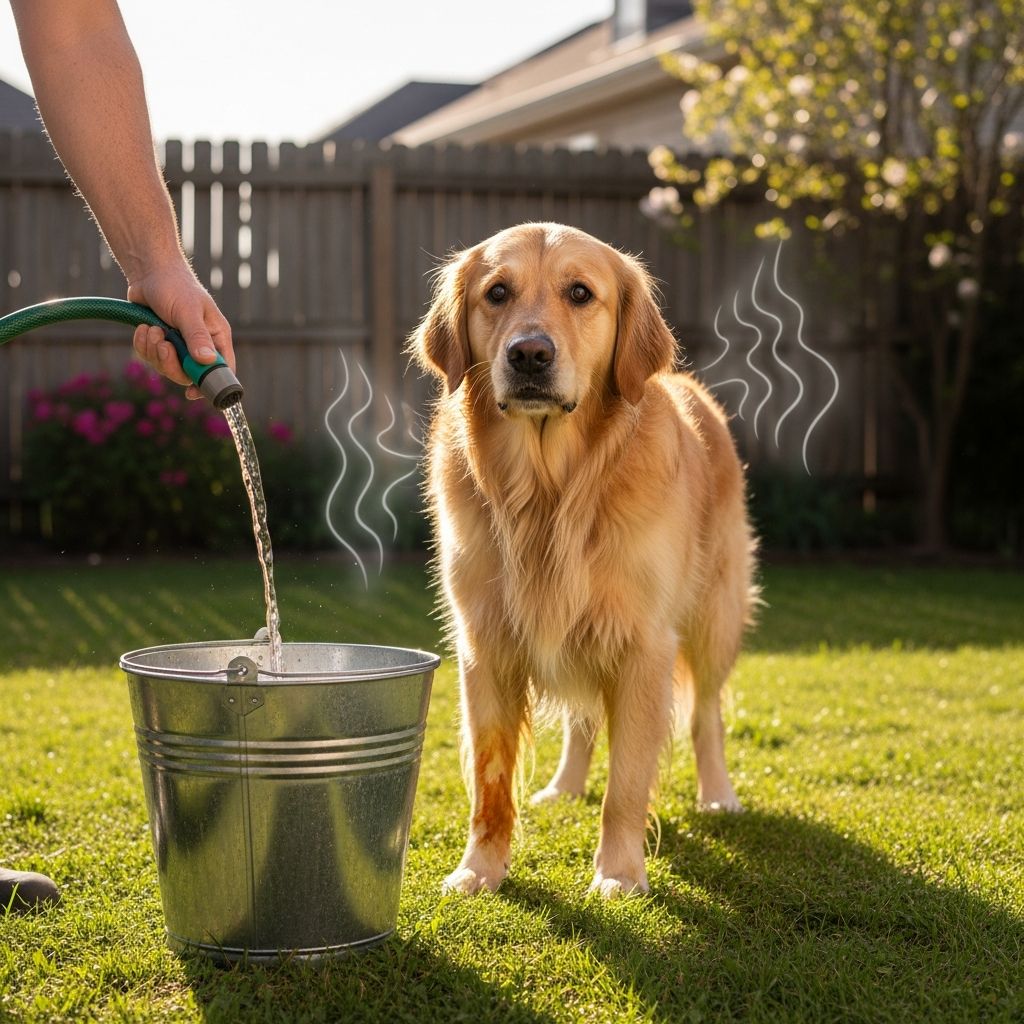
What to Do If Your Dog Gets Skunked: A Comprehensive Guide
The distinctive and overwhelming odor of skunk spray is unmistakable, and if your dog has encountered a skunk, you’re likely looking for immediate solutions to eliminate that pungent smell. Being skunked can be a stressful experience for both you and your pet, but the good news is that most cases can be handled at home with the right approach. This guide will walk you through the essential steps to take when your dog has a run-in with a skunk, from immediate actions to prevention strategies.
Immediate Actions to Take After Your Dog Gets Sprayed
When your dog is sprayed by a skunk, time is of the essence. The first few minutes are critical for determining the best course of action and preventing the smell from spreading throughout your home.
Give Your Dog a Quick Visual Check
Before proceeding with any treatment, perform a quick visual inspection of your dog’s face and eyes. Check to see if the spray made direct contact with their eyes or mouth. Skunk spray is a highly noxious substance, and direct exposure to these sensitive areas requires immediate veterinary attention. Look for obvious signs such as extreme drooling, vomiting, or red, puffy eyes. If you notice any of these symptoms, contact your veterinarian right away rather than attempting home treatment.
Keep Your Dog Outside
Once you’ve determined that your dog doesn’t require immediate veterinary care, avoid bringing your dog indoors. The skunk spray oils can permeate fabrics, carpets, and furniture, causing the smell to linger throughout your home for weeks. Keep your dog in a contained outdoor area while you prepare the de-skunking solution and gather supplies.
Check for Injuries
While your dog is still outside, carefully examine their body for any signs of bites or scratches from the skunk. Skunks can become defensive and may scratch or bite if they feel threatened. Look for puncture wounds, bleeding, or signs of infection. If you notice any injuries, contact your veterinarian promptly, as animal bites can introduce bacteria and may require antibiotics or other medical treatment.
The De-Skunking Solution: Proven Methods
The key to effectively removing skunk odor lies in using the right de-skunking solution. Common household remedies like tomato juice are ineffective and will only create a mess. Instead, use a proven formula that chemically breaks down the oils in skunk spray.
Homemade De-Skunking Recipe
If you can’t access a commercial skunk odor remover, you can create an effective solution from common household items. This homemade remedy has been scientifically tested and proven to work:
- 1 quart (4 cups) of 3% hydrogen peroxide
- 1/4 cup of baking soda
- 1 to 2 teaspoons of liquid dish soap (such as Dawn)
Important: Mix these ingredients in a large bowl and use the solution immediately. Do not store this mixture in a closed container, as the combination can become unstable and potentially dangerous. If your dog gets sprayed again, you’ll need to prepare a fresh batch.
How the Solution Works
The hydrogen peroxide acts as an oxidizing agent that breaks down the oils in skunk spray, while the baking soda helps neutralize the odor. The dish soap helps distribute the solution throughout your dog’s coat and removes the oily residue. This combination is far more effective than traditional remedies and is safe for your dog’s skin.
Step-by-Step Application Process
Properly applying the de-skunking solution is crucial for maximum effectiveness. Follow these steps carefully to ensure complete odor removal.
Prepare Your Supplies
Before bathing your dog, gather all necessary supplies including disposable or silicone gloves, old towels you don’t mind potentially staining, and a large container for mixing and applying the solution. Have plenty of water available for rinsing. Wear old clothes that you don’t mind getting bleached, as hydrogen peroxide can lighten fabric colors.
Apply the De-Skunking Mixture
While wearing gloves, apply the de-skunking solution generously to your dog’s entire coat, working it into the fur thoroughly. Pay special attention to areas where the spray likely made the most contact. Avoid getting any solution in your dog’s eyes, ears, or mouth. If the skunk spray is near these sensitive areas, use a cloth dipped in plain water to carefully clean around them instead. Allow the solution to sit on your dog’s coat for approximately 5 minutes to allow the chemical reaction to break down the skunk oils.
Rinse Thoroughly
After the 5-minute wait, rinse your dog thoroughly with lukewarm water. Use copious amounts of water to ensure all the de-skunking solution is completely removed from the coat. If the skunk odor persists after the first treatment, repeat the entire process. Most cases require only one application, but heavily sprayed dogs may need multiple treatments.
Use Regular Shampoo
Once you’ve successfully removed the skunk odor with the peroxide solution, wash your dog with regular dog shampoo or a commercial skunk-specific deodorizing shampoo. This step removes any residual solution and oily residue while leaving your dog with a pleasant, clean scent. Pay attention to areas that still feel slimy or oily, as these may require extra scrubbing. Rinse thoroughly and repeat if necessary.
Dry and Comfort Your Dog
After bathing, dry your dog with clean towels and provide comfort and reassurance. Skunk encounters are stressful experiences for pets, and your dog may need extra attention and care following the incident. Offer treats and gentle handling to help your dog recover from the ordeal.
Important Warnings and Precautions
While the hydrogen peroxide solution is safe and effective, there are several important considerations to keep in mind during the de-skunking process.
Bleaching Concerns
Hydrogen peroxide may bleach your dog’s fur or any other material it comes in contact with, including your clothes, towels, and furniture. While this bleaching is not toxic to your dog’s skin, it can lighten colored fur permanently. If your dog has dark-colored fur, test the solution on a small, inconspicuous area first to see if bleaching will occur.
Storage Safety
Never store the hydrogen peroxide, baking soda, and dish soap mixture in a closed container. This combination can become unstable over time and potentially create pressure that could cause the container to rupture. Always prepare fresh batches as needed.
Eye and Mouth Protection
If your dog’s eyes seem to be affected by skunk spray, rinse them with copious amounts of tepid water for 20 minutes to relieve discomfort. If symptoms persist or worsen, seek veterinary attention immediately.
When to Seek Veterinary Care
While most skunk spray incidents can be handled at home, certain situations require professional veterinary care.
Direct Spray to Eyes or Mouth
Seek immediate veterinary care if your dog gets sprayed directly in the eyes or mouth. These sensitive areas require professional evaluation and treatment to prevent complications.
Monitoring for Serious Symptoms
Dogs should be closely monitored for 1-3 days after skunk exposure. Contact your veterinarian immediately if you notice signs such as lethargy, weakness, lack of appetite, or other unusual behavior. In severe cases, dogs may require IV fluids, supportive measures, or even blood transfusions. Veterinarians may recommend blood work to monitor your dog’s health if a heavy spray or multiple skunk spray exposures have occurred.
Rabies Vaccination Status
Because skunks can carry the rabies virus, ensure that your dog is always up to date on their rabies vaccination. This is crucial in case of any skunk encounter, as even a spray without bites could potentially transmit the virus if your dog has any open wounds or scratches.
Prevention Tips to Avoid Future Skunk Encounters
While you can’t always prevent your dog from encountering a skunk, there are several strategies to reduce the likelihood of this happening.
Supervise Evening Walks
Skunks are nocturnal animals and are most active during dusk and dawn. Keep a close eye on your dog during these times, when skunk activity is highest. Avoid walking your dog in areas known to have skunk populations during these vulnerable hours.
Keep Your Yard Secure
Ensure your yard is properly fenced and that skunks cannot easily access your property. Remove food sources such as garbage, pet food left outside, and fallen fruit that might attract skunks to your yard.
Maintain Rabies Vaccination
Keep your dog’s rabies vaccination current. This is not only important for legal reasons but also provides critical protection in case of any wildlife encounter.
Alternative Remedies: When the Homemade Solution Isn’t Available
While the hydrogen peroxide solution is the most effective option, there are alternative remedies that may help if you don’t have access to these ingredients.
Commercial Skunk Odor Removers
If you prefer not to make a homemade solution, various commercial skunk odor removal products are available at pet stores and online retailers. These products are specifically formulated to break down skunk oils and eliminate odors effectively.
Less Effective Alternatives
White vinegar diluted with water can help clean some skunk oils and reduce the smell, though it is not as effective as the hydrogen peroxide solution. The old remedy of using tomato juice has proven to have limited success and will mainly create a mess in your home.
Frequently Asked Questions About Skunked Dogs
Q: Can I use tomato juice to remove skunk odor?
A: No, tomato juice is ineffective for removing skunk odor and will only create a mess. The hydrogen peroxide and baking soda solution is far more effective and recommended by veterinarians.
Q: Will the homemade solution bleach my dog’s fur?
A: Hydrogen peroxide may lighten your dog’s fur, particularly if they have dark-colored coats. Test the solution on a small area first, and note that any bleaching is not harmful to your dog’s skin.
Q: How long does skunk odor typically last?
A: With proper treatment using the hydrogen peroxide solution, skunk odor can be eliminated in one to two treatments. Without treatment, the smell may persist for weeks or even months.
Q: What should I do if my dog gets sprayed while I’m away from home?
A: If you’re away when your dog gets sprayed, keep them outside and away from your home and other animals. Prepare the de-skunking solution as soon as you return home and bathe your dog immediately.
Q: Can I prevent my dog from getting skunked?
A: While you cannot completely prevent skunk encounters, supervising your dog during dawn and dusk, keeping your yard secure, and maintaining updated rabies vaccination significantly reduce the risk.
References
- What to do if your dog gets skunked — VCA Animal Hospitals. 2025. https://vcahospitals.com/shop/articles/what-to-do-if-your-dog-gets-skunked
- What to do when your dog gets skunked — Cornell University College of Veterinary Medicine, Riney Canine Health Center. 2025. https://www.vet.cornell.edu/departments-centers-and-institutes/riney-canine-health-center/canine-health-topics/what-do-when-your-dog-gets-skunked
- What to Do If Your Dog Gets Sprayed by a Skunk — American Society for the Prevention of Cruelty to Animals (ASPCA). 2025. https://www.aspca.org/news/what-do-if-your-dog-gets-sprayed-skunk
- How to Get Skunk Smell Off Your Dog — American Kennel Club. 2025. https://www.akc.org/expert-advice/health/dog-sprayed-by-skunk/
- How To Get Skunk Spray and Smell off a Dog — PetMD. 2025. https://www.petmd.com/dog/general-health/how-to-get-skunk-smell-spray-off-a-dog
Similar Articles








Read full bio of medha deb




