What to Do If Your Dog Gets Skunked
Quick steps to remove skunk odor and ensure your dog's safety after a spray encounter.
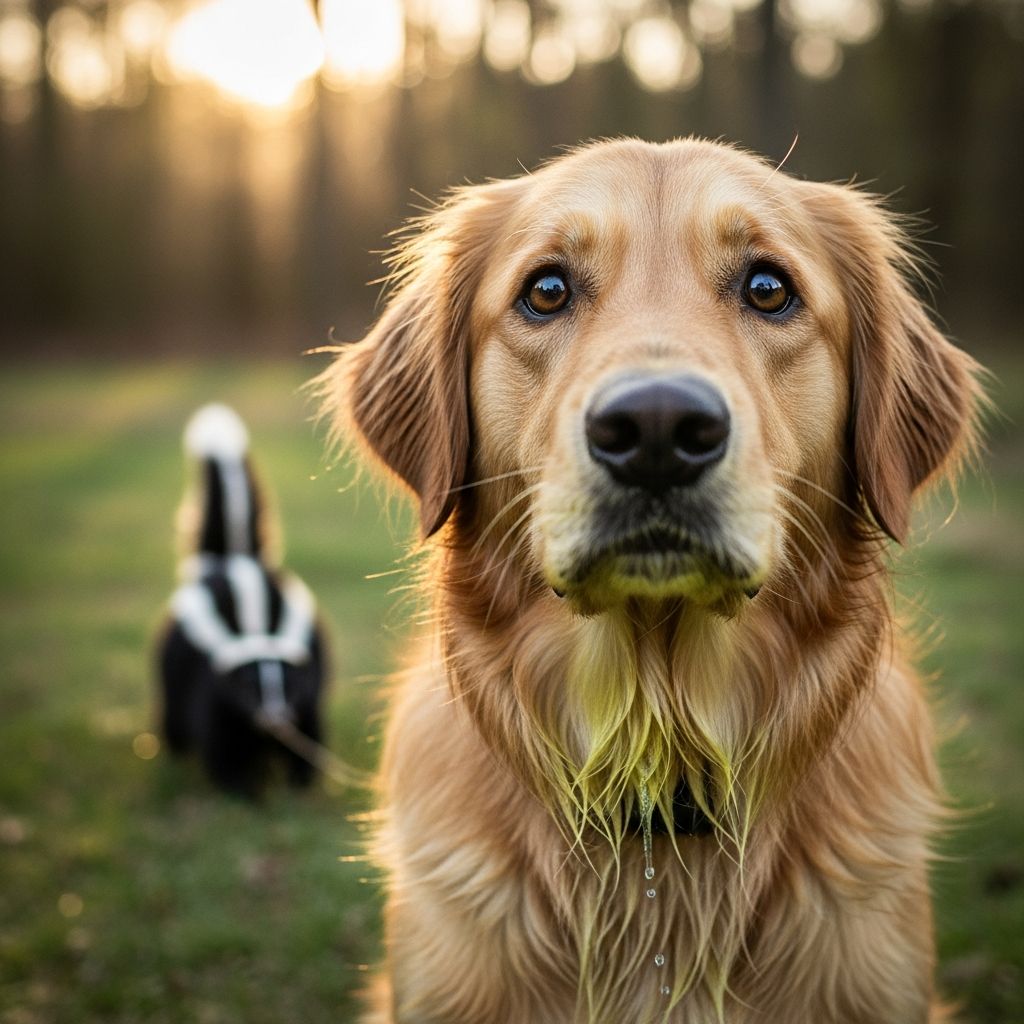
Encountering a skunk is one of the most unpleasant experiences a dog owner can face. The distinctive, pungent odor of skunk spray is notoriously difficult to remove and can quickly become overwhelming for both you and your pet. However, knowing how to respond immediately after your dog gets sprayed can make all the difference in managing the situation effectively and ensuring your dog’s health and safety. While most skunk spray incidents can be handled at home with proper decontamination techniques, certain situations require immediate veterinary attention. This comprehensive guide will walk you through everything you need to know about handling a skunked dog.
Immediate Assessment: Check for Eyes and Mouth Contact
The first and most critical step after your dog gets sprayed is to perform a quick visual assessment. Your primary concern should be whether the skunk spray made direct contact with your dog’s eyes or mouth. Skunk spray is an extremely noxious substance, and if it contacts these sensitive areas, immediate veterinary intervention becomes necessary rather than optional.
Look for obvious signs of distress in these areas. Telltale indicators include excessive drooling, repeated vomiting, or visibly red and puffy eyes. Your dog may also paw at their face or rub their face on the ground if they’re experiencing discomfort from spray exposure in the eyes or mouth. If you observe any of these symptoms, do not attempt home treatment. Instead, contact your veterinarian immediately or visit an emergency animal hospital if your regular veterinarian is unavailable. The sooner your dog receives professional care, the faster they can be relieved of their discomfort.
When to Seek Veterinary Care
While most dogs recover from skunk spray without professional intervention, certain circumstances warrant an immediate trip to the veterinarian. Understanding these warning signs can help you make the right decision about whether home treatment is sufficient or if your dog needs professional medical attention.
Immediate veterinary care is necessary if your dog experiences:
– Direct spray contact to the eyes or mouth- Extreme drooling or repeated vomiting- Red, puffy, or severely irritated eyes- Difficulty breathing or respiratory distress- Signs of a skunk bite or scratch wound- Lethargy or extreme weakness following the spray- Loss of appetite that persists beyond a few hours
In severe cases, particularly when a dog has been heavily sprayed or exposed to multiple skunk encounters, veterinarians may recommend blood work to monitor your dog’s health. Dogs that have experienced severe exposure may require IV fluids, supportive medical care, or in extreme cases, even a blood transfusion. After a significant skunk spray incident, closely monitor your dog for 1-3 days and watch for any delayed symptoms that might develop.
Safe Bathing Procedures for Skunk Spray
If your initial assessment indicates that the spray did not directly contact your dog’s eyes or mouth and your dog appears relatively unbothered aside from the smell, you can proceed with home decontamination. The key to successful odor removal is understanding that regular dog shampoo will not work and can actually make the problem worse.
Important bathing location considerations:
– Always bathe your dog outdoors or in an easily cleanable space like a garage or barn- Never bring your dog directly into your house before washing- Skunk spray oils are highly transferable and will quickly spread throughout your home if you’re not careful- Keep the spray away from your dog’s eyes, ears, and mouth during the washing process
The oils from skunk spray are notoriously difficult to remove from fabric, so keeping your dog outside during the washing process is essential. If you must bathe your dog indoors, use a utility sink, bathtub, or shower that you can thoroughly clean afterward.
Why Common Remedies Don’t Work
Many pet owners have heard about using tomato juice to remove skunk odor, but this is actually an ineffective remedy that will only make a huge mess in your house without solving the problem. Similarly, apple cider vinegar and other acidic solutions are not recommended because they don’t actually break down the chemical compounds responsible for the smell.
Skunk spray contains sulfur compounds called thiols that create the distinctive odor. When skunk spray gets wet, these compounds become even more pungent, which is why using regular shampoo alone is counterproductive. Instead, you need a solution that actively breaks down these sulfur compounds through oxidation.
Commercial Skunk Odor Removal Products
If you prefer not to make a homemade remedy, commercial shampoos specifically designed to remove skunk odor are readily available at most pet supply stores and online retailers. These products are formulated to neutralize the sulfur compounds in skunk spray and are often highly effective at removing the odor in a single application.
Many pet owners find it worthwhile to keep a commercial de-skunking shampoo on hand if they live in an area where skunk encounters are common. Having this product readily available means you won’t have to wait until morning to purchase supplies if your dog gets sprayed in the middle of the night. These specialized shampoos are designed to be gentle on your dog’s skin and coat while effectively eliminating odor.
The Proven DIY Skunk Removal Recipe
If you don’t have commercial de-skunking supplies on hand or prefer a budget-friendly option, you can create an effective deodorizing solution using common household items. This recipe has proven highly effective at neutralizing skunk odor and is what many veterinarians recommend to their clients.
Required ingredients and amounts:
– 3 to 4 parts 3% hydrogen peroxide (approximately 1 quart or 4 cups)- 1 part baking soda (approximately ¼ cup)- 1 to 2 teaspoons of liquid dish detergent (preferably blue Dawn brand)
The hydrogen peroxide acts as an oxidizing agent that breaks down the sulfur-based oils in the skunk spray. The baking soda helps absorb and neutralize odors, while the dish detergent helps distribute the mixture evenly throughout your dog’s coat and aids in the washing process.
Critical safety note: Never store this mixture in a closed container. The combination of hydrogen peroxide and baking soda can create pressure and potentially rupture the container. Always prepare a fresh batch immediately before use.
Step-by-Step Application Instructions
Proper application of the de-skunking solution is crucial for maximum effectiveness. Follow these detailed steps to ensure your dog receives the best possible treatment:
Step 1: Prepare your workspace
Gather all your supplies before beginning the bathing process. You’ll need rubber gloves to protect your hands, towels for drying, a bathtub or outdoor area for washing, and the de-skunking solution prepared fresh from the recipe.
Step 2: Apply the mixture while it’s bubbling
Apply the de-skunking solution to your dog’s coat while the mixture is still actively bubbling. The bubbling action helps the solution penetrate your dog’s coat more effectively. Work the solution into the fur thoroughly, paying special attention to areas that are particularly oily or where the spray made the most contact.
Step 3: Wait five minutes
Allow the mixture to sit on your dog’s coat for approximately five minutes. This contact time allows the hydrogen peroxide to fully oxidize the sulfur compounds and neutralize the odor. Avoid the face, eyes, ears, and mouth area during this process.
Step 4: Rinse thoroughly
Rinse your dog thoroughly with copious amounts of fresh water. This step is critical because leaving any residue of the hydrogen peroxide solution on your dog’s coat could potentially irritate their skin. Continue rinsing until the water runs completely clear.
Step 5: Repeat if necessary
Depending on the severity of the skunk spray exposure, you may need to repeat this process more than once. If odor persists after the first treatment, prepare another fresh batch of the solution and repeat the application process.
Important Considerations and Precautions
While the hydrogen peroxide and baking soda solution is safe and non-toxic to your dog’s skin, there are some important considerations to keep in mind. The hydrogen peroxide in this mixture has mild bleaching properties and may slightly lighten your dog’s coat color, particularly if your dog has dark fur. This lightening is temporary and not harmful, but it’s something to be aware of before treating your pet.
Always wear rubber gloves when handling this solution to protect your hands from the hydrogen peroxide. If you have any of this solution on your hands and then touch your eyes or face, it could cause irritation. Additionally, if you notice any redness or skin irritation on your dog after applying the homemade remedy, rinse the affected area immediately with fresh water and contact your veterinarian.
Secondary Bathing with Regular Shampoo
After using the de-skunking solution and thoroughly rinsing it away, give your dog a normal bath with regular dog shampoo or a gentle deodorizing dog shampoo. Even after the hydrogen peroxide treatment, a slimy oily residue will remain from the skunk spray oils. This residue can only be effectively removed with shampoo.
Pay careful attention to areas that feel particularly slimy or oily during this secondary bath. In severe cases, you may need to shampoo your dog more than once to remove all residual oils and restore their coat to its normal condition. A deep conditioning treatment designed for dogs can help restore moisture to your dog’s coat after the treatment process.
Eye Irritation Management
If your dog’s eyes are irritated by skunk spray but not severely affected (meaning no direct hit), you can provide some relief at home. Rinse your dog’s eyes with copious amounts of tepid water for approximately 20 minutes. The gentle flushing action helps remove spray residue and provides comfort to irritated tissues.
Alternatively, you can use a dog-safe veterinary eyewash product if you have one available. If you live in an area where skunks are common and you’ve experienced this problem before, keeping a bottle of specialized veterinary eyewash on hand is a smart precaution. After the rinse, observe your dog’s eyes carefully for continued redness or irritation. If symptoms persist beyond a few hours, contact your veterinarian.
Prevention and Preparedness
While you cannot completely prevent skunk encounters if you live in an area with skunk populations, you can take steps to reduce the likelihood. Keep your yard well-lit at night, secure your trash cans, and supervise your dog during outdoor time, particularly during dawn and dusk when skunks are most active.
Preparedness is also key. If you live in an area where skunk encounters are possible, consider keeping either a commercial de-skunking shampoo or the ingredients for the homemade remedy on hand. Having these supplies readily available means you can treat your dog immediately if a spray incident occurs, rather than waiting until morning to purchase supplies.
When to Contact Your Veterinarian After Treatment
Even after successful home treatment of skunk spray, monitor your dog carefully for the following 1-3 days. Contact your veterinarian if your dog develops any of these symptoms:
– Persistent lethargy or lack of energy- Continued loss of appetite- Vomiting or signs of gastrointestinal distress- Excessive drooling that doesn’t resolve- Persistent eye irritation or discharge- Respiratory symptoms or difficulty breathing- Signs of infection at any bite or scratch wounds
Frequently Asked Questions
Q: Is skunk spray toxic to dogs?
A: Skunk spray itself is not toxic, but ingesting it can cause nausea and gastrointestinal upset. Direct contact with eyes or mouth requires immediate veterinary attention. Most dogs recover from spray exposure without long-term effects when treated promptly.
Q: Can I use tomato juice to remove skunk odor?
A: No, tomato juice is ineffective at removing skunk odor and will only create a messy situation. It masks the smell temporarily but does not neutralize the sulfur compounds responsible for the odor. Stick with commercial de-skunking shampoos or the hydrogen peroxide and baking soda solution.
Q: How long does skunk smell last on a dog?
A: Without treatment, skunk odor can persist for weeks or even months. With proper treatment using an appropriate de-skunking solution, most of the odor can be removed in a single bathing session, though faint traces may linger for a few days.
Q: Can the hydrogen peroxide mixture damage my dog’s coat?
A: The hydrogen peroxide solution may cause slight temporary lightening of your dog’s coat color, particularly in dark-furred dogs. This is not harmful and typically reverses as new hair grows in. The solution is safe for your dog’s skin when used as directed.
Q: What should I do if my dog gets sprayed in the face?
A: If the spray hits your dog’s face, eyes, or mouth, seek immediate veterinary care. While waiting for your appointment, you can gently rinse your dog’s eyes with cool water for 20 minutes to provide relief. Never apply the de-skunking solution to these areas.
Q: Is it safe to keep the hydrogen peroxide mixture stored at home?
A: No, never store this mixture in a closed container. The combination of hydrogen peroxide and baking soda can create pressure and potentially rupture the container. Always prepare a fresh batch immediately before use.
References
- What to Do When Your Dog Gets Skunked — Cornell University College of Veterinary Medicine, Riney Canine Health Center. 2024. https://www.vet.cornell.edu/departments-centers-and-institutes/riney-canine-health-center/canine-health-topics/what-do-when-your-dog-gets-skunked
- What to Do If Your Dog Gets Sprayed by a Skunk — American Society for the Prevention of Cruelty to Animals (ASPCA). 2024. https://www.aspca.org/news/what-do-if-your-dog-gets-sprayed-skunk
- How to Get Skunk Smell Off Your Dog — American Kennel Club (AKC). 2024. https://www.akc.org/expert-advice/health/dog-sprayed-by-skunk/
- How To Get Skunk Spray and Smell off a Dog — PetMD. 2024. https://www.petmd.com/dog/general-health/how-to-get-skunk-smell-spray-off-a-dog
- Dog Sprayed By Skunk in The Face: What to Do — Sunset Animal Hospital. 2024. https://sunsetanytime.com/blog/dog-sprayed-by-skunk-in-the-face/
Similar Articles







Read full bio of Sneha Tete