

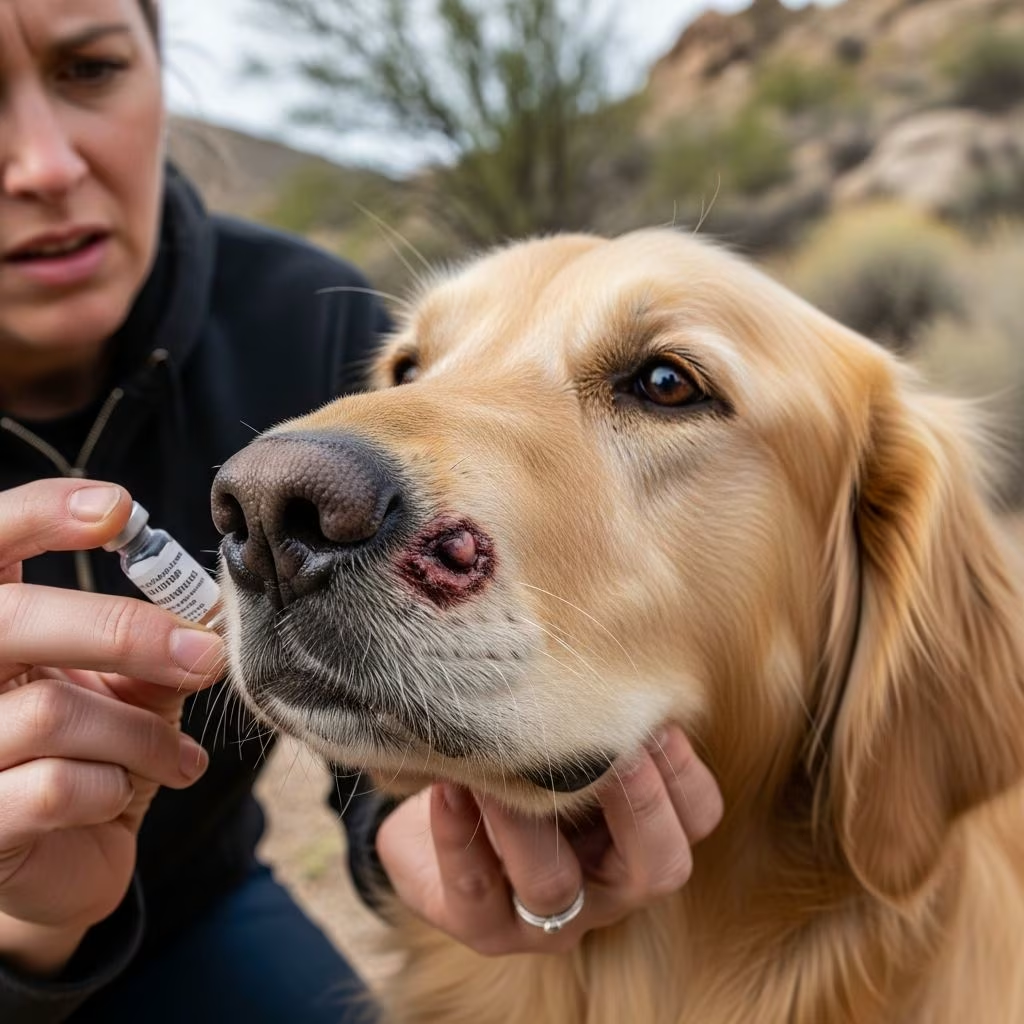
What to Do if Your Dog Gets Bit by a Rattlesnake
A rattlesnake bite can be a life-threatening emergency for your dog, requiring immediate veterinary attention. Rattlesnakes are pit vipers that deliver potent venom designed to disable their prey, and when a dog is bitten, the consequences can be severe and rapidly progressive. Understanding how to recognize the signs of a rattlesnake bite, knowing what immediate actions to take, and understanding the treatment options available can mean the difference between life and death for your beloved pet.
Understanding Rattlesnake Venom and Its Effects
Rattlesnake venom contains toxins that affect dogs in different ways depending on the specific species of rattlesnake involved. The venom typically contains two main types of toxins with distinct mechanisms of action on the body.
Type A toxin is highly neurotoxic, meaning it attacks the nervous system directly. This type of venom causes symptoms such as muscle weakness, incoordination (ataxia), paralysis, and in severe cases, breathing difficulties that can be life-threatening.
Type B toxin is more commonly found in other rattlesnake species and is approximately 10 times less toxic than Type A. This toxin is hemotoxic, affecting the circulatory system by damaging blood vessels, destroying red blood cells, and interfering with the body’s normal blood clotting processes. Type B venom can also lead to tissue death (necrosis) around the bite site.
Most rattlesnake bites in dogs result in hemotoxic effects, characterized by rapid and significant swelling, tissue damage, and disruption of blood clotting mechanisms. Understanding these effects helps explain why immediate veterinary intervention is crucial.
Recognizing Rattlesnake Bite Symptoms in Dogs
Recognizing the signs of a rattlesnake bite is essential for prompt treatment. Symptoms typically appear and progress rapidly after the initial bite, often worsening significantly within the first few hours.
Immediate Signs at the Bite Site
- Two distinct puncture wounds: Rattlesnakes have two large fangs that leave characteristic paired puncture marks, typically spaced evenly apart. However, if swelling is severe, these marks may not be visible.
- Excessive bleeding: Rattlesnake venom contains anticoagulant properties that disrupt the body’s normal clotting mechanisms, causing excessive bleeding from the wound that may not stop easily.
- Rapid and severe swelling: Swelling from rattlesnake bites is hemotoxic in nature, meaning it develops quickly and can continue for up to 36 hours. The affected area may become dramatically enlarged.
- Bruising or discoloration: The area surrounding the bite may show bruising, discoloration, or darkening of the skin as tissue damage occurs.
- Pain and tenderness: While rattlesnake bites are less painful than some other snake bites, they are still quite painful. Dogs often show signs of discomfort through limping, whining, or constant licking of the bite site.
Systemic Symptoms Affecting the Whole Body
- Lethargy or weakness: Venom can significantly impact your dog’s energy levels, causing sluggishness or sudden collapse as the body struggles to cope with the venom’s effects.
- Drooling or panting: Excessive salivation and rapid, shallow breathing are common responses to venom exposure.
- Nausea or vomiting: Digestive upset is a frequent symptom as the venom affects multiple body systems.
- Trembling or twitching: Muscle tremors, shaking, and involuntary muscle movements may occur, particularly with neurotoxic venom.
- Increased heart rate: The dog’s heart may race as it responds to the venom and stress of the bite.
- Labored or difficult breathing: Venomous snake bites can cause respiratory distress, which is a serious sign requiring immediate veterinary care.
Severe and Life-Threatening Symptoms
In more serious cases, you may observe symptoms indicating severe systemic envenomation:
- Sudden, painful swelling on the face, neck, or limbs that develops rapidly
- Severe tissue damage or visible necrosis near the bite wound
- Weak pulse or low blood pressure indicating shock
- Pale gums, cold limbs, or rapid breathing (signs of shock)
- Neurological signs including confusion, inability to stand, or complete paralysis
- Irregular bleeding from the nose, mouth, or other areas
- Dark, discolored, or bloody urine indicating internal damage
- Inability to control bladder and bowels
- Dilated pupils or inability to blink normally
- Collapse followed by apparent recovery (which may falsely suggest improvement)
Immediate Actions to Take After a Rattlesnake Bite
If you witness your dog being bitten by a rattlesnake or suspect a bite has occurred, time is absolutely critical. The actions you take in the first few minutes can significantly impact your dog’s survival and recovery.
What to Do Immediately
- Call your veterinarian immediately: Before doing anything else, contact your veterinarian right away and confirm they have antivenom available at their clinic. Time is of the essence in rattlesnake bite cases, and the sooner your dog receives professional care, the higher the likelihood of a positive recovery outcome.
- Keep your dog calm and quiet: Movement increases heart rate and circulation, which can accelerate the spread of venom throughout the body. Minimize your dog’s activity and keep them as calm as possible.
- Remove any constricting items: Take off any collars, harnesses, or tags that might restrict blood flow, as swelling will occur around the bite site.
- Keep the bitten area immobilized: If the bite is on a leg, avoid manipulation and keep the limb as still as possible to slow venom distribution.
- Transport carefully to the veterinarian: Get your dog to the veterinary clinic as quickly and calmly as possible. Avoid excessive jostling or excitement during transport.
Critical Actions to Avoid
It is essential to understand what NOT to do after a rattlesnake bite, as several common misconceptions can actually worsen your dog’s condition:
- Never attempt to suck out the venom: This is ineffective and can introduce infection or cause additional tissue damage.
- Never use a tourniquet: Tourniquets restrict blood flow and can lead to tissue death and loss of the limb.
- Never apply ice directly to the bite: Ice can cause frostbite and additional tissue damage.
- Never incise or cut the wound: Cutting the bite will only increase bleeding and tissue damage without removing venom.
- Never give your dog food or water: Your dog may require anesthesia or surgery, and an empty stomach is necessary for safety.
- Never wait to see if symptoms improve: Even if your dog seems to recover partially, internal damage is likely occurring and veterinary care cannot be delayed.
Veterinary Treatment for Rattlesnake Bites
Once your dog arrives at the veterinary clinic, they will be treated as a true medical emergency. Veterinarians have specific protocols for managing rattlesnake bites that focus on stabilization, venom neutralization, and symptom management.
Initial Assessment and Stabilization
Upon arrival, your veterinarian will conduct a thorough assessment of your dog’s condition before beginning treatment. This includes evaluating vital signs such as heart rate, breathing rate, and gum color to determine the severity of the reaction to the venom. Blood pressure may also be checked to identify signs of shock.
Antivenom Administration
The cornerstone of treatment for rattlesnake bites is antivenom, which is considered the most effective treatment available for venom neutralization. Antivenom works by binding to the snake’s venom and removing it from circulation, helping to reduce swelling, pain, tissue damage, and the overall risk of death.
Antivenom is administered intravenously via pre-dosed vials and is most effective when given as soon as possible after a bite. Research has shown that antivenom can remain effective even hours after a bite has occurred, though earlier administration generally produces better outcomes. Some dogs may require only a single vial of antivenom, while others with more severe bites or delayed treatment may need multiple doses. Your veterinarian will monitor your dog closely to determine the appropriate amount of antivenom needed.
While antivenom can be quite expensive, most veterinary clinics can provide critical supportive care even if they do not have antivenom available on-site, though having it available at your chosen clinic is ideal.
Fluid Therapy and Supportive Care
Intravenous fluid therapy is often administered to maintain hydration and support blood circulation, particularly important if your dog is experiencing shock or blood loss. Fluids help flush the system and maintain organ function during the recovery period.
Pain Management
Being bitten by a rattlesnake is extremely painful, and the tissue damage and swelling caused by venom intensifies the pain. Your veterinarian will administer pain medications to keep your dog comfortable and ease their suffering. Additional pain relief medications may be prescribed for use during the recovery period at home, and it is important to use these only as directed by your veterinarian.
Wound Care and Infection Prevention
The veterinarian will thoroughly clean the bite wound. Antibiotics may be prescribed if there is evidence of tissue necrosis or abscess formation, though this is not always necessary. In some cases, wound debridement (removal of dead tissue) may be needed to promote healing and prevent infection.
Ongoing Monitoring
After antivenom and initial treatments have been administered, your veterinarian will focus on continuous monitoring of your dog’s condition. Your pet will be observed for:
- Signs of shock
- Blood clotting disorders
- Organ failure
- Neurological symptoms
- Changes in vital signs
- Progression of swelling
- Evidence of infection
Laboratory tests and blood work may be performed to monitor your dog’s blood values and assess for coagulopathies or other systemic effects of the venom. Your veterinarian will keep you informed of your dog’s progress and any changes in their treatment plan.
Advanced Treatment Options
In some cases, additional treatments may help speed recovery, including laser therapy and hyperbaric oxygen therapy. Your veterinarian will discuss whether these options are appropriate for your dog’s specific situation.
Recovery and Aftercare
Recovery from a rattlesnake bite is often a gradual process that extends beyond the initial hospitalization. Your dog may require continued pain management, monitoring for complications, and careful activity restriction during the healing period. Follow all of your veterinarian’s instructions regarding medication, activity level, and follow-up appointments to ensure the best possible outcome.
Prevention and Rattlesnake Vaccine Considerations
A rattlesnake vaccine is available for dogs, though it is important to understand its limitations. Currently, there are no published studies that definitively document the vaccine’s efficacy in preventing rattlesnake bite complications. The vaccine may lessen clinical signs in some dogs, but it may not completely protect a pet from the effects of venom. Even vaccinated pets should be examined by a veterinarian promptly if a bite is witnessed or suspected, as the vaccine is not a reliable substitute for emergency treatment.
The best prevention remains avoiding rattlesnake encounters by keeping your dog on a leash in snake-prone areas, avoiding tall grass and brush where snakes hide, and being especially cautious during warm months when snakes are most active.
Frequently Asked Questions
Q: How quickly do symptoms appear after a rattlesnake bite?
A: Symptoms typically appear and progress rapidly after the initial bite, with swelling and systemic effects often becoming noticeable within minutes to hours. This is why immediate veterinary care is critical.
Q: Can a dog survive a rattlesnake bite without antivenom?
A: While some dogs may survive with supportive care alone, antivenom significantly improves survival rates and reduces complications. Veterinary clinics can provide critical supportive care even without antivenom available, but having access to antivenom provides the best outcome.
Q: How long does recovery typically take?
A: Recovery timelines vary depending on the severity of the bite and the dog’s response to treatment. Some dogs recover within days while others may take weeks to return to normal activity levels. Your veterinarian will provide specific guidance based on your dog’s condition.
Q: What is the cost of treating a rattlesnake bite?
A: Treatment costs vary significantly depending on the severity of the bite, whether antivenom is needed, hospitalization duration, and any complications. Costs can range from several hundred to several thousand dollars, making pet insurance valuable for dog owners in snake-prone areas.
Q: Should I give my dog the rattlesnake vaccine?
A: While the vaccine is available, current evidence does not strongly support its efficacy in preventing venom complications. Discuss with your veterinarian whether vaccination might be appropriate for your dog based on your location and lifestyle, understanding that it should not replace prompt emergency treatment if a bite occurs.
Q: Can I identify which type of rattlesnake bit my dog?
A: If possible, try to safely observe or photograph the snake without approaching it, but your safety is paramount. Provide any information about the snake to your veterinarian, though treatment protocols are generally similar regardless of the specific species involved.
References
- Everything You Need to Know About Dog Rattlesnake Bites — Reata Veterinary Hospital. 2024. https://www.reataveterinaryhospital.com/services/dogs/blog/everything-you-need-know-about-dog-rattlesnake-bites
- Dog Snake Bite Symptoms — Montgomery Veterinary Associates. 2024. https://mvavets.com/blog/dog-snake-bite-symptoms/
- What to Do if Your Dog Gets a Rattlesnake Bite — VEG ER for Pets. 2024. https://www.veg.com/post/dog-rattlesnake-bite
- A Guide To Snake Bites On Dogs – Signs, Symptoms & Treatment — Animal Emergency Service. 2024. https://animalemergencyservice.com.au/blog/a-guide-to-snake-bites-on-dogs/
- Snakebite 101 — Advanced Veterinary Specialists. 2024. https://www.avs4pets.com/blog/snakebite-101
- Snakebites in Animals – Toxicology — Merck Veterinary Manual. 2025. https://www.merckvetmanual.com/toxicology/snakebite/snakebites-in-animals



