

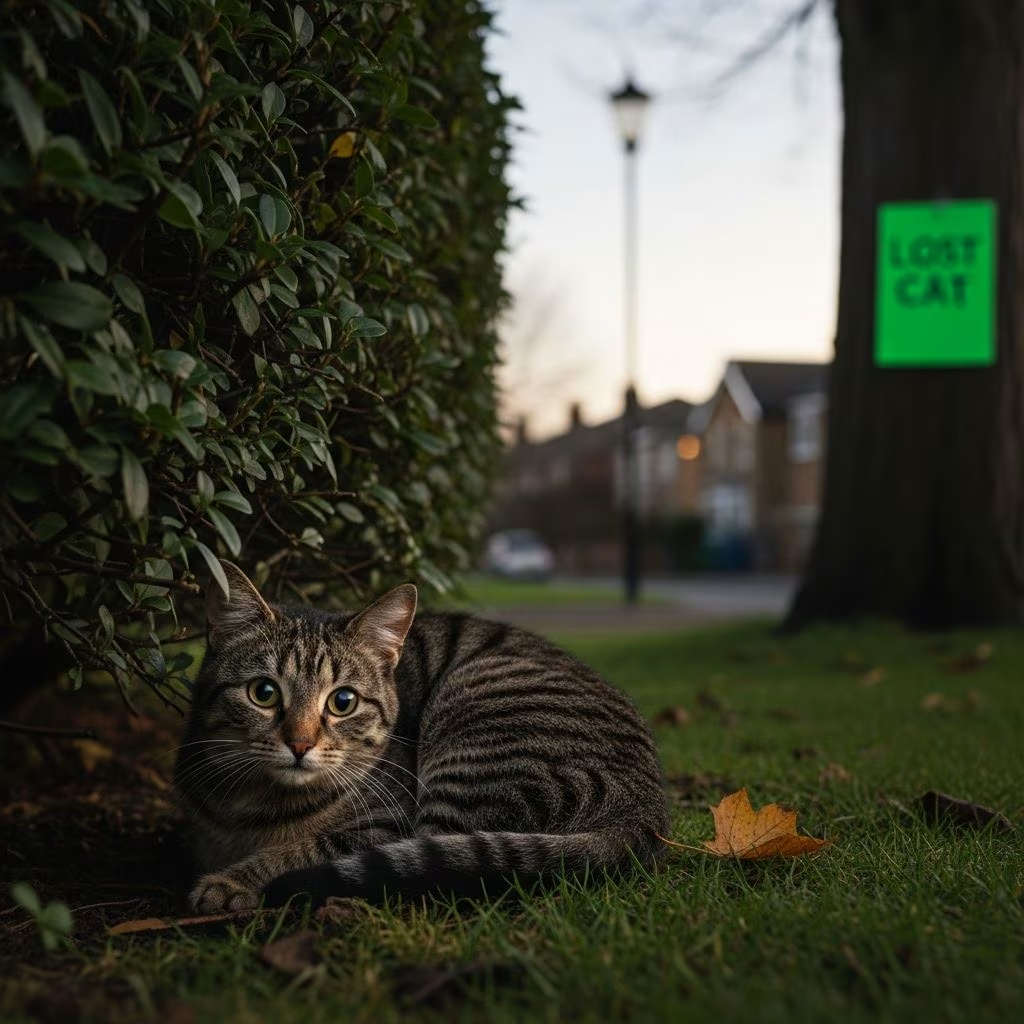
What to Do If Your Cat Goes Missing: A Complete Guide
Cats are known for their independence and love of exploration, wandering through neighbourhoods and investigating their territories. However, when your feline companion doesn’t return home after a few hours or days, panic can quickly set in. Understanding what to do when your cat goes missing is crucial for increasing the chances of a safe reunion. This comprehensive guide provides expert-backed advice on immediate actions, search strategies, and preventive measures to help you navigate this stressful situation.
Understanding Lost Cat Behaviour
Before implementing search strategies, it’s essential to understand how cats behave when they become lost or displaced. This knowledge directly influences your approach and increases the likelihood of recovery.
The Hiding Response is one of the most critical aspects of lost cat behaviour. When cats are displaced into an unfamiliar area, they typically enter a defensive mode and hide in silence, often not far from where they escaped. Unlike dogs, lost cats rarely call out for help. Instead, they remain concealed, frightened, and disoriented by their strange surroundings. This behaviour stems from their survival instincts—hiding keeps them safe from perceived threats.
Territorial Anxiety plays a significant role in how displaced cats respond to their environment. Cats are highly territorial animals, and when removed from their familiar territory, they experience considerable stress. They establish what experts call a “core territory”—their home and garden where they feel safest with access to key resources and rest areas. When cats venture beyond this space into unfamiliar territory, they may freeze, hide, or exhibit fearful behaviour rather than actively searching for their way home.
The Silence Factor is particularly important for cat owners to understand. Many lost cats will not meow or vocalize their location, even when they hear their owner’s voice. This silence can make searching considerably more difficult, as you cannot rely on auditory cues. Instead, focus on visual searches and understanding where a frightened cat might hide.
Immediate Actions to Take
The first few hours after discovering your cat is missing are critical. Taking swift action significantly improves recovery chances.
- Search Your Home Thoroughly: Before assuming your cat has escaped, conduct an exhaustive search of your home. Check closets, under furniture, behind appliances, and any dark, enclosed spaces. Frightened cats sometimes hide in unexpected places and may not respond immediately to your calls.
- Search the Immediate Area: Expand your search to the immediate neighbourhood, focusing on areas within a few houses of your home. Search during quiet times, preferably early morning or late evening when there’s less activity and your cat is more likely to emerge from hiding.
- Check Common Hiding Spots: Look in bushes, under porches, in sheds, garages, and similar sheltered areas where a scared cat might take refuge. Remember that lost cats often hide close to their escape point rather than wandering far away.
- Use Food as a Lure: Place your cat’s favourite food and water outside your home. The familiar scent of food can help draw your cat out of hiding, though the aroma alone may not overcome their fear response.
- Shake a Treat Container: The sound of treats may trigger your cat’s curiosity and encourage them to investigate, even if they won’t respond to vocal calls.
Notifying Others and Spreading the Word
Getting the word out about your missing cat is essential for enlisting community help and reaching potential sightings.
- Contact Local Animal Shelters: Immediately inform all local animal shelters, rescue organisations, and veterinary clinics. Provide them with your cat’s description, microchip number, and contact information. Check with these facilities regularly, as lost cats are sometimes brought in by compassionate individuals.
- File a Lost Pet Report: Register your missing cat with online lost pet databases and microchip registries. Ensure your contact information is current in your cat’s microchip registry, as this is often how lost cats are reunited with their owners.
- Create and Distribute Posters: Design clear, eye-catching posters with high-quality photos of your cat, description, microchip number, and your contact information. Post these in your neighbourhood, at local shops, on community notice boards, and on telephone poles. Include multiple contact numbers if possible.
- Use Social Media: Share your cat’s photo and details on local community groups, lost pet pages, and social media platforms. These digital channels reach large audiences quickly and can generate leads from your community.
- Notify Neighbours: Personally inform nearby neighbours about your missing cat. Provide them with your contact information and ask them to check their gardens, sheds, and other spaces where a cat might hide.
- Contact Local Vets and Pet Services: Inform veterinary clinics, pet groomers, and cat boarding facilities in your area, as they may receive reports of lost cats or sightings from their clients.
Understanding Your Cat’s Homing Instinct
Cats possess well-developed homing instincts that vary in strength from one individual to another. These instincts are based on their exceptional sense of smell and their mental maps of their home and surrounding areas. Cats can navigate using sight and scent, and some lost cats have been known to find their way home after weeks, months, or even years of absence.
However, a cat’s homing instinct is most effective when they are within their familiar territory or “home range.” When displaced far from home into completely unfamiliar areas, their homing abilities become less reliable. Additionally, cats are naturally drawn to locations where they are regularly fed or where they interact with familiar people. This understanding is why encouraging neighbours to leave food out and maintaining a familiar scent environment around your home can be beneficial.
Extended Search Strategies
If your cat doesn’t return within the first few days, implement more comprehensive search strategies.
- Expand Your Search Radius: Gradually extend your search area in widening circles from your home. Conduct searches at different times of day and in varying weather conditions, as your cat may be more active during certain times.
- Use Motion-Activated Cameras: Set up wildlife cameras near your home and in surrounding areas. These cameras can capture images of your cat and help you understand their movements and location.
- Work with Experienced Lost Cat Specialists: Consider consulting with professionals who specialise in lost cat recovery. These experts understand lost cat behaviour and can provide targeted advice specific to your situation.
- Search at Night: Many lost cats are more active during nighttime hours when there’s less human activity and traffic. Conduct searches with a torch or flashlight to spot reflective eye shine.
- Leave Out Items with Familiar Scents: Place items with your scent, such as worn clothing, outside your home. The familiar human scent may draw your cat closer to home.
Why Cats Go Missing for Extended Periods
Understanding the reasons behind extended absences can help you tailor your response. Cats are independent creatures and may choose to reduce their presence at home if they are unhappy or seeking something beyond their current territory. Some cats may have found alternative food sources, become injured and unable to return, or become disoriented and unable to navigate back home. Age, health status, and temperament all influence how long a cat might remain missing and their ability to find their way home.
Prevention: Reducing the Risk of Your Cat Going Missing
While searching for a lost cat is stressful, prevention is always preferable. Implementing protective measures significantly reduces the likelihood of your cat going missing in the first place.
- Microchip Your Cat: Ensure your cat is microchipped and that your contact information is current in the microchip registry. Microchipping is one of the most reliable ways to identify and reunite lost cats with their owners.
- Use Identification Collars: Equip your cat with a collar bearing a tag with your name and phone number. Many lost cats are reunited with their owners through collar identification before they ever reach a shelter.
- Keep Recent Photos: Maintain several clear, recent photos of your cat showing distinguishing features, markings, and colours. These photos are essential for creating posters and spreading the word if your cat goes missing.
- Maintain Current Veterinary Records: Keep detailed records of your cat’s appearance, including any scars, distinctive markings, or health issues. This information is invaluable when describing your cat to shelters and veterinary clinics.
- Secure Your Home: Ensure doors and windows close securely and cannot be accidentally left open. Consider installing cat-proof screens or secure enclosures for outdoor access.
- Supervise Outdoor Time: If your cat spends time outdoors, supervise them whenever possible. Use a harness and lead for walks, or provide a secure outdoor enclosure (catio) where they can enjoy fresh air safely.
- Create a Safe Indoor Environment: Make indoor living enriching and stimulating to reduce your cat’s desire to roam outdoors in search of stimulation.
When to Seek Professional Help
If your cat remains missing after several days or weeks, professional assistance can provide valuable support. Lost cat recovery specialists understand feline behaviour deeply and can offer insights specific to your situation. They may employ tracking methods, analyse territorial patterns, and provide guidance on search strategies tailored to your cat’s likely behaviour.
Frequently Asked Questions
Q: How long can a cat survive missing?
A: Cats can survive for weeks or longer when missing, depending on access to water and food sources. However, the first few days are critical for recovery. Many lost cats are found within the first week when owners conduct thorough searches and notify their communities.
Q: Will my cat come home if I leave the door open?
A: Some cats will return home if they recognise the familiar location and feel safe doing so. However, a lost cat in an unfamiliar area may be too frightened to approach an open door. Leaving familiar scents and food outside is more effective than leaving a door open unattended.
Q: Should I call my cat’s name when searching?
A: While calling your cat’s name may not trigger a response from a frightened lost cat, it’s still worthwhile to try, as some cats will respond, particularly if they are within hearing range and not in complete panic mode. Combine vocal calls with visual searches and food lures.
Q: Is microchipping really necessary?
A: Yes, microchipping is one of the most reliable forms of permanent identification. Even if your cat loses its collar, a microchip provides a permanent way for shelters and veterinary clinics to identify your cat and reunite you. Ensure your contact information is kept current in the microchip registry.
Q: What should I do if I spot my cat but they run away?
A: If your lost cat is frightened and runs away, don’t chase them as this often drives them further away. Instead, remain calm, leave food and familiar items nearby, and observe from a distance. Return to the location at regular intervals, gradually allowing your cat to become comfortable with your presence before attempting to approach.
Q: How can I make my home more appealing to my returning cat?
A: Leave food and water outside your home, place items with your scent in the area, and create a quiet, safe space where your cat can approach without fear. Maintain a consistent presence around your home so your cat recognises familiar sights and sounds.
References
- How Cats Find Their Way Home After Going Missing For Years — Kinship. https://www.kinship.com/uk/cat-behaviour/cat-homing-instinct
- Lost Cat Behavior — Missing Animal Response Network. https://www.missinganimalresponse.com/lost-cat-behavior/
- Analysis of Lost Cat Behavior — Cat Writers Association. https://catwriters.com/wp-content/uploads/2015/01/07seminar-albrecht.pdf
- What to Do If Your Cat Goes Missing — Kinship. https://www.kinship.com/uk/cat-behaviour/what-to-do-if-your-cat-goes-missing
- The Kinship Between Cats and Dogs — Petworks. https://www.petworks.com/articles/the-kinship-between-cats-and-dogs/



