

What to Do if You Find a Lost Dog: A Complete Guide
Finding a lost dog can be an emotional experience, but how you respond in those critical first moments can make all the difference in keeping the animal safe and helping reunite it with its owner. Whether the dog appears friendly or frightened, understanding the proper approach and next steps is essential for ensuring the best outcome. This guide will walk you through everything you need to know when you encounter a lost dog.
How to Safely Approach a Lost Dog
Your first instinct when seeing a lost dog might be to rush toward it, but this approach can actually put both you and the animal at risk. A lost dog is likely confused, scared, or disoriented, and sudden movements or direct approaches can trigger fear-based behaviors or cause the dog to flee into traffic or dangerous situations.
Reading the Dog’s Body Language
Before you make any move, carefully observe the dog’s behavior and body language. Look for signs of friendliness such as a wagging tail, relaxed posture, or ears in a neutral position. A friendly dog may approach you directly or show curiosity about your presence. Conversely, watch for signs of fear or aggression, including a tucked tail, pinned-back ears, growling, bared teeth, or a stiff, tense body posture. Dogs that show fearful or aggressive signals should be approached differently than those displaying friendly behavior.
Proper Approach Techniques
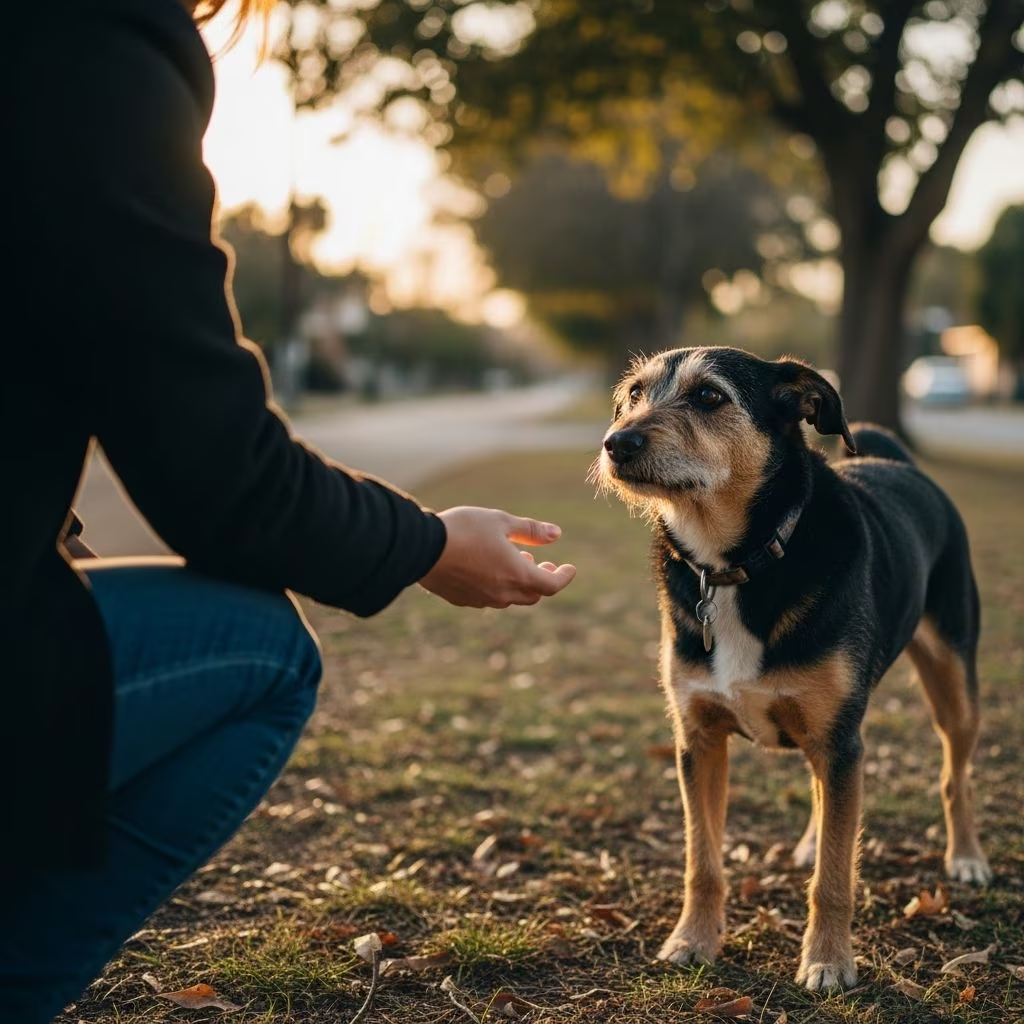
If the dog is exhibiting friendly behavior and you feel safe, crouch down to their level and turn your body slightly to the side. This non-threatening posture communicates friendly intent and makes you appear less intimidating to the dog. Speak in a friendly, high-pitched voice to maintain the found dog’s attention and help calm their anxiety. Remove any sunglasses or hats during your interaction, as these accessories can be perceived as threatening to dogs and may escalate their fear or anxiety.
Avoid direct eye contact, which dogs may interpret as a challenge or threat. Instead, use soft, peripheral vision and maintain a calm demeanor. Allow the dog to approach you at their own pace rather than pursuing them aggressively. If the dog seems hesitant, sit down on the ground—this non-threatening position often encourages nervous dogs to feel more comfortable investigating you.
Using Treats and Positive Reinforcement
If you have dog treats available, use them to gently coax the dog toward you. Crinkle the treat bag or open a favorite food container that might spark recognition and curiosity. Toss treats gradually, slowly reducing the distance between you and the dog until the treat is in your hand. This technique allows you to establish trust at the dog’s own pace while rewarding them for moving closer to you.
Familiar-smelling items can also help attract the dog. If you have access to an item that smells like their home or previous owners, such as clothing or blankets, placing these near you can provide additional encouragement for the dog to approach. Patience is crucial during this process—movement can scare a nervous dog, so you may need to remain still and wait for them to become comfortable with your presence.
What If the Lost Dog Is Injured?
If you discover that the lost dog is struggling to stand, limping severely, or is otherwise visibly injured, contact your local municipal shelter immediately rather than attempting to handle the situation yourself. Even the friendliest dog may bite as a defensive response to pain, and moving an injured animal incorrectly can worsen their injuries or cause additional trauma.
Professional shelter staff and veterinarians are trained to handle injured animals safely and humanely. They possess the proper equipment, expertise, and authorization to transport injured dogs and provide immediate veterinary care if needed. By contacting local authorities, you ensure the dog receives professional medical attention and appropriate care from individuals equipped to help.
Should I Put the Found Dog in My Vehicle?
Once you’ve successfully coaxed the dog to you and they’re responding positively to your presence, you may consider transporting them to a shelter or veterinary clinic to speed up the reunion process. However, this requires careful consideration and caution. If the dog is calm and cooperative, transportation can be beneficial. However, never force an unwilling dog into your vehicle.
If a dog panics during transport, they may cause serious hazards while you’re driving—jumping around, attempting to escape, or distracting you from the road. If you must transport the dog, ensure you have a secure carrier or use a pet barrier to keep them safely contained. Have another person present if possible to monitor the dog during transit and ensure they remain calm and secure.
Should I Take the Found Dog Home With Me?
If the dog isn’t injured and you’re comfortable caring for them temporarily, bringing them home is a reasonable option while you locate their owner. However, several important precautions should be taken to protect your own pets and property.
Initial Care and Safety Measures
Before bringing the found dog into your home, take them for a walk on a dog leash if possible. This serves multiple purposes: it relieves anxiety accumulated from being lost, allows the dog to eliminate waste before entering your home, and gives you additional time to assess their behavior and temperament. A tired dog is often calmer and less likely to display destructive or anxious behaviors indoors.
To prevent the transmission of illness or disease, keep the found dog separated from your own pets for several days. Use a secure room such as a laundry room, bathroom, or bedroom with a closed door, or utilize a pet gate to create a safe, contained space. This separation period allows you to monitor the found dog for signs of illness while protecting your own animals from potential exposure to parasites, viruses, or bacteria.
Preparing Your Home
Before introducing the found dog to your home space, thoroughly dog-proof the area where they’ll be staying. Remove or secure items they could chew or that might injure them, including electrical cords, decorative items, medications, chemicals, and small objects that pose choking hazards. Ensure all trash cans are secured and inaccessible. Check that windows and doors are secure and that the dog cannot escape.
Providing Essentials
Provide the found dog with adequate dog food, fresh water, and a comfortable place to rest until you can return them to their home. Use a food and water bowl, and offer a dog bed, blanket, or cushion for sleeping. Keep the dog’s routine as calm and predictable as possible to minimize stress. Monitor their behavior, appetite, and bathroom habits for any signs of illness or distress.
How to Locate the Pet Parent
Once the found dog is safe and secure, your priority becomes locating their owner. There are several resources and methods you can use to reunite the dog with their family.
Check for Identification Tags
The quickest way to return a lost dog is through their identification tag. Examine the dog’s collar carefully for any tags containing contact information. Call the phone number on the tag immediately to reach the owner. If the tag provides a veterinary clinic name, contact that clinic—they may have additional owner information on file and can facilitate contact.
Microchip Scanning
If the dog doesn’t have visible identification tags, take them to a veterinary office where staff can scan for a microchip. Microchipping significantly increases the likelihood of reuniting a lost pet with their owner. A microchip is a small device implanted under the dog’s skin, typically containing registration information linked to the owner’s contact details in a national database.
When veterinary staff scan the microchip, they can access the registration information and contact the owner directly or provide you with the phone number. This method has proven highly effective, especially for dogs that have lost their collars or tags. If the dog you’ve found has a microchip, the registered owner can typically be located within hours.
Contact Local Shelters and Humane Societies
Reach out to your local animal shelter or humane society immediately. These organizations maintain lost-and-found databases and are the first places owners check when searching for missing pets. Provide shelter staff with a detailed description of the dog, including breed, size, color, any distinctive markings, and where you found them. Ask if anyone has recently reported a missing dog matching this description.
Many shelters can cross-reference their reports and let you know if the dog’s owner has already filed a missing pet report. Shelters and humane societies have extensive networks and access to social media platforms, allowing them to quickly spread information about found dogs to a wide audience. They can also advise you on local lost-and-found protocols and help facilitate communication between you and potential owners.
Create and Share Found Dog Fliers
Design printed fliers with clear photographs of the found dog, a brief physical description, the date and location where you found them, and your contact phone number. Distribute these fliers throughout the neighborhood where the dog was found, at local businesses, veterinary clinics, dog parks, and community centers. Ask friends and family to help spread the word.
Include practical information on how to safely approach the dog in case they’re wary of strangers. This helps potential owners recognize their pet and contact you appropriately. Fliers remain an effective method for reaching community members who may know the dog’s owner.
Leverage Social Media and Online Platforms
Post detailed information and clear photos of the found dog on social media platforms, local community Facebook groups, and pet-specific websites like Pawboost or Finding Rover. These platforms allow information to spread rapidly and reach people beyond your immediate neighborhood. Include specific details about where and when the dog was found, its appearance, and your contact information.
Tag local animal shelters, humane societies, rescue organizations, and veterinary clinics in your posts to maximize visibility. Ask followers to share the post to expand your reach even further. Online platforms have become increasingly effective for reuniting lost pets with their owners, often resulting in successful reunions within days.
Important Prevention for Future Situations
Maintaining current identification is essential for all pet owners. Ensure your own dog’s ID tags are visible, legible, securely attached to their collar, and contain updated contact information. If your phone number changes, update the tags immediately. Consider including a backup phone number or noting that your dog is microchipped on the tag itself.
If you own a dog, microchipping provides an additional layer of protection beyond traditional tags. Register your dog’s microchip with the appropriate national database and update the registration if you move or change phone numbers. Microchips have reunited countless lost dogs with their owners and should be considered essential identification for all pets.
Frequently Asked Questions
Q: What should I do if the lost dog is aggressive toward me?
A: If a dog displays aggressive behavior, including growling, baring teeth, or lunging, do not attempt to approach or restrain them. Instead, contact your local animal control or municipal shelter immediately. These professionals are trained to handle aggressive or fearful dogs safely and have the proper equipment and expertise.
Q: How long should I keep a found dog before contacting authorities?
A: You should begin searching for the owner immediately by checking for identification tags, scanning for microchips, and contacting local shelters. If you’re unable to locate the owner after several days of active searching, contact your local animal control or shelter to report the found dog. Many jurisdictions have legal requirements regarding how long you can keep a found animal before reporting it.
Q: Can I keep a found dog if I can’t locate the owner?
A: This depends on your local laws and regulations. Many jurisdictions have specific legal procedures for found animals, often including holding periods at shelters. Contact your local animal control office to understand the legal requirements in your area before deciding to keep a found dog permanently.
Q: What if the dog is wearing a collar but no tags?
A: If the dog has a collar but no tags, take them to a veterinary clinic for microchip scanning. You can also contact local shelters to report finding a collared dog—the owner may have already filed a missing report. Post photos on social media and community platforms to reach potential owners.
Q: Should I feed a found dog immediately?
A: Yes, providing food and water is humane and helps the dog feel safer in your care. Use a standard dog food if available, and offer fresh water. If the dog appears very hungry or thirsty, offer small amounts first to avoid digestive upset, especially if you’re unsure about their recent eating habits.
References
- What to Do if You Find a Lost Dog — Chewy. 2024. https://www.chewy.com/education/dog/pet-parenting/what-to-do-if-you-find-a-lost-dog
- How to Find a Lost Dog — Chewy. 2024. https://www.chewy.com/education/dog/general/how-to-find-a-lost-dog
- How to Find a Lost Dog — PetMD. 2024. https://www.petmd.com/dog/general-health/how-to-find-a-lost-dog



