

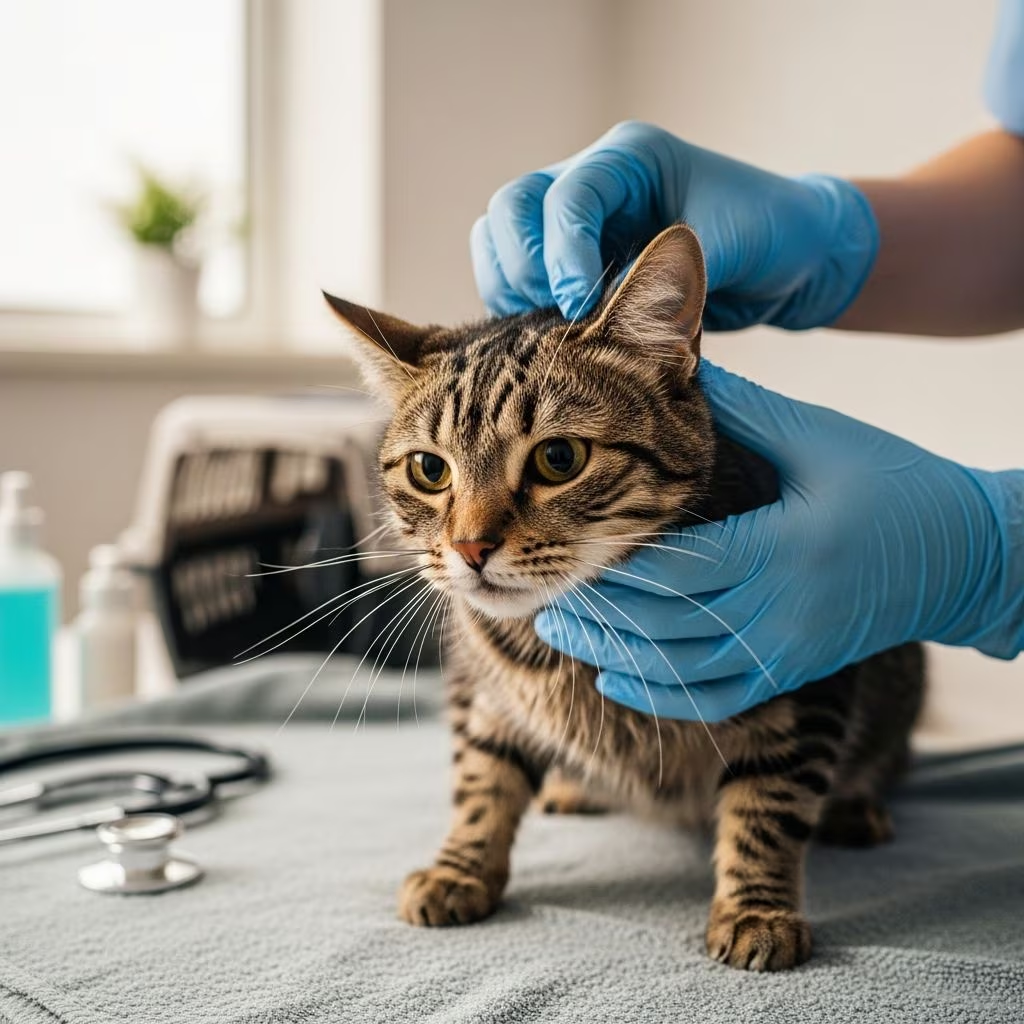
Encountering a lost cat can tug at your heartstrings while sparking concern for its safety. These feline wanderers often belong to worried owners frantically searching for them. Swift, methodical action boosts the odds of a joyful reunion or finding a suitable new home. This guide details **11 vet-approved steps** to handle the situation responsibly, prioritizing the cat’s welfare and your safety.
The 11 Steps to Follow If You Find a Lost Cat
Stay calm and systematic. Rushing can scare the cat or lead to injury. Here’s how to proceed step by step.
1. Assess the Situation
Before anything, evaluate the cat’s demeanor and environment. Is it injured, aggressive, or in traffic? Observe from afar without sudden moves. **Cautious assessment prevents risks** like bites or the cat bolting. Note if it’s friendly, hiding, or distressed—lost cats often hide due to fear in unfamiliar areas.
2. Approach With Caution
Slowly close the distance using a soft voice: “Hey kitty, it’s okay.” Extend your hand low for sniffing. Let the cat set the pace. **Bold cats may approach quickly, but fearful ones freeze or flee**—patience is key. Avoid eye contact, which they perceive as threatening.
3. Check for Identification
Once near, gently inspect collar tags for owner contacts. Call immediately if found. No tags? It could be microchipped. Take to a vet or shelter for scanning—many lost pets are chipped but lack visible ID. According to the ASPCA, microchips reunite over 70% of scanned lost pets with owners.
4. Safely Secure the Cat
Use a carrier, towel, or blanket to gently contain it. Throw a towel over feral or scared cats to calm them. Wear gloves and thick clothes for protection. **Never chase—lure with food if needed**. Secure transport prevents escapes during the next steps.
5. Provide Temporary Shelter
House the cat in a quiet room: bathroom or laundry area away from pets/kids/noise. Offer fresh water, wet food (kittens/malnourished prefer it), and a litter box with unscented litter. A blanket for hiding reduces stress. Monitor for 24-48 hours initially.
6. Reach Out to Local Animal Shelters and Veterinarians
Call nearby shelters, vets, and rescues with details: color, markings, sex, location found. Owners often check these first. If friendly, ask about intake space. Vets can scan chips free or low-cost.
7. Create and Distribute Flyers and Posters
Snap clear photos from multiple angles. Design flyers with: photo, description (age, color, unique traits), found location/date, your non-home phone/email. Post at vets, stores, parks, poles (check local laws). Neighborhood Facebook groups amplify reach.
8. Use Online Lost-and-Found Pet Platforms
Post on Petco Love Lost, Nextdoor, Craigslist, Facebook Lost Pets groups, PawBoost. Include photos, details, contacts. Use hashtags like #LostCat #FoundCat[YourCity]. Check daily for matches—owners post too.
9. Post on Social Media
Share on local Facebook/Instagram/TikTok with geo-tags. Videos of the cat meowing increase engagement. Alert neighbors via apps. **Social media reunites 30-50% of lost pets** per recent studies.
10. Scan for a Microchip (If Not Done)
Visit a vet/shelter for scanning if skipped. Home scanners exist but pros are accurate. Register found chips to alert owners.
11. Follow Up and Assist With Reunion
Track inquiries from shelters/platforms. Verify owners with details only they’d know (habits, vet records). Meet publicly or at vets for safe handover. Congratulate the happy ending.
What If I Can’t Find the Owner?
Unclaimed after 2-4 weeks? Consider these options compassionately:
- Contact Shelters/Rescues: Surrender if you can’t keep—many no-kill facilities help.
- Create Adoption Listings: Photo-heavy posts on Petfinder, Adopt-a-Pet with personality notes.
- Inform Local Vets: They network adopters.
- Foster Temporarily: Bridge to permanent home via rescues.
- Monitor Databases: Late claims happen.
- Adopt Yourself: If bonded, vet-check and spay/neuter first.
Strays may have health issues—budget for vetting.
Additional Tips for Success
- Health Check: Watch for fleas, wounds, lethargy. Quarantine from your pets.
- Legal Notes: Some areas require holding strays 3-7 days. No feeding ordinance violations.
- Feral vs. Owned: Ear-tipped? Likely fixed feral—contact TNR groups.
| Cat Temperament | Behavior When Lost | Best Search Tips |
|---|---|---|
| Bold | Quickly seeks food/contact | Nearby homes/businesses |
| Fearful | Hides long-term | Check hiding spots patiently |
| Cautious | Hides then wanders | Return to find area often |
| Curious | Explores widely | Broad neighborhood search |
Understanding **temperament aids handling**—bold cats approach faster, fearful ones need traps.
Frequently Asked Questions (FAQs)
Q: How long should I wait before assuming it’s unowned?
A: Post widely and wait 2-4 weeks minimum. Late owners surface often.
Q: What if the cat is feral?
A: Ear notch indicates TNR—contact rescues, don’t relocate without trap-neuter.
Q: Can I keep a found cat immediately?
A: No—publicize first. Laws may require reporting.
Q: How to handle scratches/bites?
A: Clean wounds, seek medical if deep. Rabies risk low but monitor.
Q: Best food for a found cat?
A: Wet food first, then transition. Avoid milk/dairy.
Q: Is microchipping common?
A: Increasingly yes—always scan.
Bonus: Indoor cats hide nearby; outdoor roam farther.
References
- What to Do If You Find a Lost Cat: 11 Vet-Approved Steps to Follow — Catster. 2024. https://www.catster.com/lifestyle/what-to-do-if-you-find-a-lost-cat/
- Understanding Lost Cat Behavior: Vet-Reviewed Feline Personality — Catster. 2024. https://www.catster.com/cat-behavior/lost-cat-behavior/
- Missing Animal Response Statistics — ASPCA. 2023-10-01. https://www.aspca.org/about-us/aspca-policy-and-position-statements/aspca-policy-position-lost-and-found-pets
- Lost Pet Prevention & Recovery — American Veterinary Medical Association (AVMA). 2025-01-01. https://www.avma.org/resources-tools/pet-owners/petcare/lost-pets
- Guidelines for Found Pets — Humane Society of the United States. 2024-06-15. https://www.humanesociety.org/resources/what-do-if-you-find-lost-pet



