

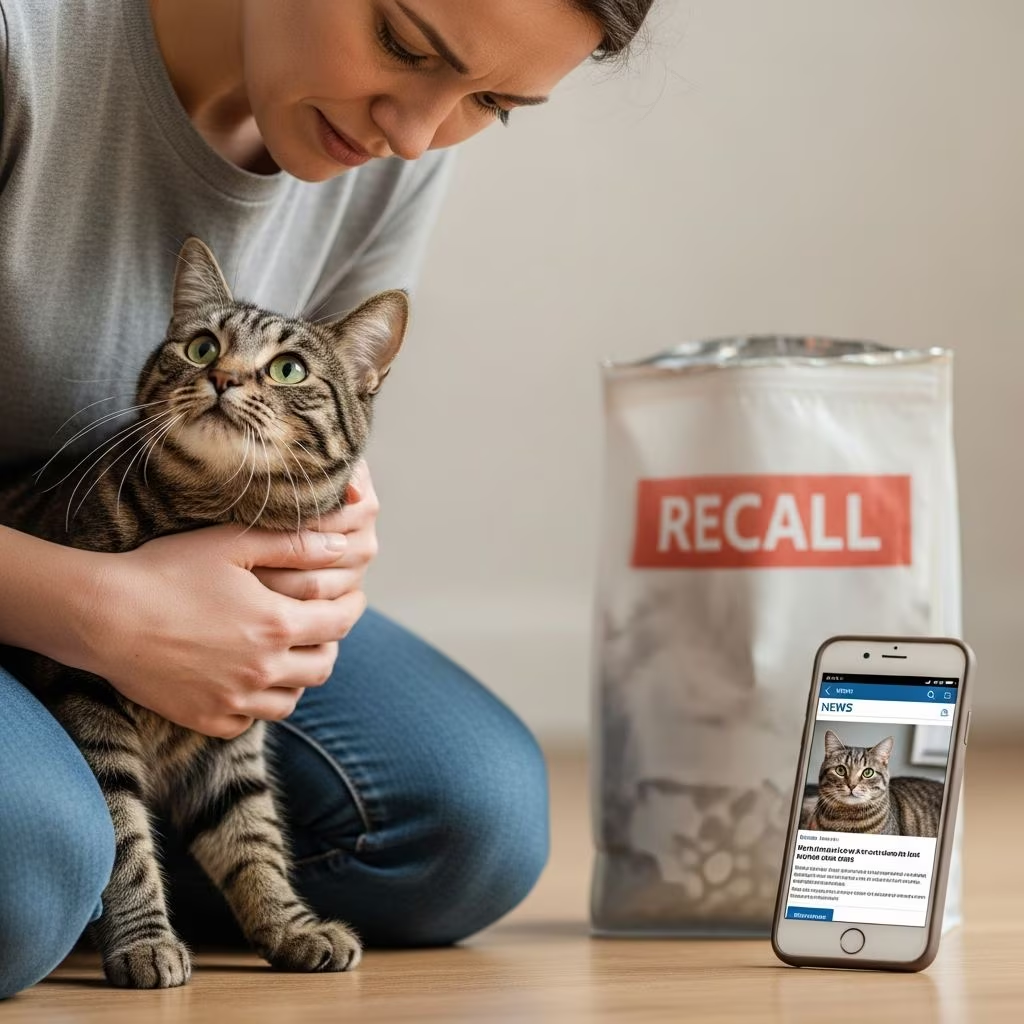
Pet food recalls happen when manufacturers or regulators identify potential health risks in products, such as contamination with pathogens like Salmonella or Listeria, foreign materials, or nutritional deficiencies, prompting urgent action to safeguard cats and their owners.
Understanding how to respond quickly can prevent illness in your cat, who may show symptoms like vomiting, diarrhea, or lethargy, and protect humans handling the food from cross-contamination. This guide outlines immediate steps, health monitoring, refund processes, and long-term prevention based on official guidelines.
How Do Pet Food Recalls Happen?
Pet food recalls are initiated through three main routes: manufacturers voluntarily recall after internal testing reveals issues like out-of-specification results or mislabeling; federal or state regulators request recalls based on consumer reports, vet feedback, or product tests; or rarely, the FDA mandates one under the Food Safety Modernization Act, though this has never occurred for pet food.
The FDA oversees recalls for animal feed, classifying them by risk: Class I (high risk, potential serious illness or death, e.g., Salmonella contamination), Class II (moderate, temporary issues), or Class III (low, regulatory violations without immediate harm). Public alerts detail affected lot codes, urging owners to act fast.
Signs Your Cat’s Food Might Be Recalled
Recalls stem from hazards like microbial contamination (Salmonella, Listeria), foreign objects, or imbalances. Check official FDA lists or manufacturer sites for updates on dry kibble, canned food, treats, or supplements.
- Microbial risks: Bacteria causing feline GI issues and human illness via handling.
- Physical contaminants: Metal, plastic detected via quality controls like X-rays.
- Chemical/nutritional issues: Excess vitamins or deficiencies violating AAFCO standards.
Monitor news from FDA, AVMA, or Pet Food Institute for alerts, especially if your cat shows unexplained symptoms.
Immediate Steps: What to Do If Your Cat’s Food Is Recalled
If your product matches the recall (check lot codes on labels), act without delay to minimize risks.
- Stop feeding immediately: Do not give even “one last meal”—dispose or return promptly.
- Save packaging: Retain bag, label, and receipt for refunds or proof.
- Contact manufacturer: Use provided hotline for instructions on returns, refunds, or replacements.
- Return to retailer: Many stores offer refunds; verify policy.
- Dispose safely: If not returning, seal and trash to prevent access by pets or wildlife.
Manufacturers coordinate with distributors for swift removal, often providing dedicated websites or centers for claims.
Monitor Your Cat’s Health After a Recall
Even if no symptoms appear, watch closely for 1-2 weeks post-exposure, as pathogens can incubate.
- Symptoms to watch: Vomiting, diarrhea, lethargy, loss of appetite, fever—seek vet care immediately if seen.
- Vet consultation: Report recall exposure; tests may check for Salmonella.
- Human precautions: Wash hands after handling, clean bowls/surfaces with soap to avoid zoonotic spread.
Refrigerate opened wet food at 40°F or below; store dry in cool, dry spots.
How to Get a Refund or Replacement
Remedies vary but commonly include full refunds, store credit, or coupons. Follow these steps:
| Step | Action | Details |
|---|---|---|
| 1. Verify | Match lot code | Use recall notice; photo label if needed. |
| 2. Contact | Manufacturer hotline | Expect reimbursement options. |
| 3. Submit proof | UPC, receipt | Many process without receipt. |
| 4. Return/Dispose | As instructed | Track for effectiveness checks. |
FDA monitors recall completion; terminated recalls confirm violative products are addressed.
Finding Safe Alternative Cat Foods During a Recall
Transition carefully to avoid digestive upset; choose brands with strong safety records.
- Check histories: Review FDA recall database for patterns.
- Opt for transparency: Brands testing for pathogens, using GMP.
- AAFCO-compliant: Ensures nutritional standards.
- Top picks: Reputable lines with recent clean records, human-grade ingredients.
Gradually mix new food over 7-10 days.
Preventing Future Issues: Safe Handling and Storage Tips
Proactive habits reduce risks beyond recalls.
- Wash hands post-handling.
- Store dry food sealed in cool/dry areas; refrigerate wet tightly.
- Clean bowls daily with hot soapy water.
- Avoid raw/freeze-dried unless vetted.
- Buy from trusted sources; check dates.
Manufacturers prevent via GMP, supplier tests, detectors.
Regulatory Role and Industry Impact
FDA inspects facilities, issues classes, alerts public, enforces corrections. Recalls disrupt supply chains but build trust via transparency.
Frequently Asked Questions (FAQs)
What causes most cat food recalls?
Microbial contamination like Salmonella, foreign materials, labeling errors.
Should I switch foods abruptly after a recall?
No—transition gradually to prevent tummy upset.
Can recalled food harm humans?
Yes, via handling; wash thoroughly.
How do I check for recalls?
Visit FDA site, sign up for alerts.
What if my cat seems sick?
See vet ASAP, mention recall.
Key Takeaways for Cat Owners
Stay vigilant: Check lots, act fast, monitor health, handle safely. Informed owners protect their cats effectively.
References
- How Pet Food Product Recalls Work — Pet Food Institute. 2023. https://www.petfoodinstitute.org/how-pet-food-product-recalls-work/
- Cat Food Recall: Protecting Feline Health and Compliance — DigiComply. 2024. https://www.digicomply.com/blog/cat-food-recall
- Important Pet Food Recall – What You Need to Know — Neuse River Veterinary Hospital. 2024. https://neuserivervets.com/blog/important-pet-food-recall-what-you-need-to-know/
- Cat Food Recall 2025 Guide: Safety Tips — Remy’s K9 Kitchen. 2025. https://remysk9kitchen.com/cat-food-recall-2025-safety-tips-top-cat-food-picks-storage-solutions/
- Protecting Your Brand from Pet-Related Recalls — TMHCC. 2023. https://www.tmhcc.com/en-us/-/media/tmhcc/specialty-group/docs/crisis/pet-food-recalls.pdf
- Recalls & Withdrawals — U.S. Food and Drug Administration (FDA). 2026-01-14. https://www.fda.gov/animal-veterinary/safety-health/recalls-withdrawals
- Pet Food Safety Resources — American Veterinary Medical Association (AVMA). 2024. https://www.avma.org/blog/pet-food-safety-resources-keep-patients-and-clients-safe



