

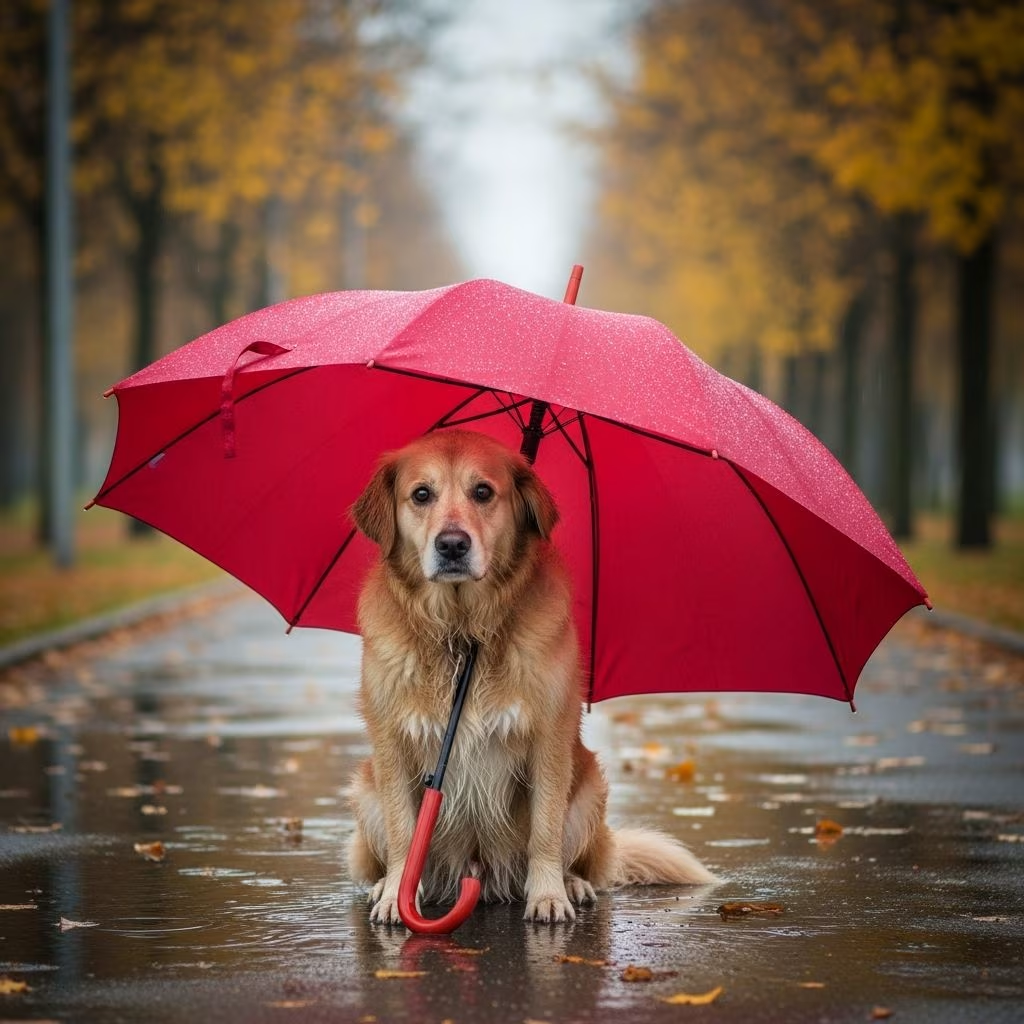
Many dogs exhibit discomfort or fear during rainy weather, displaying behaviors like trembling, hiding, or refusing to go outside. Understanding the reasons behind this aversion and implementing targeted strategies can help your pup navigate wet days with confidence.
Why Don’t Some Dogs Like Rain?
Dogs’ reactions to rain stem from heightened sensitivity to environmental changes. They can detect shifts in barometric pressure preceding storms, leading to agitation or anxiety. Approximately 15-30% of dogs experience extreme fear of thunder, with cortisol levels surging up to 200% higher in affected dogs, according to Penn State University research.
Rain overwhelms their acute senses: the constant patter on roofs mimics thunderous noise, masking familiar sounds and causing unease. Scents intensify via petrichor release post-rain, but heavy downpours wash away trails, confusing scent-dependent dogs. Vision blurs from overcast skies and puddle reflections, while wet fur and cold paws create tactile discomfort.
Some dogs sense static electric fields before storms, prompting hiding behaviors like bathtub retreats for perceived safety. Prolonged gloom induces lethargy, joint aches from pressure changes, or outright refusal to venture out on slick, wet ground.
Signs Your Dog Dislikes Rain
Recognizing aversion early allows timely intervention. Common indicators include:
- Trembling, panting, or pacing: Physiological stress responses to noise and pressure shifts.
- Hiding or cowering: Seeking refuge from thunder, lightning, or overwhelming sounds.
- Refusal to potty outside: Discomfort with wet paws or slippery surfaces, leading to indoor accidents.
- Whining, barking, or drooling: Phobia signs, especially during thunderstorms.
- Lethargy or overexcitement: Energy dips from gloom or bursts from novel scents.
These behaviors intensify with storm proximity, as dogs monitor air odors and static changes humans miss.
Rainy Day Dangers for Dogs
Beyond discomfort, rain poses health and safety risks. Low visibility from fog and downpours combines with thunder to spook dogs into bolting, increasing accident risks as drivers struggle in poor conditions.
Contaminated puddles harbor toxins like pesticides, antifreeze (ethylene glycol), bacteria, and parasites, causing GI upset, kidney failure, or death. Lightning strikes, though rare, are fatal and drawn to metal objects during walks.
| Risk | Description | Prevention |
|---|---|---|
| Thunder Phobia | Anxiety leading to self-injury from chewing crates or doors. | Consult vet for calming aids; avoid long walks. |
| Toxin Exposure | Puddles with chemicals washing into streets. | Use paw protection; wash paws with unscented soap post-walk. |
| Slippery Surfaces | Falls on wet ground straining joints. | Shorten walks; provide traction booties. |
| Low Visibility | Runaways in fog/rain. | Reflective gear; secure leash. |
How to Help Your Dog Like Rain (or At Least Tolerate It)
Desensitization builds tolerance gradually. Start indoors with rain sound recordings at low volume, pairing with treats and play to create positive associations. Gradually increase volume and introduce wet items like damp towels for paw acclimation.
Protective gear eases physical discomfort:
- Raincoats and booties: Keep fur dry and paws warm; apply paw wax for traction.
- Reflective vests: Enhance visibility in low-light rain.
For potty breaks, select sheltered spots or use potty pads indoors during heavy rain. Post-walk routines—thorough drying, paw cleaning—prevent irritations.
Thunder-phobic dogs benefit from vet-recommended options like anxiety wraps, pheromone diffusers, or medications. White noise or calming music masks rain sounds.
Exercises and Games for Rainy Days
Maintain routine and mental stimulation indoors to combat lethargy. Rotate activities to prevent boredom:
- Indoor fetch or tug: Use soft toys in hallways; limits space needs.
- Puzzle toys and sniff mats: Hide kibble in blankets post-rain for enhanced scent games.
- Training sessions: Practice commands like ‘sit’ or tricks with high-value treats.
- Sniffaris: Short, leashed walks after rain to explore intensified smells safely.
- Window watching: Provide perch for bird/rain observation with chew toys.
Aim for 30-60 minutes daily, split into sessions, matching energy levels. High-drive breeds like Golden Retrievers sulk without routine, as seen in viral videos of rain-refusing pups.
Protective Gear for Rainy Walks
Quality equipment transforms outings. Essential items:
- Waterproof coats: Full-body coverage with adjustable straps; avoid loose fits that slip.
- Paw booties: Waterproof with grippy soles; train gradually to prevent chewing.
- Leash extensions: Longer lines for puddle avoidance.
- Drying mitts: Absorb moisture quickly at home.
Introduce gear positively with treats. For sensitive dogs, opt for lightweight, breathable materials to minimize overheating.
Long-Term Solutions for Rain Anxiety
Persistent issues warrant professional input. Behaviorists use counter-conditioning: expose to rain cues at threshold levels while rewarding calm. Medications like fluoxetine help severe cases, per vet guidance.
Track patterns in a journal—note triggers, duration, intensity—to tailor plans. Consistency yields results; many dogs improve within weeks.
Breeds like herding or hounds may be more prone due to sensory acuity. Early socialization to weather prevents lifelong aversions.
Frequently Asked Questions (FAQs)
Why is my dog suddenly scared of rain?
Sudden onset often ties to a traumatic storm experience or age-related sensitivity. Barometric changes or amplified senses via petrichor can trigger latent fears.
Can I force my dog outside in the rain?
Avoid force; it heightens anxiety. Use covered areas, gear, or pads. Short, positive outings build confidence.
What if my dog won’t wear a raincoat?
Desensitize with short wear times paired with treats. Start with hoodless designs; some prefer belly bands.
Is thunder phobia curable?
Manageable, not always curable. Combine desensitization, gear, and vet aids for 80% improvement rates.
Are indoor activities enough exercise?
Yes, for most; supplement with mental games. Monitor weight and energy; adjust as needed.
References
- Rainy Days and Dogs: How Weather Affects Our Canine Friends — CTHappyPaws. 2023-10-15. https://cthappypaws.com/posts/rainy-days-and-dogs/
- 5 Ways Rain Affects Dogs’ Senses (And How to Help Them) — Paws N’ Play. 2024-03-22. https://www.pawsnplay.dog/blog/5-ways-rain-affects-dogs-senses-and-how-to-help-them
- Can Weather Affect a Dog’s Behavior — LeadER Vet. 2024-06-10. https://leadervet.com/can-weather-affect-a-dogs-behavior/
- Video: Dog Feels Sad for Missing Out on Walk Due To Rain — DogTime. 2021-08-30. https://dogtime.com/news/202138-video-dog-feels-sad-missing-walk-rain
- 5 Unexpected Rainy Day Dangers for Dogs — PetMD. 2023-11-05. https://www.petmd.com/dog/general-health/rainy-day-dangers-dogs



