

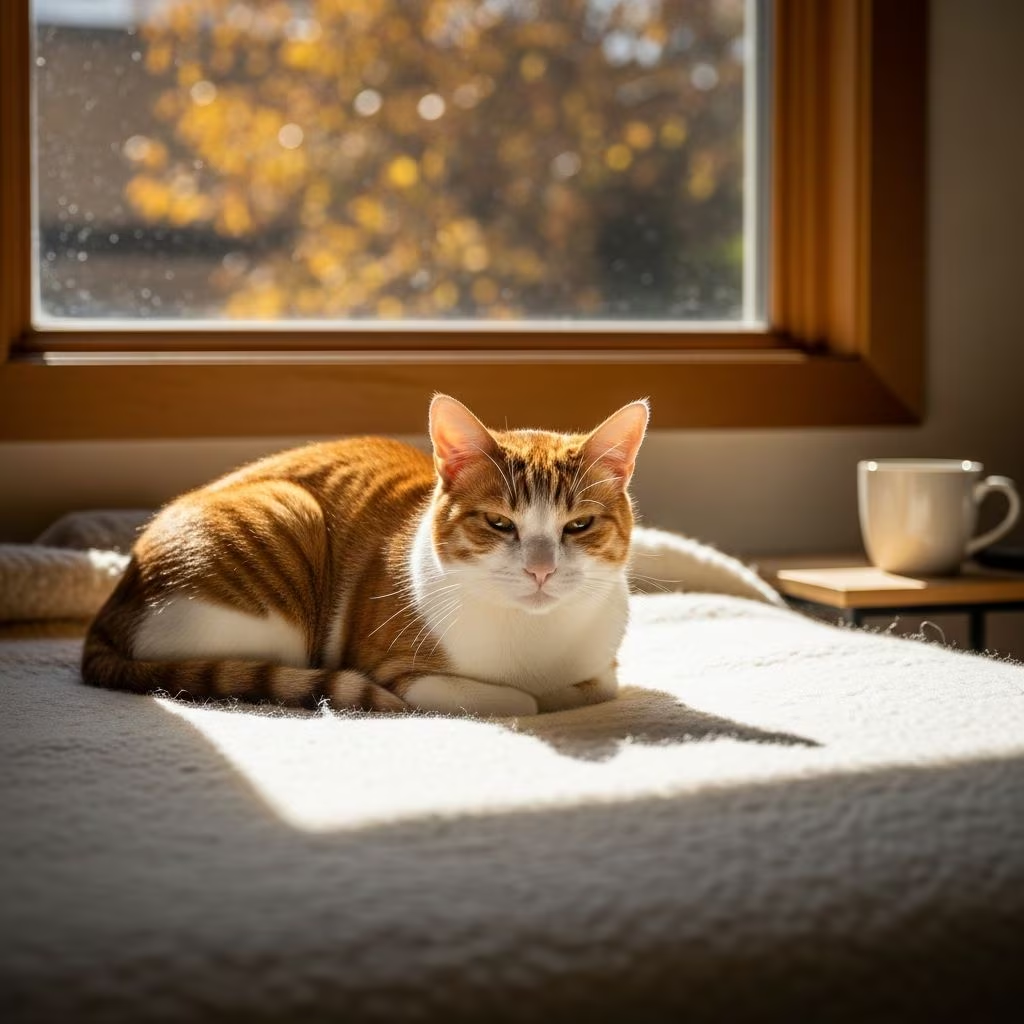
Cats are creatures of comfort, often seeking out the warmest spots in the house or curling up in sunny patches. Understanding what temperature cats like is crucial for their health and happiness. Their ideal environmental temperature differs significantly from humans due to their unique physiology. This comprehensive guide explores cats’ preferred temperatures, how they regulate body heat, signs of distress in extreme weather, and practical tips to create a cozy home environment.
Normal cat body temperature ranges from **100.5°F to 102.5°F (38.1–39.2°C)**, higher than the human average of 98.6°F. This elevated baseline means cats thrive in warmer conditions. Environmental temperatures above 100°F can be dangerous, while homes often kept at 68–72°F for human comfort may leave cats feeling chilly.
Cat Body Temperature: The Basics
A cat’s body temperature is tightly regulated by the hypothalamus in the brain, maintaining it within the normal range of **100.5–102.5°F**. Deviations signal health issues: fevers above 103°F often indicate infection or inflammation, while drops below 100°F suggest hypothermia.
- Newborn kittens: 95–99°F, rising as they age.
- 2–3 week olds: 97–100°F.
- 4 weeks+: Approaches adult range of 100.5–102.5°F.
Regular temperature checks during vet visits help monitor health. Rectal thermometers provide the most accurate readings: lubricate, insert gently 1/2–1 inch, and hold for 1 minute.
What Temperature Is Too Hot for Cats?
Cats can overheat quickly in high temperatures. Environmental temps over **100°F** are risky, with body temps exceeding 103°F signaling fever or heat stress, and above 106°F causing organ damage or death.
Common scenarios include locked cars on sunny days, where interiors can surge 40°F above outside temps in minutes, leading to clotting disorders and fatality.
| Body Temp (°F) | Condition | Risks |
|---|---|---|
| 100.5–102.5 | Normal | None |
| 103+ | Fever/Hyperthermia | Infection, heat exhaustion |
| 106+ | Critical | Protein breakdown, clotting issues, death |
Breeds like Persians or overweight cats are more vulnerable due to poor heat dissipation.
The Thermoneutral Zone for Cats
Cats’ thermoneutral zone—the range where they maintain body temp without extra effort—is **86–101°F (30–38°C)**. Below this, they burn energy to stay warm; above, they struggle to cool down.
Human homes averaging 70°F fall below this zone, prompting cats to seek heat sources like laps, radiators, or sunbeams. Provide heated beds or perches to mimic ideal conditions.
How Cats Cool Themselves Down
Unlike humans, cats don’t sweat profusely; they have few sweat glands, mainly on paws. Primary cooling methods include:
- Grooming: Licking spreads saliva, which evaporates to cool the skin.
- Panting: Rapid breathing evaporates moisture from tongue and lungs—a distress sign, not normal.
- Seeking shade/cool surfaces: Shaded areas are 15–20°F cooler; cool tiles or floors help.
- Ear vasodilation: Blood vessels in ears expand to release heat.
Ensure constant fresh water, fans, or cool mats during heatwaves.
Signs Your Cat Is Too Hot
Watch for these heat stress indicators:
- Panting or open-mouth breathing
- Lethargy or weakness
- Drooling excessively
- Red gums or hot ears
- Vomiting or diarrhea
- Unsteady gait or collapse
Act immediately: Move to cool area, offer water, wet paws/ears, and contact a vet if symptoms persist.
Ideal Room Temperature for Cats
The perfect indoor temp for cats is **75–85°F**, within their thermoneutral zone but practical for mixed households. Adjust seasonally:
- Summer: 75–80°F with AC, fans, ice water.
- Winter: 80°F+ near beds, avoid drafts.
Seniors, kittens, and brachycephalic breeds need warmer spots (85°F+).
Do Cats Get Cold? Signs and Prevention
Yes, cats feel cold below 86°F. Signs include shivering, huddled posture, cold extremities, or seeking warmth excessively.
Prevention:
- Heated beds or pads (low-voltage, auto-shutoff).
- Insulated blankets or caves.
- Window perches for solar warmth.
- Drafts blocked; room temp above 75°F.
Hypothermia risks rise in wet fur or illness; dry and warm promptly.
How to Take Your Cat’s Temperature
Rectal method (most accurate):
- Calm your cat; have a helper.
- Lubricate digital thermometer with petroleum jelly.
- Lift tail, insert 1/2–1 inch bulb end.
- Hold 20–60 seconds until beep; normal 100.5–102.5°F.
- Clean and reward.
Avoid ear/axillary for precision; consult vet for fever protocols.
Cat Temperature by Age
Temperature varies developmentally:
| Age | Normal Temp (°F) |
|---|---|
| Newborn (0–1 week) | 95–99 |
| 2–3 weeks | 97–100 |
| 4 weeks | 99–101 |
| Adult | 100.5–102.5 |
Monitor orphans closely; low temps indicate distress.
Tips for Keeping Indoor Cats Cool in Summer
Beat the heat:
- Multiple water bowls, fountains, ice cubes.
- Frozen treats (tuna water, broth).
- Cooling mats, damp towels.
- AC at 75–80°F, fans on low.
- Groom to remove undercoat.
- Avoid midday outdoor time.
Keeping Outdoor Cats Safe in Extreme Temperatures
Feral/community cats face greater risks:
- Provide insulated shelters with straw bedding.
- Shade structures, elevated platforms.
- Fresh water daily; elevate to prevent ants.
- TNR programs reduce heat-seeking litters.
Bring vulnerable cats indoors during extremes.
Frequently Asked Questions (FAQs)
Is 80 degrees too hot for a cat?
No, 80°F is comfortable within the thermoneutral zone, but monitor for panting or lethargy, especially in humid conditions or for vulnerable cats.
What is a cat’s normal temperature?
100.5–102.5°F rectally.
Do cats prefer warm or cold houses?
Warm—aim for 75–85°F; they dislike human-preferred cooler temps.
How do cats regulate temperature?
Via grooming, panting, ear flushing, and behavioral seeking of shade/warmth.
Can cats overheat indoors?
Yes, if above 100°F, poor ventilation, or health issues; provide cooling aids.
References
- How Hot Is Too Hot for Cats? — PetMD. 2023. https://www.petmd.com/cat/general-health/how-hot-is-too-hot-for-cats
- How Hot Is Too Hot for Cats? [Solved by a Veterinarian] — Aspen Veterinary Hospital. 2023. https://www.aspenvetflagstaff.com/services/cats/blog/how-hot-too-hot-cats-your-guide-caring-outdoor-cats-temperatures-rise
- What’s a Normal Cat Temperature? Tips for Checking Your Cat’s Vitals — Hill’s Pet. 2023. https://www.hillspet.com/cat-care/healthcare/normal-cat-temperature-and-checking-vital-signs
- Fever in Cats: Symptoms and Treatments — WebMD. 2023. https://www.webmd.com/pets/cats/fevers-in-cats
- Taking the Temperature in a Kitten or Puppy — Maddie’s Fund. 2023. https://www.maddiesfund.org/taking-the-temperature-in-a-kitten-or-puppy/presentation_content/external_files/Educational%20Handout-%20Taking%20the%20Temperature%20in%20a%20Kitten%20or%20Puppy.pdf
- Normal Rectal Temperature Ranges — Merck Veterinary Manual. 2023. https://www.merckvetmanual.com/multimedia/table/normal-rectal-temperature-ranges



