

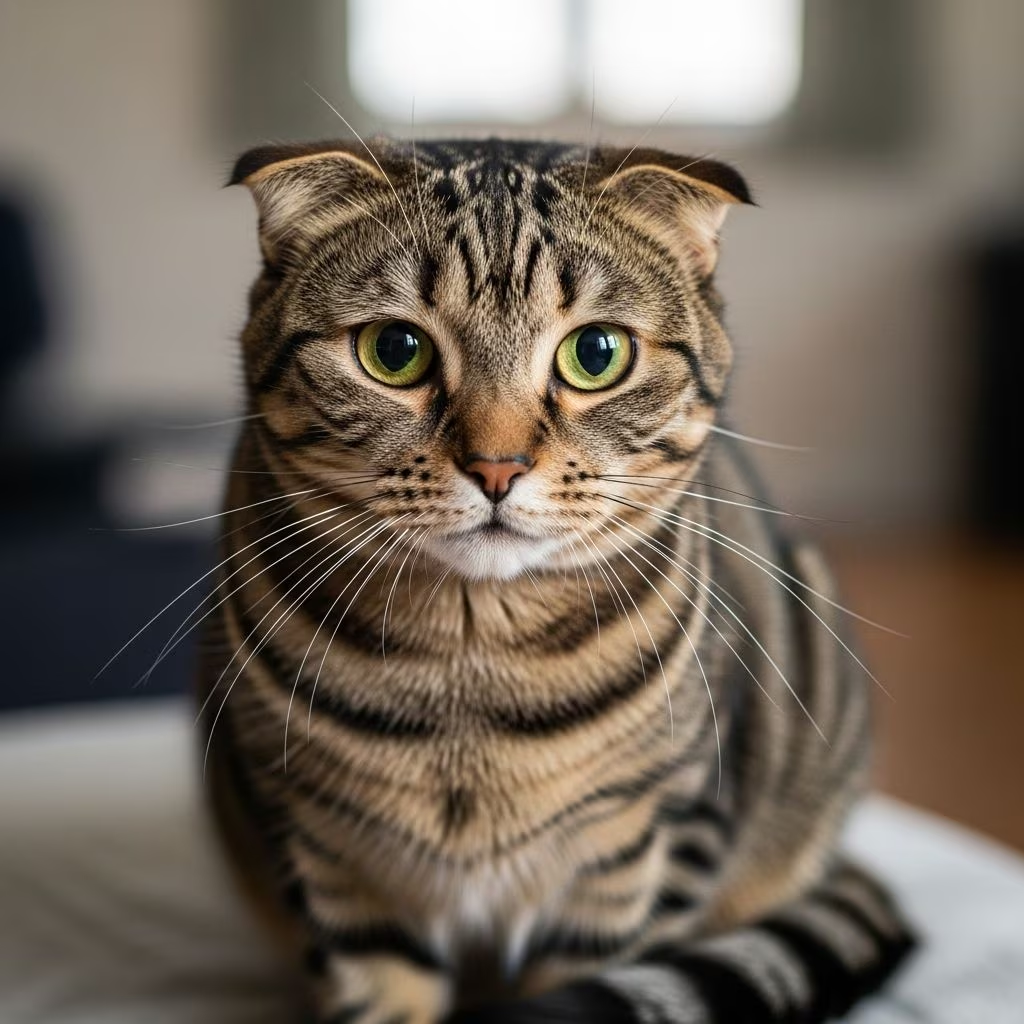
Cats are often seen as independent and low-maintenance pets, but they are highly sensitive creatures that thrive on routine and stability. Stress in cats can arise from seemingly minor changes in their environment, leading to behavioral and health issues. Understanding what stresses cats out is crucial for maintaining their well-being, as chronic stress can suppress the immune system, cause urinary tract problems, and even lead to aggression or withdrawal. This comprehensive guide explores common triggers, recognizable signs, health impacts, and practical strategies to alleviate feline anxiety, drawing from veterinary insights to help you create a calmer home for your cat.
Common Signs of Stress in Cats
Recognizing stress early is key to addressing it before it escalates. Cats are masters of hiding discomfort, but observant owners can spot subtle cues. Behavioral changes often appear suddenly and persist if the stressor remains unresolved.
- Hiding more than usual: Cats may retreat to dark, inaccessible spots like under furniture or in closets, avoiding interaction.
- Sudden aggression or irritability: Hissing, swatting, or biting at familiar people or pets signals overwhelm.
- Loss of appetite: Refusal to eat or finicky eating can lead to weight loss and weakened health.
- Overgrooming or fur loss: Excessive licking creates bald patches or skin irritation as a self-soothing mechanism.
- Scratching furniture or walls: Increased or displaced scratching marks territory amid insecurity.
- Litter box accidents: Urinating or defecating outside the box, often linked to stress-induced cystitis.
- Vomiting or diarrhea: Gastrointestinal upset without dietary changes indicates anxiety.
- Excessive meowing or sudden silence: Vocal changes reflect distress or emotional shutdown.
- Restlessness or pacing: Inability to settle suggests hypervigilance.
- Changes in body language: Tense posture, flattened ears, dilated pupils, skin twitching, or increased swallowing.
These signs overlap with medical issues, so consult a vet to rule out illness. Chronic stress manifests subtly, like reduced playfulness or personality shifts, while acute stress shows obvious fear responses like low posture or fleeing.
Common Triggers for Stress in Cats
Cats crave predictability; even small disruptions can trigger a fight-or-flight response. Triggers vary by individual but cluster around environmental changes, social dynamics, and unmet needs.
- Changes in routine: Altered feeding, play, or sleep schedules confuse cats’ internal clocks.
- New pets or people: Introductions challenge territory and social hierarchies, especially in multi-cat homes.
- Moving or renovations: Loss of familiar scents and layouts disorients cats profoundly.
- Loud noises: Fireworks, thunder, construction, or vacuums heighten fear.
- Vet or groomer visits: Unfamiliar smells, handling, and travel provoke anxiety.
- Boredom or lack of stimulation: Insufficient play leads to frustration and maladaptive behaviors.
- Unsatisfactory litter box: Dirty, inconvenient, or changed litter stresses fastidious cats.
- Over-handling: Unwanted petting or picking up violates personal space.
- Household events: Parties, holidays, or visitors disrupt peace.
- Illness or pain: Underlying health issues amplify stress; cognitive decline in seniors adds anxiety.
- Outside threats: Sight of stray animals or wildlife through windows sparks territorial alarm.
Multi-cat households amplify risks without ample resources like separate litter boxes and feeding stations.
How Stress Affects Cats’ Health
Stress isn’t just behavioral—it’s a silent health saboteur. Cats’ stress response floods the body with cortisol, beneficial short-term but harmful chronically. This suppresses immunity, inviting infections, and triggers idiopathic cystitis, where bladder inflammation causes painful urination without bacteria.
Key health impacts include:
- Urinary issues: Stress cystitis leads to litter avoidance and potential blockages, a veterinary emergency in males.
- Gastrointestinal problems: Vomiting, diarrhea, or appetite loss weaken nutrition.
- Skin conditions: Overgrooming causes dermatitis or infections from bald spots.
- Immune suppression: Higher susceptibility to upper respiratory infections or wounds healing slowly.
- Behavioral escalation: Chronic cases mimic illness, like lethargy mistaken for aging.
Older cats face compounded risks from cognitive dysfunction, mirroring dementia with disorientation and anxiety. Early intervention prevents these cascades.
Environmental Changes That Stress Cats
Your home is your cat’s world; alterations rewrite their map. New furniture scents differently, renovations bring noise and dust, and moves erase territorial markers. Cats rely on pheromones for security—disruptions erase this ‘cat GPS.’
To mitigate:
- Introduce changes gradually, maintaining old items as anchors.
- Use synthetic pheromones (Feliway diffusers) to mimic calming scents.
- Create safe rooms during upheavals with familiar bedding and litter.
Resource scarcity in shared spaces breeds competition; provide one litter box per cat plus one extra, elevated perches, and multiple scratchers.
Social Stressors for Cats
Despite solitary reputations, cats form bonds but hate surprises. New babies, guests, or pets upend hierarchies. Children’s unpredictable energy overwhelms, while multi-cat tensions flare over food or litter.
| Stressor | Signs | Solutions |
|---|---|---|
| New pet introduction | Hissing, swatting, hiding | Slow scent swapping, supervised meetings |
| Household guests | Hypervigilance, aggression | Quiet retreats, pheromone aids |
| Multi-cat rivalry | Urine marking, fights | Extra resources, vertical space |
| Over-handling by kids | Scratching, fleeing | Supervised short sessions, cat-led interactions |
Monitor dynamics; persistent issues may need professional behaviorists.
How to Help a Stressed Cat
Relief starts with trigger removal, enriched environments, and patience. Tailor to your cat’s needs.
- Enrich the environment: Cat trees, window perches, puzzle feeders combat boredom.
- Maintain routines: Consistent feeding, play, litter cleaning builds security.
- Pheromone therapy: Diffusers or collars release face-rub pheromones for calm.
- Interactive play: 15-20 minutes daily with wand toys expends energy.
- Calming supplements: Vet-approved like L-theanine or CBD for anxiety.
- Professional help: If signs persist, vets may prescribe anti-anxiety meds short-term.
Track changes in a journal to identify patterns.
Preventing Stress in Cats
Proactive steps foster resilience. Kittens socialized early handle change better; adults benefit from ongoing stimulation.
- Provide vertical territory: Shelves, towers reduce conflicts.
- Health checkups: Catch pain early.
- Variety in toys: Rotate to prevent habituation.
- Mimic outdoors: Bird feeders outside windows.
- Alone time: Respect signals to avoid over-stimulation.
Balanced nutrition supports stress regulation; omega-3s aid calm.
Frequently Asked Questions (FAQs)
Q: Can stress cause my cat to pee outside the litter box?
A: Yes, stress often triggers feline idiopathic cystitis, leading to painful urination and litter avoidance. Rule out medical causes first.
Q: How long does it take for a cat to adjust to a new home?
A: Varies from days to weeks; provide a safe room with familiar items to speed acclimation.
Q: Is overgrooming always a sign of stress?
A: Often, but allergies or parasites can mimic it—vet exam needed.
Q: Do cats get stressed in multi-pet homes?
A: Frequently, due to resource competition; ensure ample separate stations.
Q: What are quick ways to calm a stressed cat?
A: Pheromone diffusers, quiet hiding spots, and gentle play sessions work fast.
References
- Managing Stress in Cats: Tips for a Calmer Kitty — Town & Country Veterinary Clinic. 2025-06-11. https://towncountryvet.com/2025/06/11/stress-in-cats-hastings-mn/
- 5 Causes and Management of Stress in Cats — Adamson Veterinary Services. Accessed 2026. https://adamsonveterinaryservices.com/5-causes-and-management-of-stress-in-cats/
- Understanding Feline Stress — Just Cats Clinic. Accessed 2026. https://justcatsclinic.com/understanding-feline-stress/
- Stress in Cats | Signs, Causes and Relief — Blue Cross. Accessed 2026. https://www.bluecross.org.uk/advice/cat/stress-in-cats
- Are You the Cause of Your Cat’s Stress? — PetMD. Accessed 2026. https://www.petmd.com/cat/centers/nutrition/are-you-causing-your-cat-stress
- Stress: The Silent Feline Health Threat — Urgent Pet Care Omaha. Accessed 2026. https://urgentpetcareomaha.com/stress-the-silent-feline-health-threat/
- Harmful Effects of Stress on Your Cat — Firehouse Cedar Park. Accessed 2026. https://firehousecedarpark.com/blog/harmful-effects-of-stress-on-your-cat



