
What Smells Do Cats Hate? A Complete Guide
Discover the scents that bother your feline friend and how to keep them comfortable.
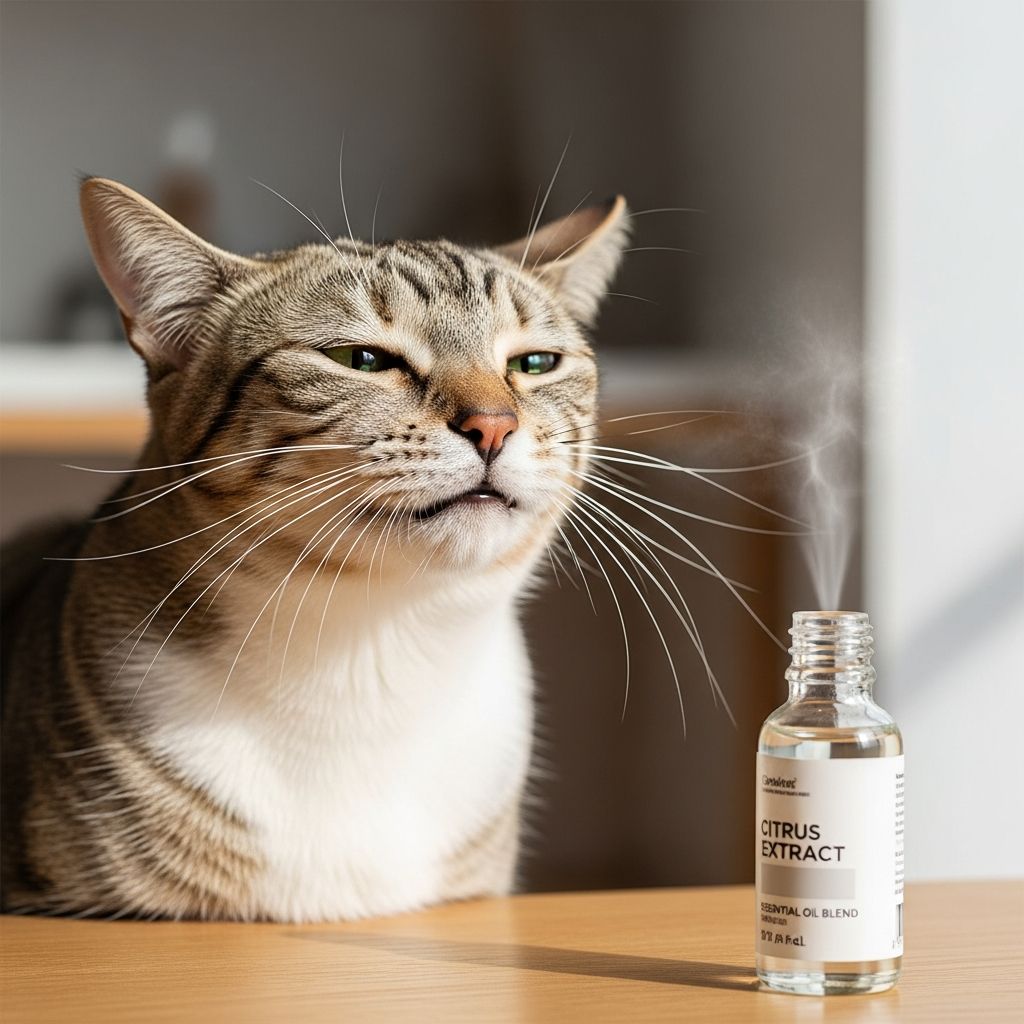
What Smells Do Cats Hate? A Complete Guide for Cat Owners
Cats possess one of the most sensitive olfactory systems in the animal kingdom, with the ability to smell at least 14 times better than humans. This extraordinary sense of smell, while helpful for hunting and navigation, also means that many common household scents can be overwhelming and unpleasant to your feline companion. Understanding which smells cats hate is essential for creating a comfortable home environment and preventing behavioral issues. Whether you’re dealing with a cat that refuses to use their litter box or one that’s avoiding certain areas of your home, the culprit might be an odor that’s bothering them.
Why Cats Are So Sensitive to Smells
Cats have approximately 200 million olfactory receptors in the olfactory epithelium of their nasal tissue, compared to about 5-6 million in humans. This means their sense of smell is exponentially more powerful than ours. What might be a pleasant aroma to us can be an overwhelming onslaught for a cat’s delicate nasal passages. Additionally, cats rely heavily on their sense of smell to communicate with other cats, mark territory, and explore their environment. When exposed to intense or disagreeable scents, cats may experience stress, anxiety, or physical discomfort. This heightened sensitivity also explains why cats can be finicky about their litter boxes and why they may reject certain foods based purely on smell.
Common Smells Cats Hate the Most
Citrus Scents
Citrus stands at the top of the list of smells cats despise. Whether it’s the aroma of oranges, lemons, limes, or grapefruits, most cats find these scents absolutely intolerable. The reason behind this aversion may relate to the intensity of citrus oils and psoralens found in the skins and leaves of these fruits. Some scientific evidence suggests that the extremely strong smell produced by citrus is simply too much for the sensitive olfactory cells of cats. In fact, many commercial cat repellents use citrus-derived enzymes specifically because of this natural aversion. While citrus isn’t toxic in small amounts, it can cause acute discomfort and irritation in a cat’s nose and throat, particularly if they’re sensitive. Pet owners often use citrus scents strategically to deter cats from certain areas, though it’s best to do this carefully to avoid causing unnecessary stress.
Dirty Litter Boxes and Waste
Cats are famously clean animals, and this obsession with cleanliness extends to their bathroom habits and immediate surroundings. One of the most common reasons cats stop using their litter box is the accumulation of urine and feces odors. Even the slightest lingering smell from a dirty litter box can be repulsive to a cat. Many cats would rather eliminate on your carpet or furniture than use a litter box they perceive as unclean. This is why daily scooping is absolutely crucial—urine and feces need to be removed consistently, whether you’re using clumping or non-clumping litter. A litter box that isn’t cleaned frequently enough can lead to behavioral problems and medical issues. Regular maintenance involves daily scooping with clumping litter or daily stirring and poop removal with non-clumping varieties.
Lavender
Despite its calming properties and pleasant aroma for humans, lavender is a scent that many cats find deeply unpleasant. Lavender is commonly found in personal care items such as shampoos, conditioners, lotions, and cleaning products. The strong, floral nature of lavender can trigger avoidance behaviors in cats. More importantly, lavender can cause digestive issues if ingested in sufficient quantities. It’s believed that cats may have developed an evolutionary aversion to lavender because of its toxic properties in the wild, keeping them from nibbling on or being attracted to the plant. If you use lavender products in your home, keep them stored securely away from your cat’s living areas.
Vinegar
Vinegar has a pungent, distinctive sour smell that can linger for an extended period. Many cats strongly dislike the acidity and intensity of vinegar’s aroma, which is why it’s sometimes recommended as a natural cat deterrent. While vinegar is a popular eco-friendly cleaning solution for humans, it poses problems for cats. Undiluted vinegar can cause stomach issues including vomiting and diarrhea, and it can also result in oral irritation. Additionally, some cats may mark areas cleaned with vinegar to eliminate the strong scent. If you use vinegar as a cleaner, ensure it’s well-diluted and keep your cat away from treated areas until they’re completely dry.
Mentholated Products and Strong Fragrances
Mentholated products like peppermint, strong medicated rubs, and menthol-based items are on the list of smells cats dislike intensely. These scents can be jarring to their sensitive noses and may cause respiratory irritation. Even pleasant fragrances to humans, such as heavily perfumed candles, air fresheners, and body sprays, can be overwhelming to cats. Overpowering scents can trigger avoidance behaviors, making cats hesitant to enter a room or approach their litter box. For this reason, it’s important to keep your cat’s environment mild and natural. Cats thrive in spaces where scents aren’t competing for dominance, so minimizing artificial fragrances is essential for their wellbeing.
Additional Scents Cats Find Unpleasant
Beyond the primary offenders, there are numerous other smells that cats typically avoid:
– Pine: Although some cat litters contain pine, the intense pine aroma can cause many cats to reject their litter box entirely. Pine products used in household cleaning can also be problematic.- Cinnamon: The warm, rich spice of cinnamon is often too strong for cats’ sensitive noses and can be toxic in large amounts.- Coffee: The strong, bitter smell of coffee is typically disliked by cats and can cause them to stay away from the area.- Rosemary and Thyme: While these herbs smell wonderful to humans, cats find them disagreeable and will typically avoid areas where they’re present.- Bananas: The artificial or pungent smell of bananas is not appealing to most cats.- Mustard: Both the smell and taste of mustard are generally rejected by cats.- Ammonia: Almost all cats find the odor of ammonia problematic, which is particularly concerning since ammonia is found in many window cleaners, bathroom products, and carpet cleaners.- Eucalyptus: This plant’s strong aroma, especially in essential oil form, is typically avoided by cats, likely due to its toxic properties.- Geranium and Tea Tree: These are particularly concerning because they’re toxic to cats and should never be used around feline companions.
The Science Behind Feline Odor Preferences
The reasons cats dislike certain smells fall into two main categories. The first category includes scents that are simply too strong for their sensitive noses to tolerate comfortably. These overwhelming aromas can cause nasal irritation, sneezing, and general discomfort. The second category comprises smells associated with substances their bodies cannot digest properly or that may be toxic. Over evolutionary time, cats have likely developed natural aversions to certain plant scents because they pose health risks. This instinctive avoidance mechanism has helped keep wild cats safe from consuming toxic plants.
How to Use This Knowledge Responsibly
Understanding which smells cats hate can be useful for training purposes and creating boundaries in your home. Some cat owners strategically use citrus peels or vinegar-soaked cotton balls to deter cats from certain areas like gardens or furniture. However, it’s crucial to use these methods sparingly and responsibly. Continuously exposing your cat to smells they hate can cause chronic stress and anxiety, which can lead to behavioral problems and health issues. Instead of relying heavily on deterrents, focus on creating an enriching environment with positive reinforcement. If your cat is having behavioral issues related to litter box avoidance, the solution is typically cleaner litter boxes rather than adding more scents.
Creating a Pleasant Scent Environment for Your Cat
The best approach is to minimize strong, artificial scents in your home entirely. Keep fragrances mild and natural. Avoid using heavily perfumed candles, air fresheners, and cleaning products. When you do use cleaning products, opt for unscented or lightly scented varieties, and always ensure your cat isn’t exposed to harsh chemicals. Maintain excellent litter box hygiene with daily scooping—this eliminates the need for any additional scent management. Consider using unscented or lightly scented cat litter. If you want to add a pleasant scent to your home, cat-safe options like a small amount of tuna juice or cat-attracting pheromones like Feliway can create a positive environment.
Frequently Asked Questions
Q: Can I use citrus to keep my cat out of my garden?
A: Yes, citrus peels or citrus-scented sprays can deter cats from specific areas, but use them sparingly to avoid causing excessive stress. Always ensure your cat has access to appropriate elimination areas.
Q: Is lavender toxic to cats?
A: While small amounts of lavender scent aren’t immediately dangerous, ingesting lavender in sufficient quantities can cause digestive upset. It’s best to keep lavender products away from your cat’s living areas.
Q: Why won’t my cat use the litter box?
A: The most common reason is that the litter box isn’t clean enough. Cats are extremely sensitive to odors and may reject a box that smells of accumulated waste. Try scooping daily and changing the litter more frequently.
Q: Can ammonia-based cleaners harm my cat?
A: Yes, ammonia has a strong odor that bothers cats and can cause respiratory irritation. Additionally, direct contact with ammonia can be harmful. Use cat-safe, ammonia-free cleaning products in your home.
Q: How sensitive are cats to peppermint?
A: Many cats actively avoid peppermint due to its strong menthol content. Keep peppermint products, toothpaste, and mouthwash stored safely away from your cat.
Q: What’s the best way to deter cats from furniture?
A: Rather than relying solely on scents they dislike, combine deterrents with positive reinforcement. Use double-sided tape on furniture, provide attractive scratching posts, and reward your cat for using appropriate areas.
Conclusion
Understanding which smells cats hate is an important part of being a responsible pet owner. While cats’ exceptional sense of smell helps them navigate their world, it also means they can be overwhelmed by scents that we find pleasant or neutral. By avoiding citrus, maintaining impeccably clean litter boxes, minimizing artificial fragrances, and steering clear of toxic essential oils and herbs, you can create a comfortable, stress-free environment for your feline companion. Remember that every cat is an individual, and some may have unique sensitivities. Pay attention to your cat’s reactions and adjust your home environment accordingly. When in doubt, opt for unscented products and minimal fragrances to keep your cat happy and healthy.
References
- What Smells Do Cats Like and Dislike? — PrettyLitter. Accessed 2025-11-28. https://www.prettylitter.com/blog/what-smells-do-cats-not-like
- Three Smells Cats Hate the Most, and Why? — PetCareRx. Accessed 2025-11-28. https://www.petcarerx.com/article/three-smells-cats-hate-the-most-and-why/5524
- Smells Cats Hate: 14 Scents They Dislike & Why — Hepper. Accessed 2025-11-28. https://articles.hepper.com/smells-cats-hate/
- What Smells Do Cats Hate? — Animal Friends. 2023-09-01. https://www.animalfriends.co.uk/cat/cat-advice/cat-training-and-behaviour/what-smells-do-cats-hate/
- 15 Things Cats Absolutely Hate — Webbox. Accessed 2025-11-28. https://www.webbox.co.uk/blog/15-things-cats-absolutely-hate
Similar Articles








Read full bio of medha deb




