

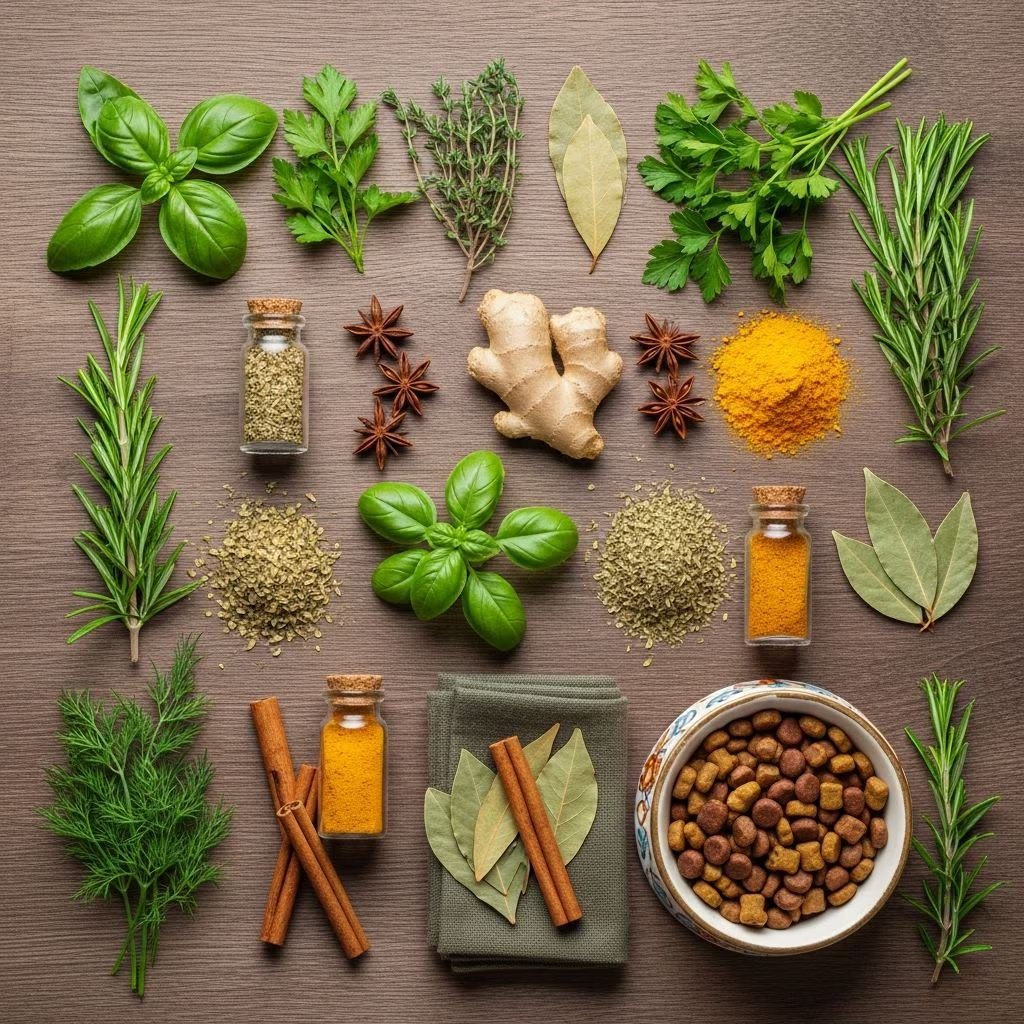
What Seasonings Can Dogs Have? Safe Herbs and Spices Guide
As a dog owner, you want to provide the best nutrition for your furry companion. While many seasonings enhance human food, not all are safe for canine consumption. Understanding which herbs and spices are beneficial and which are dangerous is essential for maintaining your dog’s health and well-being. This comprehensive guide explores safe seasonings, their health benefits, proper preparation methods, and recommended serving sizes based on your dog’s weight.
Key Takeaways
- Several herbs and spices—like anise, cinnamon, and fennel—are safe for dogs in small amounts.
- Other spices, like mustard and garlic, are toxic to dogs and should always be avoided.
- If you’re making homemade dog food or treats, always work with a veterinary nutritionist to ensure your recipe is well-balanced and has the proper nutrition.
Safe Herbs for Dogs
Whether fresh or dried, the following herbs are safe and can support your dog’s well-being when used appropriately. Each herb offers unique nutritional benefits and can contribute to your dog’s overall health when incorporated into their diet in proper amounts.
Basil
Health benefits: Basil is a fragrant herb rich in antioxidants with antiviral and antimicrobial properties. It might even help diminish the painful effects of a dog’s arthritis, elevate their mood, and ease stress and anxiety. This fresh herb contains vitamins A, B complex, C, and E, making it a nutrient-dense addition to your dog’s meals.
How to prepare: Fresh or dry, dusted on food
How much to serve: 1/8–1 teaspoon dry, or 1/2–3 teaspoons fresh, depending on your dog’s size
Chamomile
Health benefits: Chamomile is mildly calming and can help anxious dogs relax. This herb supports digestive health and may provide soothing effects for dogs experiencing stress or digestive discomfort.
How to prepare: Brew as a tea and cool before serving, or use dried chamomile
How much to serve: Small amounts, such as 1/4 teaspoon dried chamomile per 10 pounds of body weight
Cilantro
Health benefits: Cilantro is safe for dogs and may help detoxify the body. It freshens breath and supports healthy digestion, making it a beneficial addition to your dog’s food.
How to prepare: Fresh, chopped finely
How much to serve: Small amounts mixed into food
Dill
Health benefits: Dill supports digestive health and can help freshen your dog’s breath. This herb contains beneficial compounds that aid in maintaining oral hygiene.
How to prepare: Fresh or dried, sprinkled on food
How much to serve: 1/4 teaspoon per meal
Oregano
Health benefits: Oregano contains antimicrobial properties that support urinary tract health and digestive issues. It’s also rich in antioxidants, which help support a dog’s immune system and reduce inflammation.
How to prepare: Fresh or dried, mixed into food
How much to serve: 1/4 teaspoon dried per meal
Parsley
Health benefits: Parsley helps with bad breath and supports kidney function in both small and large dogs. This herb is a source of essential nutrients, including vitamin K, C, and iron, which contribute to healthy blood circulation.
How to prepare: Fresh, chopped finely (use flat-leaf or curly parsley only)
How much to serve: 1 teaspoon for every 20 pounds of body weight
Rosemary
Health benefits: Rosemary supports heart health and offers antibacterial properties. Additionally, it’s believed to help improve memory function in aging dogs and may serve as a natural flea repellent. It contains antioxidants that support overall digestive health.
How to prepare: Fresh or dried (avoid concentrated rosemary oils)
How much to serve: Small amounts, 1/4 teaspoon dried per meal
Sage
Health benefits: Sage is antioxidant, antimicrobial, and anti-inflammatory. It supports the immune system, soothes digestive issues, and fights seasonal allergies. Sage also provides vitamins A, E, and K, plus calcium, magnesium, potassium, phosphorus, and zinc.
How to prepare: Mix fresh or dried sage into your dog’s food
How much to serve: Up to 1 teaspoon, in moderation
Thyme
Health benefits: Thyme is a fresh herb that provides immune system support and aids in digestion. It has antifungal and antibacterial properties, making it useful for maintaining oral hygiene and helping prevent gum infections.
How to prepare: Fresh or dried, sprinkled on food
How much to serve: 1/4 teaspoon dried per meal
Safe Spices for Dogs
Certain spices offer health benefits when used appropriately. These warming spices can support your dog’s digestive health, joint function, and overall well-being.
Anise Seeds
Health benefits: Anise seeds support digestive health and may help with bad breath. They have mild antimicrobial properties and can aid in digestion.
How to prepare: Ground into powder or whole seeds
How much to serve: 1/8 teaspoon per 10 pounds of body weight
Cinnamon
Health benefits: Cinnamon (especially Ceylon cinnamon) is safe in small amounts and may help regulate blood sugar and fight bacteria. It provides antioxidant benefits and can support overall health.
How to prepare: Ground into powder
How much to serve: 1/8–1/4 teaspoon per 10 pounds of body weight
Fennel
Health benefits: Fennel supports digestive health and may help reduce gas and bloating in dogs. It has mild antimicrobial properties and can freshen breath.
How to prepare: Ground seeds or whole seeds
How much to serve: 1/8 teaspoon per meal
Ginger
Health benefits: Both fresh ginger and raw ginger aid in motion sickness, improve digestion, and reduce gastrointestinal symptoms. Ginger has anti-inflammatory and antioxidant properties that support overall wellness.
How to prepare: Fresh, grated finely, or ground into powder
How much to serve: 1/8–1/4 teaspoon per 10 pounds of body weight
Turmeric
Health benefits: Known for its anti-inflammatory properties, turmeric can help with joint pain and mobility. This golden spice also contains curcumin, a compound that may offer cancer-fighting enzymes and support brain health. It’s particularly beneficial for senior dogs experiencing joint discomfort.
How to prepare: Ground into powder
How much to serve: 1/8–1/4 teaspoon per 10 pounds of body weight
Spices to Avoid
The following spices can be dangerous to dogs and are off-limits. These seasonings contain compounds that can cause various health issues ranging from digestive upset to more serious conditions.
Allspice
It contains essential oils (eugenols), which can be toxic to dogs. Eugenol is a compound that can cause gastrointestinal distress and other adverse reactions.
Aloe Vera
It contains saponins and anthraquinone glycosides, which are toxic components that pose a risk to dogs. These compounds can cause severe digestive upset and should be completely avoided.
Bay Leaf/Bay Laurel
It contains toxic eugenols and other essential oils. Bay leaves can cause gastrointestinal irritation and should never be included in your dog’s diet.
Black Pepper
It contains a substance called piperine that can irritate your pup’s digestive system. While tiny amounts are generally safe and may be used with turmeric for better absorption, excessive amounts should be avoided.
Cayenne Pepper
The spicy compound (capsaicin) can irritate your dog’s throat, eyes, and nose. This powerful spice should be completely avoided in any dog diet.
Chili Powder
The spiciness can cause stomach problems, and the individual spices contained in the mixture (such as garlic) may have their own toxic effects. Chili powder is a complex mixture best avoided entirely.
Cloves
Cloves contain eugenol, the same toxic compound found in allspice. This spice can cause significant gastrointestinal distress and toxicity in dogs.
Cocoa Powder
Cocoa powder contains theobromine and caffeine, which are toxic to dogs. These compounds are similar to those found in chocolate and can cause serious health issues.
Garlic and Onion
Both contain sulfoxides and disulfides, which can damage red blood cells and lead to anemia. Onion is toxic in all forms: raw, cooked, and powdered. Garlic is similarly dangerous and should be completely avoided.
Mace and Nutmeg
Both contain myristicin, a toxic compound that can cause neurological issues in dogs. These spices should never be added to your dog’s food.
Mustard
Mustard seeds and mustard powder can cause digestive upset and should be avoided. The compound responsible for mustard’s sharp flavor can irritate your dog’s stomach.
Paprika
The capsaicin in paprika can cause stomach upset in dogs. While not always as dangerous as cayenne pepper, it’s still recommended to avoid paprika in your dog’s diet.
Pumpkin Pie Spice
It contains a mixture of spices, like nutmeg, allspice, and mace, that are bad for dogs. This pre-mixed spice blend should never be used in dog food or treats.
Salt
Too much salt is dangerous and can be fatal for dogs. While dogs need some sodium, excessive salt can lead to serious health complications including hypernatremia.
Is It Safe to Season Your Dog’s Food?
Some seasonings can provide health benefits, while others may cause harmful reactions. It’s essential to know the difference before adding anything new to your dog’s meals. When you want to add flavor to your dog’s food, stick to safe herbs like parsley, oregano, and rosemary, and avoid harmful ingredients like onion powder and excessive amounts of salt.
It’s also important to speak to your veterinarian before making any big changes to your furry friend’s diet. Your vet can provide personalized recommendations based on your dog’s age, size, health status, and any existing medical conditions.
Making Homemade Dog Food with Seasonings
If you’re making homemade dog food or treats, always work with a veterinary nutritionist to ensure your recipe is well-balanced and has the proper nutrition. Homemade diets can be deficient in essential nutrients if not properly formulated. A veterinary nutritionist can help you create recipes that incorporate beneficial herbs and spices while maintaining nutritional balance.
When creating homemade dog food, remember that seasonings should enhance nutrition rather than serve as the primary focus. The foundation of your dog’s diet should consist of high-quality proteins, healthy fats, and complex carbohydrates, with herbs and spices providing supplementary benefits.
Health Benefits Summary
Certain herbs and spices may provide significant health benefits for dogs. Anti-inflammatory options such as basil, cinnamon, cilantro, and oregano can help reduce inflammation throughout the body. Other beneficial herbs include ginger and turmeric, which can reduce inflammation and support joint health, rosemary and thyme, which have antimicrobial properties, and chamomile, which provides mild calming effects.
These natural seasonings offer a way to enhance your dog’s diet with additional nutrients and beneficial compounds while keeping meals interesting and flavorful. However, moderation is key, and consulting with your veterinarian remains essential before introducing new seasonings.
Frequently Asked Questions (FAQs)
Q: Can I give my dog garlic and onion powder?
A: No, both garlic and onion powder are toxic to dogs. They contain sulfoxides and disulfides that can damage red blood cells and cause anemia. Avoid all forms including raw, cooked, and powdered versions.
Q: How much cinnamon is safe for my dog?
A: Cinnamon is safe in small amounts, approximately 1/8–1/4 teaspoon per 10 pounds of body weight. Always consult your veterinarian for personalized recommendations based on your dog’s specific needs.
Q: Can dogs eat pumpkin pie spice?
A: No, pumpkin pie spice contains a mixture of harmful spices including nutmeg, allspice, and mace, which are toxic to dogs. Use plain pumpkin puree instead if you want to provide pumpkin benefits.
Q: Is turmeric good for dogs with joint pain?
A: Yes, turmeric contains curcumin, which has anti-inflammatory properties that may help with joint pain and mobility, especially in senior dogs. Pair small amounts with black pepper for better absorption, using 1/8–1/4 teaspoon per 10 pounds of body weight.
Q: Can I use fresh herbs instead of dried?
A: Yes, both fresh and dried herbs are generally safe, though serving sizes differ. Fresh herbs typically require larger amounts (2–3 times the volume) compared to dried versions due to water content.
Q: What should I do if my dog accidentally ingests a toxic spice?
A: Contact your veterinarian or animal poison control center immediately. Provide information about the spice ingested and the amount consumed to receive appropriate guidance and treatment recommendations.
Q: Are there any herbs I should avoid even though they’re commonly used in human cooking?
A: Yes, avoid garlic, onion, chives, cloves, allspice, bay leaf, nutmeg, and mace. While these are common in human recipes, they contain compounds toxic to dogs that can cause serious health issues.
Q: Can I season my puppy’s food differently than an adult dog’s?
A: Puppies have developing digestive systems, so it’s especially important to introduce new seasonings gradually and in minimal amounts. Consult your veterinarian before adding any herbs or spices to your puppy’s diet.
References
- What Spices Can Dogs Have? — Rover.com. Accessed November 2025. https://www.rover.com/blog/5-safe-5-dangerous-spices-dogs/
- What Seasonings Can Dogs Have? Safe Spices, Herbs, and Flavorings to Avoid — Earthborn Holistic Pet Food. Accessed November 2025. https://www.earthbornholisticpetfood.com/blog/pet-nutrition/what-seasonings-can-dogs-have-safe-spices-herbs-and-flavorings-to-avoid/
- Spices Safe for Dogs: What Seasonings Can Dogs Have? — Bowwow Labs. Accessed November 2025. https://www.bowwowlabs.com/blogs/news/spices-safe-for-dogs-what-seasonings-can-dogs-have
- Herbs & Spices for Dogs — Preventive Vet. Accessed November 2025. https://www.preventivevet.com/dogs/herbs-spices-for-dogs
- Never Give Your Dog These 13 Spices & Seasonings– They’re Toxic! — The Dog Bakery. Accessed November 2025. https://www.thedogbakery.com/blogs/news/never-give-your-dog-these-13-spices-seasonings-they-re-toxic
- Dog-Friendly Herbs and Spices: A Guide to Natural Nutrition — German Shepherd Shop. Accessed November 2025. https://germanshepherdshop.com/blogs/list/dog-friendly-herbs-and-spices-a-guide-to-natural-nutrition



