

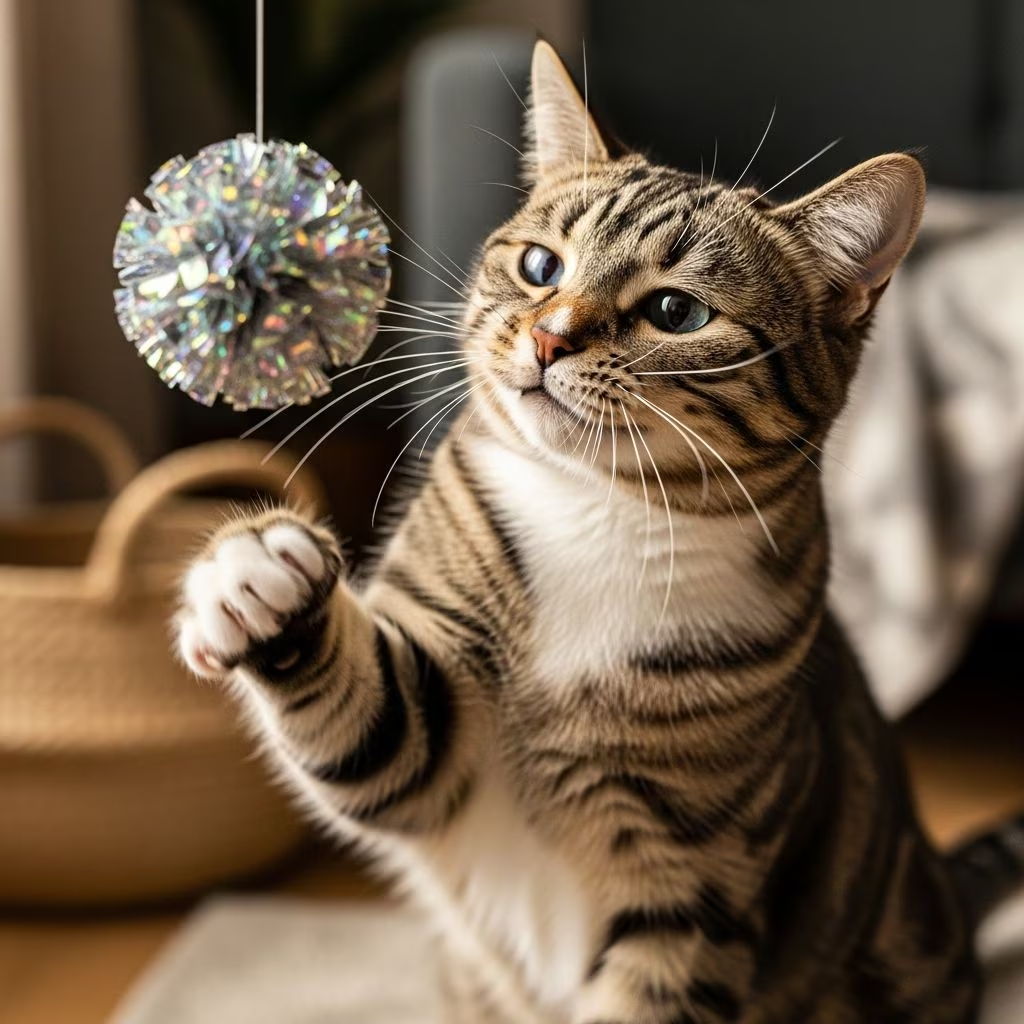
Blind cats can lead happy, active lives with the right toys that stimulate their heightened senses of hearing, smell, and touch. Unlike sighted cats that rely on visual cues, blind felines thrive on auditory feedback like bells and squeaks, strong scents such as catnip, and varied textures for tactile exploration. These toys not only prevent boredom but also encourage natural hunting instincts, physical exercise, and mental enrichment, helping blind cats stay healthy and engaged.
Understanding a blind cat’s sensory world is key. Research from cat behavior experts shows that vision loss sharpens other senses, allowing cats to navigate and play effectively using sound, vibration, and aroma. Toys designed for these senses mimic prey movement through noise or scent trails, making playtime instinctive and fun. This guide covers the best toy types, specific recommendations, safety tips, and how to set up an enriching environment.
Understanding Blind Cats and Their Play Needs
Blindness in cats can result from genetics, injury, infection, or age-related conditions like cataracts. Regardless of the cause, blind cats adapt remarkably well. Their whiskers act as radar for detecting air currents and nearby objects, while enhanced hearing picks up subtle sounds from up to 100 feet away. Smell, already 14 times stronger than humans, becomes even more vital for identifying toys and food.
Play is essential for blind cats to maintain muscle tone, reduce stress, and prevent obesity. Without visual stimulation, owners must prioritize toys that provide multi-sensory feedback. Interactive play sessions of 10-15 minutes, 2-3 times daily, boost confidence and bonding. Always supervise play to ensure safety, and introduce toys gradually to avoid overwhelming your cat.
Best Types of Toys for Blind Cats
The ideal toys for blind cats emphasize sound, scent, and texture over appearance. Here’s a breakdown of top categories:
- Auditory Toys: Bells, squeakers, and crinkles create locatable sounds that guide chasing and pouncing.
- Scent-Based Toys: Catnip or valerian-infused items trigger intense interest through smell.
- Tactile Toys: Soft plush, furry, or textured materials invite batting, carrying, and kneading.
- Interactive Puzzles: Tracks, balls, and treat dispensers combine senses for mental workouts.
- Motion Toys: Wand toys with noisy attachments simulate prey for guided play.
Combining these elements maximizes engagement. For instance, a bell-equipped furry mouse offers sound, texture, and a prey-like shape.
Top Recommended Toys for Blind Cats
Based on expert recommendations and real-world use in blind cat rescues, here are standout toys that consistently delight sightless felines:
- Berber Animals: Plush toys with squeakers provide soft texture and surprising noises. Blind cats carry them easily, exploring varied fabrics while the squeak helps track movement.
- Sloth Cat Toy: Cuddly with gentle sound activation, it’s perfect for calming play. The auditory feedback reduces anxiety and encourages gentle batting.
- Look Who’s Talking® For Cats: Emits realistic animal sounds for immersive auditory play, simulating interactions that keep cats pouncing and listening intently.
- Monster Cat Toys: Feature crinkles, rattles, and textures for full sensory overload. They promote paw exploration and active chasing.
- Cat “See” Mirror Cat Toy: Rattles and reflects light patterns (sensed via whiskers), blending sound and touch for intriguing sessions.
- Mouse With Bell: Classic prey mimic with ringing bell; excites hunting instincts as cats chase the rolling sound.
- Loofa® Cat for Cats: Elongated plush with crinkly sounds, easy to grip and shake for extended play.
- Long Mouse: Soft body with bell; encourages carrying and tossing, mimicking successful hunts.
Other favorites include jingle balls, crinkle balls, and light-up balls for partially sighted cats.
Sensory-Specific Toy Recommendations
| Sense | Top Toys | Why It Works |
|---|---|---|
| Hearing | Jingle balls, Tower of Tracks, bells on rods | Clear, directional sounds guide movement and hunting. |
| Smell | Catnip Hurricane, valerian toys, treat puzzles | Strong scents draw cats to interact repeatedly. |
| Touch | Crinkle toys, real fur mice, plush squeakers | Varied textures stimulate whiskers and paws. |
| Combination | Cat wheels, scratch/rest beds | Multi-sensory for exercise and rest. |
DIY Toys and Environmental Enrichment
You don’t need expensive toys—DIY options work wonders. Create a toilet roll puzzle: seal ends, cut holes, add treats or catnip. The scent guides batting. Ping pong balls in a bathtub echo loudly for chase games. Cardboard scratchers with catnip dusting provide texture and aroma.
Enhance your home: Place cat trees with close platforms or ramps for climbing—guide with treats or toys initially. Cat wheels suit active blind cats, using sound and smell to orient. Scatter crinkle paper or foil balls for spontaneous play.
Safety Tips for Toys and Play with Blind Cats
Safety first: Avoid small parts that could be swallowed, strings that tangle, or hard edges. Inspect toys regularly for wear. Never use laser pointers alone, as blind cats can’t track the dot—pair with sound. Keep play areas clutter-free to prevent bumps. Rotate toys weekly to maintain novelty.
- Supervise all sessions.
- Choose durable, non-toxic materials.
- Match toy size to cat’s paws.
- Monitor for overstimulation signs like flattened ears.
How to Play with Your Blind Cat
Engage actively: Shake wand toys to create rustling sounds, luring chases. Hide scented toys under blankets for ‘digging’ games. Use your voice as a toy—call and reward with treats. Consistency builds trust; blind cats map routines via sound and scent.
Observe preferences: Some love high-energy rattles, others soft plush. Play in short bursts to match energy levels, especially for seniors.
Frequently Asked Questions (FAQs)
Q: Can blind cats play like sighted ones?
A: Yes, with sensory-focused toys, blind cats play vigorously, often more attuned to sounds and smells.
Q: Are catnip toys safe for blind cats?
Q: Yes, their strong scent is ideal; use organic catnip to avoid chemicals.
Q: What if my blind cat ignores toys?
A: Introduce slowly with your scent rubbed on them. Combine with treats or play sessions.
Q: Do blind cats use cat wheels?
A: Many do, especially with audio cues; about 14% in rescues love them.
Q: Can partially blind cats use light-up toys?
A: Absolutely; they sense light changes via whiskers.
Real-Life Stories of Blind Cats and Their Favorite Toys
Inspirational blind cats like Honey Bee and Oscar thrive with simple toys. Rescue centers report blind cats mastering Tower of Tracks, batting balls at high speeds by sound alone. Owners share stories of ‘Popcorn’ napping in scratch beds after crinkle play, proving toys enhance joy.
Adopting blind cats yields affectionate companions. With the right toys, their world is full of adventure.
References
- Discovering The Best Toys For Blind Cats — Multipet. 2023. https://www.multipet.com/discovering-the-best-toys-for-blind-cats/
- Best Toys for Blind Cats — Cat Behaviourist (Anita Kelsey). 2022-10-15. https://www.catbehaviourist.com/blog/best-toys-blind-cats/
- What Kind of Toys Do Blind Cats Like? — Blind Cat Rescue. 2021-05-20. http://www.blindcatrescue.com/cattoys.htm
- Cat Toys for Blind Cats — Etsy. 2024. https://www.etsy.com/market/cat_toys_for_blind_cats
- Toys for Blind Cats — Handicapped Pets Forum. 2019-08-12. http://handicappedpet.net/helppets/viewtopic.php?t=1261



