

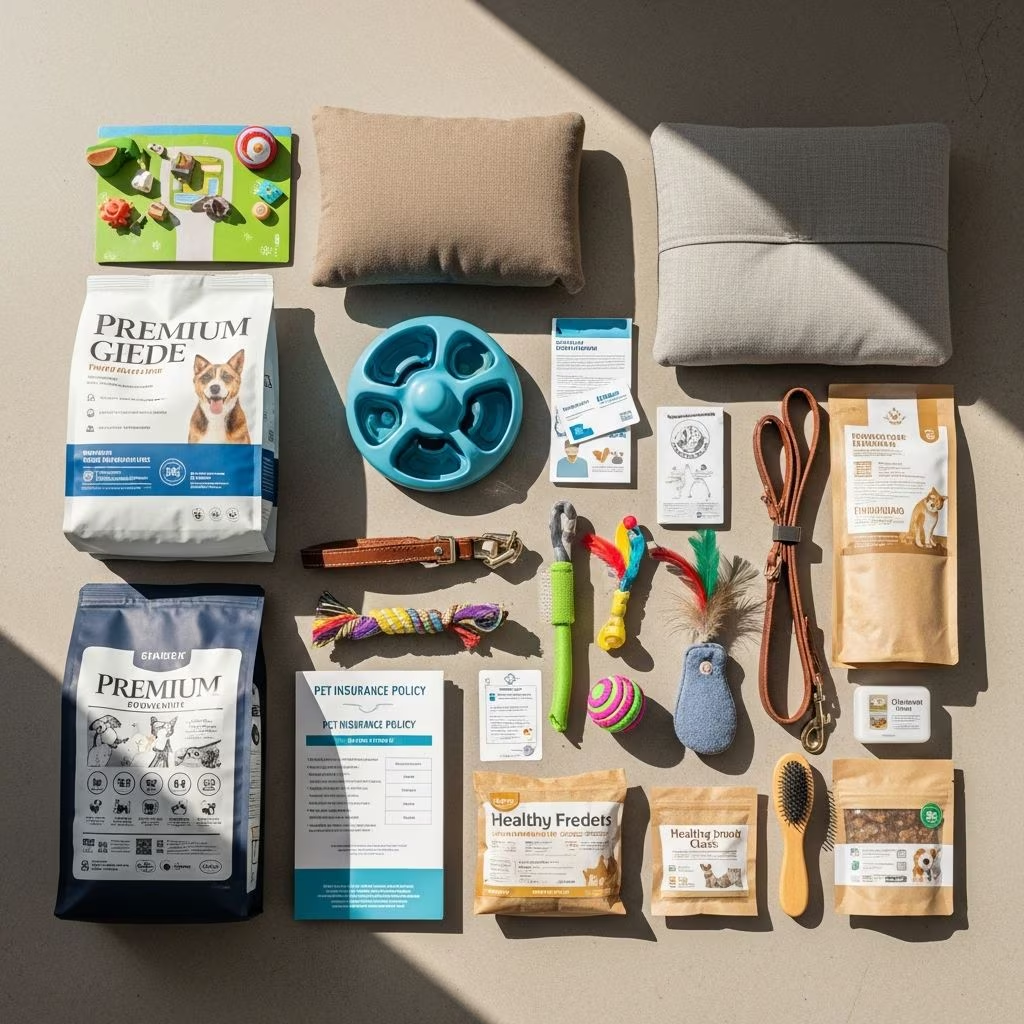
Pet parenthood brings immense joy, but it also comes with significant financial responsibilities. With costs adding up quickly—from food and vet bills to toys and tech gadgets—pet owners often wonder where to allocate their budget wisely. This article breaks down the essentials worth investing in for your cat or dog, drawing from real pet parent experiences and cost breakdowns. By prioritizing high-impact purchases, you can ensure your pet’s health and happiness without overspending.
Pet Insurance: The Ultimate Safety Net
One of the smartest investments any pet parent can make is comprehensive pet insurance. Real-life examples show monthly premiums around £45 covering vet fees, with additional annual policies for routine check-ups at £180.Pet insurance mitigates the shock of unexpected emergencies, like the £2,000 surgery covered for one cat named Fonzie.
Without insurance, a single operation or chronic condition can drain savings. Policies typically include accident coverage, illness treatment, and preventive care. For dogs, lifetime costs emphasize insurance’s value, as vet bills accumulate over years. Consider factors like breed predispositions—bulldogs for breathing issues or Persians for dental problems—when choosing a plan. Shop for customizable options that fit your budget, aiming for at least £2,000–£5,000 annual coverage.
- Vet fees: Core coverage for surgeries, hospitalizations, and diagnostics.
- Routine care add-ons: Vaccinations, flea/worm treatments, often £10–£20 monthly extra.
- Multi-pet discounts: Save 10–15% for households with multiple animals.
Pet parents report peace of mind outweighs the cost, especially as pets age and health issues rise.
Premium Food and Treats: Fuel for Longevity
High-quality food is non-negotiable. Fussy cats demand gourmet options like Sheba at £40 per purchase, while dogs require balanced nutrition costing $668 annually. Skimping leads to digestive issues, allergies, or obesity, increasing vet bills long-term.
Opt for AAFCO-approved formulas with real meat as the first ingredient, avoiding fillers like corn or by-products. Wet food for cats aids hydration and urinary health; kibble for dogs supports dental hygiene. Treats like Dreamies (£20 weekly) or bully sticks ($123 yearly) motivate training and provide mental stimulation but limit to 10% of calories.
| Pet Type | Recommended Food Type | Avg. Monthly Cost | Benefits |
|---|---|---|---|
| Cats | Gourmet wet food | £40–£60 | Hydration, palatability, urinary health |
| Dogs | Premium kibble | $50–$70 | Dental care, sustained energy, joint support |
Subscriptions via autoship save 10–20%, ensuring consistency without last-minute runs to the store.
Preventive Health: Vaccinations, Flea/Tick, and Grooming
Preventive care prevents costly cures. Monthly flea/worm treatments cost £15, heartworm/flea/tick prevention $362 yearly for dogs. Boosters and routine vet visits ($68–$150 annually) catch issues early.
Grooming tools like brushes ($14), nail clippers ($11), and toothbrushes ($10) maintain hygiene at home, reducing professional fees. For cats, litter and waste management (scatter granules, £40) protects gardens; for dogs, paw protection ($50) guards against injuries.
- Flea/tick meds: Topical or oral, veterinarian-recommended.
- Dental care: Brushes and enzymatic toothpaste prevent $1,000+ extractions.
- Grooming: Regular brushing cuts shedding and skin issues.
Tech Gadgets and Safety: Smart Investments
Tech elevates pet care. WiFi cat flaps, trackers (£10/month), and pet cams ($35) provide monitoring without constant worry. Automatic feeders and fountains (£300 yearly upgrades) ensure hydration and portion control.
Dogs benefit from GPS collars, car seats ($68), and puzzle toys ($16) for safety and enrichment. One pet parent modified home gates (£200 extra) for safe access. These reduce separation anxiety and vet visits from mischief.
Upfront costs like crates ($76), harnesses ($29), and pee pads ($45) pay off in training efficiency and accident prevention.
Toys, Beds, and Enrichment: Happiness Boosters
Enrichment prevents boredom-induced destruction. Toys (£10–£20 weekly) like floppy fish or puzzle feeders engage hunting instincts. Beds ($90 initial, $27 replacements) offer comfort; chews keep jaws busy.
Pet parents note cats prefer boxes over £20 toys, but variety sustains interest. Subscriptions ($300 yearly) deliver fresh options, balancing cost with joy.
Training and Socialization: Long-Term Savings
Puppy classes ($209) and ongoing training curb behavioral issues, avoiding rehoming or damage costs. Dog sitters ($373 for five days) enable work-life balance, while positive reinforcement with treats builds bonds.
Lifetime Cost Breakdown: Planning Ahead
Dogs cost $5,585 in the first two years, rising with age. Cats mirror with £350 monthly tallies. Factor adoption ($70–$500), spay/neuter ($219), and ongoing needs.
| Life Stage | Dog Total (USD) | Cat Equivalent (GBP) |
|---|---|---|
| 0–2 Years | $5,585 | £1,500–£2,000 |
| 2–5 Years | $6,086 | £2,000–£2,500 |
| 5+ Years | Varies | £2,500+ |
Budget 1–2% of income for pets, prioritizing insurance and food.
Cost-Saving Tips for Smart Pet Parents
Autoship subscriptions discount staples; bulk buys for treats work too. DIY enrichment like YouTube bird videos cuts toy spends. Track expenses via diaries to trim luxuries.
- Compare insurance quotes annually.
- Use loyalty programs at pet stores.
- Adopt from shelters for lower upfront fees.
Frequently Asked Questions (FAQs)
What’s the most important pet expense?
Pet insurance tops the list, covering potentially devastating vet bills and providing peace of mind.
How much should I budget monthly for a cat?
Around £350, including food (£40+), insurance (£45), and treats/meds (£20–£40).
Are premium foods worth it for dogs?
Yes, they support health and reduce vet visits compared to cheap alternatives.
Do I need tech gadgets for my pet?
Not essential, but trackers and cams enhance safety for indoor/outdoor pets.
How can I save on pet costs?
Subscriptions, preventive care, and multi-pet discounts keep expenses manageable.
References
- We Earn £120k, Here’s How Much We Spend On Our Cats In a Month — Kinship. 2023. https://www.kinship.com/uk/cat-lifestyle/pet-spend-diary-cats-120k-salary
- How Much Will Your Dog Cost You in a Lifetime? — Kinship. 2023. https://www.kinship.com/dog-shopping/how-much-do-dogs-cost-lifetime
- Money Talks: The Dollars of Dog Parenthood — Kinship. 2023. https://www.kinship.com/dog-lifestyle/cost-of-owning-a-dog
- Modern Pet Parenting: How to Save Money — PetHub. 2023. https://www.pethub.com/articles/2969656/modern-pet-parenting-how-to-save-money



