

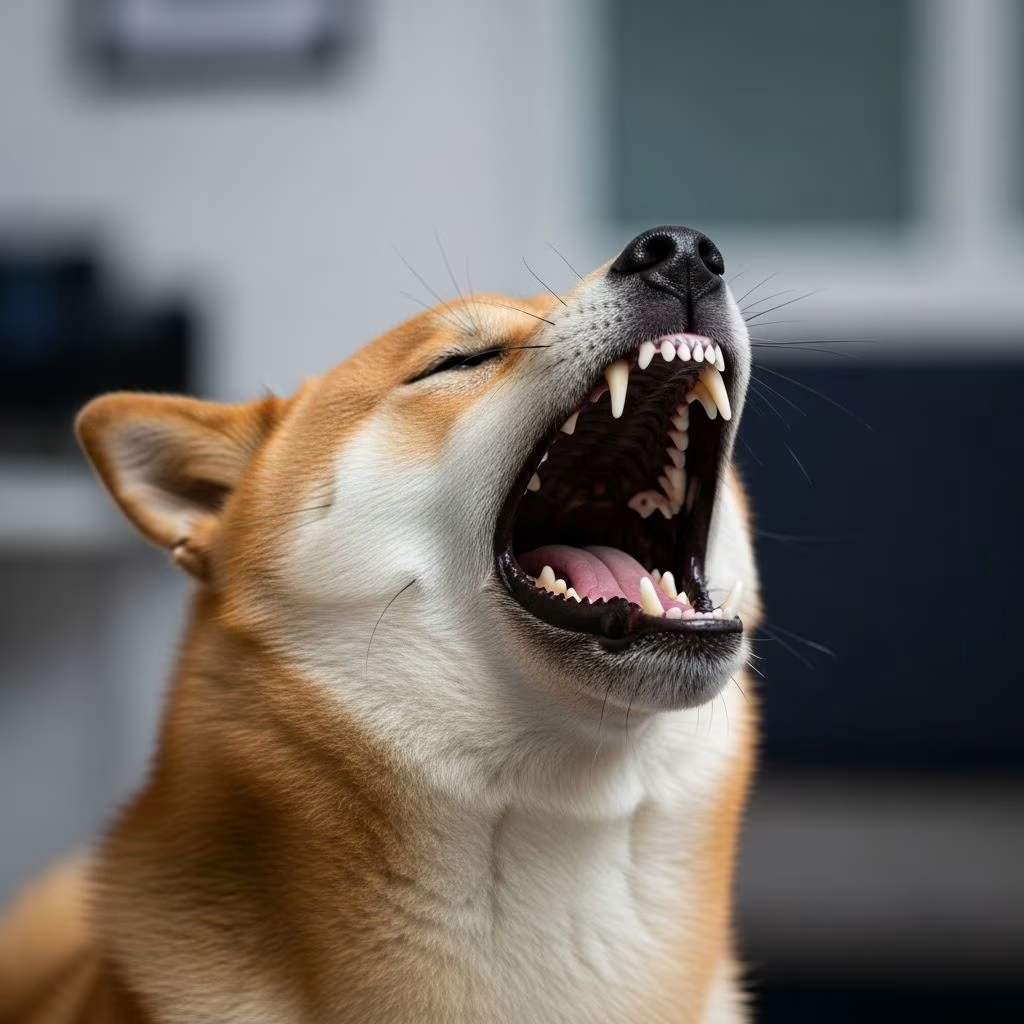
Shiba Inus are renowned for their spirited personalities and one particularly unforgettable trait: the **Shiba scream**. This high-pitched, dramatic vocalization can sound alarming to first-time owners, resembling a wail, yelp, or even a scream that echoes through the house. Far from indicating serious harm, the Shiba scream is a primitive form of communication rooted in the breed’s basal genetics, closely linked to wolves. Shiba Inus use it to express a range of emotions, from sheer excitement upon their owner’s return to displeasure during grooming sessions.
Unlike yappy breeds that bark incessantly, Shibas are generally quiet but vocalize intensely when they feel the need to be heard. This trait sets them apart from barkless breeds like the Basenji, which yodel instead. Understanding the Shiba scream helps owners appreciate their dog’s expressive nature rather than panic. In this guide, we’ll break down why Shibas scream, common triggers, the difference between distress and joy screams, management strategies, and when to consult a professional.
Why Do Shiba Inus Scream?
The Shiba scream serves as a loud, clear signal in the dog’s communication repertoire. As a basal breed—genetically close to wolves rather than a truly “ancient” one—Shiba Inus retain primitive instincts. They may bark, howl, or scream to convey needs, much like their wild ancestors. Research positions Shibas as basal rather than ancient, highlighting their unique vocal and behavioral profile.
Screams typically arise from **fear, anxiety, frustration, excitement, or general displeasure**. They’re not constant; Shibas bark or scream only when necessary, making these outbursts stand out. Body language provides context: a tucked tail and cowering suggest fear, while a wagging tail indicates happiness. Observing patterns helps differentiate normal expression from potential issues like excessive anxiety.
Common Triggers for the Shiba Scream
Shiba Inus, with their aversion to excessive handling, scream during situations that feel invasive or stressful. Early socialization is crucial, as well-handled puppies grow into adults tolerant of touch. Here’s a breakdown of frequent provocations:
- Nail trimming: The top trigger. Shibas hate restrained paws; the clippers’ sound and sensation provoke immediate screams.
- Bathing and grooming: Water, soap, and brushing feel like assaults to this independent breed.
- Vet visits: Strangers poking and prodding heighten anxiety, especially without prior exposure.
- Restraint or handling: Pulling collars, hugs, or pinches elicit yelps from “drama queen” Shibas.
- Excitement: Happy reunions with owners prompt joyful screams, a rewarding welcome-home ritual.
Primitive breeds like Shibas resist handling from unfamiliar people, underscoring the need for puppy socialization. Expose them gradually to touch, sounds, and environments to build resilience.
The “Drama Queen” Shiba Scream
Shibas earn their “drama queen” reputation through exaggerated reactions. A light scream or rambling yelp-mumble combo often follows minor annoyances, like a gentle collar tug. These aren’t full-volume wails but unique, high-pitched outbursts that startle yet amuse owners.
This theatrical flair stems from the breed’s bold, cat-like independence. Shibas communicate displeasure vividly, ensuring their voice is heard. While startling, it’s rarely serious—just a Shiba being a Shiba. Owners often laugh at the overreaction, turning potential frustration into fondness.
The Happy Shiba Scream
Not all screams signal distress; the **happy Shiba scream** bursts forth during peak joy. Picture your Shiba wailing ecstatically as you walk through the door after work—it’s their ultimate praise, compensating for their non-cuddly nature.
These positive vocalizations feature a lighter, more melodic tone with wagging tails and playful bounces. They reinforce the human-canine bond, showing excitement without physical affection. Embrace them; they’re among the breed’s most endearing traits.
How to Stop (or Manage) Your Shiba Inu From Screaming
Managing screams depends on the cause. Joyful ones? Enjoy the serenade. Distress screams require proactive steps to reduce anxiety. Here’s a comprehensive strategy:
Desensitization and Counter-Conditioning
Gradually expose your Shiba to triggers while pairing with positives. For nail trims:
- Touch paws daily with treats, no clippers.
- Introduce clippers’ sound at a distance, rewarding calm.
- Clip one nail per session, building tolerance.
Apply similarly to baths: start with damp cloths, progress to water. Remain calm—your energy influences theirs.
Socialization and Training
Begin early: handle puppies extensively during the critical 3-12 week window. Use positive reinforcement—high-value treats for compliance. Short, engaging sessions suit their stubborn streak.
- Consistent commands build trust.
- Avoid punishment; it heightens fear.
Exercise and Mental Stimulation
High-energy Shibas need daily walks, play, and puzzles to curb frustration-fueled screams. A tired Shiba is quieter.
Tools and Environment
| Trigger | Management Tool | Tips |
|---|---|---|
| Nail Trims | Grinder over clippers | Slower, less scary vibration |
| Baths | Non-slip mat, lukewarm water | Keep sessions short, praise heavily |
| Vet Visits | Calming treats or pheromone spray | Frequent low-stress vet trips for exposure |
| Excitement | None needed | Channel into play |
If screams persist with distress signs (pacing, hiding), consult a veterinary behaviorist. Rule out pain or anxiety disorders.
When to Be Concerned About Shiba Screams
Occasional screams are normal, but frequent, intense ones with avoidance, trembling, or aggression warrant attention. They may signal:
- Underlying anxiety: Separation issues or phobias.
- Pain: Hidden injuries, arthritis.
- Insufficient socialization: Adult-onset handling fears.
Track episodes: note triggers, duration, body language. Video for vets. Professional input ensures tailored solutions.
Shiba Inu Vocalizations Beyond the Scream
Shibas aren’t one-note: expect barks for alerts, howls mimicking wolves, and grumbles during contentment. Their vocal range reflects basal heritage—expressive yet selective.
Frequently Asked Questions (FAQs)
Q: Why does my Shiba Inu scream so loudly?
A: The Shiba scream expresses intense emotions like excitement, fear, or frustration. It’s breed-typical but can startle; context clues (tail, posture) reveal the cause.
Q: How can I tell if screams are from fear or happiness?
A: Fear screams accompany cowering, tucked tails; happy ones feature wagging, bouncing. Observe patterns and body language.
Q: Is the Shiba scream harmful or a health issue?
A: Usually not—it’s behavioral. Persistent distress screams may indicate anxiety or pain; vet check recommended.
Q: Can I train my Shiba to stop screaming entirely?
A: Not fully, as it’s instinctual. Management reduces frequency through desensitization and training.
Q: Do all Shiba Inus scream?
A: Most do, varying in intensity. Socialized ones scream less dramatically.
Embracing the Shiba Scream
The Shiba scream defines this breed’s charm: bold, vocal, unapologetic. With patience, training, and love, it becomes a quirky hallmark rather than a nuisance. Celebrate your Shiba’s voice—it’s their way of saying, “I’m here, and I have feelings!”.
References
- What Is A Shiba Inu Scream? — My First Shiba Inu. 2023. https://myfirstshiba.com/what-is-a-shiba-inu-scream/
- Understanding Shiba Inu Puppy Behavior: Common Traits and How to Manage Them — Furrylicious. 2024. https://www.furrylicious.com/understanding-shiba-inu-puppy-behavior-common-traits-and-how-to-manage-them/
- Why do Shiba Inus scream sometimes, and is it a sign they’re upset? — Dial A Vet. 2024. https://www.dialavet.com/vet-answers/shiba-inu-loud-screams-10987



