

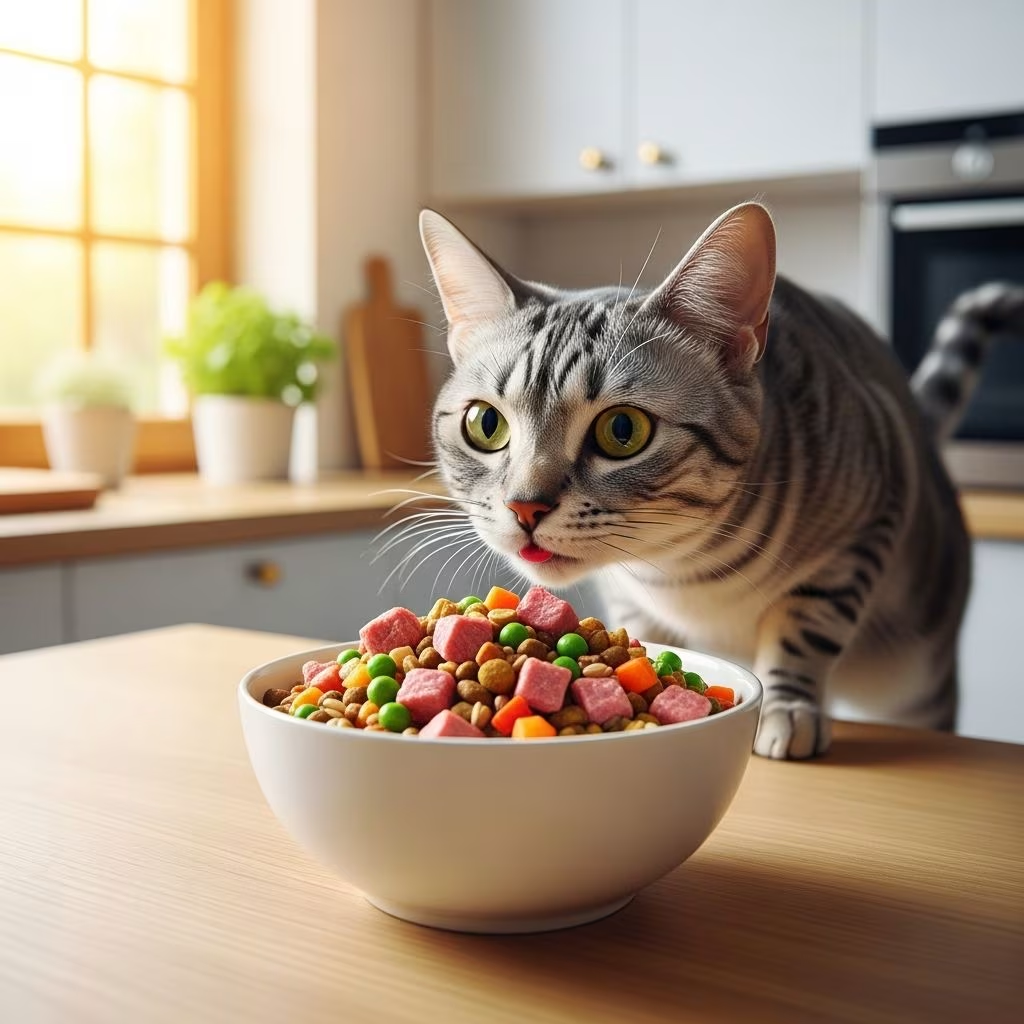
Cats are obligate carnivores, meaning their diet must primarily consist of animal-based nutrients to thrive. The healthiest cat food meets specific nutritional requirements, adheres to standards set by the Association of American Feed Control Officials (AAFCO), and supports overall health from kittenhood through senior years.
Understanding Cat Nutrition Basics
Cats require a precise balance of macronutrients and micronutrients due to their unique metabolism. Unlike dogs, cats cannot synthesize certain essential compounds like taurine, arachidonic acid, or vitamin A from plant sources, making high-quality animal proteins indispensable.
Key dietary components include:
- Proteins: Building blocks for muscles, organs, and enzymes. Adult cats need at least 26% crude protein on a dry matter basis (65g per 1,000 kcal ME), while kittens and reproducing cats require 30% (75g per 1,000 kcal).
- Fats: Provide energy, maintain body temperature, and aid vitamin absorption. Cats specifically need arachidonic acid from animal fats, not vegetable oils.
- Carbohydrates: Not essential but useful for energy if highly digestible; ideally less than 10% of calories.
- Vitamins and Minerals: Over a dozen are vital, including taurine for heart and eye health.
AAFCO Standards: The Gold Standard for Cat Food
The AAFCO establishes minimum nutrient profiles ensuring cat foods are complete and balanced. Look for labels stating “complete and balanced for all life stages” or specific stages like growth, maintenance, or gestation.
| Nutrient | Adult Maintenance (Min % Dry Matter) | Growth/Reproduction (Min % Dry Matter) |
|---|---|---|
| Crude Protein | 26% | 30% |
| Fat | 9% | 9% |
| Taurine | 0.1% | 0.1% |
| Arachidonic Acid | 0.02% | 0.02% |
These guidelines prevent deficiencies; for instance, taurine deficiency can cause dilated cardiomyopathy and blindness.
Essential Nutrients Cats Cannot Live Without
Protein and Amino Acids
High-quality animal proteins from chicken, turkey, beef, fish, or eggs supply all 11 essential amino acids, including taurine, arginine, and methionine. Taurine is critical for retinal health, cardiac function, and reproduction—cats cannot produce it endogenously.
Fats and Fatty Acids
Fats deliver concentrated energy and essential fatty acids like linoleic and arachidonic acid. Omega-3 and Omega-6 support skin, coat, inflammation control, and vitamin absorption.
Vitamins
Cats need specific vitamins due to limited synthesis:
- Vitamin A: For vision, skin, and reproduction—from liver, not carrots.
- Vitamin D: Balances calcium/phosphorus for bones.
- Niacin (B3) and Pyridoxine (B6): Higher needs than dogs for metabolism.
- Others: Folic acid, biotin, B12, choline for DNA synthesis, fats, and nerves.
Minerals
Balanced minerals prevent issues like urinary crystals:
- Calcium/Phosphorus: Ratio 1:1 to 2:1 for bones.
- Magnesium: Low levels to avoid FLUTD; from grains, fish.
- Iron, Zinc, Copper: For oxygen transport, immunity, skin.
- Sodium/Chloride: Minimum 0.2%/0.3% for electrolyte balance.
Wet vs. Dry Cat Food: Pros and Cons
Both can be healthy if AAFCO-compliant, but moisture content affects hydration and health.
| Type | Moisture % | Pros | Cons |
|---|---|---|---|
| Wet (Canned) | 70-80% | High hydration, palatable, lower carbs, supports urinary health. | More expensive, shorter shelf life post-opening. |
| Dry (Kibble) | 5-10% | Convenient, dental benefits (reduced tartar), economical. | Low moisture risks dehydration/UTI, higher carbs. |
Fresh prey is 70-75% water, so wet food better mimics natural diet; mix both for balance.
Ingredients to Look For and Avoid
Top Ingredients:
- Named meats (chicken, salmon) as first ingredient.
- Whole sources for vitamins/minerals.
- Probiotics for gut health.
Red Flags:
- By-products, excessive fillers (corn, wheat), artificial colors.
- High carbs from legumes/soybeans (antinutritional factors).
- Unbalanced minerals leading to struvite crystals.
Life Stage Nutrition: Kittens to Seniors
- Kittens: Higher protein (30%), calories for growth; DHA for brain/eyes.
- Adults: Maintenance levels; control weight to prevent obesity.
- Seniors: Joint support (glucosamine), kidney-friendly (lower phosphorus), highly digestible proteins.
How to Choose the Healthiest Cat Food
- Verify AAFCO statement for life stage.
- Check protein >30% dry matter, animal-based.
- Prefer minimal processing, no recalls.
- Consider preferences: picky eaters may need wet/pâté.
- Consult vet for health issues (e.g., renal diets).
Transition gradually over 7-10 days to avoid digestive upset.
Common Myths About Cat Food
- Myth: Grain-free is always better. Not necessary; digestible grains provide energy.
- Myth: All proteins are equal. Quality and amino acid profile matter more than quantity.
- Myth: Cats don’t need wet food. Hydration prevents chronic kidney disease.
Signs Your Cat’s Food Isn’t Healthy Enough
- Dull coat, hairballs.
- Weight changes, lethargy.
- Digestive issues, urinary problems.
- Eye/heart symptoms from taurine deficiency.
Monitor and adjust; annual vet check-ups essential.
Frequently Asked Questions (FAQs)
What percentage of protein should cat food have?
Minimum 26% for adults, 30% for kittens/reproduction on dry matter basis per AAFCO.
Is wet or dry food healthier for cats?
Both can be if balanced; wet aids hydration, dry convenience—variety ideal.
Why is taurine essential in cat food?
Cats can’t synthesize it; vital for heart, eyes, reproduction.
Can I feed my cat dog food?
No—lacks taurine, arachidonic acid, vitamin A.
How much water does dry food provide?
Only 5-10%, risking dehydration; supplement with fountains/wet food.
References
- Nutritional Requirements of Small Animals — Merck Veterinary Manual. 2023. https://www.merckvetmanual.com/management-and-nutrition/nutrition-small-animals/nutritional-requirements-of-small-animals
- 6 Essential Nutrients Cats Need to Thrive — Redbarn Pet Products. 2023. https://www.redbarn.com/blogs/blog/6-essential-nutrients-cats-need-to-thrive
- Cat Nutrition: Guide to Cat Food Nutrients — PetMD. 2024. https://www.petmd.com/cat/nutrition/cat-nutrition-what-makes-nutritional-cat-food
- Feeding Your Cat — Cornell University College of Veterinary Medicine. 2023. https://www.vet.cornell.edu/departments-centers-and-institutes/cornell-feline-health-center/health-information/feline-health-topics/feeding-your-cat
- Nutrition – General Feeding Guidelines for Cats — VCA Animal Hospitals. 2023. https://vcahospitals.com/know-your-pet/nutrition-feeding-guidelines-for-cats



