

What Is a Tabby Cat, Anyway?
When most people think of a tabby cat, they picture a striped feline with distinctive markings and a recognizable “M” shape on its forehead. However, the reality of what defines a tabby cat is more nuanced and interesting than many realize. A tabby cat doesn’t refer to a specific breed or gender—instead, it describes a coat pattern that can appear in virtually any domestic cat, whether purebred or mixed breed. This fundamental distinction is crucial for understanding these beloved felines and appreciating their unique characteristics.
The term “tabby” has become synonymous with certain visual patterns and personality traits, making it one of the most recognizable cat appearances in the world. From orange tabbies to gray, brown, and black variations, these patterned cats have captured the hearts of cat lovers everywhere. Understanding what a tabby cat truly is—beyond just appearance—helps owners appreciate their distinctive nature and provide better care for these charming companions.
The Definition of a Tabby Cat
Fundamentally, a tabby cat is defined by its coat pattern rather than its breed or genetic lineage. As one certified cat behaviorist explains, “Tabby is one of the most naturally dominant coat patterns, so it shows up across the board, especially in rescue cats and strays.” This natural dominance of the tabby pattern means you’re likely to encounter tabbies in shelters and rescue organizations far more frequently than other coat patterns.
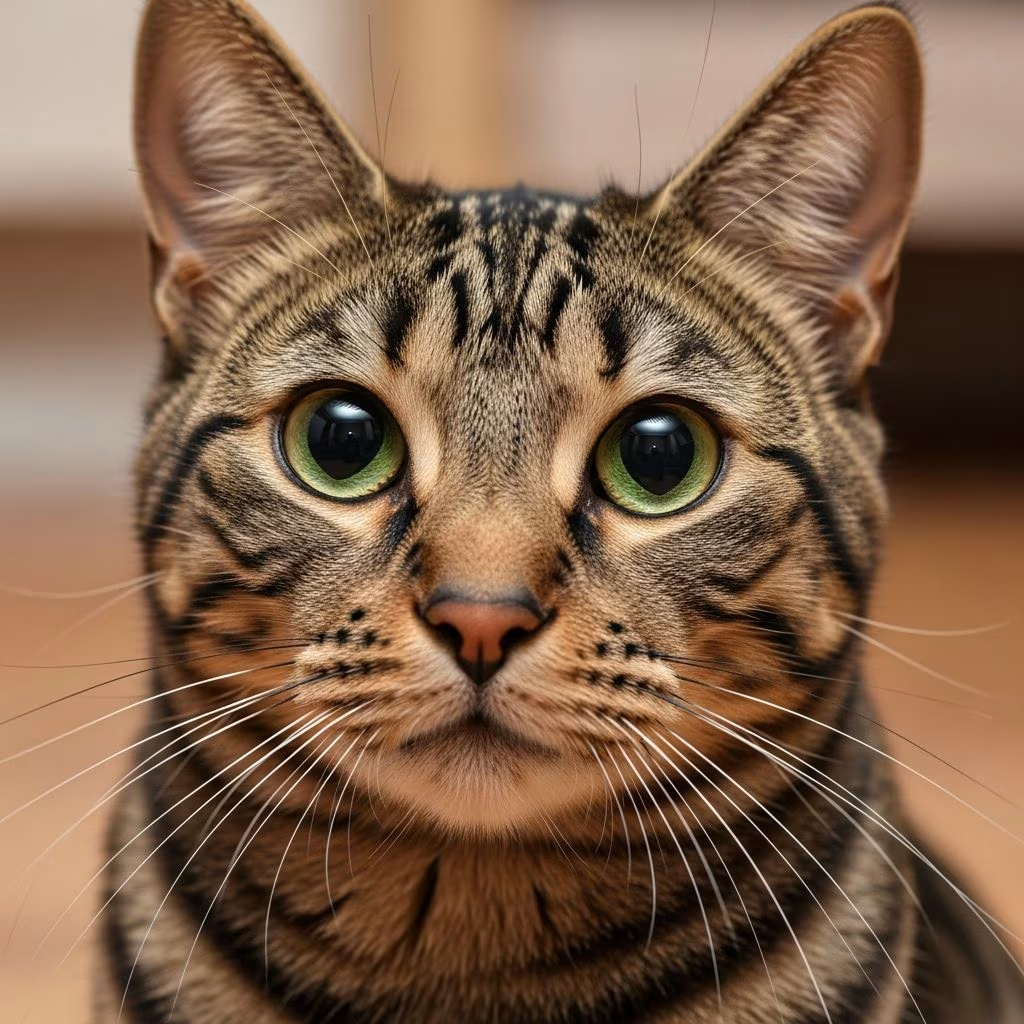
What’s consistent among all tabby cats is the presence of certain distinctive markings. These include an M-shaped mark on the forehead, stripes or swirls on the body, and markings on the legs, tail, and face. These characteristic features are what transform a regular domestic cat into what we recognize as a tabby. The pattern can vary significantly from cat to cat, but these core markers remain present across all true tabbies.
Distinctive Tabby Markings
The most iconic feature of any tabby cat is undoubtedly the “M” marking on its forehead. This distinctive symbol has captured human imagination for centuries and holds different meanings across various cultures. In ancient Egypt, for example, the “M” marking was believed to represent mystical significance, adding to the tabby’s legendary status in feline folklore.
Beyond the forehead mark, tabby cats display several other consistent markings that distinguish them from non-tabby felines:
– Thin pencil lines extending across the face- Dark eyeliner-like markings with pale fur around the eyes- Pigmented lips and paws- A pinkish nose outlined with darker pigment- Banding patterns on the torso, legs, and tail- A white or pale-colored chin and belly
These markings work together to create the characteristic “tabby look” that cat enthusiasts immediately recognize. However, it’s important to note that these features aren’t absolutely rigid rules—some tabby variations, particularly ticked tabbies, may not display all these characteristics exactly as described.
Understanding Tabby Coat Patterns
One of the most fascinating aspects of tabby cats is the diversity of coat patterns within the tabby family. Rather than a single uniform appearance, tabbies display several distinct pattern types, each with its own genetic explanation and visual characteristics.
The Mackerel Tabby Pattern
The mackerel tabby represents the most common tabby pattern seen in cats today. Often referred to as “tiger” cats, mackerel tabbies feature narrow stripes that run parallel across the body. These stripes sometimes curve gently or break up into bars and spots, creating a dynamic striped appearance. The characteristic “M” shape appears prominently on the forehead, and the pattern extends down the spine and across the legs and tail. This pattern shows up in numerous breeds, including domestic shorthairs, European shorthairs, Maine Coons, and Toygers.
The Classic Tabby Pattern
The classic tabby, also known as the blotched tabby, presents a distinctly different aesthetic from its mackerel cousin. Rather than thin stripes, classic tabbies display thick, swirling, or marbled patterns that create a tie-dyed or bullseye appearance across the body. Each side typically features a distinctive mark resembling a bullseye, adding to their unique charm. Classic tabbies retain the “M” forehead marking and display dark bars on the legs, tail, and cheeks. Interestingly, approximately 80% of modern cats carry the recessive allele responsible for the classic pattern, making it genetically widespread even when not visually apparent. Classic tabbies each feature a light-colored “butterfly” pattern on the shoulders and three thin stripes running along the spine, with the center stripe being the darkest. This pattern is particularly common in American Shorthairs and can be found in Maine Coons and other breeds.
The Spotted Tabby Pattern
Spotted tabbies display their distinctive features through large or small spots distributed across their bodies. Rather than continuous stripes or swirls, these cats show discrete markings that create a more segmented appearance. This pattern demonstrates the genetic diversity within tabby markings and offers yet another variation on the classic tabby theme.
The Ticked Tabby Pattern
Ticked tabbies present the most subtle variation among tabby patterns. Unlike their striped and spotted relatives, ticked tabbies don’t display obvious stripes or spots on their bodies. Instead, they feature tabby markings concentrated on the face while displaying agouti hairs throughout the body. Agouti hairs are individual hairs with multiple bands of color, creating a salt-and-pepper or speckled appearance without distinct pattern lines.
The Patched Tabby Pattern
A fifth pattern emerges when any of the four basic patterns combine with calico or tortoiseshell markings. These cats are called caliby (when combined with calico) or torbie (when combined with tortoiseshell) in cat fancy circles. The tabby markings typically appear more prominently on the legs and head in these patched variations.
Tabby Cat Colors and Variations
While tabby patterns are consistent across individuals, the color variations are remarkably diverse. Tabby cats come in numerous color combinations, with typically one dominant hue contrasting with stripes or swirls of another color. Common tabby color variations include:
– Orange or red tabbies- Gray or blue tabbies- Brown tabbies- Black tabbies- Bronze tabbies- Cream or dilute tabbies
Black tabbies display particularly striking coloration, with dark browns, olives, and ochres standing out distinctly against their black base color. The variety in coloration means that virtually every tabby cat possesses a unique appearance, even when displaying the same pattern type.
The Evolutionary Purpose of Tabby Patterns
Beyond their aesthetic appeal, tabby patterns serve an important biological function. The stripes, spots, and swirls characteristic of tabby coats provide excellent camouflage when cats hide in tall grass or brush while hunting for prey. This evolutionary advantage explains why tabby patterns appear so frequently in wild feline species as well—both tigers and leopards display tabby-like markings that serve similar protective and hunting functions. The pattern’s natural dominance in the domestic cat population reflects this evolutionary advantage, as cats with these markings historically had better survival rates.
Tabby Cat Personality Traits
While tabby patterns are genetic and visible traits, tabby cats have become renowned for sharing certain personality characteristics. These personality traits, while not exclusive to tabbies, are frequently observed in cats with tabby markings and have contributed to their popularity as companion animals.
Affectionate and Social Nature
Tabby cats are typically known for being affectionate, intelligent, friendly, and social companions. These felines love participating in family activities and thrive when surrounded by their human families. Many tabby owners report that their cats display “big” personalities, readily expressing their emotions and letting their families know when they’re sad, angry, happy, or playful. Unlike some cat breeds that prefer solitude, tabbies often enjoy being lap cats and will curl up with their guardians for warmth and companionship.
Communication and Vocalization
Tabby cats typically possess excellent communication skills and make a wide range of sounds. The standard “meow” is a medium-pitched call used to get attention. When hungry, tabbies produce a longer cry that they’ll repeat consistently until fed. A high-pitched, friendly “meow” typically greets owners after periods of separation. When comfortable and content, tabbies produce a purring sound indicating happiness and relaxation. This vocal nature means tabby owners should expect interactive communication with their pets.
Intelligence and Adaptability
Tabby cats are known for their intelligence and adaptability. They can be quite clever and often get what they want due to their bright, persuasive nature. While this intelligence is endearing, it can also mean that cranky tabbies who don’t get their way might express their frustration vocally. Their smart nature makes them responsive to training and enrichment activities.
Doglike Loyalty
Many tabby cat owners report that their cats display surprising doglike loyalty, following their favorite people from room to room and seeking out attention and affection. This characteristic makes tabbies excellent companions for families and individuals seeking an interactive, engaged pet that actively participates in household life.
Caring for Your Tabby Cat
Understanding tabby cat characteristics helps owners provide appropriate care for these distinctive felines. Several key considerations ensure tabby cats remain healthy and happy throughout their lives.
Dietary Requirements
Like all cats, tabbies are obligate carnivores and require a diet packed with meat-based proteins. High-quality commercial cat food formulated for feline nutritional needs should form the foundation of a tabby’s diet. Owners should ensure their chosen food meets AAFCO (Association of American Feed Control Officials) standards for complete and balanced nutrition.
Exercise and Mental Stimulation
To prevent behavioral problems and maintain physical health, tabby cats need daily exercise and mental stimulation. Toys, climbing structures, and interactive play sessions help keep these active, intelligent cats engaged and prevent mischievous behavior that boredom might inspire. Puzzle feeders and enrichment toys can provide mental challenges that satisfy their intelligent nature.
Living Environment
Tabby cats adapt well to homes of all sizes, whether apartments or houses with yards. However, keeping them indoors provides protection from outdoor hazards like traffic, predators, and diseases. Indoor tabbies should have access to climbing structures, window perches, and toys to maintain their activity levels and mental stimulation.
Healthcare
Regular veterinary check-ups are essential for maintaining tabby cat health. Annual wellness exams, vaccinations, parasite prevention, and dental care all contribute to a long, healthy life. Early detection of health issues through regular veterinary visits helps ensure tabbies receive prompt treatment when needed.
Tabby Cats as Family Pets
Tabby cats make fantastic family pets, particularly for households with children. Their social and friendly nature means they enjoy participating in family activities and typically adapt well to busy household environments. The combination of affection, intelligence, and playfulness makes them excellent companions that can grow and thrive in various living situations. Their communicative nature means owners always know what their tabby cat is thinking, creating a strong bond between pet and family.
Frequently Asked Questions About Tabby Cats
Q: Is “tabby” a cat breed?
A: No, tabby refers to a coat pattern rather than a breed. Any domestic cat of any breed or mixed breed can have a tabby pattern. It’s a genetic trait that can appear in cats regardless of their breed classification.
Q: Why do tabby cats have an “M” on their forehead?
A: The “M” marking is a genetic feature of tabby cats, related to their distinctive coat pattern. Different cultures have ascribed various symbolic meanings to this marking throughout history, though its primary function is simply part of the tabby’s characteristic appearance.
Q: Are all tabby cats the same color?
A: No, tabby cats come in many different colors including orange, gray, brown, black, and bronze. The tabby pattern can appear in virtually any cat color, with one dominant hue contrasting with stripes or markings.
Q: Do tabby cats have specific personality traits?
A: While tabby cats are often friendly, affectionate, and social, personality traits vary by individual cat and can be influenced by breed, environment, and socialization. Not all tabbies will display identical personality characteristics.
Q: What’s the most common tabby pattern?
A: The mackerel tabby pattern is the most common, characterized by narrow stripes running parallel across the body. However, classic (blotched) tabbies are also extremely prevalent, with about 80% of modern cats carrying the recessive allele for this pattern.
Q: Are tabby cats good indoor pets?
A: Yes, tabby cats adapt well to indoor living and can thrive in homes of any size. They need regular exercise, mental stimulation, and environmental enrichment to stay healthy and happy.
References
- Tabby cat — Wikipedia. 2024. https://en.wikipedia.org/wiki/Tabby_cat
- Cat coat: tabby and genetics — The Little Carnivore. 2024. https://thelittlecarnivore.com/en/blog/cat-coat-tabby-patterns-genetics
- Your Tabby Cat Personality Guide — PetScreening. 2024. https://www.petscreening.com/blog/tabby-cat-personality-guide
- 10 Fascinating Facts about the Tabby Cat — We Are All About Cats. 2024. https://weareallaboutcats.com/10-fascinating-facts-about-the-tabby-cat
- Tabby Cats: Facts, Details, and Breed Guide — Litter-Robot. 2024. https://www.litter-robot.com/blog/tabby-cat-folklore-facts
- Tabby Cat Facts — ASPCA Pet Health Insurance. 2024. https://www.aspcapetinsurance.com/resources/tabby-cat-facts



