

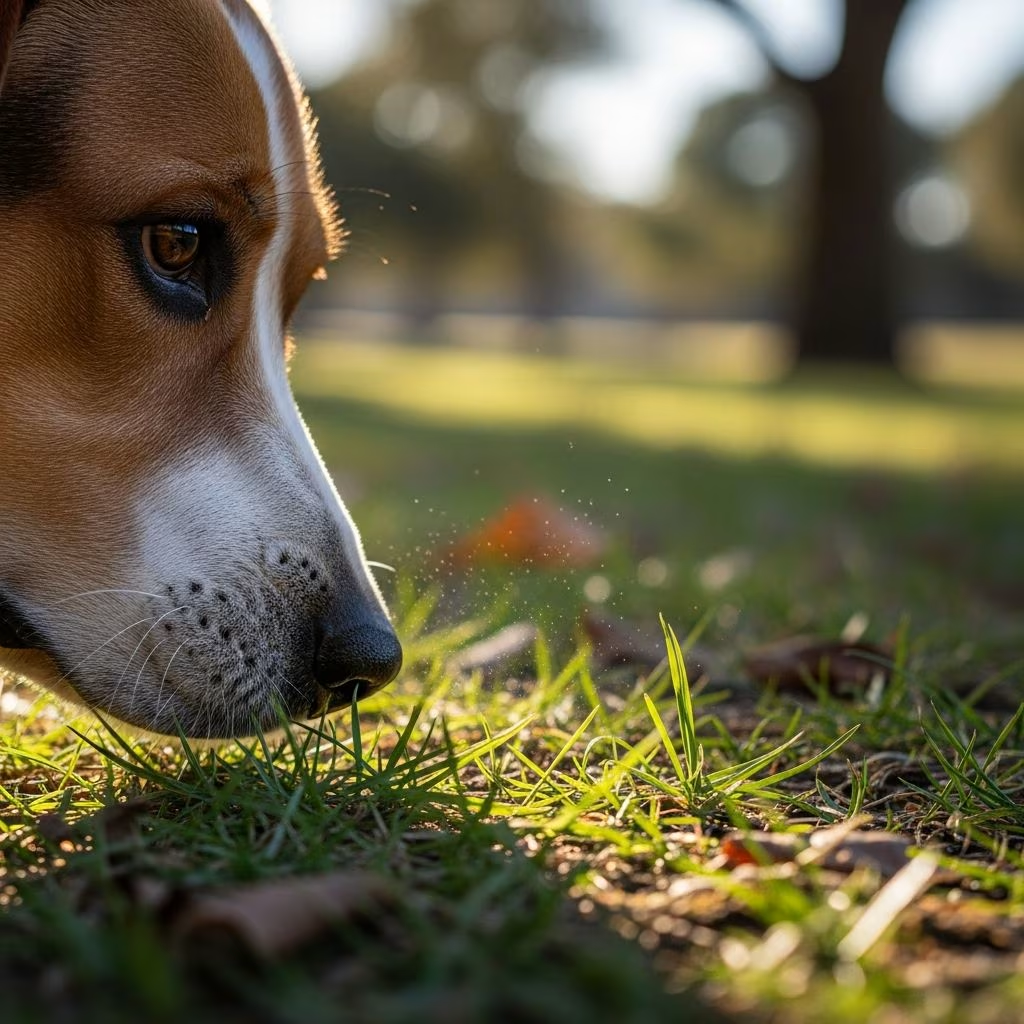
What Is Snurfling in Dogs and Why Do They Do It
If you’ve ever heard your dog make an odd combination of sniffling and snorting sounds while eagerly investigating something—whether it’s their food bowl, a treat, or an interesting spot on the carpet—you’ve likely witnessed what pet experts call “snurfling.” This endearingly bizarre behavior is a mixture of “sniffling” and “snarfing,” creating a distinctive sound that many dog owners find both amusing and adorable. While snurfling isn’t usually cause for concern, understanding what triggers this behavior and what it means for your dog’s health is important for every pet parent.
What Exactly Is Snurfling
Although “snurfling” isn’t an official veterinary term, it perfectly describes a specific canine behavior that combines rapid sniffing with snorting or snarfing sounds. The term itself is a playful blend of “sniffling” and “snarfing,” capturing the essence of what dogs do when they’re intensely processing scents and simultaneously inhaling and exhaling through their noses.
According to veterinarian Matthew Murdoch, founder of Ferndale Kennels, snurfling behavior is most commonly observed “during sniff-heavy activities like mealtime.” You might also notice your dog snurfling while licking their own leg or as they investigate something particularly fascinating on the rug. The sound itself varies from dog to dog, but it’s generally recognizable as a rhythmic snorting or snuffling noise that indicates your pup is actively working their nose.
Why Do Dogs Snurfle
As with most canine behaviors, the reasons dogs snurfle depend on the specific situation and what’s capturing their attention. Different contexts can trigger varying “levels” of snurfling intensity.
Scent Investigation and Communication
Certified professional dog trainer Courtney Bayer explains that snurfling often occurs when dogs are conducting thorough scent investigations. She notes that dogs may need to perform “a thorough sniffspection” of their owners when they come home, especially if they smell like other dogs. This investigation produces “a lot of chuffing, snorting and long loud sniffs in and out as the dog clears odor from the nasal passage in order to take in new scents.”
Dr. Jerry Klein, a veterinarian at Corey’s Canine Corner, confirms that snurfling can serve as a form of dog communication. In some cases, Klein notes, it can signal an allergic reaction—one of many reasons it’s crucial for pet parents to understand what their dog’s “normal” behavior looks like.
Processing New Smells
When Bayer drops treats on the ground, she observes that “the snuffling escalates to snurfling as they are processing smells, sniffing out the treats and gobbling them up at the same time.” This behavior demonstrates how dogs combine their powerful sense of smell with immediate action.
Murdoch notes that a dog’s sense of smell is at least 10,000 times more sensitive than a human’s. When a dog snurfles, they’re essentially “overdosing” on a new scent, rapidly inhaling and exhaling “to get a better smell and feel for the object.” This intense sensory engagement is completely normal and even endearing to witness.
Excitement and Enthusiasm
Snurfling frequently occurs during moments of excitement, particularly during mealtimes or when dogs encounter high-value treats. The combination of anticipation, rapid breathing, and nasal processing creates the characteristic snurfling sound that many owners find both amusing and heartwarming.
Why Certain Dog Breeds Snurfle More Than Others
Not all dogs snurfle equally. Anatomical differences between breeds significantly influence how prone a dog is to producing this sound.
Flat-Faced Breeds
Anatomically speaking, some dogs are more likely to produce snurfling sounds because of their nasal structure. Flat-faced dogs, such as Pugs and French Bulldogs (Frenchies), are notably more prone to snurfling than others. Murdoch explains that flat-faced dogs tend to have:
- A longer soft palate
- Smaller nostrils
- More soft tissue in their skulls
Because of these anatomical features, Murdoch observes, “just like sucking in and out of a straw is much harder than sucking or blowing in and out of a snorkel, it’s harder for them to breathe with their noses.” As a result, flat-faced dogs tend to sniffle and snurfle more often and more audibly than other breeds.
Large Breeds
While flat-faced breeds are often cited as the most prone to snurfling, Bayer has also noticed this behavior in “big, drooly Labs and Great Danes.” When licking and sniffing are combined into one activity, dogs produce more saliva, engage in heavier breathing while sniffing simultaneously, and the combination can create quite a commotion. As Bayer colorfully puts it, “Add the excitement of meal time or a special lick-y treat, and sometimes, it can sound like a passel of hogs is in your kitchen, rather than one dog.”
When Snurfling Might Be a Red Flag
While snurfling is typically harmless and even adorable, there are instances when this behavior warrants veterinary attention. Knowing how your dog normally looks and acts is essential for identifying when something might be wrong.
Sudden Changes in Behavior
If your dog never used to snurfle and has suddenly started doing so, or if they’re snurfling more than they normally do, Dr. Klein warns that they might be dealing with serious health issues such as:
- Allergies
- Growths or tumors
- A collapsing trachea
- Foreign objects they may have ingested
In any of these cases, consulting with your veterinarian as soon as possible is crucial.
Associated Behavioral Changes
Snurfling can also appear alongside other concerning symptoms. Bayer shares an example: “We discovered that one dog client of mine needed knee surgery when she suddenly started snurfling her face into our legs and the couch after a walk, rolling in the grass excessively, and the hair pattern on her bad leg changed.”
This case illustrates an important principle: “Your dog talks with their body,” Bayer says, “and it’s our job to listen.” Sometimes snurfling is just one piece of a larger puzzle indicating an underlying health concern.
Understanding Your Dog’s Unique Snurfling Patterns
Every dog has their own distinctive snurfling signature. Some dogs snurfle quietly, while others produce loud, enthusiastic snorts that sound almost comical. The intensity and frequency of snurfling can vary based on:
- The dog’s breed and facial structure
- The dog’s age and overall health
- The specific situation or trigger
- The dog’s individual personality and enthusiasm level
- Environmental factors like weather and temperature
Recognizing your dog’s normal snurfling behavior makes it much easier to spot when something has changed. This awareness can be the difference between catching a health issue early and missing important warning signs.
The Importance of Knowing Your Dog’s Normal Behavior
Pet parents should establish a baseline understanding of their dog’s typical behaviors, including how often and when they snurfle. This knowledge becomes invaluable when assessing whether a change in behavior indicates a need for veterinary care.
Rather than viewing snurfling as merely a quirky sound, consider it part of your dog’s communication toolkit. Dogs use various vocalizations and behaviors to convey information about their emotional state, physical condition, and needs. Snurfling is one piece of this complex communication system.
Frequently Asked Questions About Dog Snurfling
Q: Is snurfling harmful to my dog?
A: No, snurfling is typically harmless and a normal dog behavior. However, if it’s a new behavior or your dog is snurfling excessively, consult your veterinarian to rule out allergies, health issues, or other concerns.
Q: Why does my dog snurfle more during meals?
A: Dogs snurfle most during sniff-heavy activities like mealtime because they’re processing multiple scents and sensations simultaneously. The combination of excitement, anticipation, and rapid scent processing creates the characteristic snurfling sound.
Q: Do all dog breeds snurfle equally?
A: No, flat-faced breeds like Pugs and French Bulldogs snurfle more than other breeds due to their anatomical features, including smaller nostrils and longer soft palates. However, any dog can snurfle in the right situation.
Q: What should I do if my dog suddenly starts snurfling?
A: If your dog never snurfled before and suddenly starts, or if the behavior increases significantly, schedule a veterinary appointment to rule out allergies, respiratory issues, or other health concerns.
Q: Is snurfling a sign of allergies?
A: While snurfling itself isn’t always a sign of allergies, it can be one indicator. If combined with other symptoms like excessive sneezing, itching, or discharge, consult your vet about possible allergic reactions.
Q: Can I encourage or discourage my dog’s snurfling?
A: Snurfling is a natural behavior that doesn’t need to be discouraged unless it’s associated with a health concern. If it indicates a problem, addressing the underlying issue through veterinary care is the appropriate response.
Final Thoughts on Snurfling
Snurfling is one of those delightfully peculiar dog behaviors that endears us to our canine companions. Whether your dog produces a subtle snuffle or sounds like a herd of pigs at dinnertime, understanding this behavior helps you better appreciate your dog’s unique personality and communication style. By remaining attentive to changes in your dog’s snurfling habits and maintaining open communication with your veterinarian, you ensure that your pup stays healthy and happy. After all, as dog trainers and veterinarians remind us, our dogs are constantly communicating with us—and part of listening means understanding the meaning behind every snort, snuffle, and snurfle.
References
- What Is “Snurfling,” and Why Do Dogs Do It? — Kinship. January 2026. https://www.kinship.com/dog-behavior/what-is-snurfling-dogs
- Why Sniffing Is Essential for Your Dog’s Health & Behavior — Oakland Dog Trainer. https://www.oaklanddogtrainer.com/post/why-dogs-need-to-sniff-benefits-of-sniffing
- The Power of the Nose — Mud Bay. https://blog.mudbay.com/blog/the-power-of-the-nose/
- Snuffle Mat for Dogs: Benefits, Uses & Recommendations — Rover.com. https://www.rover.com/blog/do-dog-snuffle-mats-work/
- Sniff for Calm and So Much More — Pet Professional Guild. https://www.petprofessionalguild.com/barks/barks-magazine-blog/sniff-for-calm-and-so-much-more/
- Dog Sniffing Benefits: Why ‘Scent Walks’ Are So Important — PetMD. https://www.petmd.com/dog/behavior/importance-scent-walks-dogs



