

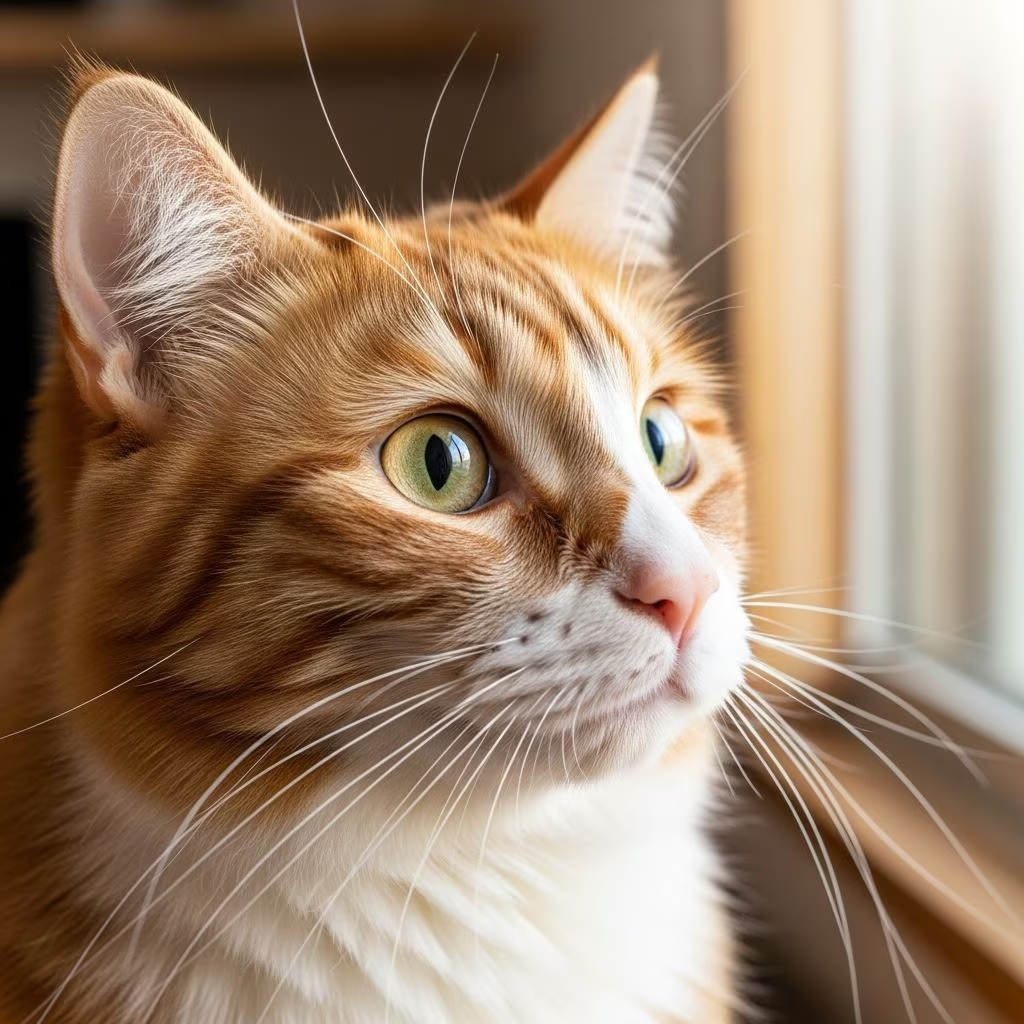
Smurgling is a charming and endearing cat behaviour where felines rhythmically knead soft surfaces like blankets, clothing, or even their owners’ laps while suckling or drooling on them. This action mimics the comforting motions kittens make when nursing from their mother, blending kneading to stimulate milk flow with gentle sucking sounds and motions. Often accompanied by purring, half-closed eyes, and a blissful expression, smurgling reveals deep contentment and a lasting bond with their human companions.
Why Do Cats Smurgle?
Cats smurgle primarily due to ingrained instincts from kittenhood. During nursing, kittens knead their mother’s abdomen to encourage milk let-down, a behaviour that imprints as a lifelong comfort mechanism. In adulthood, smurgling recreates this security, triggered by familiar scents, soft textures, or stress relief.
- Comfort and Security: The rhythmic paw motion and suckling release endorphins, soothing anxiety much like a human thumb-sucking.
- Affection Display: Directed at owners, it signifies profound trust and love, marking territory via scent glands in paws.
- Stress Relief: Environmental changes or separation anxiety prompt smurgling as self-soothing.
- Sensory Pleasure: Wool or fleece textures closely resemble mother’s fur, enhancing the experience.
How to Recognise Smurgling Behaviour
Spot smurgling by observing a cat’s paws alternating in a pushing motion against fabric, often with mouth movements resembling nursing – lips pursed, tongue flicking, and audible sucking or ‘smurgling’ sounds. Drool may appear, and the cat’s eyes typically glaze over in relaxation, paired with loud purring. Unlike aggressive scratching, paws remain retracted, and the behaviour is gentle and repetitive.
| Smurgling Signs | Other Kneading Differences |
|---|---|
| Rhythmic paw pushing + suckling/drooling | Pure kneading lacks mouth action |
| Blissful expression, purring | May occur without vocalisation |
| On soft fabrics/owners | Any surface, including furniture |
Breeds Prone to Smurgling
Certain breeds exhibit smurgling more frequently due to genetics, early weaning, or temperament. Siamese and Oriental breeds top the list for their vocal, clingy nature and retained kitten-like behaviours.
- Siamese: Highly prone; vocalise during smurgling, seeking constant attention.
- Oriental Shorthair: Similar to Siamese, with intense bonding drives.
- Tonksinese: Hybrid vigour amplifies affectionate quirks.
- Burmese: Social and playful, often smurgle on laps.
- Ragdolls: Relaxed demeanour leads to extended sessions.
- Sphynx: Crave warmth, smurgling on clothing for comfort.
Any cat weaned prematurely may develop this habit, regardless of breed.
Is Smurgling Normal or a Concern?
Smurgling is overwhelmingly normal and healthy, indicating emotional well-being. However, excessive sessions might signal unmet needs like boredom or nutritional gaps. Monitor for skin irritation from drool or fabric ingestion risks.
- Normal Indicators: Occasional, during relaxation; no distress signs.
- Potential Issues: Compulsive, leading to bald patches or weight loss – consult a vet.
Veterinary sources confirm it’s rarely problematic unless paired with aggression or lethargy.
How to Encourage or Discourage Smurgling
Encouraging Safe Smurgling
Provide alternatives to protect furniture: fleece blankets, catnip toys, or dedicated kneading mats. Gentle petting reinforces bonding without overstimulation.
- Use washable throws on laps.
- Offer woolly mouse toys.
- Combine with playtime for enrichment.
Discouraging if Excessive
Redirect gently: Distract with toys during onset, or use frozen treats for oral fixation. Never punish, as it erodes trust. Environmental enrichment – scratching posts, perches – reduces stress-induced smurgling.
Related Cat Behaviours: Understanding the Bigger Picture
Smurgling ties into broader feline communication. Compare with:
- Kneading Alone: Pure paw rhythm for stretching/marking, sans suckling.
- Head Bunting: Scent-marking affection via facial glands.
- Purring: Contentment or self-healing vibration.
- Chattering: Excitement at prey, unrelated to comfort.
Holistic understanding prevents misinterpretation; ears forward and relaxed tail during smurgling confirm positivity.
Frequently Asked Questions (FAQs)
Q: Is smurgling the same as kneading?
A: No, smurgling specifically includes suckling or drooling alongside kneading, evoking nursing memories, while kneading is just the paw motion.
Q: Why does my adult cat smurgle on me?
A: It views you as a safe ‘parent’ figure, mixing affection, territorial marking, and comfort-seeking.
Q: Can smurgling indicate health problems?
A: Rarely; excess might link to stress or nutrition, but consult a vet if sudden or obsessive.
Q: How can I stop my cat smurgling on furniture?
A: Provide soft alternatives like blankets; redirect with toys and increase play.
Q: Do all cats smurgle?
A: No, common in breeds like Siamese or early-weaned cats, but many prefer simple kneading.
Q: Is it okay to let my cat smurgle on my clothes?
A: Yes, if enjoyable; use protective layers to manage drool.
Expert Insights on Feline Comfort Behaviours
Behaviourists note smurgling persists because it activates pleasure centres, akin to human comfort habits. Studies on feline ethology highlight its role in human-cat bonds, enhancing mutual well-being. Owners report stronger attachments with smurgling cats, underscoring its value.
To optimise your cat’s environment, ensure 15-20 minutes daily interactive play, vertical spaces, and pheromone diffusers for stress. Nutrition matters: High-protein diets curb wool-sucking compulsions.
In multi-cat homes, smurgling may increase during hierarchy shifts; observe dynamics closely. For seniors, it could comfort cognitive decline, warranting vet checks.
Ultimately, embrace smurgling as a window into your cat’s soul – a testament to trust earned through consistent care.
References
- Decoding Common Cat Behavior — MedVet. 2023-05-15. https://www.medvet.com/cat-behaviors/
- Understanding Cat Behavior and Feline Language — Humane World. 2024-02-10. https://www.humaneworld.org/en/resources/understanding-cat-behavior-and
- Cat Behaviour Insights — ASPCA (via referenced ethology). 2023-11-01. https://www.aspca.org/pet-care/cat-care/cat-behavior
- Real Meanings Behind Strange Cat Behaviors — Veterinary Insights (YouTube transcript). 2024-07-20. https://www.youtube.com/watch?v=S5JqSlAsldQ
- Feline Kneading and Suckling Study — Journal of Veterinary Behavior. 2022-03-01. https://doi.org/10.1016/j.jveb.2022.01.005



