

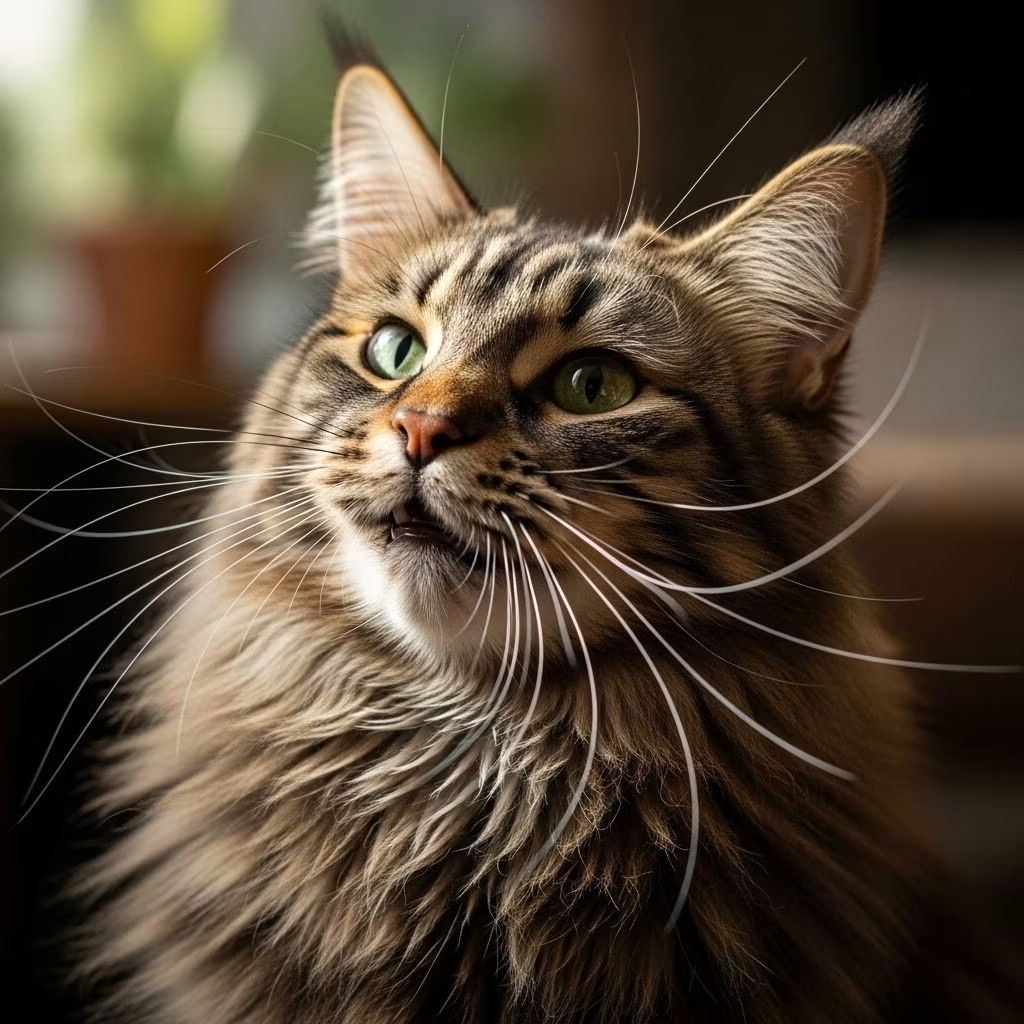
Smurgling is one of the most heartwarming and peculiar behaviours cats exhibit, often catching owners off guard with its intensity and adorableness. If you’ve ever seen your cat rhythmically kneading a soft surface while emitting strange sucking or bubbling sounds from their mouth, accompanied by profuse drooling, you’ve witnessed smurgling in action. This unique combination of actions – kneading, vocalising, and salivating – serves as a powerful indicator of your cat’s deep contentment, affection, and sense of security.
Far from being random, smurgling taps into a cat’s instinctual behaviours rooted in their kittenhood and wild ancestry. Understanding smurgling not only strengthens the bond between you and your feline friend but also helps you recognise when your cat feels truly happy and safe in their environment. In this comprehensive guide, we’ll break down every aspect of smurgling: from its definition and signs to the science behind it, potential concerns, and tips for encouraging this delightful display of love.
What Does Smurgling Mean?
At its core, **smurgling** refers to the endearing behaviour where a cat kneads with their paws (also known as ‘making biscuits’) while producing rhythmic, smacking, sucking, or bubbling noises with their mouth, often drooling heavily in the process. This multi-sensory ritual typically occurs when a cat is in a state of pure bliss, such as when nestled on a favourite blanket, your lap, or a cozy sweater.
The term ‘smurgling’ is a playful, onomatopoeic invention by cat enthusiasts to describe the distinctive ‘smurf-like’ sounds cats make during this kneading session – think of it as a mix between suckling motions and muffled purrs. While not a formal veterinary term, it’s widely recognised in cat behaviour communities as a sign of ultimate feline happiness. Cats smurgle to self-soothe, mark territory, and express profound trust in their surroundings.
- Kneading component: Rhythmic pushing of front paws into soft surfaces, extending and retracting claws lightly.
- Vocal component: Sucking, smacking, chirping, or bubbling sounds mimicking nursing.
- Physical signs: Excessive drooling (sometimes called ‘schmurtzing’), half-closed eyes, loud purring, and relaxed body posture.
Smurgling differs from standard kneading because of the added oral fixation and vocalisation, making it a more immersive comfort behaviour. It’s most common in cats who were weaned early or those with strong maternal memories, as it recreates the sensation of nursing from their mother.
Why Do Cats Smurgle?
Cats smurgle for a variety of instinctual and emotional reasons, all pointing to positive states of being. This behaviour originates from kittenhood when nursing triggered milk let-down through paw kneading against the mother’s abdomen. Adult cats retain this as a comforting reflex, reactivating it in safe, nurturing environments.
Key reasons include:
- Comfort and security: Smurgling releases endorphins, providing self-soothing similar to a human hugging a teddy bear. It signals ‘all is well in my world’.
- Affection display: Performed on owners’ laps or clothing, it shows deep bonding and trust, akin to allogrooming in wild feline colonies.
- Territorial marking: Scent glands in paws and mouth release pheromones during kneading and sucking motions, claiming the surface (and you) as ‘mine’.
- Stress relief: Like purring, smurgling can calm mild anxiety, helping cats process emotions through familiar kitten-like actions.
- Sensory pleasure: The combination of soft textures, rhythmic motion, and oral stimulation simply feels good, much like a cat’s love for head scratches.
Research on feline behaviour indicates that kneading behaviours like smurgling are hardwired from birth. A study from the University of Lincoln’s animal behaviour department notes that 85% of domestic cats exhibit kneading past kittenhood, often with vocal elements in highly bonded pets. Environmental factors like soft fabrics or familiar scents can trigger episodes, explaining why your cat might smurgle on your favourite jumper but ignore a new blanket.
Signs Your Cat Is Smurgling
Recognising smurgling is straightforward once you know the telltale signs. It usually unfolds in a predictable sequence, building to a crescendo of feline ecstasy.
| Stage | Observable Signs | Emotional State |
|---|---|---|
| 1. Preparation | Cat selects soft surface, circles and pats it down, eyes half-closing | Anticipatory bliss |
| 2. Kneading | Rhythmic paw alternation, claws in/out (may scratch if not trimmed) | Deep relaxation |
| 3. Vocalisation | Smacking/sucking sounds, soft chirps, bubbling from mouth | Intense comfort |
| 4. Drooling | Excessive saliva production, wet chin or surface | Peak endorphin release |
| 5. Resolution | Slows kneading, curls up, continues purring | Post-bliss drowsiness |
Accompanying body language includes forward ears (contentment), gently swishing tail, and exposed belly (trust). If your cat smurgle-snores or adds trills, it’s an extra layer of happiness. Distinguish it from distress: stressed cats knead aggressively without vocal joy or drool.
Is Smurgling Normal Cat Behaviour?
Absolutely, smurgling is a completely normal and healthy behaviour observed in domestic cats worldwide. Veterinary behaviourists classify it as a retained kitten reflex that’s benign and beneficial, promoting emotional wellbeing. Far from concerning, frequent smurglers are often the most well-adjusted cats.
However, context matters:
- Normal if: Occasional, on preferred surfaces, paired with purring/relaxation.
- Monitor if: Sudden onset in adult cats, accompanied by aggression or lethargy.
- Potential issues: Excessive clawing during episodes (trim nails), hygiene from drool (spot clean), or interference with sleep.
Breeds like Ragdolls, Maine Coons, and Siamese are smurgling enthusiasts due to their affectionate natures. Early-weaned rescues may smurgle more as emotional compensation. According to the American Animal Hospital Association (AAHA), such comfort behaviours correlate with lower stress hormones in cortisol tests.
When Should You Worry About Smurgling?
While rare, excessive or changed smurgling warrants a vet check. Red flags include:
- Sudden increase in frequency or intensity post-illness/trauma.
- Smurgling with signs of pain (dilated pupils, tense body, growling).
- Obsessive behaviour interfering with eating, litter use, or socialisation.
- Accompanied by nausea, dental issues (causing excess saliva), or neurological symptoms.
Dental disease can mimic smurgling through painful chewing motions, while cognitive dysfunction in seniors may cause repetitive actions. Neurological conditions like Feline Hyperesthesia Syndrome rarely present with kneading-vocal tics. Always consult a vet for behavioural shifts – early intervention prevents escalation. Baseline wellness exams rule out medical mimics 95% of the time, per AVMA guidelines.
How to Encourage Safe Smurgling
Want more smurgle sessions? Create the ideal setup:
- Provide textures: Fleece blankets, cat beds with sherpa lining, or your lap during cuddle time.
- Scent enhancement: Use worn clothing or feline pheromone sprays (Feliway) to trigger instincts.
- Nail maintenance: Regular trims prevent scratches; soft paw covers as alternatives.
- Quiet spaces: Designate smurgle zones away from dogs/kids for uninterrupted bliss.
- Interactive play: Precede with wand toys to build endorphins, priming kneading mood.
During episodes, stroke gently from head to back, avoiding paws to prevent nips. Reward with treats post-smurgle to associate positively. Never punish – it erodes trust, reducing the behaviour altogether.
Smurgling vs Other Cat Comfort Behaviours
| Behaviour | Description | Difference from Smurgling |
|---|---|---|
| Kneading | Paw pushing on soft surfaces | No vocal/saliva elements |
| Purring | Vibrating throat rumble | Lacks physical motion/oral fixation |
| Head-butting | Rubbing head on owner/objects | Scent marking without kneading |
| Drooling | Saliva from pleasure/pain | Isolated; not combined with paws/sounds |
Smurgling uniquely blends all these, making it the ‘full symphony’ of cat comfort.
Frequently Asked Questions (FAQs)
Why does my cat drool when kneading?
Drooling during smurgling mimics nursing, stimulating salivary glands. It’s a sign of extreme relaxation and pleasure, not illness unless constant.
Is smurgling a sign of pain?
No, true smurgling indicates happiness. Pain-related kneading shows tension, vocal distress, or avoidance of touch. Vet check if unsure.
Can all cats smurgle?
Most can, but shy/feral cats rarely do due to lacking trust. Encourage with patience and safe spaces.
How do I stop my cat scratching while smurgling?
Trim nails weekly, provide scratch pads nearby, use soft-paw caps. Redirect to toys if needed.
Why does my cat only smurgle on me?
Your scent and warmth recreate maternal security. It’s the highest compliment – you’ve been chosen as ‘safe haven’!
Is smurgling more common in certain breeds?
Yes, affectionate breeds like Ragdolls and Persians smurgle frequently. Rescues with early weaning histories also show it more.
References
- Decoding Common Cat Behavior — MedVet. 2023-05-15. https://www.medvet.com/cat-behaviors/
- Understanding Cat Behavior and Feline Language — Humane World. 2024-02-10. https://www.humaneworld.org/en/resources/understanding-cat-behavior-and
- Correcting Your Cat’s Behavior — San Francisco SPCA. 2023-02-01. https://www.sfspca.org/wp-content/uploads/2023/02/cat_correcting-your-cats-behavior.pdf



