

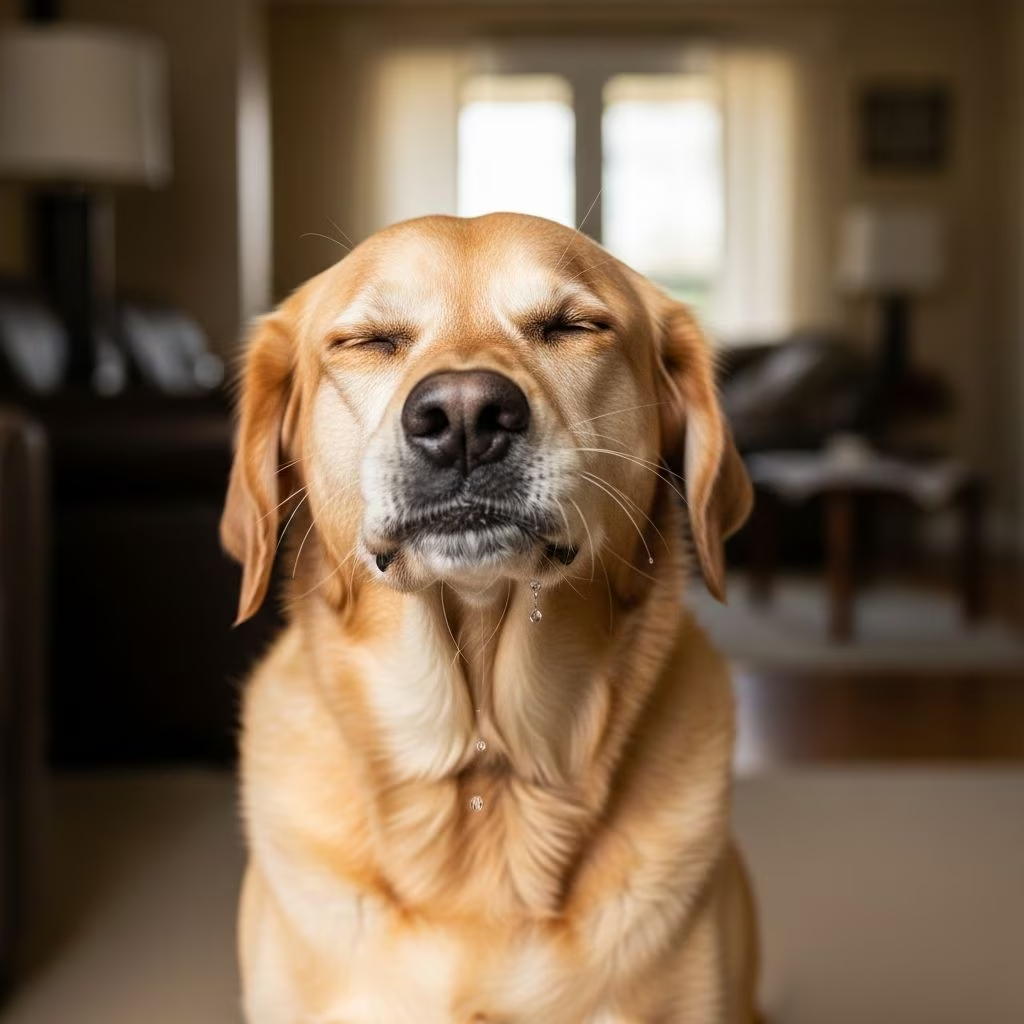
Reverse sneezing, also known as paroxysmal respiration, is a common but often alarming respiratory reflex in dogs. Unlike normal sneezing, which forcefully expels air out through the nose to clear irritants, reverse sneezing involves rapid, forceful inhalation through the nose, producing loud snorting, honking, or gagging sounds. This spasm typically lasts 10-60 seconds and can make dogs appear distressed, with their head extended, elbows tucked, and eyes wide.
Pet owners frequently mistake it for choking, a seizure, or a life-threatening emergency, rushing to intervene. Fortunately, reverse sneezing is usually benign and self-resolving, affecting dogs of all ages, breeds, and sizes, though small breeds and brachycephalic (short-nosed) dogs like Pugs, Bulldogs, Boston Terriers, and Shih Tzus experience it more often due to their anatomy. Episodes may occur sporadically or cluster during allergy seasons, after excitement, or exposure to irritants.
What Causes Reverse Sneezing?
The precise mechanism involves irritation of the nasopharynx (area behind the nose and throat), triggering a spasm of the soft palate and throat muscles that briefly closes the airway, forcing air in rapidly to clear the irritant. Common triggers include:
- Environmental irritants: Dust, pollen, smoke, perfume, household cleaners, air fresheners, or strong odors inflame nasal passages.
- Allergies: Seasonal or food-related allergies cause chronic inflammation, leading to frequent episodes.
- Foreign objects: Grass seeds, debris, or small particles lodged in nasal passages.
- Excitement or exercise: Overexcitement, pulling on a collar/leash, or post-meal drinking/eating irritates the throat.
- Infections or post-nasal drip: Respiratory infections, kennel cough, or sinus drainage.
- Parasites: Nasal mites (Pneumonyssoides caninum), rare but treatable.
- Anatomical issues: Elongated soft palate, narrow nasal passages in long-nosed breeds (e.g., Dachshunds), or brachycephalic airway syndrome.
Brachycephalic breeds face higher risk due to compressed airways, while any dog with sensitive airways can be affected. Episodes often worsen in dry environments or during high-pollen periods.
How to Stop Reverse Sneezing Safely
Most episodes end naturally within a minute, but gentle interventions can shorten them by encouraging swallowing or relaxing the spasm. Stay calm—your anxiety can heighten your dog’s distress. Proven techniques include:
- Gently massage the throat: Use light circular motions on the neck to soothe irritation and promote swallowing.
- Cover the nostrils briefly: Place fingers over both nostrils for 5-10 seconds to force mouth breathing and swallowing, clearing the irritant.
- Blow softly on the face: A gentle puff prompts swallowing without startling the dog.
- Offer water or food: Licking peanut butter, wet food, or drinking stimulates swallowing to reset the reflex.
- Depress the tongue gently: If safe, lightly press down on the tongue to open airways (use caution to avoid bites).
Important: Never force the mouth open, slap the sides, or use harsh methods—these can cause injury or panic. If episodes persist beyond 1-2 minutes or recur immediately, seek vet help.
Is Reverse Sneezing Harmful or Dangerous?
Reverse sneezing poses no direct health risk and does not cause oxygen deprivation, even during intense episodes. Dogs recover fully without complications in 99% of cases. Rare risks include:
- Prolonged spasms in severe anatomical cases, potentially leading to exhaustion.
- Underlying conditions mimicking reverse sneezing, like collapsing trachea or laryngeal paralysis.
Monitor frequency: Occasional (1-2 times/week) is normal; daily or multiple daily episodes warrant investigation.
When to See a Vet for Reverse Sneezing
Consult a veterinarian if episodes are:
- Frequent: More than once daily or worsening over days.
- Accompanied by symptoms: Nasal discharge (bloody, pus-like, or one-sided), coughing, gagging, lethargy, appetite loss, blue gums, or breathing distress.
- Triggered consistently: By meals, exercise, or specific environments suggesting allergies/infection.
- In puppies/seniors: Higher vulnerability to complications.
Vets diagnose via history, exam, and may use X-rays, endoscopy, allergy tests, or bloodwork to rule out infections, tumors, foreign bodies, or mites.
Treatment for Reverse Sneezing in Dogs
Benign cases need no treatment beyond trigger avoidance. For underlying causes:
| Cause | Treatment |
|---|---|
| Allergies | Antihistamines (e.g., cetirizine), steroids (e.g., prednisone short-term), hypoallergenic diet, environmental control. |
| Infections | Antibiotics, anti-inflammatories. |
| Nasal mites | Ivermectin or milbemycin oxime. |
| Foreign bodies | Sedated removal, flushing. |
| Anatomical (severe) | Surgery (e.g., soft palate resection for brachycephalics). |
Prevent by using harnesses (not collars), air purifiers, hypoallergenic bedding, and vet-recommended allergy meds.
How to Prevent Reverse Sneezing Episodes
- Minimize irritants: Vacuum regularly, use pet-safe cleaners, avoid smoke/perfumes.
- Manage allergies: Annual vet allergy testing, omega-3 supplements.
- Exercise calmly: Prevent overexcitement; use harnesses.
- Humidify air: Especially in dry climates.
- Regular checkups: For at-risk breeds.
FAQs
Is reverse sneezing the same as a regular sneeze?
No. Regular sneezing expels air outward; reverse sneezing inhales forcefully inward to clear throat irritants.
Should I be worried if my dog reverse sneezes often?
Occasional episodes are fine; frequent ones need vet evaluation for allergies or infections.
Can reverse sneezing hurt my dog?
Rarely; it’s harmless unless chronic or signaling another issue.
Why do small dogs reverse sneeze more?
Shorter airways and sensitive anatomy make spasms easier.
How long does a reverse sneezing episode last?
Usually 10-60 seconds; over 2 minutes requires vet attention.
References
- Reverse Sneezing in Dogs: Causes, Treatment and When to Call the Vet — Clarion Animal Hospital. 2023-06-15. https://clarionanimalhospital.com/blog/reverse-sneezing-in-dogs/
- Reverse Sneezing in Dogs: Causes and What to Do — PetMD. 2024-02-12. https://www.petmd.com/dog/general-health/reverse-sneezing-in-dogs
- Reverse Sneeze in Dogs – Paroxysmal Respiration — Pets Doctors of America. 2022-06-14. https://www.petdoctorsofamerica.com/site/blog/2022/06/14/reverse-sneeze
- Reverse Sneeze in Dogs — VCA Animal Hospitals. 2023-11-08. https://vcahospitals.com/know-your-pet/reverse-sneeze-in-dogs
- Reverse Sneezing in Dogs: What it is and Signs to Watch For — VO Vets. 2024-01-20. https://vovets.com/blog/reverse-dog-sneezing/
- Reverse Sneezing (Pharyngeal Gag Reflex) — Acadian Animal Hospital. 2023-05-01. https://www.acadiananimalhospital.com/storage/app/media/Reverse_Sneezing.pdf



