

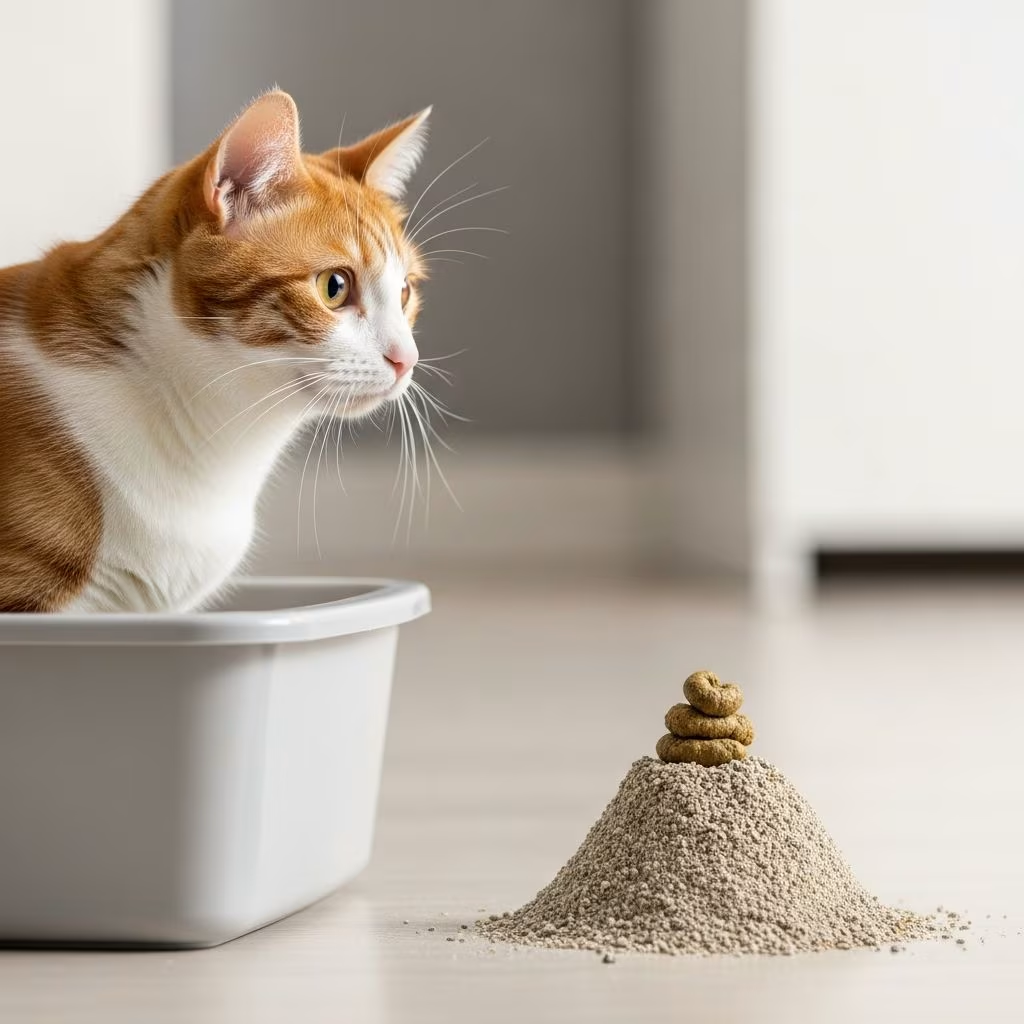
Middening refers to a cat’s deliberate act of defecating in prominent, visible locations outside the litter box, typically without covering the faeces, as a form of territorial marking or stress communication. This behaviour, more common in wild felids than domestic cats, serves as an olfactory and visual signal to other cats asserting dominance or repelling intruders. Unlike accidental house soiling, middening is intentional and often occurs in high-traffic areas like hallways, doorways, or near windows, making it unmistakable.
While rare in indoor household cats, middening can distress owners and signal underlying issues such as perceived threats from neighbourhood cats, household changes, or social tensions. Understanding its triggers is crucial for effective resolution, starting with a veterinary check to exclude medical causes.
Why Do Cats Midden?
Cats midden primarily due to behavioural triggers rooted in stress, territorial defence, or anxiety, though medical conditions must be ruled out first. This form of non-spray marking communicates presence and boundaries, similar to urine spraying but using faeces for a stronger, longer-lasting scent.
Medical Reasons
Health issues can mimic middening but typically result in unintentional elimination rather than deliberate placement. Conditions like feline idiopathic cystitis cause painful urination or defecation, leading cats to avoid the litter box. Constipation, diarrhoea, or osteoarthritis hinder access or comfort during elimination. Senior cats with cognitive dysfunction syndrome (feline dementia) may forget litter box locations, resulting in floor accidents.
- Feline idiopathic cystitis: Bladder inflammation causing discomfort, often stress-related.
- Gastrointestinal issues: Constipation or diarrhoea altering stool consistency and box preference.
- Mobility problems: Arthritis making high-sided boxes inaccessible.
- Cognitive decline: Forgetting trained habits in older cats.
Always consult a vet for diagnostics like urinalysis or bloodwork to confirm no underlying pathology, as untreated issues exacerbate behaviour.
Territorial Stress
The most common trigger, territorial stress prompts middening when a cat perceives threats to its core territory. This includes sightings of free-roaming neighbourhood cats through windows, near catios, or patrolling the property. Even subtle cues like a second-hand item’s scent can provoke a response.
Dogs, babies, or new pets introduce unfamiliar smells and dynamics, compelling the cat to declare ‘This is mine’ via visible faeces deposits. In feral contexts, middening repels competitors; domestic cats retain this instinct despite rarity.
Inter-Cat Tension
Multi-cat homes breed competition for resources like food, litter boxes, or resting spots. A dominant cat may midden in prominent areas to assert control, while anxious ones mix scents on human items for reassurance (associative marking). Insecure cats might deposit near litter boxes to counter housemate odours.
- Resource scarcity leading to perceived competition.
- Dominance displays in hallways or elevated spots like beds.
- Social hierarchies disrupting harmony.
Anxiety and Change
Cats detest disruptions; moving, new roommates, schedule changes, or renovations heighten insecurity about resource access. Separation anxiety manifests as pooing by doors or on owner-scented laundry to self-soothe and maintain connection. Overcrowded homes or unfamiliar prowlers amplify this.
Location, Location, Location
Midden sites provide diagnostic clues about threats. Open, high-traffic spots like patios, cat flaps, hallways, or bedroom doors maximise visibility for rivals.
| Location | Possible Trigger |
|---|---|
| By windows or conservatory | Neighbourhood cats staring or patrolling |
| Near catio fence or outdoors doors | Intruders approaching perimeter |
| Hallways or high-traffic paths | Inter-cat household tension |
| On beds, sofas, or owner items | Anxiety or associative marking |
| Near litter boxes/food bowls | Territorial claim against housemates |
Strategic placement away from nesting areas underscores territorial intent over mere elimination.
How to Stop Middening
Addressing middening requires a multi-step approach: veterinary clearance, environmental management, and behaviour modification. Punishment worsens stress, so focus on root causes.
- Vet Visit: Rule out medical issues with full exam.
- Litter Optimisation: Provide low-dust, unscented litter 2-3 inches deep in spacious, low-sided boxes—one per cat plus one extra. Scoop daily, fully clean weekly.
- Secure Territory: Block visual access to intruders via window films, close blinds, or deter neighbourhood cats with motion sprinklers.
- Reduce Tension: In multi-cat homes, ensure separate resources; use Feliway diffusers for pheromones.
- Enrich Environment: Add vertical spaces, scratching posts, and interactive play to alleviate anxiety.
- Consult Experts: Certified behaviourists for persistent cases.
Track incidents in a journal noting location, time, and context to identify patterns.
The Bottom Line: What Is Middening?
Middening is deliberate, statement-making defecation in obvious spots for scent-marking, akin to spraying but rarer in domestics. Primarily behavioural from territorial stress, always vet-check first. Early intervention prevents chronicity, restoring harmony.
Frequently Asked Questions (FAQs)
Is middening common in house cats?
No, it’s rare; most house soiling stems from medical, litter aversion, or stress issues, not true middening.
Why won’t my cat cover its poo during middening?
Intentional non-covering ensures visibility and scent dispersal for maximum territorial impact.
Can punishment stop middening?
No, it heightens anxiety, worsening behaviour. Positive reinforcement and cause removal are key.
Does spaying/neutering prevent middening?
It reduces marking in many cases but doesn’t eliminate stress-induced episodes.
How long to see improvement after changes?
Weeks with consistent management; persistent cases need professional help.
References
- What is Middening? Why Your Cat’s Pooing Habits Are Sending a Message — Kinship.com. 2023. https://www.kinship.com/uk/cat-behaviour/what-is-middening-cats
- Cat Defecating vs Middening? Expert Advice — The Cat Behavior Clinic. 2023. https://www.thecatbehaviorclinic.com/defecating-or-middening/
- What Is Cat Middening? Vet-Reviewed Causes, Prevention & FAQ — Catster (Veterinary reviewed). 2024. https://www.catster.com/cat-behavior/cat-middening/
- Part 6: Why Do Cats Defecate Outside the Box? — Ark Animal Hospital (Veterinary source). 2023. https://www.arkvetofliberty.com/part-6-why-do-cats-defecate-outside-the-box/
- Cat Territorial Behavior — Class Act Cats (Certified trainer). 2023. https://classactcats.com/blog/cat-territorial-behavior/



