

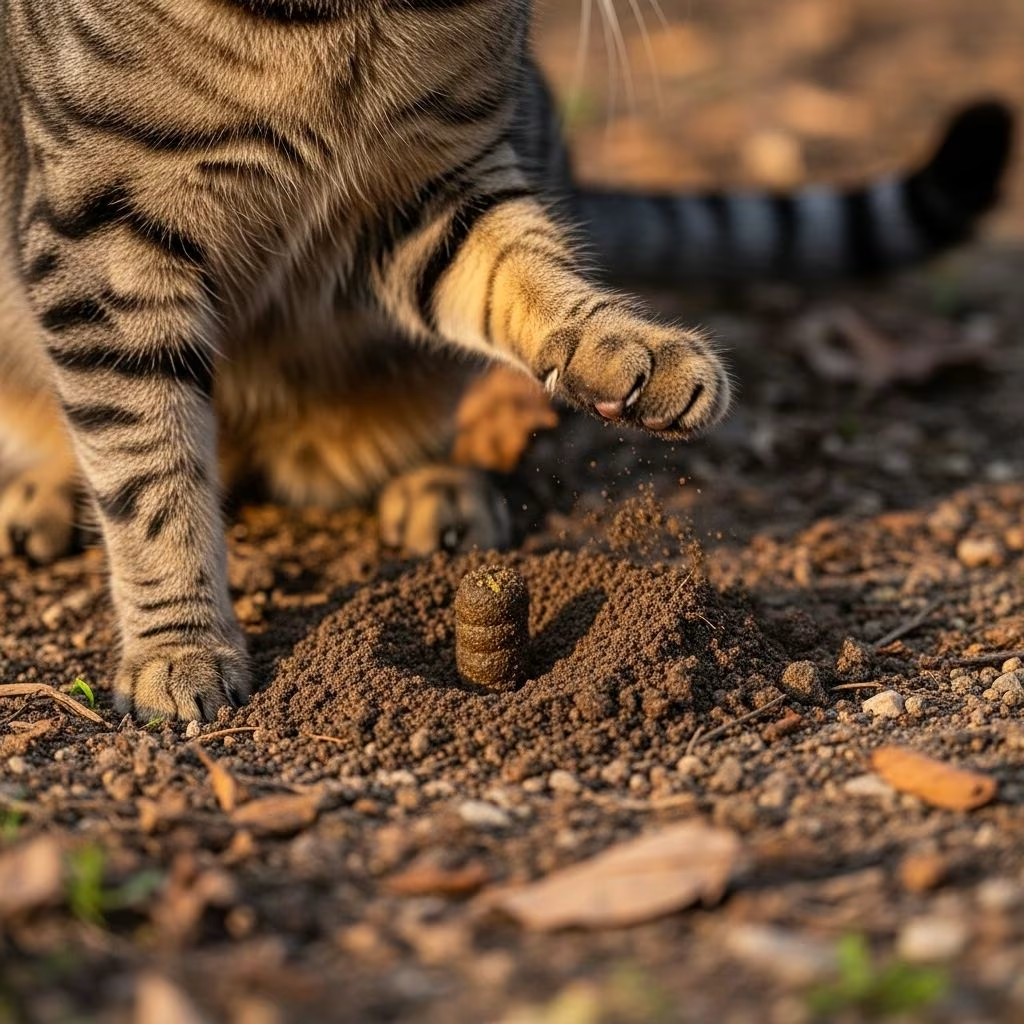
Middening refers to a cat’s deliberate act of defecating in prominent, visible locations outside the litter box, typically without covering the faeces. This behaviour serves as a form of scent and visual territorial marking, most commonly triggered by stress, perceived threats from other cats, or social tensions in multi-cat households. Unlike accidental house soiling, middening is intentional and often occurs in high-traffic areas like hallways, doorways, or near windows, making it impossible to miss.
While rare in domestic cats compared to feral or wild felids, middening mimics natural behaviours where cats deposit faeces openly to communicate dominance or repel intruders. Domestic instances are usually linked to environmental stressors rather than pure instinct, emphasising the need for prompt investigation to differentiate it from medical issues.
Why Do Cats Midden?
Cats midden primarily to assert territorial claims or cope with anxiety, using the strong odour of uncovered faeces as a potent message to rivals. This non-spray marking is akin to urine spraying but involves stool deposition in strategic spots. Key triggers include external threats, household changes, and internal conflicts, but medical causes must always be ruled out first.
Medical Reasons for Middening-Like Behaviour
Although true middening is behavioural, similar presentations can stem from health problems that make litter box use painful or inaccessible. Conditions such as feline idiopathic cystitis (FIC), constipation, diarrhoea, or osteoarthritis cause discomfort during elimination, leading cats to avoid the box. Senior cats with cognitive dysfunction syndrome (feline dementia) may forget litter box locations, resulting in floor defecation.
These medical issues often produce unintentional soiling, unlike deliberate middening. A veterinary examination, including bloodwork, urinalysis, and imaging if needed, is essential to exclude parasites, infections, or mobility impairments. Early intervention prevents escalation, as untreated pain can exacerbate stress-related behaviours.
Territorial Stress
The most frequent cause of genuine middening is territorial stress from perceived intrusions. Neighbourhood cats visible through windows, patrolling near the home, or even scents on new furniture can provoke a cat to midden openly, declaring ‘This is mine’. Locations like patio doors, cat flaps, or conservatory sofas highlight the threat direction.
In multi-cat homes, competition for resources like food bowls or prime resting spots fuels this response. Dominant cats may midden near litter boxes or paths to key areas, while anxious ones mix scents on human items for reassurance—a form of associative marking.
Inter-Cat Tension
Household cats not getting along often leads to middening as a dominance display or anxiety outlet. One cat might cover another’s waste odour with their own or deposit stool next to shared boxes to assert control. Signs include staring, blocking access, or swatting; unresolved tension perpetuates the cycle.
Anxiety from Change
Cats detest disruptions: moving house, new roommates, babies, schedule changes, or renovations spike anxiety, prompting middening for security. Separation anxiety may cause pooing near doors or on owner-scented items like beds or laundry to self-soothe via scent mingling. These acts aim to reclaim stability amid uncertainty.
Location Matters: Decoding Middening Spots
The precise location of middening provides vital clues. High-visibility areas like hallway centres, bedroom door fronts, or cat flap vicinities signal broad territorial assertions. Deposits near windows or outdoor-facing spots indicate specific external threats from prowling cats.
- Near doors/windows: External cat intruders or neighbourhood patrols.
- Hallways/high-traffic paths: General territory claim or multi-cat rivalry.
- On furniture/beds: Anxiety-driven associative marking with human scents.
- Near resources (food/litter): Competition from housemates.
Notably, middening avoids central nesting areas or low-profile corners, distinguishing it from mere inappropriate defecation. Elevated spots like tables amplify visibility for maximum impact.
How to Stop Middening in Cats
Addressing middening requires a multi-faceted approach: vet check first, then environmental and behavioural modifications. Punishment worsens stress, so focus on root causes.
Step 1: Veterinary Evaluation
Schedule a full exam to rule out medical issues. Treat any conditions promptly; pain relief or mobility aids can resolve soiling quickly.
Step 2: Optimise the Litter Box Setup
Many cats avoid boxes due to dissatisfaction:
- Use unscented, clumping litter at 2-3 inch depth.
- Provide one box per cat plus one extra, in quiet, accessible spots.
- Clean daily; deep clean weekly.
- Try covered/uncovered, large/high-sided varieties.
Negative past experiences condition location preferences outside the box.
Step 3: Reduce Stressors
Block Intruders: Use motion-activated deterrents, privacy film on windows, or secure catios to block views/scents.
Multi-Cat Harmony: Feed separately, provide vertical space (shelves/trees), and pheromone diffusers like Feliway MultiCat.
Enrich Environment: Offer scratching posts, toys, and perches to boost confidence.
Step 4: Positive Reinforcement and Cleaning
Praise litter box use; ignore accidents. Enzymatic cleaners neutralise odours to prevent re-marking. For persistent cases, consult certified behaviourists.
| Trigger | Solution |
|---|---|
| Territorial threat | Block views, deterrents |
| Multi-cat tension | Resources x2, pheromones |
| Anxiety/change | Enrichment, routine stability |
| Litter aversion | Multiple clean boxes, litter trials |
The Bottom Line: What Is Middening?
Middening is deliberate, uncovered defecation in open areas for territorial communication, primarily stress-induced in domestic cats. Rule out health issues, then mitigate triggers through environment tweaks and support. With patience, most cases resolve, restoring litter box fidelity.
Frequently Asked Questions (FAQs)
Q: Is middening common in house cats?
A: No, it’s rare in domestic cats; most house soiling is due to medical or litter issues, not true territorial middening.
Q: How do I know if it’s middening or a medical problem?
Q: Vet check first—pain, mobility issues mimic it. True middening is uncovered in prominent spots.
Q: Can punishment stop middening?
A: No, it increases stress and worsens behaviour. Use positive methods only.
Q: What if I have multiple cats?
A: Provide ample resources, separate feeding, and monitor interactions to ease tension.
Q: How long to see improvement?
A: 2-4 weeks with consistent changes; severe cases may need professional help.
References
- What is Middening? Why Your Cat’s Pooing Habits Are Sending a Message — Kinship.com. 2023. https://www.kinship.com/uk/cat-behaviour/what-is-middening-cats
- Cat Defecating vs Middening? Expert Advice — The Cat Behavior Clinic. 2023. https://www.thecatbehaviorclinic.com/defecating-or-middening/
- What Is Cat Middening? Vet-Reviewed Causes, Prevention & FAQ — Catster (Veterinary reviewed). 2024. https://www.catster.com/cat-behavior/cat-middening/
- Part 6: Why Do Cats Defecate Outside the Box? — Ark Animal Hospital. 2022. https://www.arkvetofliberty.com/part-6-why-do-cats-defecate-outside-the-box/
- Cat Territorial Behavior — Class Act Cats. 2023. https://classactcats.com/blog/cat-territorial-behavior/



