

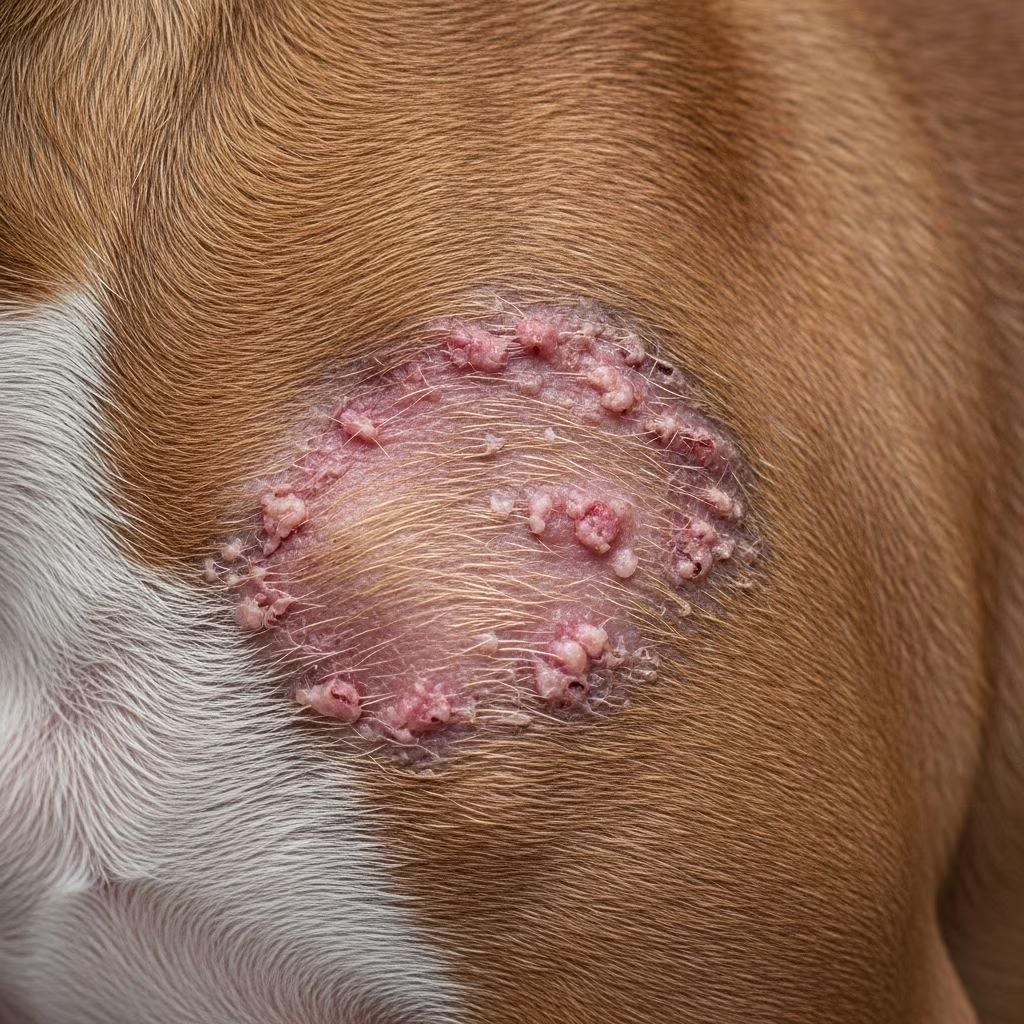
Mange in dogs is a common skin condition caused by parasitic mites that burrow into the skin, leading to intense itching, hair loss, and potential secondary infections. There are two primary types: sarcoptic mange, highly contagious and caused by Sarcoptes scabiei mites, and demodectic mange, resulting from an overgrowth of Demodex mites normally present in a dog’s hair follicles.
Recognizing mange early is crucial for effective treatment, as untreated cases can lead to severe skin damage, lethargy, and in rare instances, life-threatening complications if underlying health issues are involved.
Types of Mange in Dogs
Dogs can suffer from different forms of mange, each with distinct causes, transmission methods, and severity levels. Understanding these types helps in accurate diagnosis and targeted treatment.
Sarcoptic Mange (Scabies)
Sarcoptic mange, also known as canine scabies, is caused by the mite Sarcoptes scabiei, which burrows into the skin, lays eggs, and triggers an intense allergic reaction. This type is highly contagious, spreading through direct contact with infected dogs, foxes, or contaminated environments.
- Common in dogs of all ages, but puppies and immunocompromised adults are more susceptible.
- Symptoms appear 10 days to 8 weeks after exposure.
- Humans may experience temporary itching from contact, though mites cannot complete their life cycle on people.
Demodectic Mange (Demodex)
Demodectic mange occurs when Demodex canis mites, normally residing harmlessly in hair follicles, proliferate due to a weakened immune system. It is not contagious and often affects puppies under 18 months or dogs with underlying conditions like hypothyroidism or cancer.
- Localized form: Small patches around the face or legs, often self-resolving.
- Generalized form: Widespread, requiring intensive treatment and investigation of immune issues.
Symptoms of Mange in Dogs
Symptoms vary by type but commonly include severe discomfort that affects a dog’s quality of life. Early detection through observation is key.
- Intense itching and scratching: Most prominent in sarcoptic mange, leading to self-trauma and open wounds.
- Hair loss (alopecia): Patchy or widespread, often starting on ears, elbows, and belly.
- Redness, inflammation, and scabs: Skin becomes crusty, thickened, or darkened over time.
- Secondary infections: Bacterial or yeast, causing oozing sores, foul odor, and lethargy.
- Other signs: Scaling, dandruff, emaciation in severe cases, or ear infections with dark cerumen.
For demodectic mange, symptoms may be milder initially, with scaling and redness around the eyes and mouth.
Causes of Mange in Dogs
Mange results from mite infestations exploiting vulnerabilities in a dog’s skin or immune system.
- Sarcoptic: Transmission via contact with infected animals (dogs, wildlife) or fomites like bedding.
- Demodectic: Overpopulation of normal skin mites due to genetic predisposition, stress, poor nutrition, or illnesses suppressing immunity (e.g., FeLV in cats, analogous in dogs).
Risk factors include young age, stray living, overcrowding in shelters, and concurrent parasites like heartworm.
How Is Mange Diagnosed in Dogs?
Veterinarians diagnose mange through clinical signs, history, and lab tests, as mites can be hard to find, especially in sarcoptic cases.
- Skin scrapings: Deep scrapings examined under a microscope for mites, eggs, or larvae.
- Response to trial treatment: For sarcoptic mange, improvement after anti-mite medication confirms diagnosis.
- Additional tests: Bloodwork, biopsies, or radiographs to rule out underlying diseases in generalized demodex.
A cone or suit may be used during exams to prevent further trauma.
Treatment for Mange in Dogs
Treatment is tailored to the type and severity, focusing on killing mites, managing symptoms, and addressing secondary issues. Never attempt home treatment alone, as it risks worsening the condition.
Medications and Therapies
| Type | Treatments | Notes |
|---|---|---|
| Sarcoptic | Ivermectin (200 mcg/kg PO/SC, 2-4 doses), selamectin, moxidectin spot-on, milbemycin oxime | Highly effective; treat all in-contact dogs. Avoid in sensitive breeds. |
| Demodectic | Topical amitraz dips, oral ivermectin/milbemycin, moxidectin/imidacloprid | Monitor for 1-3 months; address underlying causes. |
- Topicals: Medicated shampoos, lime-sulfur dips, ointments applied to shoulders.
- Supportive care: Antibiotics (e.g., cephalexin), antifungals for infections; corticosteroids cautiously for itch.
Full course completion is essential; most dogs recover fully with proper therapy.
Home Care and Natural Remedies
Support vet treatment with gentle bathing, cone use, and clean bedding. Natural options like diluted apple cider vinegar rinses, coconut oil, or honey soothe skin but do not cure infestations.
- Bathe weekly with oatmeal or medicated shampoo.
- Isolate contagious dogs.
- Nutritional support with omega-3 supplements.
Preventing Mange in Dogs
Prevention emphasizes routine care and vigilance.
- Parasite preventatives: Monthly flea/tick/heartworm products with mite coverage (e.g., moxidectin).
- Hygiene: Regular grooming, clean environments; disinfect for sarcoptic.
- Vet check-ups: Early screening for at-risk dogs (puppies, seniors).
- Avoid exposure: Limit contact with strays or wildlife.
For demodex, breeding from affected lines should be avoided.
When to See a Vet for Suspected Mange
Consult a vet immediately if you notice persistent itching, bald patches, or skin changes. Delays can lead to chronic issues or fatality in unmanaged cases.
- Emergency if: Open wounds, lethargy, fever, or rapid spread.
- Expect: Exam, scrapings, prescription meds, follow-ups.
Prognosis is excellent with treatment; sarcoptic often clears in weeks, demodectic may take months.
Frequently Asked Questions (FAQs)
Is mange in dogs contagious to humans?
Sarcoptic mange can cause temporary itching in humans, but mites do not reproduce on people. Demodectic is not zoonotic. Wash hands and avoid contact.
Can mange in dogs be cured?
Yes, with vet-prescribed treatments like antiparasitics, most dogs fully recover. Chronic cases need underlying issue management.
How long does it take for mange to go away in dogs?
Sarcoptic: 2-4 weeks with treatment. Demodectic: 1-3 months or longer for generalized cases.
Is there a home remedy for dog mange?
No true cure, but soothing aids like honey or coconut oil help symptoms alongside vet care. Do not rely solely on home remedies.
Can puppies get mange?
Yes, especially demodectic due to immature immunity. Early treatment prevents spread.
References
- Symptoms and Treatment of a Dog with Mange in Arvada, CO — Arvada Vet Hospital. 2023. https://arvadavethospital.com/blog/dog-with-mange/
- Mange in Dogs and Cats – Integumentary System — MSD Veterinary Manual. 2024-10-15. https://www.msdvetmanual.com/integumentary-system/mange/mange-in-dogs-and-cats
- Mange in Dogs – Causes, Treatments & Prevention — YuMOVE. 2024. https://yumove.co.uk/blogs/dog-expert-advice/mange-in-dogs
- Understanding Mange in Dogs: Types, Symptoms, and Treatment — Noble Vet Clinic. 2024. https://noblevetclinic.com/blog/understanding-mange-in-dogs-types-symptoms-and-treatment
- Mange in Dogs: Signs, Symptoms & Treatment — Purina. 2024. https://www.purina.com/articles/dog/health/parasites/mange-in-dogs
- Mange in Dogs: Symptoms, Causes and Treatment — PetMD. 2024-11-01. https://www.petmd.com/dog/conditions/skin/mange-dogs



