

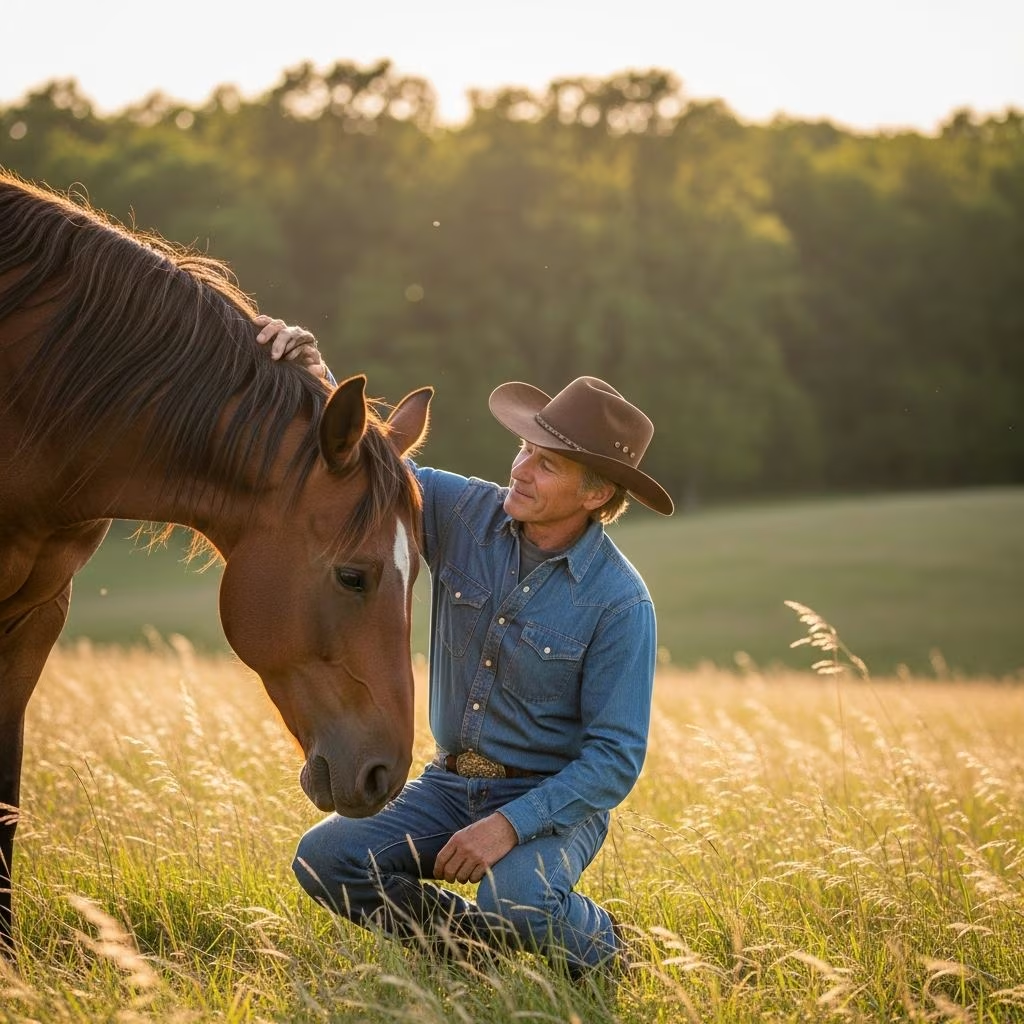
Horse whispering, also known as natural horsemanship, represents a fundamental shift in how we approach equine training and communication. Rather than relying on dominance and force, horse whisperers use observation, body language, and psychological understanding to create meaningful partnerships with horses. This method has revolutionized equestrian training since gaining widespread recognition in the 1980s, offering a more humane and effective approach to working with horses of all temperaments and backgrounds.
Understanding Horse Whispering Basics
At its core, horse whispering is a training methodology that emphasizes communication over coercion. Despite its mystical-sounding name, horse whispering has nothing to do with actually whispering to horses. Instead, it involves developing a deep understanding of equine behavior and using non-verbal communication to establish trust and cooperation. Horse whisperers are trainers who excel at reading a horse’s body language, facial expressions, and behavioral cues to determine what the animal needs in any given situation.
The fundamental principle behind horse whispering is straightforward: horses are prey animals with natural instincts and communication methods that differ significantly from humans. By understanding these natural behaviors and adapting our approach accordingly, we can communicate with horses in ways they naturally understand. This creates an environment where horses feel safe, respected, and willing to cooperate with their human handlers.
The techniques used in horse whispering share common principles of kindness and gentleness, often described as a “kinder and gentler” approach to horsemanship. These methods are derived from observation of how free-roaming horses naturally communicate and interact with one another, rejecting abusive training practices in favor of positive reinforcement and mutual respect.
The History and Origins of Horse Whispering
Horse whispering emerged as a formal training method in the early 19th century, with roots tracing back to Irish horse trainer Daniel “Horse Whisperer” Sullivan. Born in Mallow, County Cork in the 18th century, Sullivan pioneered this revolutionary approach after working extensively with traumatized and abused horses. His success with difficult animals earned him the legendary nickname “Horse Whisperer,” establishing a foundation that would influence equestrian training for centuries to come.
While horse whispering techniques date back approximately 200 years, the methodology remained relatively niche until the 1980s. During this period, horse whispering was incorporated into a broader framework of training techniques known as “natural horsemanship.” This formalization is largely credited to American horse trainer Pat Parelli, who coined the term and popularized these methods through his influential book and training programs. The incorporation of horse whispering principles into the natural horsemanship movement brought these time-tested techniques to a much wider audience of horse enthusiasts, trainers, and riders worldwide.
Core Principles of Natural Horsemanship Training
Natural horsemanship trainers operate according to several foundational principles that distinguish their approach from traditional training methods. These principles focus on creating a partnership based on understanding rather than dominance.
Groundwork Comes First
Groundwork is the foundation of any effective natural horsemanship training program. During groundwork sessions, trainers assess how the horse is performing on that particular day and review concepts from previous sessions before progressing to new material. This initial phase allows the trainer and horse to establish basic communication and build confidence before more advanced work under saddle.
Natural horsemanship trainers are constantly observing the horse’s body language during groundwork, paying careful attention to whether the horse is confident with the work being performed and how well they are handling any challenges that arise. This careful observation informs all subsequent decisions about training progression and methodology.
Tailoring Each Training Session
One of the defining characteristics of natural horsemanship is the recognition that there is no one-size-fits-all approach to working with horses. Every horse is unique, with individual personalities, histories, and learning styles. This means every training session may look different, depending on the specific horse’s needs and readiness level.
Experienced trainers typically begin by assessing the horse through groundwork, observing their responsiveness and emotional state, then progress to working under saddle if appropriate. Additionally, natural horsemanship trainers work closely with the horse’s rider and owner to help them understand what the horse needs and how to communicate more clearly and effectively with their animal.
How Horse Whisperers Build Trust
Building trust is the cornerstone of horse whispering, whether working with young horses, untrained animals, or horses recovering from abuse or trauma. Several key techniques enable horse whisperers to establish this crucial foundation:
Body Language and Presence
A horse will never feel comfortable around someone who appears scared or aggressive. When first approaching a horse, professional trainers use submissive body language and avoid direct eye contact. Keeping the eyes and head low communicates to the horse that you are not a threat, allowing the animal to relax and become receptive to interaction.
Horse whisperers are highly aware of their own body position, movement, and energy. They understand that horses are extremely sensitive to human body language and use this knowledge to send clear, consistent messages about their intentions and desires. This awareness extends to understanding what pressure signals mean and how to release pressure immediately when the horse responds, creating a clear cause-and-effect understanding.
Reading and Interpreting Body Language
Horse whisperers develop acute awareness of equine body language, including ear position, tail movement, muscle tension, and facial expressions. By accurately reading these signals, they can understand the horse’s emotional state, level of fear or confidence, and physical comfort. This interpretation allows trainers to adjust their approach in real-time, ensuring the horse remains comfortable and engaged.
Many horse whisperers can establish a connection that goes beyond simple observation, sometimes describing a kind of telepathic or intuitive understanding with the horse. This deeper connection develops through years of dedicated practice and interaction with horses, allowing trainers to receive information through non-verbal communication, mental images, and other subtle sensations.
Positive Reinforcement Techniques
Rather than using punishment or force, horse whisperers rely on positive reinforcement to encourage desired behaviors. When a horse responds correctly to a signal or command, the trainer immediately releases pressure and offers praise, creating positive associations with compliance. This approach encourages horses to cooperate willingly rather than out of fear.
Understanding Horse Behavior and Psychology
Central to horse whispering is the recognition that a horse’s nature dictates everything it does. Many riders and trainers struggle because they don’t fully understand why horses behave in specific ways. However, understanding horse behavior automatically improves the relationship between human and horse, creating the basis for the bond that will develop between them.
Modern equine psychology has revealed that the first years of a horse’s training are vital, as horses remember signals for the rest of their lives. This makes early, positive horse whispering crucial for easing training and developing a genuine harmonic connection with the rider from the start. When horses don’t understand what’s being asked of them, they don’t act against their riders—they simply respond according to their nature. Through horse whispering, horses begin to act in harmony with their riders, creating mutual understanding and respect.
Addressing Trauma and Behavioral Issues
Horse whisperers are increasingly called upon to help horses overcome trauma and behavioral problems. Most modern horse whisperers understand that trauma becomes locked in the nervous system and can take several years to unlock or unwind. Behavioral issues often stem from trauma experienced during early training or from a previous owner who didn’t understand the horse’s needs or communicate effectively with the animal.
When facing behavioral or environmental problems, a skilled horse whisperer can quickly assess the horse’s patterns and determine what the animal needs in that specific situation. This objective assessment is key—horse whisperers must remain objective and not succumb to emotions that the horse’s owner or rider might be experiencing, which could cloud their judgment and interfere with the horse’s healing process.
Key Skills for Aspiring Horse Whisperers
Developing proficiency in horse whispering requires dedication, practice, and continuous learning. These skills are not something a beginner can master overnight; it can take many years of observing and interacting with horses before you can truly grasp the art of horse whispering.
Essential Competencies
Horse whisperers must develop several core competencies to be effective:
- Non-verbal communication mastery: Understanding and using body language to communicate with horses effectively and consistently
- Observational skills: The ability to read and interpret subtle changes in a horse’s body language, facial expressions, and behavior
- Patience and consistency: Maintaining calm, predictable behavior and understanding that training is a gradual process
- Physical awareness: Constant knowledge of where your body is and what you’re doing, as horses are highly attuned to human movement
- Emotional control: The ability to remain objective and calm regardless of external circumstances or the owner’s emotions
- Ethical commitment: A dedication to never using abusive methods and always prioritizing the horse’s welfare and understanding
Becoming a Natural Horsemanship Trainer
For those interested in pursuing horse whispering as a professional discipline, several steps can facilitate development:
Seek an Established Mentor
Many experienced trainers offer opportunities for working students and apprentices. Finding a trainer you connect with and asking about opportunities to work with them provides invaluable hands-on experience. Working alongside an established professional allows you to learn their methods while developing your own unique approach. As seasoned trainers note, “Take what works for you and build your own program. The cool thing with horses is you can never know everything, and there is always room to learn more and improve.”
Practice Skills in Phases
Development as a horse whisperer occurs gradually through deliberate practice. Focus on mastering foundational skills before progressing to more advanced techniques. Be consistently aware of your body position, movement, and the signals you’re sending through your presence and energy.
Conduct Thorough Research
Education through books, documentaries, and academic study about equine behavior helps you understand horses’ perspectives and natural communication methods. This theoretical knowledge complements practical experience, creating a well-rounded foundation for your horse whispering practice.
Frequently Asked Questions
Q: Is horse whispering actually about whispering to horses?
A: No, despite the name, horse whispering has little to do with quiet talking. It focuses on observation, non-verbal communication, and body language. The term refers to the gentle, subtle nature of the training method rather than any actual whispering.
Q: How long does it take to become a horse whisperer?
A: There is no fixed timeline, as these skills cannot be mastered overnight. It typically takes many years of consistent observation, practice, and interaction with horses to develop genuine proficiency in horse whispering techniques.
Q: Can horse whispering help with aggressive or traumatized horses?
A: Yes, horse whispering is particularly beneficial for horses with trauma, aggression, or behavioral issues. The method’s emphasis on understanding and gentle communication makes it especially effective for helping these horses rebuild trust and overcome their challenges.
Q: What’s the difference between horse whispering and traditional horse training?
A: Traditional training often relies on dominance and force, while horse whispering emphasizes communication, understanding, and partnership. Horse whispering rejects abusive methods in favor of positive reinforcement and mutual respect.
Q: Is horse whispering scientifically supported?
A: Yes, modern equine psychology supports the principles underlying horse whispering. Research shows that early positive training experiences and understanding of horse behavior significantly improve training outcomes and horse welfare.
Conclusion
Horse whispering, or natural horsemanship, represents a paradigm shift in how we work with horses. By prioritizing communication, understanding, and trust over dominance and force, horse whisperers create genuine partnerships with horses that benefit both animal and human. Whether working with young, untrained horses, challenging animals, or horses recovering from trauma, these methods prove effective and humane.
The journey to becoming a skilled horse whisperer requires dedication, patience, and continuous learning. However, the rewards—both in terms of improved horse behavior and the profound human-animal connections that develop—make this challenging path worthwhile. As the equestrian world increasingly recognizes the validity and effectiveness of natural horsemanship principles, horse whispering continues to evolve and influence training practices worldwide, offering hope and healing to horses in need.
References
- Horse Whispering — Griggs Equestrian. 2020-05-14. https://www.griggsequestrian.co.uk/blog/2020/05/14/horse-whispering/
- What is a horse whisperer? Definition, role, & education — Ditte Young. 2024. https://ditteyoung.net/blog/horse-whisperer/
- What Is a Horse Whisperer? The Ins and Outs of a Horse Psychologist — Wild Jolie. 2024. https://wildjolie.com/blogs/guide/horse-whisperer
- What Is a Horse Whisperer? Your Guide to Natural Horsemanship — Chewy. 2024. https://www.chewy.com/education/horse/general/what-is-a-horse-whisperer



