

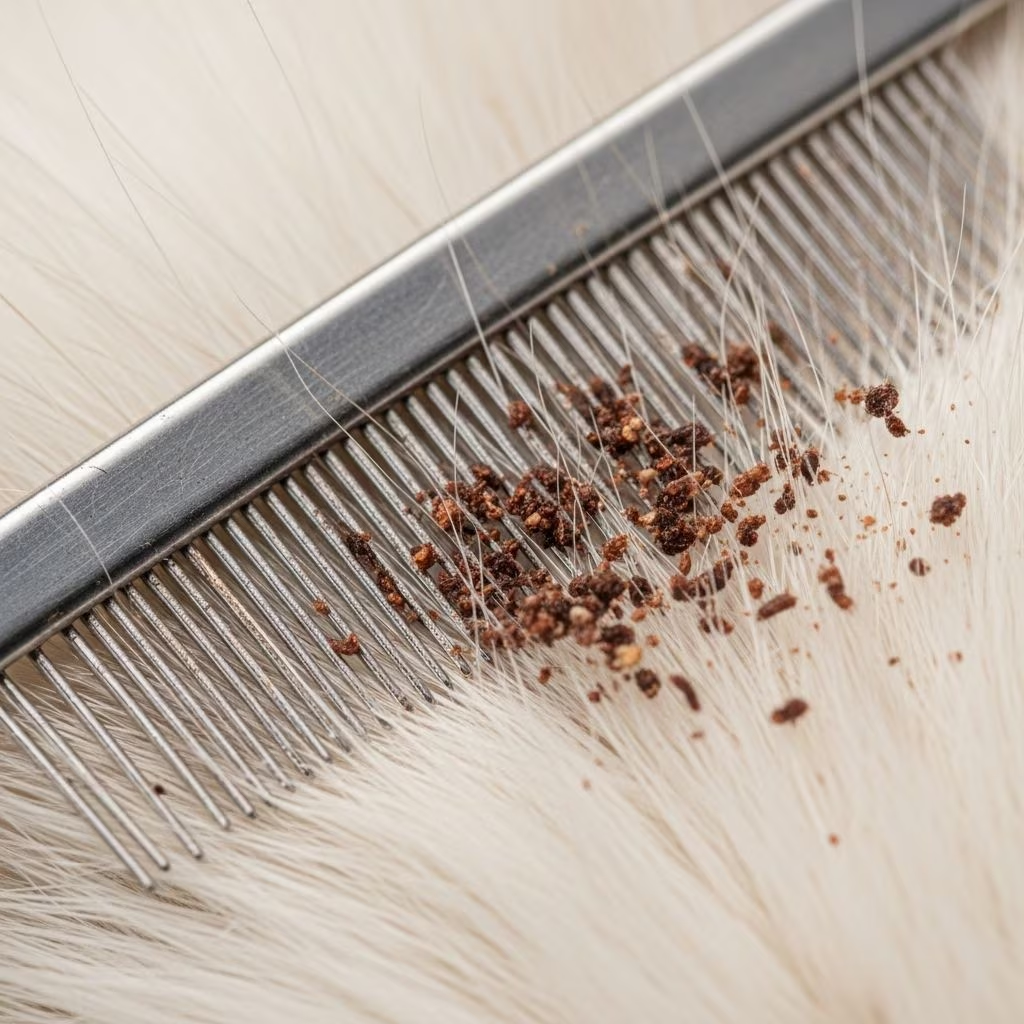
So, What Is Flea Dirt Anyway?
Flea dirt is a mix of blood meal and flea feces, according to veterinary experts. Essentially, it’s the waste fleas leave behind after they consume your pet’s blood. Despite its unfortunate name, flea dirt isn’t dirt at all—it’s the byproduct of fleas’ digestive system working overtime on a blood diet. When fleas feed on your cat, they consume blood, digest it, and then leave behind fecal matter that contains the remnants of that blood meal. This is what we call flea dirt, and while it sounds unpleasant, understanding what it is can help you protect your feline friend from flea infestations.
Now that you know what flea dirt is, take heart. There is one good thing about this icky stuff: it’s easy to find. Fleas can be difficult to spot because they are so tiny and move quickly. Flea dirt, on the other hand, stays in one place, making it an obvious warning sign. Finding flea dirt on cats or dogs may actually help you realize there’s a flea problem before it gets out of hand. This early detection can be crucial in preventing a full-blown infestation from taking over your home.
What Does Flea Dirt Look Like?
Flea dirt is dark, even appearing black in some cases, and looks like small flecks or clumps. It’s often described as looking like coffee grounds in your pet’s fur. Although it can be found on any part of your pet, it’s most often seen in front of their tail base and on their bellies. These warm areas are favorite feeding spots for fleas, so you’re most likely to find evidence of their presence there.
Keep in mind that it may be harder to spot fleas and flea dirt on cats than on dogs because felines are such fastidious groomers. On cats, you may have more luck looking around their necks since it’s harder for them to reach. This location provides shelter and makes it an ideal spot for fleas to hide while feeding. The grooming behavior of cats actually works against them in this case—while they try to clean themselves, they may inadvertently be consuming fleas and their fecal matter.
Basically, flea dirt looks like regular dirt, and it’s easy to mistake one for the other. But there’s a simple solution for telling them apart. Since fleas ingest a blood meal from the pet, this blood is passed in their droppings. One way to distinguish flea dirt from regular dirt is to wet it and wipe it on a white surface to see if it looks red, like blood. If that task sounds too gross to handle, no judgment here—go ahead and delegate that task to your veterinarian.
How to Identify Flea Dirt on Your Cat
Identifying flea dirt requires a systematic approach. Start by examining your cat’s skin and fur in areas where fleas commonly hide. Use a fine-toothed flea comb to gently comb through your cat’s fur, particularly around the neck, tail base, and belly. A flea comb is designed to catch tiny parasites and debris, making it easier to spot flea dirt.
Once you’ve collected some suspected flea dirt on the flea comb, place it on a white surface or white paper towel and observe the particles. Real flea dirt will be small, dark specks that look like pepper or coffee grounds. The crucial test involves adding a few drops of water to the specks. If they turn reddish-brown or rust-colored when wet, you’ve confirmed it’s flea dirt composed of digested blood. Regular dirt won’t change color when moistened, so this test is your definitive answer.
You can also perform this test by placing your cat on a white sheet or light-colored blanket and gently petting or brushing your cat while watching for black flecks to fall onto the white surface. Any black specks that turn reddish when wet are confirmation of flea dirt and, consequently, a flea infestation.
Where Flea Dirt Is Most Commonly Found
Flea dirt tends to accumulate in specific areas of your cat’s body where fleas prefer to feed and hide. Understanding these locations can help you know where to focus your search efforts:
- Tail base: This is one of the most common locations for flea dirt, as fleas love the warm, protected area just in front of the tail
- Belly and underside: These sensitive areas provide ideal conditions for fleas to feed without being easily noticed
- Neck area: Cats have difficulty grooming their necks, making this an attractive spot for fleas to establish themselves
- Behind the ears: Another hard-to-reach area that fleas favor for setting up their feeding sites
- Groin area: The warmth and moisture in this region make it appealing to parasites
You may also find flea dirt in your pet’s bedding, on furniture, or anywhere your cat spends significant time. Fleas don’t always stay on the host animal—they may jump off temporarily, leaving their droppings behind on surfaces.
Does Flea Dirt Mean an Infestation?
Many pet parents wonder whether it’s possible for a pet to have flea dirt but not fleas. Unfortunately, that’s not likely. When you find flea dirt on cats or dogs, it’s possible you’re dealing with a flea infestation in your home. A flea that is dropping waste on the animal has had enough time to feed on that animal, which means they’ve probably also had time to breed.
Female fleas can lay eggs within two days after they’ve fed. They lay these eggs near-impossibly to spot, especially since they quickly fall off your pet and into the environment where they will hatch. This rapid breeding cycle means that discovering flea dirt is a critical wake-up call. Even if you don’t see any live fleas, flea dirt can be a sign of fleas on your dog or cat, and more importantly, it indicates that breeding has likely already begun.
The presence of flea dirt confirms that fleas have been actively feeding on your pet long enough to consume and digest a blood meal. This evidence of established feeding behavior suggests a population that’s already had time to establish itself and potentially reproduce. Acting quickly upon discovering flea dirt is essential to prevent a minor problem from escalating into a full-scale infestation affecting multiple pets and potentially spreading throughout your home.
The Significance of Finding Flea Dirt
Finding flea dirt is more than just discovering an unpleasant substance in your cat’s fur. It’s a critical indicator of several important things:
- Your cat has active fleas that are feeding on their blood
- Fleas have been present long enough to complete a feeding cycle
- Reproduction has likely already begun or is imminent
- Immediate treatment is necessary to prevent widespread infestation
- Your home environment may be infested with flea eggs and larvae
The significance cannot be overstated. Your cat may not show obvious signs of flea infestation beyond itching, and some cats are better groomers than others, meaning you might not actually see adult fleas. However, flea dirt provides tangible evidence of the problem. Cats are especially good at licking fleas out of their fur and swallowing them as they groom themselves, so the absence of visible fleas doesn’t mean your cat isn’t infested. Flea dirt, however, is hard evidence that cannot be ignored.
Is Flea Dirt Harmful?
Flea dirt itself is not directly harmful to your cat. The specks won’t cause injury or toxicity if ingested in small quantities. However, the presence of flea dirt indicates a flea problem, which can be quite harmful. Fleas can transmit diseases such as cat scratch fever, tularemia, and typhus to both pets and people. Additionally, heavy flea infestations can cause anemia in cats, particularly kittens and senior cats, due to significant blood loss.
The real danger lies not in the flea dirt itself, but in what it represents: an active flea population that can cause discomfort, transmit diseases, and multiply rapidly. Your cat may scratch excessively, leading to skin wounds and secondary infections. The stress of dealing with fleas can also impact your cat’s overall health and quality of life.
Taking Action When You Find Flea Dirt
Once you’ve confirmed the presence of flea dirt on your cat, it’s time to take action. Here are the essential steps to address the problem:
Consult Your Veterinarian: Your vet can recommend appropriate flea treatments tailored to your cat’s age, weight, and health status. They can prescribe oral medications, topical treatments, or other solutions designed to eliminate fleas at all life stages.
Treat Your Cat: Apply veterinarian-recommended flea treatments as directed. Many modern treatments are highly effective and can kill fleas within hours of application.
Clean Your Home: Wash your cat’s bedding in hot water regularly. Vacuum your home thoroughly, including under furniture and in corners where flea eggs and larvae might hide. Consider treating your home with a flea control product if the infestation is severe.
Monitor for Reinfestation: Continue checking your cat for flea dirt regularly and maintain preventative flea treatments as recommended by your veterinarian.
Frequently Asked Questions
Q: What exactly is flea dirt made of?
A: Flea dirt is composed primarily of digested blood from your pet, mixed with flea feces. When fleas feed on your cat’s blood and digest it, they leave behind this dark-colored waste material.
Q: How can I tell flea dirt apart from regular dirt or dandruff?
A: The most reliable test is the water test. Place suspected flea dirt on a white paper towel and add a few drops of water. If it turns reddish-brown, it’s flea dirt. Regular dirt won’t change color. Additionally, flea dirt is typically found in areas where fleas hide, and it has a specific appearance similar to pepper or coffee grounds.
Q: Can my cat have flea dirt without actually having fleas?
A: No. If you find flea dirt on your cat, it means fleas are present. The flea dirt is proof that fleas have been feeding on your cat. However, you may not see the adult fleas themselves, especially if your cat is a good groomer.
Q: Is flea dirt contagious to other pets?
A: Flea dirt itself isn’t contagious, but the fleas that produced it certainly are. If one pet has fleas and flea dirt, other pets in the household are at high risk of becoming infested. All pets should be treated to prevent cross-infestation.
Q: How often should I check my cat for flea dirt?
A: If you’ve discovered flea dirt, check weekly during and after treatment to ensure the infestation is clearing. If your cat is on preventative flea medication, monthly checks are reasonable. During high-risk seasons, more frequent checks may be warranted.
Q: What should I do if I find flea dirt on my cat?
A: Contact your veterinarian immediately. They can confirm the diagnosis and prescribe appropriate flea treatment. Additionally, clean your cat’s bedding and vacuum your home thoroughly to address any flea eggs or larvae in your environment.
Q: Can flea dirt appear on cats that are on flea prevention?
A: If your cat is properly treated with a veterinarian-recommended flea prevention product, flea dirt should not appear. If it does, it may indicate that your cat was infested before treatment began, or that the prevention method isn’t working effectively for your cat’s situation. Consult your vet.
References
- What Is Flea Dirt on Cats? — PetPlace.com. Accessed 2025-11-28. https://www.petplace.com/article/cats/pet-health/what-is-flea-dirt-on-cats
- What Is Flea Dirt, and How Do You Get Rid of It? — PetMD. Accessed 2025-11-28. https://www.petmd.com/general-health/flea-dirt
- Flea Dirt on Cats: Identification & Action – Vet Guide 2025 — AskAVet. Accessed 2025-11-28. https://askavet.com/blogs/news/flea-dirt-on-cats-identification-action-vet-guide-2025
- How to Get Rid of Fleas in Cats — Calder Vets. Accessed 2025-11-28. https://www.caldervets.co.uk/pet-help-advice/cats/parasites-in-cats/79-how-to-get-rid-of-fleas-in-cats
- Understanding Flea Dirt: Signs of Infestation — PetsCare.com. Accessed 2025-11-28. https://www.petscare.com/news/post/understanding-flea-dirt-signs



