

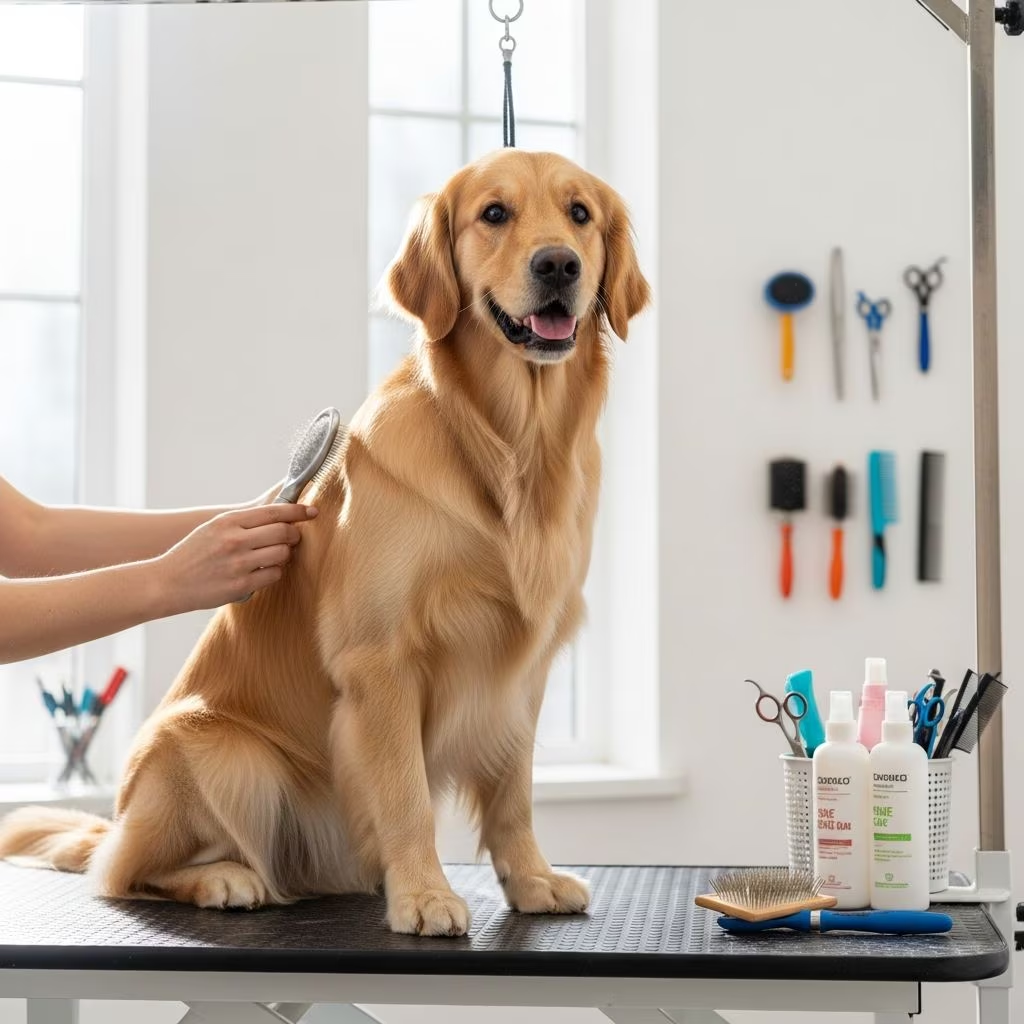
Ethical grooming for dogs prioritises the animal’s welfare, emotional well-being, and consent over aesthetic perfection. This approach, also known as gentle, holistic, force-free, or consent-based grooming, ensures dogs enjoy the process rather than endure it.
OK, so what exactly is ethical or gentle grooming?
Defining **ethical grooming**—also called gentle dog grooming—varies among professionals and pet owners, but core principles remain consistent. Groomers using these methods focus on the dog’s individual needs, behaviour, and comfort rather than a uniform ‘show-ready’ look.
Terms like ‘holistic’, ‘consent-based’, ‘force-free’, ‘fear-free’, ‘low-stress’, or ‘grooming behaviourist’ describe similar philosophies. Grooming expert Sue Williamson, in her book Taking The Grrr Out Of Grooming Your Dog, emphasises well-being over vanity.
Wirral-based groomer Jenni from Holistic Grooming Academy blends behaviour, training, and grooming tailored to each dog. This mirrors the fear-free method, which rewards positive behaviour without punishment—though Jenni notes ‘fear-free’ can be misleading if not fully consent-driven.
Jane Ambrose of Jane the Dog Groomer uses a consent-based approach: dogs choose when to step on the table, no restraints are applied, and full grooms may take weeks or months until the dog is ready. Patience ensures trust and reduces stress.
- Key principles: Animal welfare first, rewards over force, individual pacing, and reading body language.
- Goal: A positive experience where dogs feel safe and respected.
So how is ethical grooming different from traditional grooming?
Traditional grooming emphasises safety, cleanliness, and breed-standard aesthetics but often uses physical restraints, ignores emotional states, and follows rigid schedules. Dogs may be bathed, clipped, and styled quickly in shared spaces with cages, prioritising volume over comfort.
Ethical groomers like Stephanie, Jane, and Sue—trained traditionally—shifted methods after recognising limitations. Stephanie’s Scottish salon avoids restraints, focusing on emotional readiness. Success metrics change from ‘dogs per day’ to ‘happy, unstressed dogs’.
| Aspect | Traditional Grooming | Ethical/Gentle Grooming |
|---|---|---|
| Priority | Aesthetics, speed, cleanliness | Welfare, consent, low stress |
| Restraints | Common (tables, cages) | Avoided; dog chooses |
| Environment | Multiple dogs, noisy | Calm, one-on-one |
| Timeline | 1-2 hours per groom | Weeks/months if needed |
| Training | Force if resistant | Rewards, desensitisation |
This table highlights contrasts, showing ethical methods promote long-term trust.
Shouldn’t all groomers be doing this anyway?
Ideally, yes. Dominika stresses positive experiences via rewards-based training, gradual habituation to tools, people, and environments. Patience prevents forcing stressed dogs.
Groomers must prioritise health and safety, as per ethical codes: welfare, kindness, honesty, and education. The UK Commission for Employment and Skills’ National Occupational Standards reinforce competence, integrity, and animal-first care.
Stephanie urges pet parents to demand change: value the grooming experience before aesthetics. All should adopt force-free ideals for industry-wide improvement.
Are there any negatives of gentle/ethical grooming?
While beneficial, risks exist. Fewer restraints increase escape or injury potential, demanding vigilant body language observation. Never push dogs beyond comfort.
Jenni advises slow desensitisation: introduce paws, brushes with treats, building from seconds to minutes. Ethical codes warn against harm, mandating hygiene, space, and prompt veterinary care.
- Risks: Slower progress, welfare vs. matting balance.
- Mitigation: Trained observation, gradual exposure.
Grooming remains physically demanding; groomers ensure healthy skin and coats to prevent issues.
Do I need to use a gentle groomer? How do I find one?
Not always, but recommended, especially for fearful dogs. Balance welfare issues like matting—Sue might gently push boundaries to prevent pain.
To find one:
- Search ‘force-free’, ‘consent-based’, or ‘fear-free groomer’ + location.
- Ask about methods, restraints, session length.
- Check certifications, reviews emphasising calm experiences.
- Observe: Visit, watch a session, assess dog’s demeanour.
Work with rewards-based trainers for home prep. Ethical codes require competence in breed needs and stress signals.
Frequently Asked Questions (FAQs)
What products should ethical groomers use?
Cruelty-free, natural, hypoallergenic shampoos and tools. Avoid harsh chemicals; opt for sustainable, pet-safe options.
How do I prepare my dog at home?
Desensitise slowly: touch paws/ears, introduce brushes with treats, regular short sessions.
Is ethical grooming more expensive?
Often yes, due to longer sessions, but benefits happier, healthier dogs long-term.
What if my dog has severe matting?
Ethical groomers prioritise health: clip carefully, sedate only via vet if needed, never force.
Are there certifications for ethical groomers?
Look for fear-free, holistic training; adherence to codes like Petcetera’s or UK standards.
Benefits of Ethical Grooming
Beyond basics, ethical grooming reduces anxiety, builds trust, prevents behavioural issues. Dogs associate grooming positively, easing vet visits.
Holistic aspects include nutrition advice, stress signals education. Codes mandate transparency, CPD, and hygiene: daily cleaning, non-slip tables, hot/cold water.
Sustainable Practices in Ethical Grooming
Use eco-friendly products, water-saving tools, recyclable waste. Ethical groomers educate on home care for reduced salon visits.
Training for Ethical Groomers
Staff need animal handling experience, breed knowledge, body language skills. Formal qualifications encouraged; ongoing CPD essential.
Premises: Quiet locations, spacious enclosures, hygiene protocols prevent disease.
References
- Groomer’s Ethical Code — Petcetera NOLA. Accessed 2026. https://petceteranola.com/pages/groomers-ethical-code
- Ethical Grooming For Dogs: Your Complete Guide — Kinship. Accessed 2026. https://www.kinship.com/uk/dog-health/what-is-ethical-grooming
- Code of Ethics — Dog Grooming in Kent (PDF). 2018-02. https://www.dog-grooming-kent.co.uk/wp-content/uploads/2018/02/Code-Of-Ethics-TCs.pdf
- Grooming Dogs: What’s Good and Bad From Their Point of View — Psychology Today. 2022-09. https://www.psychologytoday.com/us/blog/animal-emotions/202209/grooming-dogs-whats-good-and-bad-their-point-view



