

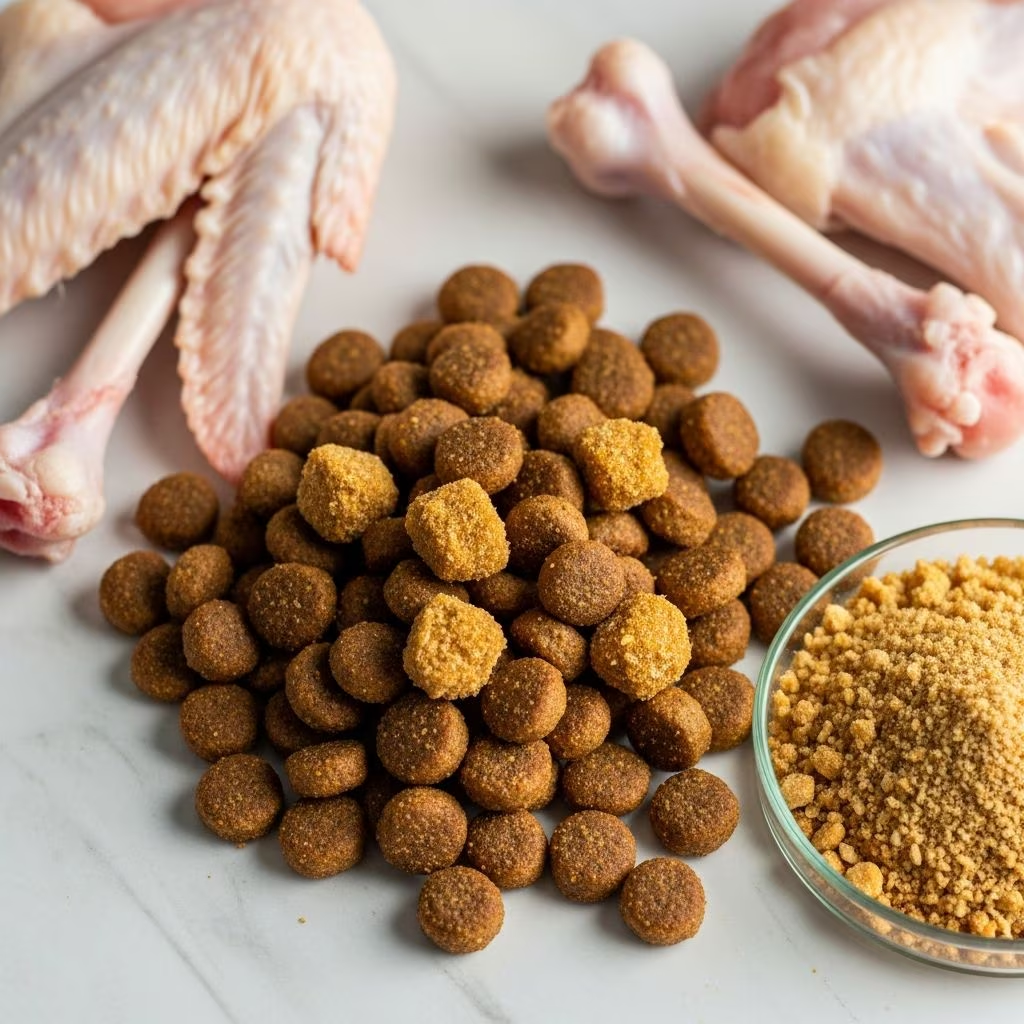
What Is Chicken Meal in Dog Food?
When you’re selecting the best food for your furry companion, understanding the ingredients on the label becomes essential. One ingredient you’ll frequently encounter in dog food formulations is chicken meal. Despite its common presence in pet food, many dog owners are unsure about what exactly chicken meal is and whether it’s a beneficial ingredient for their dogs. Chicken meal is a concentrated protein source created through a specific processing method that transforms raw chicken into a shelf-stable, nutrient-dense ingredient. This comprehensive guide will help you understand chicken meal, its nutritional value, and its role in your dog’s diet.
How Is Chicken Meal Made?
Chicken meal begins as raw chicken that includes meat, skin, and sometimes bone. The manufacturing process involves several key steps that transform this raw material into the final product you see listed on dog food labels.
The primary process used to create chicken meal is called rendering. During rendering, raw chicken is cooked at high temperatures to remove moisture and fat. This process is similar to making bone broth or stock, where heat extracts valuable nutrients and condenses them into a usable form. Once the moisture is removed through this rendering process, the chicken is ground into a fine meal, creating the ingredient commonly found in dry and wet dog foods.
According to the Association of American Feed Control Officials (AAFCO), “meal” specifically refers to meat that has had its moisture removed through a rendering process, making it far more protein-dense than its fresh counterpart. Fresh chicken contains approximately 70% water and only about 18% protein, whereas chicken meal contains roughly 10% moisture and approximately 65% protein. This means that chicken meal provides nearly four times more protein than whole chicken by weight, making it an extremely concentrated nutrient source.
Why Is Chicken Meal Used in Dog Food?
Pet food manufacturers incorporate chicken meal into their formulations for several practical and nutritional reasons. Understanding these motivations can help you appreciate why this ingredient appears so frequently in dog food products.
Concentrated Protein Source
The primary reason chicken meal is used in dog food is its concentrated protein content. As Dr. RuthAnn Lobos, a Purina veterinarian, explains: “When we’re making pet food, we need a certain proportion of wet and dry ingredients and also need to balance the nutritional needs of pets. By drying and grinding up the chicken, the end product is a concentrated, bioavailable protein source.”
If manufacturers attempted to use fresh chicken breasts, which contain approximately 75% moisture, the resulting kibble would be too watery and would not process correctly through the extrusion equipment used to create dry dog food. Chicken meal solves this manufacturing challenge by providing a shelf-stable, easily measurable ingredient with consistent protein levels.
Cost-Effectiveness
Chicken meal is more cost-effective than premium muscle meat for pet food manufacturers. The rendering process uses not just prime cuts but also bones, skin, and other parts of the chicken that would otherwise go to waste. This allows manufacturers to create nutritionally complete foods at a price point accessible to more pet owners while still maintaining adequate protein levels.
Storage and Transportation
Unlike fresh chicken, which requires refrigeration and has a limited shelf life, chicken meal is shelf-stable. This stability makes it easier for manufacturers to store, transport, and maintain consistent formulations across different production batches and geographic locations. The reduced water content also means less weight during shipping, potentially reducing transportation costs and environmental impact.
Is Chicken Meal Good for Dogs?
The question of whether chicken meal is beneficial for dogs has a nuanced answer. Yes, chicken meal provides legitimate nutritional benefits for canines, but quality and context matter significantly.
Nutritional Benefits
Chicken meal is undeniably packed with protein, an essential nutrient that plays crucial roles throughout your dog’s body. High-quality dietary protein supports:
- Muscle growth and maintenance: Protein provides the building blocks necessary for developing and maintaining lean muscle mass, supporting physical fitness and agility in adulthood and preventing muscle atrophy in senior dogs.
- Immune function: Protein supports antibody production and tissue repair, strengthening your dog’s natural defense systems against illness and infection.
- Skin and coat health: Your dog’s skin and hair are composed largely of protein, so adequate dietary protein builds and supports your pet’s first line of defense against the outside world, ensuring a healthy skin barrier and lustrous coat.
- Digestive health: Protein creates a sense of satiety that can reduce overeating and supports the creation and activation of digestive enzymes, which break down food and increase nutrient absorption.
- Energy production: Dense nutrition from chicken meal fuels everyday adventures and provides sustained energy for active dogs.
Joint Support Through Glucosamine
Beyond its protein content, chicken meal provides another valuable nutrient: glucosamine. Chicken bones and cartilage are naturally rich in glucosamine, a building block of cartilage tissue. This compound can help maintain healthy joints, allowing your dog to stay active and comfortable for years to come. However, if joint health is a primary concern for your dog, choose a dog food that includes additional glucosamine supplementation beyond what naturally occurs in chicken meal.
Important Considerations
While chicken meal offers nutritional benefits, there are important considerations to understand. The extensive processing and high-temperature cooking involved in rendering can destroy some of the initial nutrient content and vitamin composition. Additionally, this lengthy processing can make chicken meal difficult for some dogs to digest, potentially compromising nutritional benefits and causing digestive discomfort.
Scientists are increasingly focusing on digestible protein as even more important than total protein content for a dog’s overall health and nutrition. Fresh chicken meat has higher protein digestibility compared to chicken meal, meaning your dog’s body can more efficiently absorb and utilize the nutrients.
Chicken Meal vs. Fresh Chicken: A Comparison
Understanding the differences between chicken meal and fresh chicken helps dog owners make informed decisions about their pet’s nutrition.
| Characteristic | Fresh Chicken | Chicken Meal |
|---|---|---|
| Moisture Content | Approximately 70% water | Approximately 10% water |
| Protein Density | Approximately 18% protein | Approximately 65% protein |
| Processing | Minimal processing | Rendered and ground |
| Digestibility | Higher protein digestibility | Lower protein digestibility |
| Nutrient Preservation | Retains most vitamins and minerals | Loses some vitamins and minerals during rendering |
| Cost | More expensive | More cost-effective |
| Shelf Stability | Requires refrigeration | Shelf-stable |
Fresh chicken stands out as a top choice when it comes to selecting ideal protein sources for your dog. This lean and high-quality protein provides essential nutrients crucial for muscle development and overall health. Fresh chicken is palatable and offers a well-rounded amino acid profile, making it a staple in many nutritious dog food formulations. However, fresh chicken is more expensive for manufacturers and more challenging to incorporate into shelf-stable dry kibble formulas.
High-Quality Chicken Meal Benefits
When sourced responsibly and formulated properly, high-quality chicken meal can support your dog’s long-term health through several mechanisms:
- Muscle maintenance: High protein supports lean body mass and structural integrity throughout your dog’s life.
- Energy and vitality: Dense nutrition fuels everyday adventures and supports an active lifestyle.
- Immune health: Supports antibody production and tissue repair, strengthening natural defense mechanisms.
- Digestive balance: When paired with probiotics and digestive enzymes, chicken meal becomes part of a gut-supportive formula.
- Allergy support: In combination with other clean ingredients, chicken meal can reduce inflammatory triggers in sensitive dogs.
Alternative Protein Sources for Dogs
If you’re seeking alternatives to chicken meal, several high-quality protein sources can provide excellent nutrition for your dog:
Real Chicken
Actual whole chicken meat, including the neck and liver, provides superior digestible protein compared to chicken meal. Unlike chicken meal, which loses most vitamins and minerals during rendering, fresh chicken is an excellent source of digestible protein for your pup’s healthy diet.
Real Beef
Beef emerges as a savory and nutrient-dense protein source rich in essential amino acids, providing dogs with the building blocks necessary for optimal health. Beef is also rich in micronutrients, including iron, zinc, selenium, and vitamins B12, B3, and B6, which contribute to strong bones, heart health, and fat metabolism.
Real Salmon
Introducing real salmon into your dog’s diet offers more than just protein—it provides numerous health benefits. Salmon is a rich source of omega-3 fatty acids, promoting healthy skin and a shiny coat. This nutrient-dense fish protein adds variety to your dog’s diet while contributing essential nutrients that support overall health and well-being.
Turkey
Turkey is easily digestible and lean, making it an ideal high-quality protein source for dogs. Lean turkey is particularly beneficial for pups that need to lose weight, as consuming less fat and leaner meats supports weight management goals. Turkey is also rich in vitamin B, zinc, and phosphorus.
Rabbit
Rabbit is an excellent source of protein for dogs, containing more protein than veal, lamb, and many other common proteins. It’s full of vitamins B12 and niacin, which help with energy production and strong bones.
Reading Dog Food Labels
Chicken meal can make up 5-40% of a typical pet food formula and may supply more than 80% of the protein content in some formulations. When reading dog food labels, look for how the ingredient is listed and what other components are included in the food.
Ideally, select dog food containing real, whole-food ingredients rather than relying primarily on chicken meal. While chicken meal provides a dehydrated protein source, whole foods offer a more natural and wholesome approach to meeting your pet’s nutritional needs. By selecting dog food with real chicken, beef, salmon, or novel proteins as primary ingredients, you prioritize high-quality nutrition that caters to your furry friend’s health while ensuring a varied and flavorful diet.
Frequently Asked Questions About Chicken Meal
Q: Is chicken meal a low-quality ingredient?
A: Not necessarily. While chicken meal is more processed than fresh chicken, high-quality, responsibly sourced chicken meal is a legitimate and nutritious ingredient. The key is looking for dog foods that use chicken meal alongside other whole-food ingredients and digestive support like probiotics and enzymes.
Q: Can chicken meal cause allergies in dogs?
A: Chicken meal itself is no more likely to cause allergies than fresh chicken, as the allergen proteins remain present in both forms. If your dog has a chicken allergy, avoiding chicken meal is still necessary. However, if your dog tolerates chicken well, chicken meal should not cause issues.
Q: How much chicken meal should be in my dog’s food?
A: This depends on the overall formulation and your dog’s individual needs. Look for complete and balanced dog foods that list chicken meal as one ingredient among several quality protein sources, rather than the sole protein contributor.
Q: Is chicken meal suitable for puppies?
A: Yes, chicken meal is particularly beneficial for growing puppies when part of a formulation designed for puppy nutrition, as it supports muscle development and growth. Choose puppy-specific formulas that contain appropriate levels of protein and other nutrients needed for healthy development.
Q: How does chicken meal compare to chicken by-products?
A: Chicken meal is generally superior to chicken by-products. Chicken meal comes from rendered chicken parts, while chicken by-products often refer to lower-quality waste products. Chicken meal typically offers higher protein digestibility and better nutritional value.
References
- What Is Chicken Meal in Dog Food? — Purina. Accessed November 28, 2025. https://www.purina.com/articles/dog/health/nutrition/what-is-chicken-meal-in-dog-food
- Association of American Feed Control Officials (AAFCO) Guidelines — AAFCO Official Standards. https://www.aafco.org
- What is Chicken Meal in Dog Food? — Ollie Blog. Accessed November 28, 2025. https://blog.myollie.com/what-is-chicken-meal-in-dog-food/
- Chicken Meat vs Chicken Meal: Which is Better for Dogs? — Brothers Dog Food. Accessed November 28, 2025. https://brothersdogfood.com/blogs/inside-scoop/is-chicken-better-than-chicken-meal
- Benefits of Meal in Pet Food — Supreme Source Pet. Accessed November 28, 2025. https://www.supremesourcepet.com/blogs/news/meal-pet-food-benefits
- What Is the Chicken Meal in Your Dog’s Food? — The Pets Table Blog. Accessed November 28, 2025. https://blog.thepetstable.com/chicken-meal-in-dog-food/



