

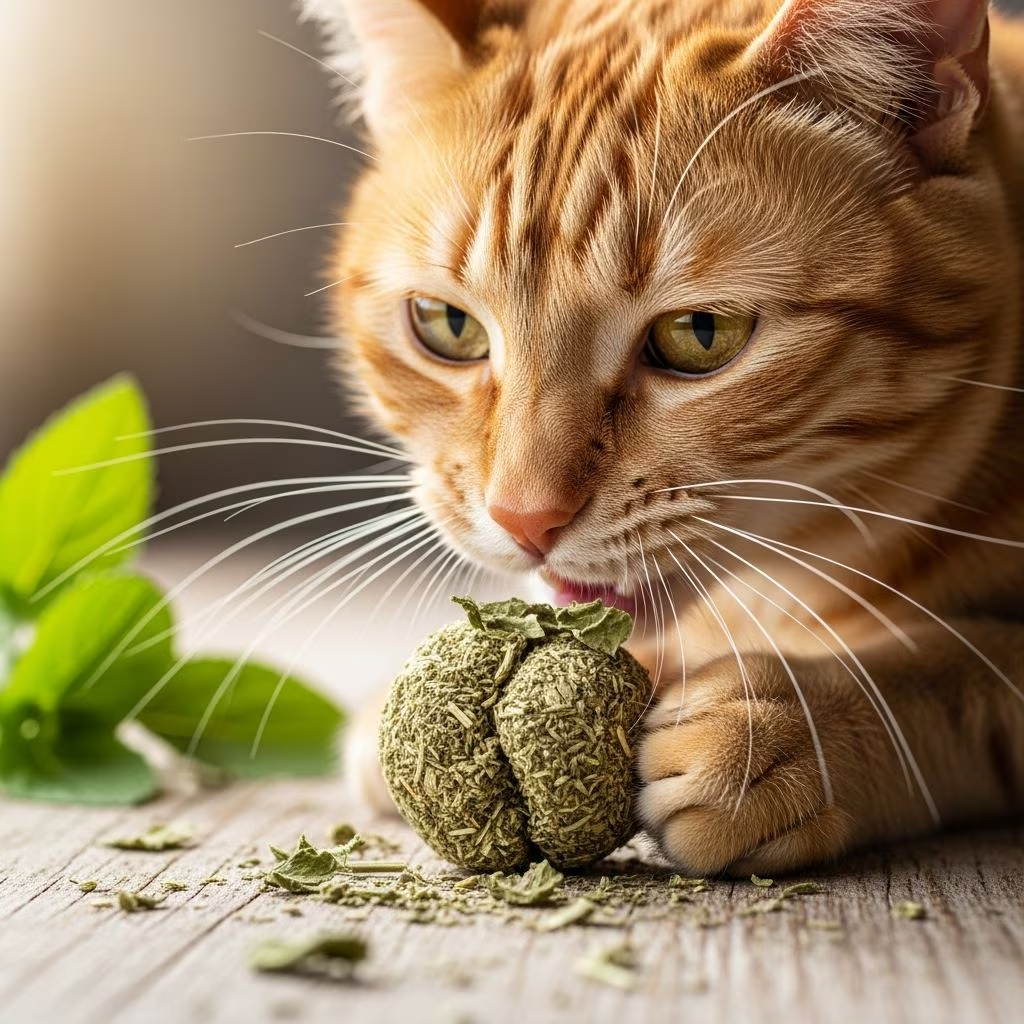
What Is Catnip: Insight Into Your Cat’s Favorite Treat
If you’ve ever watched your cat go absolutely wild around a small pouch of dried herb, you’ve likely witnessed the magic of catnip. This fascinating plant has captivated cat owners for generations, creating some of the most entertaining and endearing moments between humans and their feline companions. But what exactly is catnip, and why do cats respond to it so dramatically? Understanding this remarkable herb can help you make better decisions about your cat’s enrichment and overall well-being.
Catnip, scientifically known as Nepeta cataria, is a perennial herbaceous plant from the mint family. Despite its common association with recreational use in cats, catnip is actually a legitimate herb that has been used in human medicine and tea for centuries. The plant contains various compounds, but the most important one responsible for cats’ reactions is nepetalactone, an essential oil found primarily in the leaves and stems of the catnip plant.
Understanding the Science Behind Catnip
The reason catnip produces such dramatic reactions in cats lies in the neurochemistry of feline brains. When a cat smells catnip, the nepetalactone compound interacts with receptors in the nasal tissue and travels to the brain via a specialized sensory pathway. This pathway leads to the vomeronasal gland, an extra scent organ located in the roof of a cat’s mouth that humans don’t possess. This unique anatomical feature allows cats to process certain scents in a way that creates profound behavioral and emotional responses.
Once nepetalactone reaches the brain, it stimulates areas responsible for emotion and behavior, particularly the hypothalamus and amygdala. The result is a cascade of reactions that make catnip one of the most entertaining substances for cat owners to observe. The effects can vary significantly from one cat to another, with some cats becoming hyperactive and playful, while others become calm and sedated.
Why Do Cats React to Catnip?
One of the most interesting theories about why cats love catnip relates to feline reproduction. Scientists believe that catnip mimics the pheromones produced by cats in heat, triggering behavioral responses similar to mating season. This explains why both male and female cats can respond to catnip, even though they’re not in a reproductive state. The herb essentially tricks a cat’s brain into experiencing what it perceives as a significant chemical signal.
However, it’s important to note that not all cats respond to catnip equally. Research suggests that approximately 50 to 60 percent of cats have a behavioral reaction to catnip. This sensitivity appears to be genetically determined, with cats either being naturally responsive or completely unresponsive to the herb. Interestingly, kittens under the age of six to eight weeks typically don’t respond to catnip, even if they’re genetically predisposed to do so. Similarly, older cats may become less responsive to catnip as they age.
The Different Effects of Catnip: Smelling vs. Eating
One of the most fascinating aspects of catnip is that its effects depend entirely on how your cat experiences it. The route of administration—whether your cat smells it or ingests it—dramatically changes the outcome.
When Cats Smell Catnip
When your cat sniffs catnip, the nepetalactone affects their nasal tissue receptors, sending signals directly to the brain’s emotion and behavior centers. The typical response includes rolling around, rubbing their head against the catnip source, vocalization (meowing and yowling), and intense playfulness. Some cats become hyperactive, darting across the room and flipping over, while others display more subtle signs of happiness like purring and slow blinks.
This reaction usually lasts between 5 to 15 minutes, though some sources suggest it can extend up to 30 minutes in certain cases. After this initial period, your cat becomes temporarily immune to the effects—a phenomenon known as tachyphylaxis. This immunity typically wears off after 2 to 4 hours, allowing your cat to respond to catnip again.
When Cats Eat Catnip
The effects of ingested catnip are remarkably different from smelling it. When cats eat catnip, they typically become calm and relaxed rather than hyperactive. This occurs because the digestive system processes nepetalactone differently than the olfactory system. Many cat owners find this particular property useful for anxious or stressed cats. Some cats will go from being energetic and playful to suddenly stopping, staring blankly, and appearing deeply relaxed within a very short timeframe.
Duration and Frequency of Catnip Effects
Understanding how long catnip effects last is crucial for using it appropriately with your feline companion. A typical catnip session lasts approximately 10 to 15 minutes, after which most cats become temporarily unresponsive to the herb. This refractory period typically lasts 1 to 4 hours, depending on the individual cat and the amount of catnip used.
Fresh catnip is considerably more potent than dried catnip, so your cat may become fatigued by its effects more quickly with the fresh variety. This is why it’s generally recommended to use dried catnip or fresh catnip more sparingly than you might initially think.
To maintain your cat’s responsiveness to catnip, experts recommend limiting catnip sessions to just a few times per week. Overexposure can lead to your cat becoming desensitized, requiring increasingly larger amounts to produce the same behavioral response. By using catnip strategically and infrequently, you can preserve its effectiveness as an enrichment tool throughout your cat’s life.
Health and Behavioral Benefits of Catnip
Beyond entertainment value, catnip offers several legitimate health and behavioral benefits for cats:
Mental Stimulation and Environmental Enrichment
Catnip provides valuable mental stimulation, particularly for indoor cats who don’t have access to outdoor exploration. Indoor cats benefit tremendously from environmental enrichment, and catnip toys and products can transform a mundane living space into an engaging environment. This mental stimulation helps prevent boredom and the behavioral problems that often accompany it.
Stress Relief and Anxiety Reduction
When ingested or used appropriately, catnip can have a calming effect on anxious or stressed cats. Veterinarians sometimes recommend catnip for cats experiencing separation anxiety or those facing stressful situations like vet visits or grooming appointments. The herb’s ability to promote relaxation makes it particularly valuable during transitions or changes in a cat’s environment.
Exercise Encouragement
The stimulating effect of catnip when smelled can motivate sedentary cats to engage in physical activity. For overweight or less active cats, catnip-infused toys can serve as an exercise tool, encouraging play sessions that help maintain healthy weight and cardiovascular fitness. The spontaneous bursts of activity triggered by catnip contribute to overall physical wellness and muscle tone.
Pain Management and Health Support
Catnip has been traditionally used for its potential therapeutic properties. Some veterinarians suggest that for cats with positive experiences with catnip, the herb may help reduce anxiety and even provide mild pain relief. Additionally, the catnip plant has historically been used for its antidiarrheal properties, suggesting potential digestive benefits when ingested appropriately.
Training and Behavioral Redirection
Catnip serves as an excellent training tool for introducing cats to new toys and objects. Applying catnip to new items makes them significantly more appealing to your cat, facilitating faster acceptance and interest. This technique also proves invaluable for redirecting destructive behaviors like inappropriate scratching. By placing catnip on scratching posts or pads, you can encourage your cat to use appropriate outlets for their scratching instincts instead of furniture.
Bonding and Social Interaction
Sharing playtime with catnip toys creates valuable bonding opportunities between you and your cat. These positive interactions strengthen your relationship and make your cat’s indoor environment more enriching and enjoyable. The shared experience of play creates positive associations and enhances your overall relationship.
Is Catnip Safe for Cats?
One of the most common questions cat owners ask is whether catnip is safe for their pets. The good news is that catnip is generally very safe for cats. Unlike some substances that carry serious health risks, catnip has been used with cats for generations without significant adverse effects.
While cats cannot truly overdose on catnip in the way they might with medications or toxic substances, excessive quantities can cause mild gastrointestinal issues. These may include vomiting, diarrhea, dizziness, or difficulty walking. Most cats naturally regulate their intake and instinctively know when they’ve had enough, but supervision during initial interactions remains advisable.
Recommended Usage Guidelines
Experts recommend using approximately 1 tablespoon of dried catnip at a time as a safe baseline amount. Since fresh catnip is considerably more potent than the dried form, you should use less of the fresh variety. Highly concentrated catnip oils should generally be avoided due to their extreme potency and potential to cause gastrointestinal upset.
To ensure your cat’s safety and continued responsiveness to catnip, follow these guidelines:
– Limit catnip sessions to a few times per week- Use about 1 tablespoon of dried catnip per session- Supervise your cat’s interaction with catnip, especially during initial exposure- Store dried catnip in an airtight container in the freezer to maintain potency and freshness- Avoid giving catnip to aggressive or particularly anxious cats, as individual reactions can vary- Consult your veterinarian about the appropriate amount for your specific cat
Catnip Alternatives for Non-Responsive Cats
If your cat is among the 40 to 50 percent that don’t respond to catnip, don’t worry. There are several alternative herbs that produce similar effects in feline companions. Silvervine and valerian are two plants with psychoactive properties comparable to catnip. Many cats that don’t respond to catnip will enthusiastically respond to one of these alternatives, providing similar enrichment and entertainment benefits.
Frequently Asked Questions
Q: Does catnip make cats “high” like humans experience with drugs?
A: Catnip doesn’t affect a cat’s brain in the same way drugs like marijuana affect humans. While catnip can produce feelings of euphoria and relaxation, cats remain fully aware of their surroundings and don’t experience the disorientation, impaired coordination, or other side effects associated with true intoxication. Catnip is not addictive and has no long-term effects on the brain.
Q: Can my kitten use catnip safely?
A: Most kittens under six to eight weeks of age don’t respond to catnip because their neurological systems haven’t fully matured. Once kittens reach 8 weeks or older, they can safely use catnip if they’re genetically responsive to it. Always supervise young cats with catnip to ensure appropriate use.
Q: How often can I give my cat catnip?
A: Experts recommend limiting catnip use to a few times per week. Frequent exposure can lead to desensitization, requiring increasingly larger amounts to produce the same effects. By spacing out catnip sessions, you maintain your cat’s responsiveness and preserve catnip’s effectiveness as an enrichment tool.
Q: What should I do if my cat shows signs of digestive upset after catnip?
A: If your cat experiences vomiting, diarrhea, or other digestive issues after catnip exposure, remove catnip from their environment and contact your veterinarian if symptoms persist. In most cases, mild gastrointestinal upset resolves quickly once catnip is removed.
Q: Why doesn’t my cat respond to catnip?
A: Approximately 40 to 50 percent of cats don’t respond to catnip due to genetic factors. If your cat is non-responsive, try silvervine or valerian, which produce similar effects in many cats. Additionally, very young kittens and some senior cats may not respond effectively to catnip.
Q: Is it safe for cats to eat catnip?
A: Yes, cats can safely eat catnip, and it may even provide digestive benefits due to its antidiarrheal properties. However, prevent your cat from ingesting large quantities, as this can cause mild digestive upset. Moderation is key when allowing your cat to consume catnip.
Conclusion
Catnip represents one of nature’s most remarkable interactions between plants and animals. This humble herb from the mint family has the power to transform your cat’s behavior, provide mental and physical enrichment, and even offer therapeutic benefits. Whether your cat becomes a playful acrobat or a blissful zen master when encountering catnip, the herb offers genuine value to feline health and happiness. By understanding how catnip works, respecting safe usage guidelines, and using it strategically throughout your cat’s life, you can harness its full potential as an enrichment tool. For cat owners seeking to enhance their pets’ lives and strengthen their bonds through interactive play, catnip remains an invaluable resource that continues to delight both cats and their devoted humans.
References
- A Complete Guide to Catnip: Benefits, Uses & How Cats React — Noble Veterinary Clinic. 2025. https://noblevetclinic.com/blog/catnip-guide
- What Is Catnip? | Humane World for Animals — Humane World. 2025. https://www.humaneworld.org/en/resources/catnip-benefits-uses-for-cats
- What Is Catnip and What Does It Do to Cats? — PetMD. Heather Hoffmann, DVM. 2025. https://www.petmd.com/cat/general-health/what-is-catnip
- Feline Fine: The Benefits of Catnip — Texas A&M School of Veterinary Medicine & Biomedical Sciences. 2025. https://vetmed.tamu.edu/news/pet-talk/feline-fine-the-benefits-of-catnip/
- Everything You Need to Know About Catnip — Small Door Veterinary. 2025. https://www.smalldoorvet.com/learning-center/medical/catnip
- Catnip: The herb that drives cats wild — Animal Humane Society. 2025. https://www.animalhumanesociety.org/resource/catnip-herb-drives-cats-wild



