
What Is Catnip and What Does It Do to Cats?
Discover how catnip affects your cat's behavior and learn safe usage guidelines for feline enjoyment.
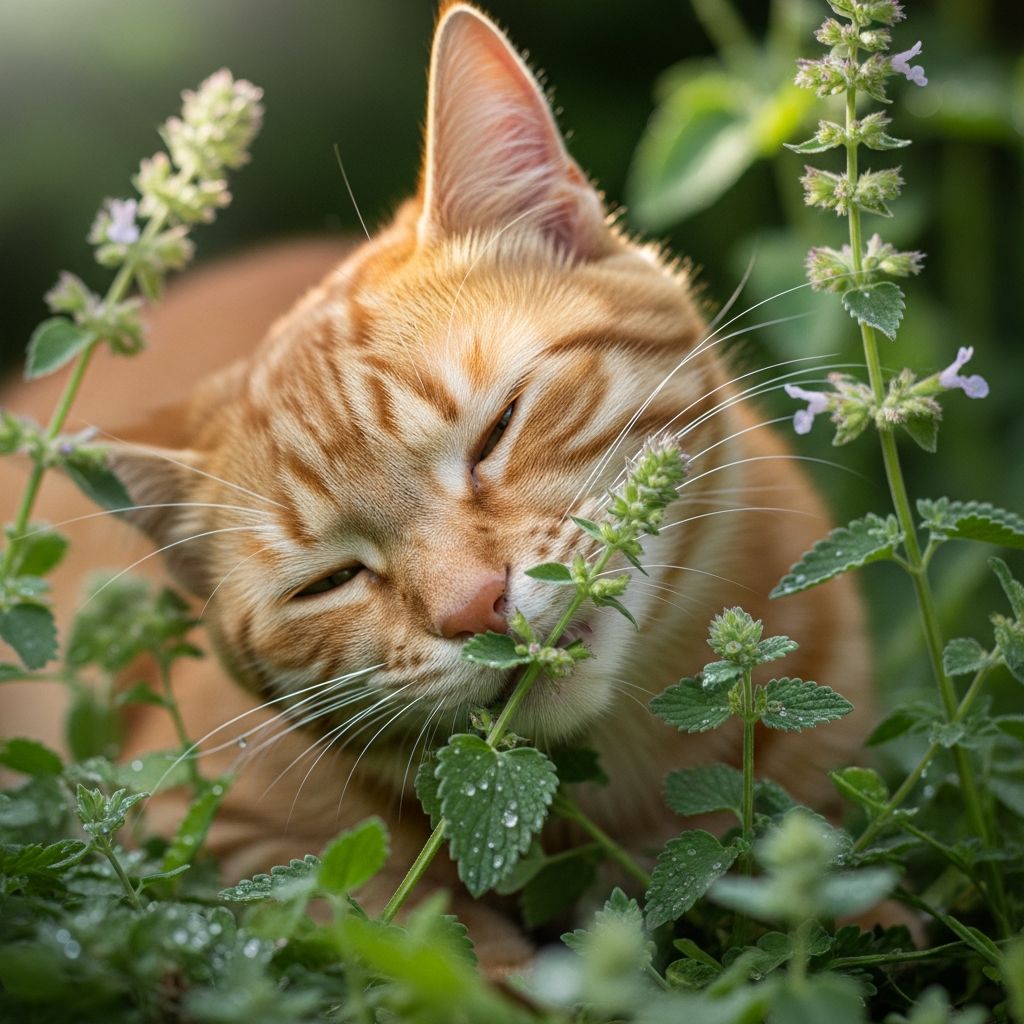
Understanding Catnip: The Basics
Catnip is an herb that has fascinated cat owners for generations, known for its remarkable ability to alter feline behavior in entertaining and sometimes surprising ways. This common garden plant contains a powerful compound that triggers distinct behavioral responses in cats, making it one of the most talked-about substances in the pet world. However, despite its popularity, many cat owners remain uncertain about what catnip actually is, how it works, and whether it’s truly safe for their feline companions.
The magic behind catnip lies in a specific chemical compound called nepetalactone, an oil found in the plant’s leaves and stems. When cats smell this herb, the nepetalactone interacts with special sensory receptors in their bodies, initiating a cascade of behavioral changes that can range from gentle relaxation to wild playfulness. Interestingly, not all cats respond to catnip in the same way, and not all cats respond at all—a fact that surprises many pet owners who assume their feline will automatically enjoy this herbal stimulant.
The Science Behind Catnip’s Effects
To understand how catnip affects cats, it’s essential to explore the unique sensory anatomy that makes felines particularly susceptible to this herb. Cats possess a specialized sensory organ called the vomeronasal gland, located in the roof of their mouth. This remarkable adaptation allows cats to process scents in a way that differs significantly from how humans experience smell. When a cat encounters catnip, the scent particles are collected through both the nose and mouth, creating a dual sensory pathway that amplifies the herb’s effects.
Recent research suggests that catnip works through the body’s internal opioid system. When nepetalactone enters a cat’s system through the vomeronasal gland, it interacts with certain cells in the upper airway, triggering the release of endorphins—the body’s natural opioids. These endorphins create pleasurable sensations that cats find rewarding and enjoyable. Interestingly, this mechanism may have evolutionary origins, as catnip’s effects appear to provide protection against disease-causing insects, rewarding cats with pleasant sensations while they protect themselves against parasites.
Why Do Cats Enjoy Catnip?
The primary reason cats are attracted to catnip relates to its chemical composition mimicking feline sex hormones. When exposed to catnip, cats often display behaviors similar to those exhibited by female cats in heat. This mimicry triggers instinctive responses that have been hardwired into feline biology over millennia. The plant essentially communicates with cats on a hormonal level, encouraging them to engage in specific behavioral patterns.
The behavioral responses cats display when experiencing catnip are as diverse as the cats themselves. Some cats exhibit overt signs of affection, relaxation, and contentment, appearing blissful and serene. These cats may purr loudly, rub their faces against the catnip source, and move slowly and deliberately. Other cats display the opposite response—they become hyperactive, playful, and energetic. These felines may pounce, roll around frantically, vocalize loudly, and display increased agility. A smaller subset of cats may even show signs of mild aggression, though this is typically playful rather than dangerous.
Behavioral Responses to Catnip
When cats encounter catnip, their behavioral responses can be quite theatrical and entertaining for observers. Common behaviors include:
- Rolling on their backs and writhing around
- Rubbing their faces and bodies against the catnip source
- Increased vocalization, including meowing, yowling, and growling
- Drooling or excessive salivation
- Dilated pupils and fixed staring
- Heightened playfulness and pouncing
- Relaxation and contentment in some cases
- Head bunting against toys or furniture
- Increased grooming and licking behaviors
These responses typically develop within seconds of exposure to catnip. The cat’s body begins responding to nepetalactone almost immediately upon sensing the herb, creating a rapid onset of behavioral changes that can be quite dramatic. Some cats exhibit a “sphinx-like posture,” sitting upright and calm, while others seem unable to contain their excitement.
Catnip Effectiveness Across Different Cats
One of the most interesting aspects of catnip is that it doesn’t affect all cats equally. Veterinary studies indicate that approximately 60% of cats will have a noticeable behavioral reaction to catnip. This means that roughly 40% of cats show little to no response to the herb, regardless of how much they’re exposed to it or how it’s presented to them. This variation in response is largely determined by genetics—cats either inherit the sensitivity to catnip or they don’t.
If your cat falls into the non-responsive category, don’t be discouraged. There are alternative plants that produce similar effects on felines. Silvervine and valerian are two such plants that contain compounds triggering comparable responses in cats. Many cats that don’t respond to catnip will enthusiastically engage with these alternatives, providing similar enrichment and entertainment benefits.
Duration and Refractory Periods
Understanding how long catnip’s effects last is crucial for responsible usage. Generally, the behavioral effects of catnip persist for approximately 10 minutes, though the exact duration varies from cat to cat. In some cases, effects may last up to 15 minutes, or even extend to about an hour in certain situations. After this period, the effects gradually wear off, and your cat returns to their normal behavior.
Interestingly, cats develop what’s called a “refractory period” after catnip exposure. During this time, typically lasting 30 minutes to 2 hours, cats become temporarily immune to catnip’s effects. No matter how much catnip you present during this period, your cat won’t respond. This refractory period then resets, allowing your cat to respond to catnip again. This natural tolerance mechanism prevents excessive exposure and maintains the herb’s effectiveness over time.
To maintain catnip’s potency, proper storage is essential. Catnip should be kept in an airtight container away from light and heat, which can degrade the active nepetalactone compound. Over time, catnip loses its effectiveness, so using fresh supplies ensures your cat continues to enjoy the full effects of this herbal enrichment.
How to Use Catnip Safely and Effectively
Catnip is available in several convenient forms, each with distinct advantages and applications. Understanding the different options helps you choose the best format for your cat’s needs and preferences.
Fresh Catnip: Growing your own catnip plant provides the most potent form of the herb. Fresh catnip contains the highest concentration of nepetalactone and can be used directly by allowing your cat to interact with the living plant or by harvesting leaves and sprinkling them on toys or furniture.
Dried Catnip: This is perhaps the most common form available in pet stores. Dried catnip retains the active compounds but at lower concentrations than fresh plants. You can sprinkle dried catnip on cat toys, scratching posts, or cat furniture to encourage interaction and play.
Catnip Sprays: Liquid catnip sprays offer an excellent alternative for cats with sensitive digestive systems. You can apply these sprays to your cat’s favorite toys, climbing trees, or scratching surfaces without risk of digestive upset from ingestion.
Catnip Bubbles: Some manufacturers produce catnip-infused bubbles that combine entertainment with the stimulating effects of the herb.
When using catnip, moderation is key. Use approximately one tablespoon of catnip at a time. Excessive amounts can lead to digestive issues and other health complications. Fresh catnip is more potent than dried varieties, so you’ll need to use smaller quantities. Additionally, highly concentrated catnip oils should be avoided due to their extreme potency.
Health Benefits and Therapeutic Uses
Beyond entertainment and enrichment, catnip can provide legitimate health benefits for cats. Some veterinarians recommend using catnip to help manage separation anxiety when cats will be home alone for extended periods. For cats with positive responses to the herb, it can effectively reduce anxiety levels and even provide pain relief. The endorphin release triggered by catnip creates a calming effect that can soothe stressed or anxious felines.
Additionally, cats can safely ingest catnip, and it may offer digestive benefits. The plant has traditionally been used for its antidiarrheal properties, supporting healthy digestion. However, as with any herbal remedy, excessive ingestion should be avoided to prevent digestive upset.
Safety Concerns and Overdose Information
Many cat owners worry whether catnip could be harmful to their feline companions. The good news is that cats cannot overdose on catnip in the traditional sense, as the herb is not toxic to felines. However, consuming excessive amounts can cause health problems including vomiting, diarrhea, dizziness, loss of balance, and difficulty walking.
To distinguish between catnip’s effects and actual intoxication, it’s important to understand what “being high” on catnip actually looks like compared to dangerous intoxication. While catnip can produce signs that may appear similar to being “high”—including euphoria, hyperactivity, and drooling—cats under its influence rarely exhibit the dangerous symptoms associated with true intoxication, such as severe disorientation, dilated pupils, or persistent vomiting. When properly dosed, catnip effects are temporary and harmless.
It’s also important to note that catnip doesn’t create addiction in cats. Despite the powerful behavioral effects, cats cannot become addicted to catnip, and repeated use doesn’t lead to dependency issues.
Catnip for Kittens and Young Cats
Many cat owners wonder whether it’s appropriate to introduce catnip to young kittens. The answer is that catnip is not harmful to kittens, but most young cats won’t respond to it. Sensitivity to catnip typically develops between 6 months and 1 year of age, though some cats may take longer to develop this sensitivity. Kittens younger than this age range will likely show no reaction to catnip, regardless of exposure. Even if a kitten inherits the genes necessary for catnip sensitivity, they won’t respond until they reach an appropriate developmental stage.
Frequently Asked Questions About Catnip
Does catnip make cats high?
While catnip can produce profound effects on cat behavior that may resemble being “high,” it’s not the same as human intoxication. Cats experience euphoria and intense happiness but typically don’t show the dangerous symptoms associated with true drug intoxication. The endorphin release creates pleasurable sensations rather than hallucinogenic or mind-altering effects.
Can kittens have catnip?
Catnip is not harmful to kittens, but they typically won’t respond to it until they’re between 6 months and 1 year old. Young kittens simply lack the genetic sensitivity to respond to nepetalactone.
Can cats eat catnip?
Yes, cats can safely eat catnip, and it may even offer digestive benefits thanks to its antidiarrheal properties. However, large quantities should be avoided to prevent digestive upset including vomiting and diarrhea.
How much catnip is too much?
One tablespoon of dried catnip is generally considered an appropriate single dose. Fresh catnip, being more potent, should be used in smaller quantities. If you’re unsure about the right amount for your specific cat, consult with your veterinarian.
What if my cat doesn’t respond to catnip?
If your cat shows no reaction to catnip, try silvervine or valerian instead. These plants produce similar effects on cats that are insensitive to catnip.
How long does the effect last?
Catnip effects typically last about 10 minutes, with a refractory period of 30 minutes to 2 hours before your cat can respond again.
References
- What Is Catnip and What Does It Do to Cats? — PetMD. 2024. https://www.petmd.com/cat/general-health/what-is-catnip
- Does Catnip Make Cats High? — PetMD. 2024. https://www.petmd.com/cat/general-health/does-catnip-make-cats-high
- Catnip — Britannica. 2024. https://www.britannica.com/plant/catnip
Similar Articles








Read full bio of Sneha Tete


