

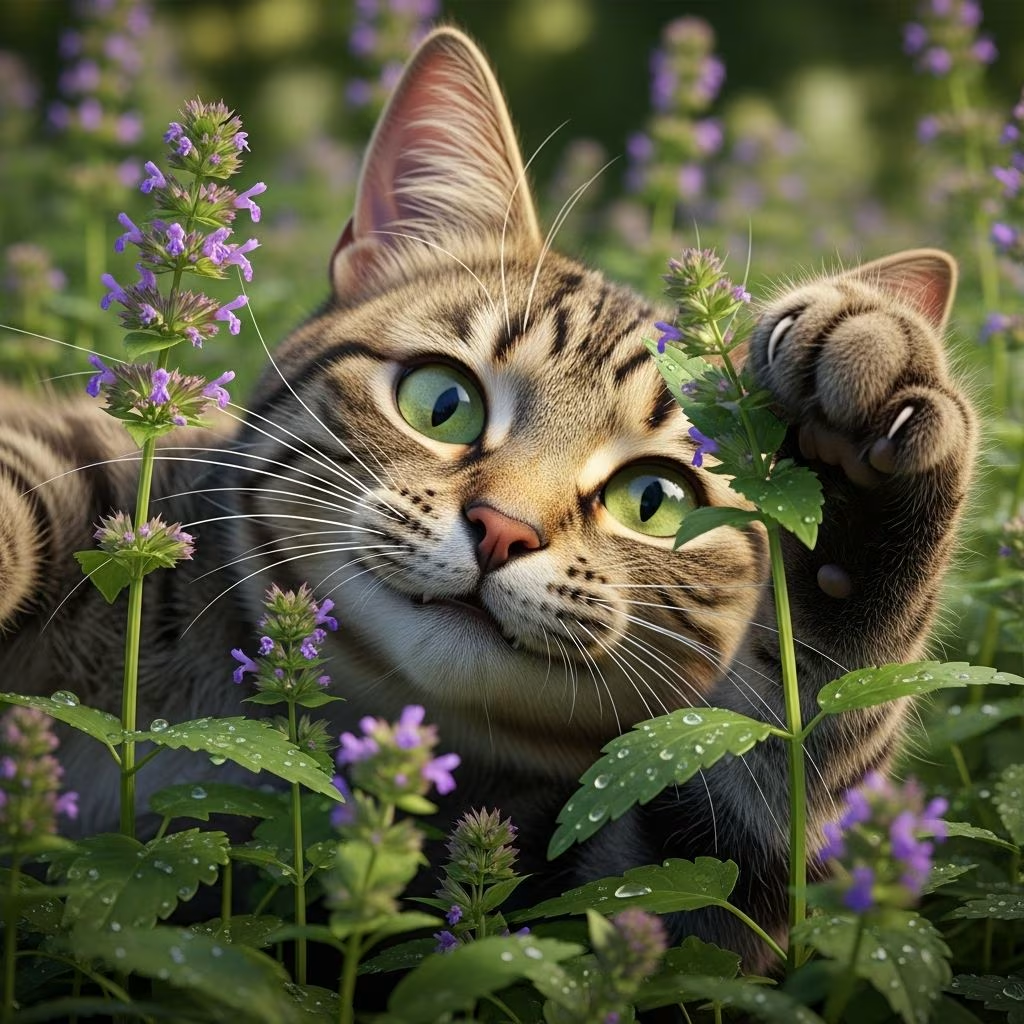
What Is Catnip?
Catnip is an herb from the mint family that has fascinated cat owners for generations. The plant, scientifically known as Nepeta cataria, contains a powerful compound called nepetalactone found in its leaves and stems. This natural oil triggers a unique response in cats that has made catnip one of the most popular feline enrichment tools available. Many cat owners are familiar with the entertaining spectacle of their cats reacting to catnip, but understanding what it actually is and how it works reveals a much more interesting story about feline biology and behavior.
The active compound in catnip works through a cat’s specialized sensory system. Cats possess a unique olfactory organ called the vomeronasal gland located in the roof of their mouth. This special pathway allows scents collected in the nose and mouth to be directly transmitted to the brain, creating a more potent effect than in other animals. When a cat encounters catnip, the nepetalactone enters through this sophisticated sensory system, triggering behavioral and emotional responses that can be both stimulating and calming depending on how the herb is used.
How Does Catnip Affect Cats?
The Science Behind Catnip’s Effects
When your cat sniffs catnip, the nepetalactone affects their nasal tissue receptors, sending signals directly to the brain’s behavior and emotion control centers—the hypothalamus and amygdala. This neurological cascade creates the characteristic catnip response that makes cats roll, flip around, rub their heads, vocalize loudly, and engage in energetic play. Interestingly, catnip mimics feline sex hormones, which explains why both male and female cats display behaviors similar to a female cat in heat, including signs of affection, relaxation, and heightened happiness.
Different Reactions Based on Consumption Method
The way your cat experiences catnip depends significantly on how they encounter it. When cats smell catnip through inhalation, they typically experience stimulation, hyperactivity, and playfulness. However, when catnip is ingested or eaten, it can have a completely opposite effect—providing a calming influence. This is why your cat might appear hyper and playful one moment after smelling catnip, then suddenly stop, stare blankly, and become extremely relaxed as the initial effects wear off and the ingested portions begin to take effect.
It’s important to understand that catnip does not affect all cats uniformly. Veterinary studies indicate that approximately 60% of cats will have a behavioral reaction to catnip. This variability is largely genetic—kittens under eight weeks old typically don’t respond to catnip, and some cats never develop sensitivity to it regardless of age. If your cat doesn’t respond to catnip, alternative herbs like silvervine or valerian can provide similar effects.
How Long Do Catnip Effects Last?
The duration of catnip’s effects is relatively short, typically lasting between 10 to 15 minutes. Some studies suggest the effects can extend up to 30 minutes depending on the cat and the potency of the catnip used. After this initial window, your cat will become temporarily immune to the herb’s effects—a phenomenon called desensitization. It usually takes several hours, typically between 2 to 4 hours, before your cat regains sensitivity to catnip. This temporary immunity is one reason why giving catnip sparingly is recommended; frequent use can diminish its effectiveness over time.
Health Benefits of Catnip for Cats
Mental Stimulation
One of the most significant benefits of catnip is its ability to provide mental enrichment. Cats naturally love exploring different textures and scents, and catnip satisfies this intrinsic curiosity. For indoor cats who don’t have access to outdoor stimuli, catnip becomes particularly valuable in keeping their environment interesting and engaging. Regular exposure to catnip can help prevent boredom-related behavioral issues and keep your cat’s mind sharp and active.
Stress Relief and Anxiety Reduction
Catnip possesses significant calming properties that make it useful for stressed or anxious cats. Many veterinarians recommend using catnip to help with separation anxiety when your cat will be alone for extended periods. It’s also beneficial during stressful situations like vet visits or grooming appointments. For cats with positive experiences using catnip, the herb can help reduce anxiety and even provide pain relief, making it a natural tool for feline wellness.
Exercise Encouragement
Catnip serves as an excellent natural motivator for exercise and play. By stimulating a cat’s senses and natural behaviors, catnip encourages even sedentary cats to get up and engage in physical activity. These spontaneous bursts of activity are particularly valuable for indoor cats and those prone to weight gain, as regular catnip-induced play sessions help maintain a healthy weight and overall physical fitness.
Training and Behavior Modification
Catnip is an effective tool for introducing cats to new toys and objects. Simply apply some catnip to new items, and your cat will be more inclined to interact with them positively. This property also makes catnip invaluable for redirecting destructive behaviors such as furniture scratching. By placing catnip near appropriate scratching posts or toys, you can guide your cat’s behavior in positive directions while simultaneously providing enrichment.
Bonding and Socialization
Sharing playtime with catnip toys creates enjoyable bonding moments between you and your cat. These interactive experiences make your cat’s life more interesting and entertaining, while simultaneously strengthening your relationship. The shared joy of catnip play sessions contributes to a healthier, happier household dynamic and improves overall socialization for your feline companion.
Safety and Proper Usage Guidelines
Catnip Dosage Recommendations
While catnip is generally safe for cats, moderation is important. The recommended amount is just one tablespoon of catnip at a time. Fresh catnip is significantly more potent than dried forms, so you won’t need to give your cat as much fresh catnip compared to dried varieties. Highly concentrated catnip oils should be avoided due to their extreme potency and potential for causing adverse reactions.
Can Cats Overdose on Catnip?
Cats cannot technically overdose on catnip in the fatal sense, but excessive amounts can cause health problems including vomiting, diarrhea, dizziness, and difficulty walking. If your cat experiences these symptoms, remove catnip from their environment immediately and monitor them. If symptoms persist or worsen, consult your veterinarian. For guidance on the appropriate amount for your specific cat, discuss proper dosage with your veterinary professional.
Catnip and Digestion
Yes, cats can safely eat catnip, and it may even provide benefits for their digestive tract. The catnip plant has historically been used to support digestive health and has natural antidiarrheal properties. However, it’s crucial to prevent your cat from ingesting large quantities, as this can cause digestive upset. When using catnip products, monitor your cat to ensure they’re enjoying it appropriately rather than consuming excessive amounts.
Catnip Is Not Like Recreational Drugs
A common misconception is that catnip makes cats “high” in the same way that marijuana or cocaine affects humans. While catnip can produce a profound effect on a cat’s behavior that might resemble euphoria or extreme happiness, scientific studies demonstrate that catnip does not affect the feline brain in the same manner as recreational drugs. Cats under the influence of catnip remain completely aware of their surroundings; they’re simply much “happier” and more playful. Catnip has no long-term effects on the brain, is not addictive, and is considered very safe for regular use.
Frequently Asked Questions
Q: Why does catnip make cats act so wild?
A: Catnip contains nepetalactone, which triggers signals in your cat’s brain through their specialized vomeronasal gland. This chemical mimics feline sex hormones and activates the brain regions controlling behavior and emotion, causing the characteristic rolling, flipping, and playful behaviors.
Q: Do all cats respond to catnip?
A: No, approximately 60% of cats have a behavioral reaction to catnip. Response is largely genetic, and kittens under eight weeks old typically don’t respond. If your cat doesn’t react to catnip, try silvervine or valerian as alternatives.
Q: How often can I give my cat catnip?
A: You can offer catnip several times per week, but it’s best to space out sessions to prevent your cat from becoming desensitized. After each exposure, wait a few hours before offering catnip again.
Q: Is catnip safe for kittens?
A: Catnip is generally safe, but kittens under eight weeks old typically don’t respond to it. You can introduce catnip to older kittens once they reach 3 months of age, but always start with small amounts.
Q: Can I use catnip to help my anxious cat?
A: Yes, catnip’s calming properties can help reduce anxiety in many cats, particularly during stressful situations like vet visits or when your cat will be alone. However, individual responses vary, so consult your veterinarian for personalized recommendations.
Q: What should I do if my cat has an adverse reaction to catnip?
A: If your cat experiences vomiting, diarrhea, dizziness, or difficulty walking after catnip exposure, remove the catnip immediately and monitor their symptoms. Contact your veterinarian if symptoms persist or worsen.
Q: Are there different forms of catnip, and which is best?
A: Catnip comes in dried, fresh, and oil forms. Fresh catnip is more potent than dried, so you’ll need smaller amounts. Avoid highly concentrated oils. The best form depends on your cat’s preference and your intended use—dried works well for toys, while fresh catnip can provide more immediate responses.
References
- What Is Catnip and What Does It Do to Cats? — PetMD (Heather Hoffmann, DVM). 2024. https://www.petmd.com/cat/general-health/what-is-catnip
- Feline Fine: The Benefits of Catnip — Texas A&M School of Veterinary Medicine & Biomedical Sciences. 2024. https://vetmed.tamu.edu/news/pet-talk/feline-fine-the-benefits-of-catnip/
- A Complete Guide to Catnip: Benefits, Uses & How Cats React — Noble Vet Clinic. 2024. https://noblevetclinic.com/blog/catnip-guide
- Everything You Need to Know About Catnip — Small Door Veterinary. 2024. https://www.smalldoorvet.com/learning-center/medical/catnip
- Catnip: The herb that drives cats wild — Animal Humane Society. 2024. https://www.animalhumanesociety.org/resource/catnip-herb-drives-cats-wild



