

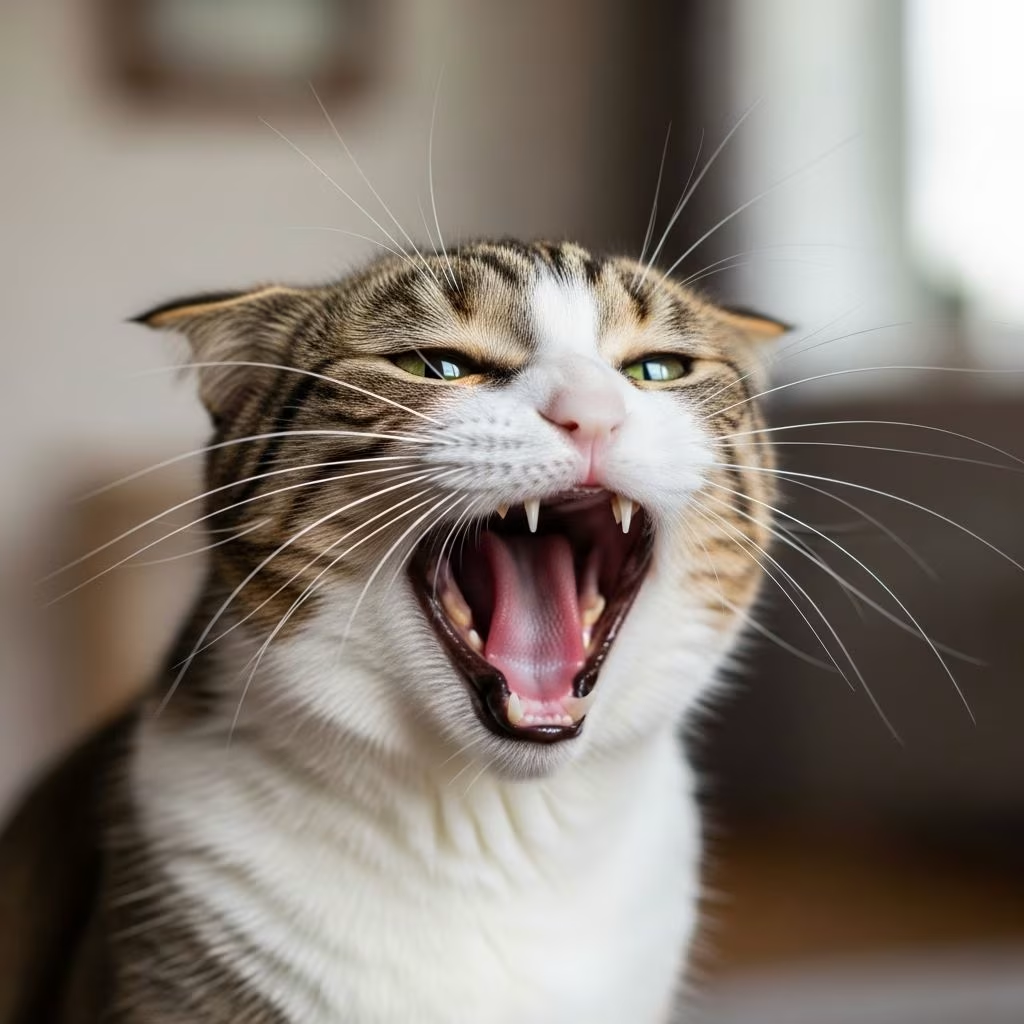
Caterwauling refers to the loud, prolonged, and often distressing yowling or howling sounds that cats produce, distinct from their typical short meows. This vocalization serves as a cat’s intense way to communicate urgent needs, emotions, or discomfort, frequently occurring at night and disrupting households.
What Does Caterwauling Sound Like?
Caterwauling is characterized by deep, drawn-out cries that can range from mournful wails to aggressive screams, far more intense than standard meowing. It often sounds like a baby crying or a siren, designed to grab immediate attention. Cats may repeat these calls persistently, especially in the quiet of night, making it particularly noticeable to owners.
Unlike playful chirps or contented purrs, caterwauling carries a tone of urgency or distress. Intact females in heat produce a rhythmic, seductive yowl to attract mates, while territorial disputes elicit sharp, defensive howls. Recording the sound and consulting a vet can help differentiate it from normal vocalizations.
Why Do Cats Caterwaul? 7 Common Causes
Cats caterwaul for various reasons spanning behavioral, reproductive, environmental, and medical factors. Identifying the trigger is key to resolution. Here are the seven primary causes:
- Attention-Seeking: Cats quickly learn that loud yowling prompts a response like food, pets, or play. This reinforced behavior escalates if owners react positively.
- Heat Cycles (Estrus): Unspayed females emit loud calls to summon males, while unneutered males respond to nearby females. This peaks every 2-3 weeks during breeding season.
- Territorial Threats: Spotting stray cats outside triggers defensive caterwauling to ward off intruders from perceived territory.
- Stress or Anxiety: Changes like moves, new pets, or visitors cause insecurity, leading to vocal protests when alone or separated.
- Boredom or Lack of Stimulation: Understimulated cats, especially indoors, yowl from pent-up energy, often at night when natural activity peaks.
- Pain or Injury: Hidden discomfort from injuries, arthritis, dental issues, or infections prompts insistent cries. Accompanied by limping or appetite changes.
- Medical Conditions: Hyperthyroidism, kidney disease, cognitive dysfunction, or sensory loss in seniors cause disorientation and vocalization.
Attention-Seeking Caterwauling
Many cats caterwaul simply to demand interaction. Siamese and other vocal breeds are prone. If feeding or petting follows, the behavior strengthens. Prevent by scheduling play and ignoring demands.
Reproductive Caterwauling (Mating Calls)
Intact cats yowl loudly during estrus—females every 15-21 days, males upon detecting pheromones. This not only annoys but risks fights and unwanted litters. Spaying/neutering eliminates 90% of cases.
Territorial Caterwauling
Window-watching strays provoke territorial yowls. Closing blinds or harness walks reduce triggers. Pheromone diffusers calm defenses.
Stress-Induced Caterwauling
Anxiety from separations or changes leads to clingy vocalization. Provide safe spaces, consistent routines, and enrichment toys.
Boredom and Nocturnal Caterwauling
Nighttime yowling stems from crepuscular instincts unmet by daytime inactivity. Evening play sessions tire them out.
Pain-Related Caterwauling
Cats mask pain, but yowling signals acute issues like UTIs or trauma. Look for hiding, aggression, or litter avoidance; vet visit essential.
Age-Related and Medical Caterwauling
Senior cats (9+ years) suffer cognitive dysfunction syndrome (CDS), akin to dementia, causing nighttime confusion. Hyperthyroidism boosts metabolism, leading to restless vocalizing. Hypertension or tumors also contribute. Annual senior exams catch these early.
How to Stop Cat Caterwauling: 10 Vet-Approved Tips
Addressing the root cause is crucial. Here’s a step-by-step guide:
- Spay or Neuter: Eliminates mating yowls and reduces roaming.
- Ignore Attention-Seeks: No response during episodes; reward quiet behavior.
- Enrich Environment: Puzzle feeders, cat trees, and window perches combat boredom.
- Evening Play Routine: 15-20 minutes before bed exhausts energy.
- Block Views: Curtains prevent territorial triggers.
- Use Pheromones: Feliway diffusers soothe stress.
- Vet Check-Up: Rule out health issues with bloodwork.
- Consistent Schedule: Fixed feeding/sleep times reduce anxiety.
- Senior Supplements: Omega-3s and antioxidants for CDS.
- Professional Help: Behaviorist for persistent cases.
When to See a Vet for Caterwauling
Consult a vet if yowling is sudden, persistent, or with symptoms like weight loss, lethargy, incontinence, or behavior changes. Early detection of hyperthyroidism or CDS improves outcomes. Blood panels and urinalysis pinpoint issues.
For seniors, baseline thyroid screening is recommended annually per AAHA guidelines.
Caterwauling vs. Meowing: Key Differences
| Aspect | Meowing | Caterwauling |
|---|---|---|
| Sound | Short, varied pitches | Loud, prolonged yowls |
| Purpose | Greeting, requests | Urgent distress, mating |
| Frequency | Occasional | Repetitive, nighttime |
| Triggers | Routine needs | Health, stress, heat |
This table highlights distinctions for quick assessment.
Frequently Asked Questions (FAQs)
Why is my cat caterwauling at night?
Nighttime caterwauling often ties to hunting instincts, CDS in seniors, or heat. Tire them out daytime and vet-check seniors.
Does spaying stop caterwauling?
Yes, for 95% of reproductive cases, often within days.
Is caterwauling always a health problem?
No, but sudden onset warrants a vet visit to exclude pain or illness.
How long does heat caterwauling last?
4-10 days per cycle, recurring without spaying.
Can diet affect vocalization?
Yes, hyperthyroidism links to iodine-rich foods; vet diets help.
References
- What Is Caterwauling & Why Do Cats Do It? — Healthy Paws Pet Insurance. 2023-05-15. https://www.healthypawspetinsurance.com/blog/cat-care/what-is-caterwauling-cats.html
- What Is Caterwauling and Why Do Cats Do It? — Cats.com. 2024-08-20. https://cats.com/caterwauling
- Why Is My Cat Meowing So Much? Exploring Excessive Vocalization in Cats — Bayview Pets (Veterinary source). 2024-11-10. https://bayviewpets.com/why-is-my-cat-meowing-so-much-exploring-excessive-vocalization-in-cats/
- Excessive Cat Meowing & Crying: Why It Happens & What to Do — Sploot Veterinary Care. 2024-07-22. https://www.splootvets.com/post/excessive-cat-meowing-crying-why-it-happens-what-to-do
- Meowing and Yowling — ASPCA. 2023-01-12. https://www.aspca.org/pet-care/cat-care/common-cat-behavior-issues/meowing-and-yowling



