

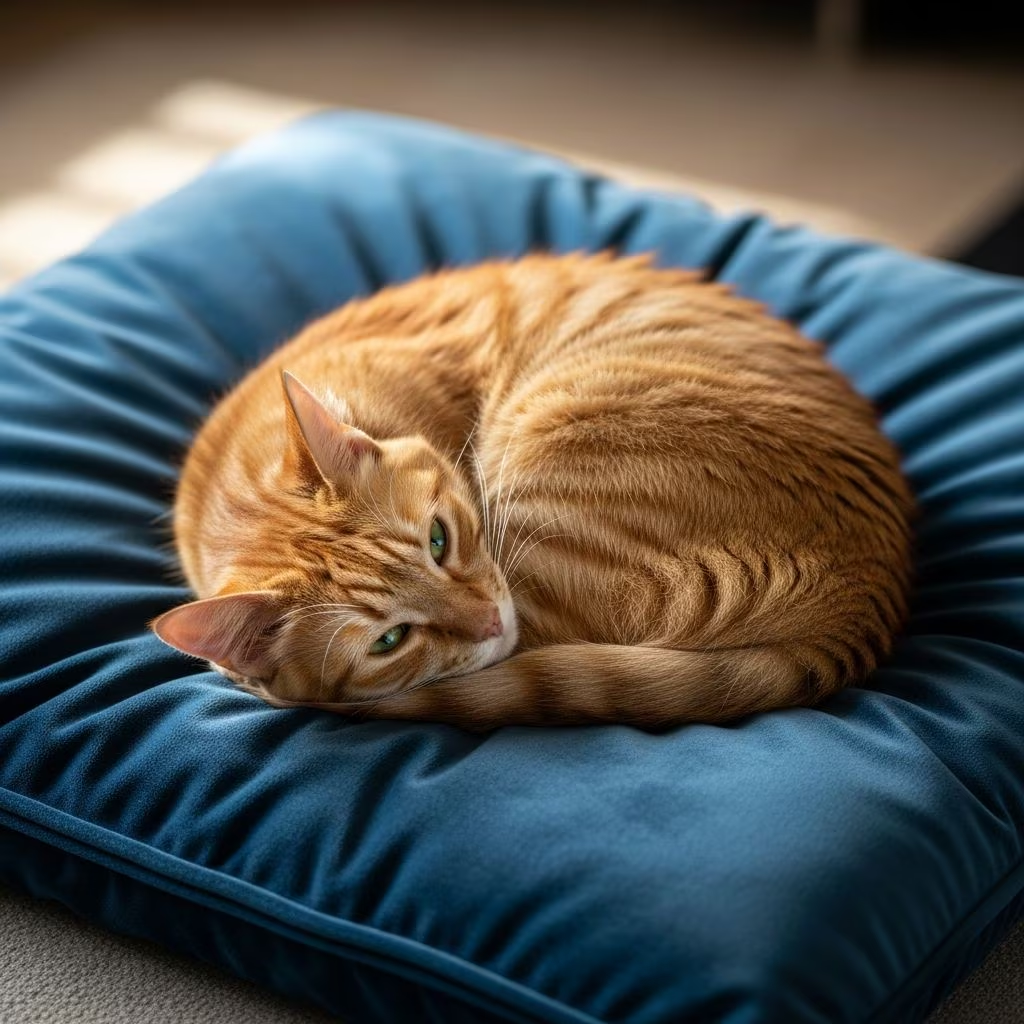
Cat shrimping refers to a charming sleeping or resting position where cats curl their bodies into a tight, shrimp-like shape, often with legs extended beyond the head or tucked neatly underneath. This pose has gained popularity on social media for its cuteness, but it reveals much about feline instincts, comfort, and health.
Examples of Cat Shrimping
Capturing cat shrimping in action showcases its variety. One classic example features a white and orange tabby cat with its head tucked toward the knees, legs stretched past the head, forming a near-perfect shrimp replica on a cozy bed.
- A black cat on adorable bedding demonstrates the pose with extended legs, tucked head, and no visible eyes, emphasizing pure relaxation.
- Another kitty uses the back of a couch for support, curling front legs while extending others, exemplifying ‘shrimping at its best’.
- Social media posts, like one from Twitter user Misty (@mistythemoggie), show a cat shrimping in a playful context with extended arms, still capturing the essence despite slight variations.
- Even in confined spaces like boxes, cats adopt this pose, their longer fur slightly obscuring but not detracting from the curled form.
These images highlight how shrimping adapts to environments, always prioritizing comfort.
Why Do Cats Shrimp?
Cats shrimp for practical reasons rooted in biology and instinct. Primarily, it aids **temperature regulation** by minimizing exposed surface area, trapping body heat effectively—crucial for cats whose ideal temperature is around 100-102.5°F.
Additionally, this position protects vital organs like the belly, a vulnerable area from wild ancestors needing defense against predators. It signals **comfort and security**, as cats only expose such positions in safe spaces.
Energy conservation plays a role too; curling up promotes deeper sleep cycles, including non-rapid eye movement (NREM) stages for repair and immune boosting. Feline behaviorists note it may also fit cats into small hiding spots, enhancing security.
The Science Behind Cat Shrimping
Scientifically, shrimping optimizes feline physiology. Cats sleep 12-16 hours daily, cycling through light sleep, deep NREM, and REM phases where dreaming occurs with twitching. The shrimp pose facilitates quicker entry into deep NREM by maintaining warmth, shortening sleep onset.
Evolutionarily, it’s a holdover from wild felines curling to guard against threats while resting. Research on mammals shows curling reduces heat loss, aiding restorative sleep where body temperature drops, heart rate slows, and muscles relax.
This position requires flexibility, indicating good joint health and muscle tone. In cooler environments, it’s prevalent, but relaxed cats shrimp year-round in trusted homes.
Cat Shrimping and Comfort Levels
Frequent shrimping signifies your cat’s **complete relaxation** and trust. It means they feel physically comfortable, with optimal temperature and no environmental stress.
- **Safe environment**: Cats avoid vulnerable poses if anxious.
- **Physical ease**: No pain in joints or muscles allows tight curling.
- **Contentment**: Often seen post-play or in favorite spots.
Observe context: shrimping on your lap or bed shows bonding and security.
Health Implications of Cat Shrimping
Generally positive, shrimping reflects **good health**. It demands spinal flexibility and indicates no arthritis or injury hindering the curl.
However, monitor changes. Sudden cessation with limping, whining, or stiffness may signal issues like joint problems, injury, or illness—prompt a vet visit.
| Sleeping Position | Meaning | Health Indicator |
|---|---|---|
| Shrimping (Curled) | Relaxation, warmth | Good flexibility, comfort |
| Stretched Out | High confidence | Very secure environment |
| Belly Up | Trust | No pain, ultimate safety |
| Tense/Guarded | Anxiety or pain | Potential health concern |
This table compares shrimping to other positions for context.
When to Worry About Changes
Benign in moderation, persistent avoidance of shrimping alongside other signs warrants attention. Look for:
- Difficulty curling or rising.
- Lethargy, appetite loss.
- Vocalizing during movement.
Newly adopted or anxious cats may shrimp more initially. Puppies or kittens do it frequently while adjusting. Consult vets for personalized advice, as positions vary by age, breed, and health.
Enhancing Your Cat’s Shrimping Experience
Encourage healthy shrimping with cozy setups:
- Provide soft beds, blankets, or heated mats in quiet areas.
- Maintain 68-77°F home temperature.
- Offer hiding spots like boxes or tunnels.
- Ensure regular exercise for flexibility.
These promote natural behaviors, deepening your bond.
Frequently Asked Questions (FAQs)
What does cat shrimping mean for comfort and health?
Cat shrimping indicates safety, comfort, and good health, requiring flexibility for quality rest.
Why do cats curl into the shrimp position?
To conserve heat, protect organs, and feel secure—instincts from wild roots.
How does shrimping regulate temperature?
It minimizes exposed area, retaining heat efficiently, especially in cool settings.
Is shrimping a safety sign?
Yes, it’s adopted only in trusted environments.
When to worry if shrimping stops?
If with pain signs or mobility issues, see a vet for potential joint or illness problems.
Do all cats shrimp?
Most do when relaxed, but preferences vary by personality and conditions.
Is shrimping only for sleeping?
Primarily, but also lounging when content.
A Recap
Cat shrimping is a normal, endearing pose for rest, signaling relaxation, heat conservation, and security. Share photos, monitor health changes, and provide ideal conditions for your feline friend.
References
- 20 Cat Sleeping Positions and What They Mean — PetMD. 2023-10-15. https://www.petmd.com/cat/general-health/cat-sleeping-positions-and-what-they-mean
- What Is Cat Shrimping? Explanation With Pictures — Catster. 2023-01-20. https://www.catster.com/cat-behavior/what-is-cat-shrimping/
- What Is ‘Shrimping’ and Why Do Cats and Dogs Do It? — Kinship. 2024-05-10. https://www.kinship.com/uk/pet-behaviour/what-is-shrimping
- Understanding Cat Shrimping Position — PetsCare. 2024-02-28. https://www.petscare.com/news/post/understanding-cat-shrimping-position
- 25+ Common Cat Sleeping Positions Guide: What They Mean? — Katris Cat. 2023-11-05. https://katriscat.com/blog/cat-sleeping-patterns-positions/



