

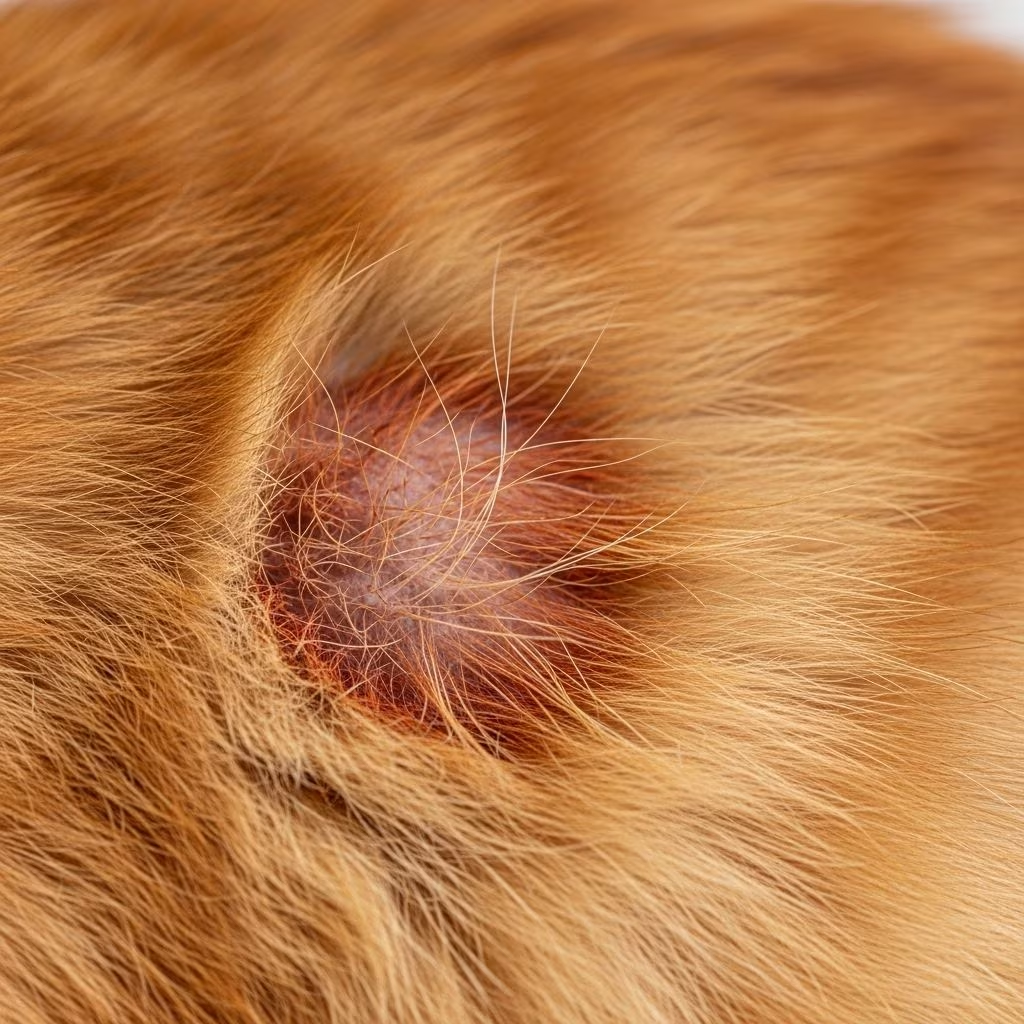
Black cats often develop a reddish-brown tint on their fur, especially visible in sunlight, known as **cat rust**. This phenomenon affects the black pigment eumelanin, turning it rusty without harming the cat’s health in most cases.
Cat owners frequently notice this during sunny naps, mistaking it for bleaching or aging. Understanding cat rust helps distinguish harmless changes from potential health issues, ensuring timely veterinary care when needed.
What Is Cat Rust?
**Cat rust** refers to the reddish-brown discoloration appearing on black cats’ coats, resembling rust on metal. It primarily affects cats with dark fur, becoming prominent under direct sunlight.
This color shift occurs because the black pigment, eumelanin, degrades, revealing underlying reddish tones. Not all dark cats experience it equally; lighter black or dark gray coats may show hidden patterns that mimic rust in certain lights.
While alarming at first, cat rust is usually benign, linked to environmental or dietary factors rather than disease. However, monitoring for accompanying symptoms is crucial for your cat’s well-being.
What Causes Cat Rust?
Two primary causes explain cat rust: sun exposure and tyrosine deficiency. Each impacts eumelanin production or stability differently.
Sun Exposure
The most common trigger is **sun exposure**. Eumelanin, the pigment for black fur, is fragile and breaks down under ultraviolet (UV) rays, resulting in a rust color.
Cats lounging in sunbeams accelerate this process. Prolonged exposure doesn’t just cause rusting; it raises risks for skin issues like squamous cell carcinoma, a serious cancer in light-colored or thinly coated areas.
To illustrate the impact:
- Indoor cats with limited sun access rarely show rust.
- Outdoor or window-perched cats develop it faster.
- Dark-furred cats are prone due to high eumelanin concentration.
Prevention involves limiting direct sunlight, using UV-blocking window films, or providing shaded resting spots. Regular grooming removes faded fur, promoting healthier regrowth.
Tyrosine Deficiency
A rarer cause is **tyrosine deficiency**, vital for eumelanin synthesis. Cats derive tyrosine from dietary phenylalanine, but deficiencies in both impair pigment production, causing reddish fur.
Individual needs vary, so diet quality matters. Poor-quality foods low in these amino acids can trigger changes. Unlike sun rust, nutritional rust may affect the whole coat evenly.
Do not supplement tyrosine without veterinary guidance, as excess can harm. A vet can assess diet via blood tests and recommend balanced commercial or prescription foods.
Symptoms of Tyrosine or Phenylalanine Deficiency
Beyond fur rusting, deficiencies present serious signs requiring immediate vet attention:
- **Rusting of black fur**: Reddish-brown hue, especially noticeable.
- **Abnormal, uncoordinated gait**: Stumbling or wobbling.
- **Tail bending forward**: Unusual posture.
- **Ptyalism (excessive saliva)**: Drooling.
- **Vocalizing excessively**: Unusual meowing or crying.
- **Hyperactivity**: Restlessness beyond normal play.
- **Weight loss (in kittens)**: Failure to thrive.
These symptoms indicate systemic issues, not just cosmetic changes. Early intervention prevents progression; vets may switch diets or test for absorption problems.
For comparison:
| Symptom | Sun Exposure Rust | Nutritional Deficiency |
|---|---|---|
| Fur Color Change | Patchy, sun-exposed areas | Uniform across coat |
| Other Signs | None typically | Gait issues, drooling, etc. |
| Treatment | Reduce sun | Diet adjustment, vet check |
Is Cat Rust Harmful?
Isolated cat rust from sun is harmless, merely aesthetic. It signals fur aging, with new growth potentially darker if exposure decreases.
However, combined with deficiency symptoms, it’s harmful. Nutritional shortfalls affect overall health, impacting nerves, muscles, and growth. Sun-related rust indirectly warns of cancer risks in sun-loving cats.
Monitor coat changes monthly, noting patterns. Photos in consistent lighting track progression objectively.
How to Prevent Cat Rust
Prevention strategies target causes effectively:
- Limit Sun Exposure: Use sheer curtains, catios, or indoor play to block UV.
- Quality Diet: Feed AAFCO-approved foods rich in protein, ensuring amino acids.
- Regular Vet Checkups: Annual exams catch deficiencies early.
- Grooming Routine: Brush weekly to remove damaged hairs, stimulate growth.
- Supplements Only Vet-Approved: Avoid over-the-counter tyrosine.
For outdoor cats, harness walks during shade hours. Indoor enrichment like puzzle feeders reduces sun-seeking naps.
When to See a Vet
Consult a vet if rust appears suddenly, spreads rapidly, or accompanies:
- Behavioral changes (lethargy, aggression).
- Appetite loss or vomiting.
- Neurological signs (tremors, seizures).
- Any deficiency symptoms listed.
Vets perform physical exams, bloodwork, and skin scrapes to rule out allergies, infections, or parasites mimicking rust. Biopsies confirm pigment issues if needed.
FAQs
Is cat rust the same as rustrela virus in cats?
No, cat rust is cosmetic fur discoloration from sun or diet, while rustrela virus (RusV) causes fatal staggering disease with gait issues and lesions.
Can all black cats get rust?
Yes, but sun-exposed cats are most prone. Genetics influence eumelanin fragility.
Does cat rust mean my cat is sick?
Usually not; it’s often benign. Accompanying symptoms warrant a vet visit.
How do I fix tyrosine deficiency?
Vet-recommended diet changes; no self-supplementing.
Is cat rust permanent?
No, reducing causes allows darker regrowth.
Conclusion
Cat rust is common in black cats from sun or tyrosine issues, rarely serious alone. Vigilance for symptoms ensures health; prevention via shade and nutrition keeps coats glossy.
References
- What Is Cat “Rust”? Causes & What to Look Out For (Vet-Verified Info) — Catster. 2023. https://www.catster.com/cat-health-care/what-is-cat-rust/
- New virus discovered in US that can kill pet cats and those in the wild — The Independent. 2024-02. https://www.the-independent.com/news/science/rustrela-virus-in-cats-symptoms-b2602182.html
- Staggering disease in a mountain lion (Puma concolor) associated with rustrela virus (Rubivirus strelense) — Emerging Infectious Diseases (CDC). 2024. https://wwwnc.cdc.gov/eid/article/30/2/23-1114_article



