

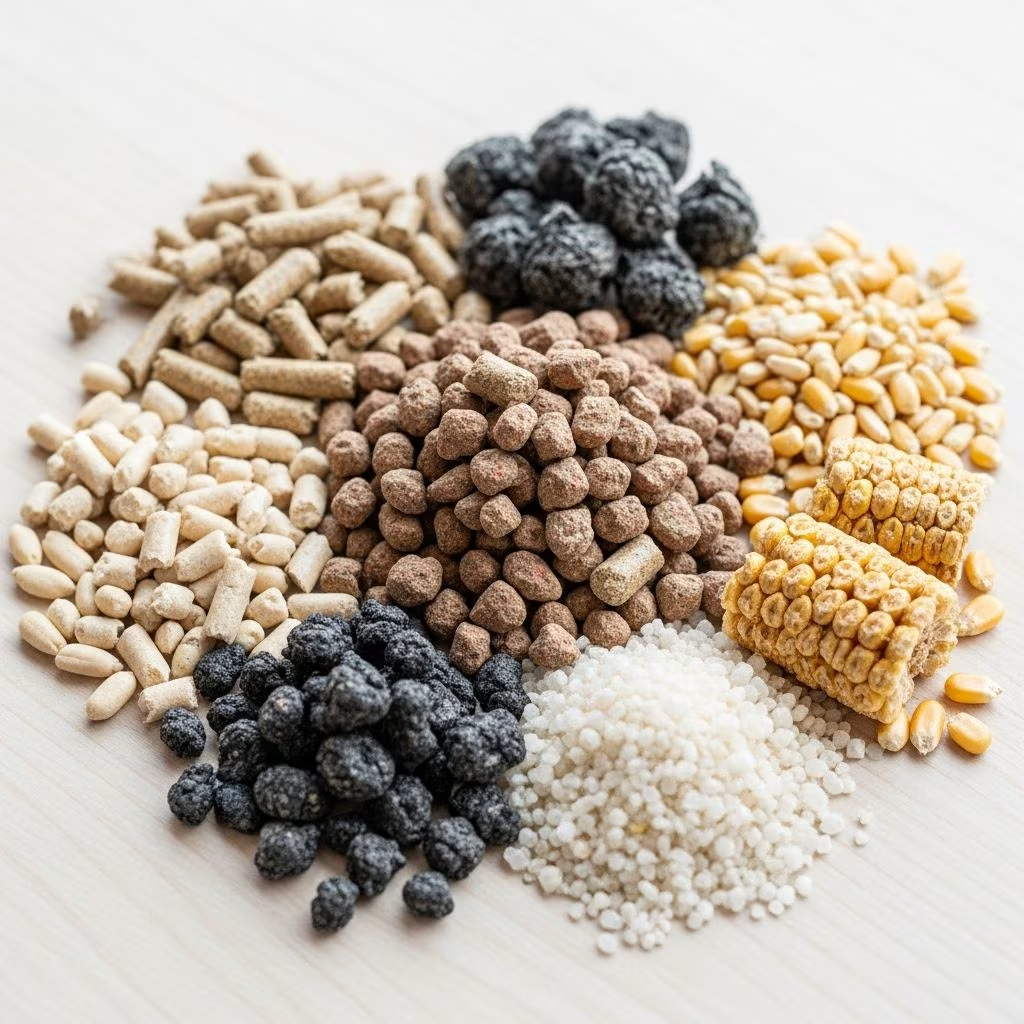
Cat litter is a staple for any cat owner, but have you ever wondered what it’s actually made from? The composition of cat litter varies widely, influencing everything from absorbency and odor control to environmental impact and your cat’s comfort. Traditional options like clay dominate the market, but innovative alternatives such as silica gel crystals and biodegradable plant-based materials offer diverse choices. Understanding these materials helps you select the ideal litter for your household, balancing factors like dust levels, clumping ability, tracking, and sustainability.
In this comprehensive guide, we’ll break down the primary types of cat litter, their raw materials, manufacturing processes, pros and cons, and tips for choosing the right one. Whether you’re a new cat parent or looking to switch litters, this information empowers informed decisions for happier cats and cleaner homes.
A Brief History of Cat Litter
Cat litter as we know it was invented in the 1940s by Edward Lowe, who suggested absorbent clay granules as a superior alternative to sandy dirt or sawdust. This innovation revolutionized pet care, making indoor litter boxes practical. Since then, the industry has evolved dramatically. Clumping clay litters emerged in the 1980s using sodium bentonite, prized for its moisture-swelling properties. The 1990s brought silica gel crystals for superior absorption, while the 2000s saw a surge in eco-friendly biodegradable options amid growing environmental awareness.
Today, the global cat litter market exceeds billions in value, with ongoing innovations like lightweight formulas, health-monitoring litters (e.g., color-changing indicators), and flushable varieties. Material choices reflect consumer demands for convenience, safety, and sustainability.
Types of Cat Litter and Their Materials
Cat litters fall into three main categories: clay-based, silica gel (crystal), and biodegradable/plant-based. Each uses distinct raw materials processed into absorbent granules or pellets. Here’s a detailed look:
Clay Cat Litter
The most common type, clay litter is mined from natural deposits, primarily **sodium bentonite** clay, a swelling mineral rich in montmorillonite. This clay expands up to 15 times its volume when wet, forming hard clumps for easy scooping.
There are two subtypes:
- Clumping Clay: Made from sodium bentonite, it forms solid urine clumps within seconds. Ideal for multi-cat homes due to excellent odor control. Processing involves mining, drying, grinding, and screening into uniform granules (1/8 to 1/4 inch). Additives like fragrances, baking soda, or antimicrobial agents enhance performance.
- Non-Clumping Clay: Uses calcium bentonite or other absorbent clays that soak up moisture without clumping. Cheaper and traditional, but requires full box changes more often. It’s dustier and heavier.
Clay litter absorbs up to 300% of its weight in liquid but is non-biodegradable and mining-intensive.
Silica Gel (Crystal) Cat Litter
Silica gel litter consists of **porous silica dioxide crystals** derived from quartz sand, oxygen, and water. These tiny beads feature microscopic pores that trap moisture and odors via adsorption, allowing liquid evaporation for reuse up to a month in single-cat boxes.
Manufacturing heats silica sand to fuse it into amorphous gel, then crushes it into translucent granules. It’s lightweight (half the weight of clay), low-dust, and low-tracking, making it suitable for apartments or cats with respiratory issues. However, it can feel hard under paws and isn’t ideal for multi-cat households.
Biodegradable and Plant-Based Cat Litters
Eco-conscious options use renewable materials, often certified compostable or flushable (check local plumbing codes). Common varieties include:
- Grain-Based (Corn, Wheat): Ground corn kernels or wheat byproducts form soft, lightweight clumps. Highly absorbent (up to 700% of weight), low-dust, and naturally odor-controlling. Processing: cleaning, grinding, extruding into pellets, and drying. Some are flushable but may attract pests in humid areas.
- Wood-Based (Pine, Cedar): Pine sawdust or shavings compressed into pellets that disintegrate into sawdust when wet. Natural pine oils deodorize effectively. Biodegradable and septic-safe in some cases.
- Paper-Based: Recycled newspapers pulped into absorbent pellets. Super soft, dust-free, and ideal post-surgery or for sensitive paws. Low odor control requires frequent changes.
- Other (Grass, Walnut, Pea, Citrus): Grass seeds, walnut shells, or pea fiber offer unique textures and absorbency. Pea litter, for example, clumps firmly and is three times more absorbent than clay.
Plant litters are lighter (easier to carry), produce less mess, and reduce landfill waste, but may cost more and mold if not stored dry.
How Cat Litter Is Made: Manufacturing Processes
Production varies by type but follows similar steps: sourcing, preparation, forming, and packaging.
| Litter Type | Raw Materials | Key Process Steps |
|---|---|---|
| Clay | Bentonite clay | Mining → Drying → Crushing → Screening → Additives → Bagging |
| Silica Gel | Quartz sand | Mining → Chemical fusion (O2 + H2O) → Grinding → Sieving |
| Plant-Based | Corn/wheat/wood/paper | Cleaning → Grinding/Pulping → Pelleting/Extruding → Drying → Packaging |
Quality control ensures granule uniformity, low dust (<1%), and safety (no harmful chemicals). Many brands test for heavy metals and pathogens.
Pros and Cons of Each Cat Litter Type
| Type | Pros | Cons |
|---|---|---|
| Clumping Clay | Superior clumping, odor control; affordable; widely available | Dusty; heavy; non-biodegradable; mining impact |
| Non-Clumping Clay | Budget-friendly; good absorption | No clumps; frequent full changes; dusty |
| Silica Gel | Long-lasting; low dust/track; lightweight | Expensive; hard texture; poor for solids/multi-cats |
| Plant-Based | Eco-friendly; lightweight; low dust; soft | Costlier; potential pests/mold; variable flushability |
How to Choose the Right Cat Litter
Selection depends on your cat’s preferences, health, household size, and values:
- Multi-cat homes: Clumping clay or high-capacity crystals.
- Senior/kitten/sensitive cats: Soft paper or grain-based.
- Allergy-prone: Low-dust silica or plant litters.
- Eco-focused: Biodegradable options; avoid clay.
- Budget: Non-clumping clay.
Transition gradually by mixing 25% new litter weekly. Observe acceptance (digging, using box) and monitor urine output/clumping. Consult vets for medical needs.
Health and Safety Considerations
Litters are formulated cat-safe, but risks exist: clay dust may irritate lungs; silica ingestion concerns (though rare); plant litters better if cats eat litter. Avoid scented varieties for asthma-prone cats. Recent studies emphasize low-dust formulas for respiratory health. Dispose responsibly—clay to trash, biodegradables to compost (sans feces).
Environmental Impact of Cat Litter
Clay mining strips land and uses strip-mining, contributing to habitat loss. Silica is energy-intensive. Plant-based litters shine: renewable, compostable, reducing 90% landfill volume vs. clay. Opt for sustainable brands to minimize footprint.
Frequently Asked Questions (FAQs)
What is the main ingredient in cat litter?
Most popular litters use **bentonite clay** for clumping. Alternatives include silica gel or plant materials like corn, wheat, pine, or paper.
Is cat litter environmentally friendly?
It depends: clay is not (mined, non-biodegradable); silica moderate; plant-based yes (renewable, compostable).
Can I flush cat litter?
Only labeled flushable plant litters (e.g., some corn/wheat/toilet-paper safe). Clay/silica clogs pipes.
Which litter is best for kittens?
Non-clumping, dust-free paper or fine-grain plant-based to avoid ingestion risks.
Does scented litter harm cats?
Possibly—irritates respiratory/skin. Unscented preferred.
How often should I change litter?
Scoop daily; full change weekly (clay) to monthly (silica single-cat).
References
- How is Cat Litter Made? — Powder & Bulk Solids. 2023. https://www.showes.com/blog/how-is-it-made-cat-litter/
- What Is Cat Litter Made Of? — Chewy. 2024-05-15. https://www.chewy.com/education/cat/health-and-wellness/what-is-cat-litter-made-of
- Different Types of Cat Litter — VCA Animal Hospitals. 2023. https://vcahospitals.com/pediatric/kitten/prep-supplies/different-types-of-cat-litter
- What is Cat Litter Made of? — PetMD. 2024-01-10. https://www.petmd.com/cat/care/evr_ct_what_is_in_cat_litter
- What is Cat Litter Made Of? Exploring the Surprising Ingredients — NextGen Pet. 2023-08-22. https://nextgenpet.com/what-is-cat-litter-made-of-exploring-the-surprising-ingredients/
- The Ultimate Guide To Different Types of Cat Litter — Tuft & Paw. 2024. https://www.tuftandpaw.com/blogs/cat-guides/the-ultimate-guide-to-different-types-of-cat-litter



