

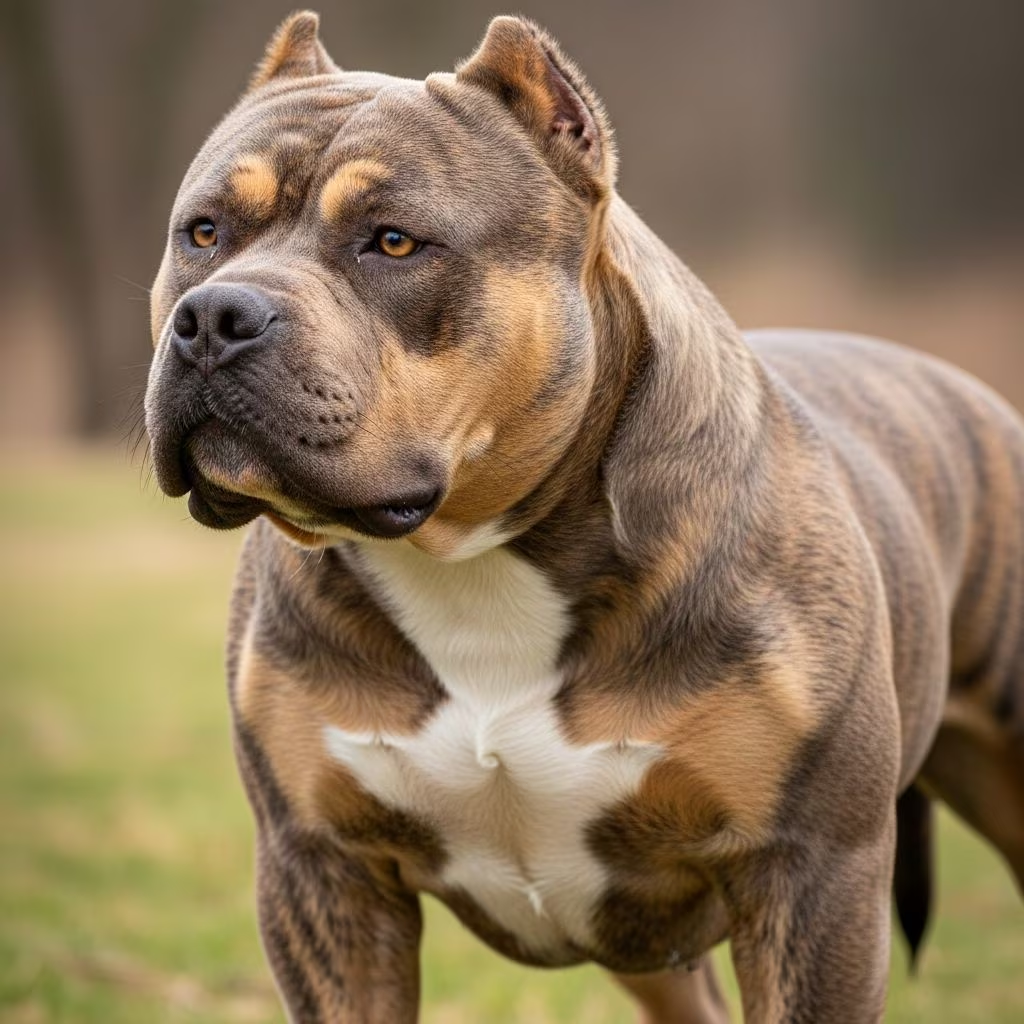
The **XL Bully** is the largest variant of the American Bully breed, renowned for its muscular physique, confident demeanor, and surprisingly gentle temperament when properly socialized and trained. Developed as a companion dog, it combines strength from American Pit Bull Terrier lineage with a friendly disposition, making it a loyal family pet despite its imposing size.
History and Origins of the XL Bully
The American Bully breed, including the XL type, emerged in the United States during the 1990s. Breeders aimed to create a dog with the athletic build of the American Pit Bull Terrier but with a more stable, people-friendly temperament. The XL Bully specifically represents the upper end of the size spectrum within the breed standards set by organizations like the United Kennel Club (UKC).
Crossbreeding involved American Pit Bull Terriers, American Bulldogs, and other bully-type breeds to emphasize companionship over working ability. By the early 2000s, the breed gained popularity for its ‘gentle giant’ qualities. However, misconceptions about aggression—often stemming from poor breeding or lack of training—led to legislative scrutiny, particularly in the UK.
The UKC recognizes four sizes: Pocket, Standard, Classic, and XL, with the XL distinguished by its height and weight. This structured development focused on producing confident, exuberant dogs suitable for family life rather than fighting or guarding.
Physical Characteristics and Breed Standards
XL Bullies boast a **compact, powerful build** that exudes strength without exaggeration. Males typically stand 20-23 inches at the withers and weigh 110-150 pounds, while females measure 19-22 inches and weigh 100-140 pounds. Their broad heads, prominent cheek muscles, and deep chests contribute to a square, muscular appearance.
- Head: Large, broad, and blocky with a flat skull, moderate stop, and tight lips. Viewed from the front or side, it appears square without wedge shape.
- Body: Close-coupled with a wide, deep chest, level topline, and short, strong loin. The build is thick-set, reflecting bully heritage.
- Coat: Short, smooth, and glossy in various colors including fawn, blue, chocolate tri, and tricolor variations.
- Tail: Straight or crank-shaped, carried level with the topline when moving, low when relaxed.
- Gait: Confident and jaunty trot with good reach, drive, and parallel movement. No interference or crossing of feet.
Disqualifying faults per UKC include viciousness, extreme shyness, overly massive structure, or dwarfism. These standards ensure health and functionality.
Temperament and Personality
Despite their formidable looks, **XL Bullies are affectionate, loyal, and eager to please**. They exhibit a calm, friendly demeanor, forming strong bonds with families. Proper socialization reveals their curiosity toward strangers rather than aggression.
Key traits include:
- Protective yet welcoming to known people.
- Highly tolerant of children and other pets when raised together.
- Confident and exuberant, thriving on human interaction.
Aggression toward humans is uncharacteristic and undesirable. Fear-based issues often arise from inadequate early socialization, not inherent breed traits. XL Bullies differ from other bullies by their gentle approach despite larger size.
XL Bully Size Categories Comparison
| Variant | Male Height | Female Height | Weight Range | Build Notes |
|---|---|---|---|---|
| 13-17 in | 13-16 in | 44-88 lb | Compact, less mass | |
| Standard | 17-20 in | 16-19 in | 66-88 lb | Balanced bully traits |
| Classic | 17-20 in | 16-19 in | Lighter frame | Less body mass than Standard |
| XL | 20-23 in | 19-22 in | 110-150 lb | Muscular, powerful |
This table highlights how XL Bullies stand out in size while sharing core temperament.
Training and Socialization Essentials
Early, positive socialization is critical for XL Bullies. Expose puppies to diverse environments, people, and dogs during formative periods to foster adaptability and reduce fear-based behaviors.
Training should be consistent, using reward-based methods to channel their confident nature. Their intelligence and desire for approval make them responsive, but their strength requires firm, experienced handling.
- Start socialization at 8-12 weeks.
- Use positive reinforcement for commands like recall and loose-leash walking.
- Enroll in puppy classes for structured exposure.
- Address any dominant tendencies early with professional guidance.
Without proper training, their power can lead to control issues, emphasizing the need for dedicated owners.
Exercise and Lifestyle Needs
XL Bullies need **daily vigorous exercise**—at least 60-90 minutes of walks, runs, or play—to maintain muscle tone and prevent boredom-induced behaviors. Mental stimulation via puzzle toys or training games is equally vital.
They adapt well to various homes but thrive with space for movement. Apartment living is possible with sufficient outings, though yards are ideal. Avoid overheating due to their brachycephalic-influenced build.
Health and Care Considerations
Common health issues include hip dysplasia, allergies, heart conditions, and obesity from overfeeding. Regular vet check-ups, balanced diet (high-protein for muscle maintenance), and weight monitoring are essential.
Grooming is minimal: weekly brushing and monthly baths suffice for their short coat. Dental care and nail trims prevent issues. Lifespan averages 10-13 years with proactive care.
Legal Status: The XL Bully Ban in the UK
In 2023, the UK classified the XL Bully as a banned breed under updated Dangerous Dogs Act legislation due to reported incidents involving strength-related injuries. Ownership requires exemptions, muzzling in public, and neutering.
Prospective owners must stay informed on breed-specific laws, as restrictions vary globally. Responsible breeding and training are key to countering stereotypes.
Frequently Asked Questions (FAQs)
Q: Are XL Bullies good family dogs?
A: Yes, when socialized early, they are affectionate with children and tolerant of other pets, making excellent companions.
Q: How much exercise does an XL Bully need?
A: 60-90 minutes daily of physical activity plus mental stimulation to keep them healthy and content.
Q: Is the XL Bully aggressive by nature?
A: No, aggression is uncharacteristic; issues often stem from poor socialization, not genetics.
Q: What is the difference between XL Bully and American Bully?
A: XL is the largest size variant of the American Bully breed, with specific height/weight standards.
Q: Can XL Bullies live in apartments?
A: Possible with ample exercise, but they prefer homes with yards due to their size and energy.
Q: What health tests should breeders perform?
A: Hip/elbow evaluations, cardiac screening, and genetic tests for common breed issues.
References
- Everything you need to know about the XL Bully — Fenrir Canine Leaders. 2023. https://fenrircanineleaders.com/blogs/articles/everything-you-need-to-know-about-the-xl-bully
- The American XL Bully Dog – A Comprehensive Guide — CBT Dog Behaviour & Training. 2024. https://cbtdogbehaviour.com/the-american-xl-bully-dog-a-comprehensive-guide/
- The American XL Bully Dog — Doglistener. 2023. https://doglistener.co.uk/the-american-xl-bully-dog/
- Breed Standards: American Bully — United Kennel Club (UKC). 2024-01-14. https://www.ukcdogs.com/american-bully
- American Bully — Wikipedia (referencing UKC standards). 2025. https://en.wikipedia.org/wiki/American_Bully



