

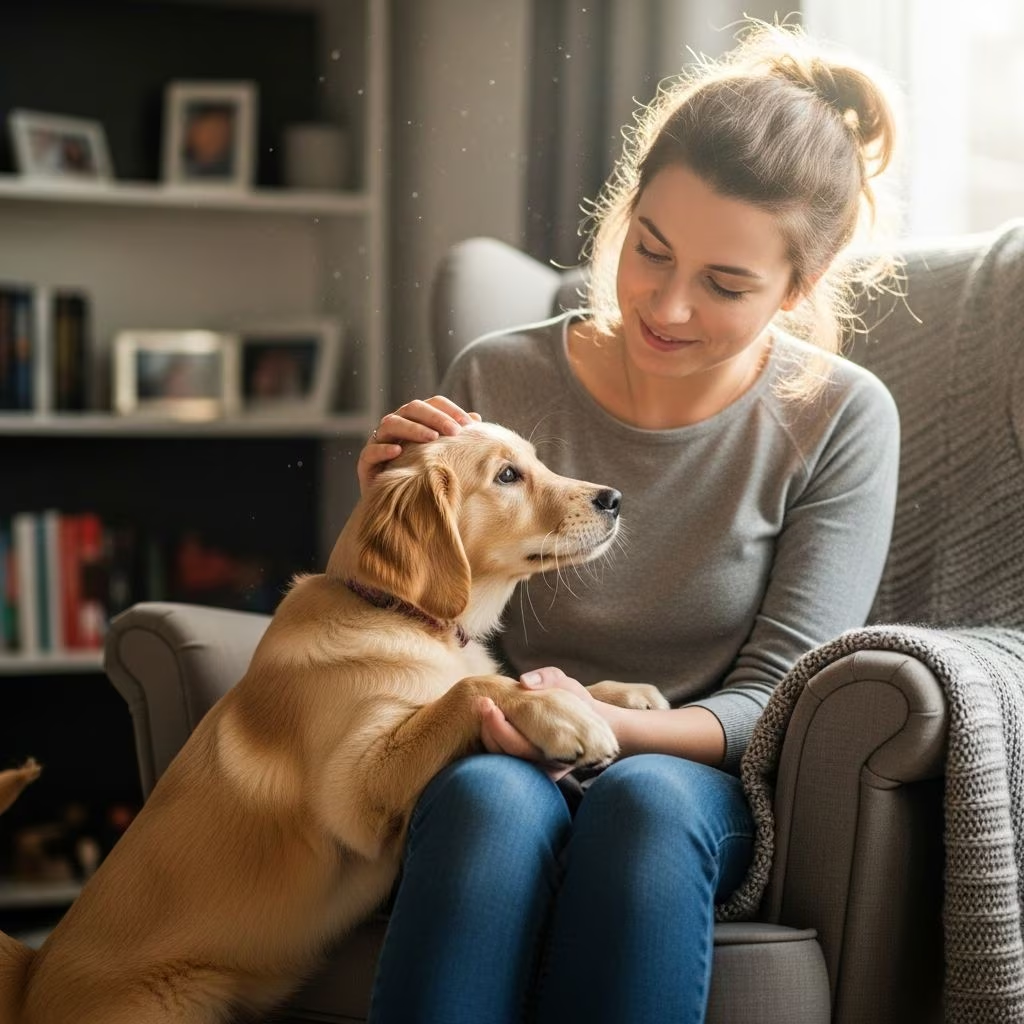
A **velcro dog** is a canine companion that exhibits extreme clinginess, sticking to their owner’s side like the adhesive fastener it’s named after. These dogs follow their humans everywhere—from room to room, into the bathroom, and even underfoot during daily tasks—seeking constant proximity and attention.
While all dogs are pack animals with natural instincts to stay close to their family unit, velcro behaviour becomes notable when it interferes with the dog’s ability to function independently, according to experts like dog trainer Ashley Reely of Meraki Dogs and animal behaviourist Colby Julien. The American Kennel Club (AKC) notes that puppies especially imprint on their owners early on, laying the foundation for this attachment.
This phenomenon isn’t inherently negative; many velcro dogs provide unwavering loyalty and emotional support. However, when clinginess escalates to anxiety or distress upon separation, it requires intervention to ensure the dog’s well-being.
Why Do Some Pups Become Velcro Dogs?
Velcro tendencies arise from a blend of **genetics**, **upbringing**, and **learned behaviours**, rather than a single factor. Dogs seek attachment figures to cope with stress, as highlighted in a 2015 study on canine attachment.
Environmental influences play a pivotal role. Owners who constantly reward proximity with praise, treats, or physical affection inadvertently reinforce the behaviour through dopamine release—the ‘feel-good’ chemical that motivates repetition. Colby Julien explains that without this reward, dogs may become anxious, creating a dependency cycle. Positive reinforcement training leverages this dopamine response effectively but must be balanced to avoid over-reliance.
Insufficient socialization, lack of boundaries, or taking dogs everywhere can exacerbate clinginess. Puppies, being impressionable, naturally follow pack leaders but learn independence through structured guidance as they mature. Breeds raised for close human collaboration often amplify these traits when not properly trained.
Are Some Breeds More Prone to Being Velcro Dogs Than Others?
Yes, certain breeds have a genetic predisposition toward velcro behaviour due to their breeding history for teamwork and human bonding. Herding and working breeds top the list:
- Border Collies: Intense focus on handlers from herding work makes them shadow-like companions.
- Australian Shepherds: Bred for stock work, they crave involvement in human activities.
- German Shepherds: Loyal protectors who bond deeply with family.
- Shelties: Affectionate herders with strong people-pleasing drives.
- Other prone breeds include Labrador Retrievers, Cavalier King Charles Spaniels, and Italian Greyhounds, known for velcro-like devotion.
However, nature versus nurture applies: even predisposed breeds can develop balanced independence with proper training and lifestyle matching. Research your breed’s needs to ensure compatibility.
Understanding Dog Attachment Styles
Dogs form attachment bonds similar to human infants, categorized into styles that influence velcro behaviour. These were adapted from Ainsworth’s Strange Situation experiment for canines.
| Attachment Style | Characteristics | Impact on Behaviour |
|---|---|---|
| Secure Attachment | Balanced independence; comfortable alone or with owner | Healthy; explores freely, greets calmly upon reunion |
| Anxious Attachment | High dependency; distress when separated | Velcro-like; may lead to separation anxiety, whining, or destructive behaviour |
Securely attached dogs thrive with or without their humans, while anxiously attached ones struggle to self-soothe, often becoming true velcro dogs. Ashley Reely notes that anxious dogs can’t relax without their person, potentially escalating to severe issues. Colby Julien emphasizes concern only if it hinders confidence.
Signs Your Dog Might Be a Velcro Dog
Not all clingy dogs are problematic, but watch for these indicators of excessive attachment:
- Follows you to every room, including private spaces like the bathroom.
- Panics or whines when you leave their sight, even briefly.
- Leans on you constantly or demands physical contact (nudging for pets).
- Refuses to settle or play alone; always seeks your involvement.
- Displays separation anxiety symptoms: destructiveness, excessive barking, or pacing when alone.
- Emotional mirroring: Matches your mood intensely, providing comfort but rarely independent.
Positive traits like unwavering devotion, calm presence, and eagerness to please often accompany velcro dogs, making them excellent emotional support companions. Distinguish normal pack instinct from dependency by observing alone-time comfort.
Is Velcro Dog Behaviour a Problem?
Moderate velcro tendencies are endearing and reflect strong bonds. Issues arise when:
- It prevents the dog from enjoying life independently (e.g., can’t eat, play, or rest alone).
- Leads to separation anxiety, impacting health via chronic stress.
- Causes household disruption or owner frustration.
True concerns involve well-being compromise, not mere affection. Many velcro dogs are content ‘shadows’ if confident alone.
How to Help Your Velcro Dog Thrive
Building independence prevents problems. Use these expert-backed strategies:
- Gradual Alone Training: Start with short absences (seconds), rewarding calm returns. Extend durations slowly.
- Positive Reinforcement for Independence: Treat for solo settling on a mat or bed. Avoid rewarding clinginess.
- Enrichment Toys and Activities: Puzzle feeders, chew toys keep them occupied alone, reducing owner-focus.
- Socialization: Expose to other dogs/people from puppyhood for broader attachments.
- Exercise and Routine: Daily walks, mental stimulation tire them appropriately.
- Desensitization: Practice ‘leave and return’ drills; ignore attention-seeking before rewarding calm.
Consistency is key. Professional trainers recommend structure mimicking pack dynamics. Dopamine from independent achievements fosters confidence.
Frequently Asked Questions (FAQs)
Can all dogs become velcro dogs?
Yes, any dog can develop velcro habits through reinforcement or lack of training, though some breeds are more prone.
Is velcro behaviour the same as separation anxiety?
Not always; velcro is clinginess, while separation anxiety involves distress responses like destruction. Velcro can precede anxiety.
How long does it take to train a velcro dog to be independent?
Weeks to months with consistency; puppies adapt faster than adults.
Are velcro dogs good for first-time owners?
They can be, if owners commit to training. Match lifestyle to breed energy.
Can older dogs outgrow velcro tendencies?
With training, yes—adults learn new habits, though puppies naturally mellow with maturity.
References
- Is Your Dog a Velcro Dog? Signs, Causes & Tips to Help Them Thrive — Kinship.com. 2023. https://www.kinship.com/uk/dog-behaviour/what-is-a-velcro-dog
- The Velcro Dog — Dire Wolf Project. 2024-10-15. https://direwolfproject.com/direwolf-dogs/the-velcro-dog/
- Velcro Dogs: Dealing With Clingy Behavior — Hill’s Pet Nutrition. 2024-05-20. https://www.hillspet.com/dog-care/behavior-appearance/velcro-dogs-and-clingy-behavior
- Velcro Dogs: A Step By Step On Building Your Dog’s Confidence — Holiday Barn. 2023-11-10. https://holidaybarn.com/blog/characteristics-of-a-clingy-dog/
- The Velcro Dog — Whole Dog Journal. 2024-02-14. https://www.whole-dog-journal.com/behavior/the-velcro-dog/



